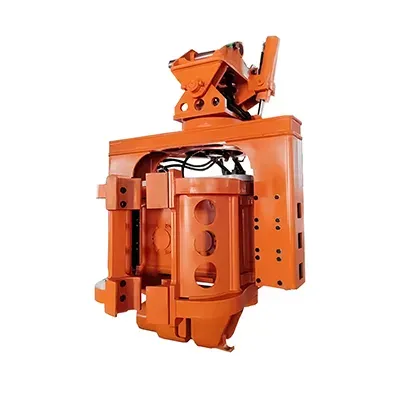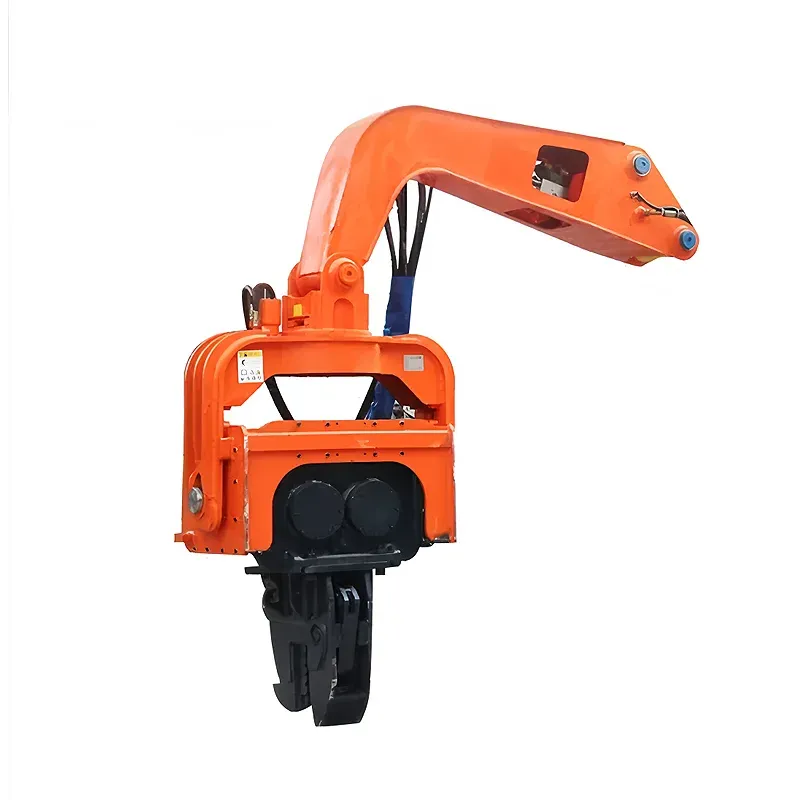
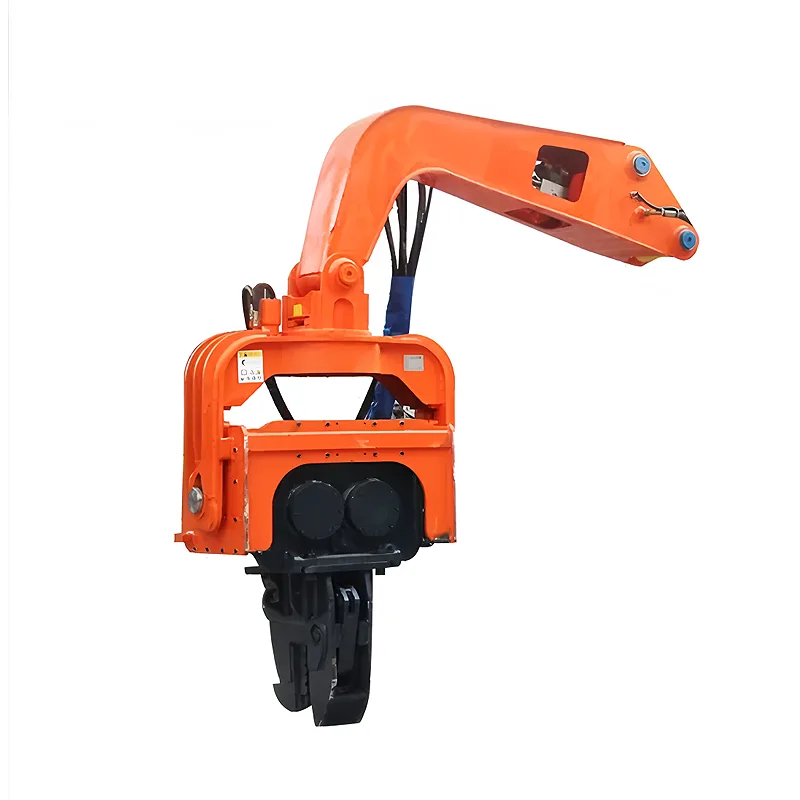
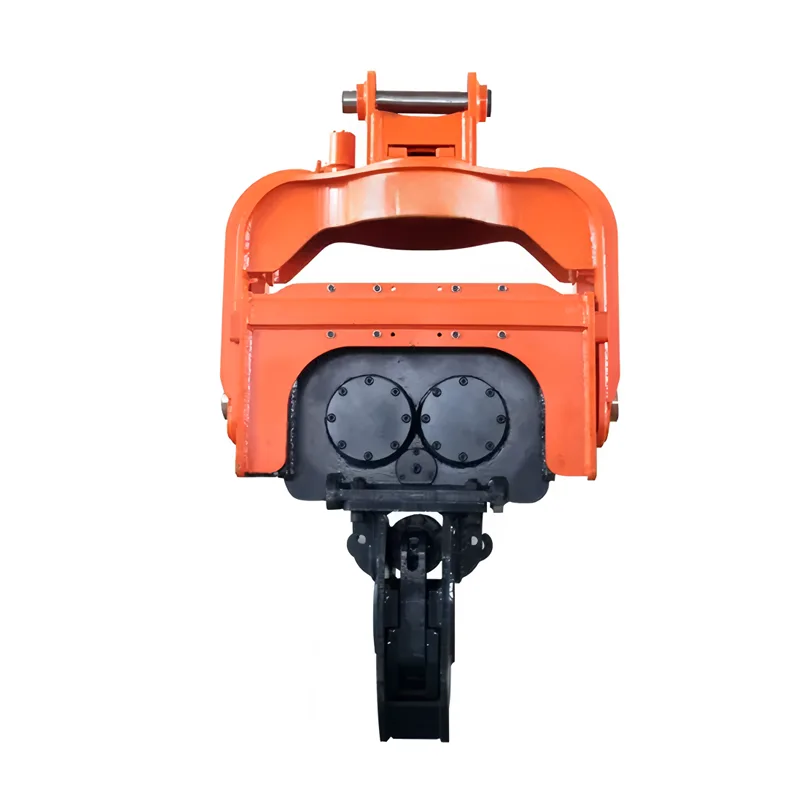
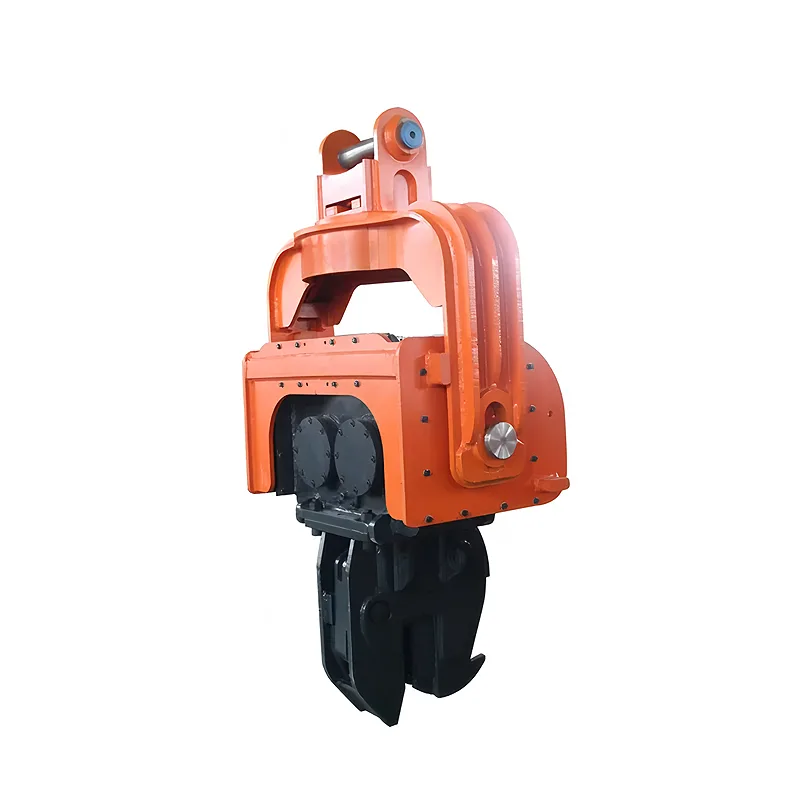
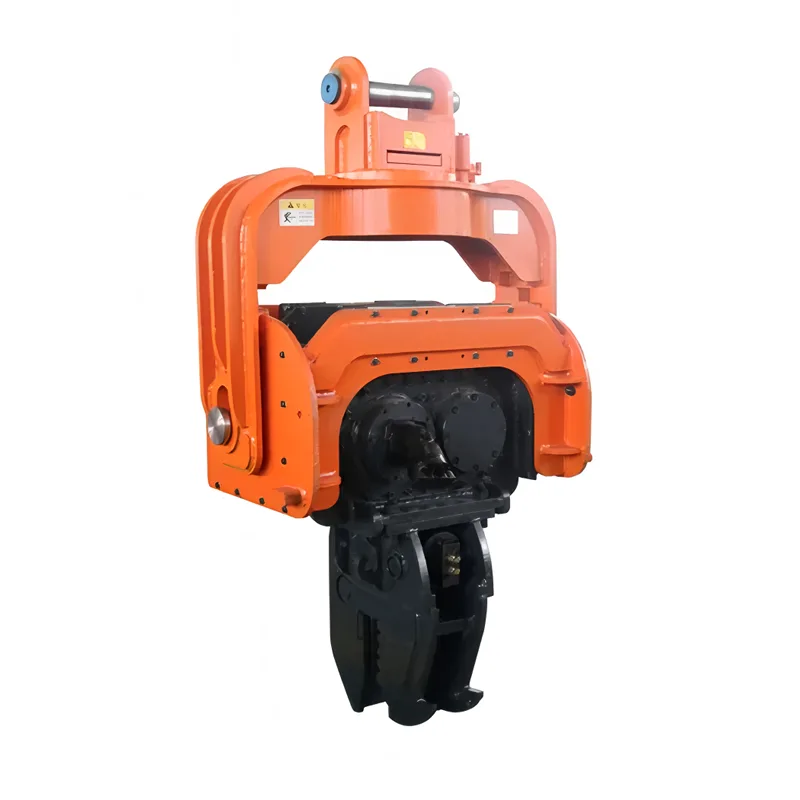
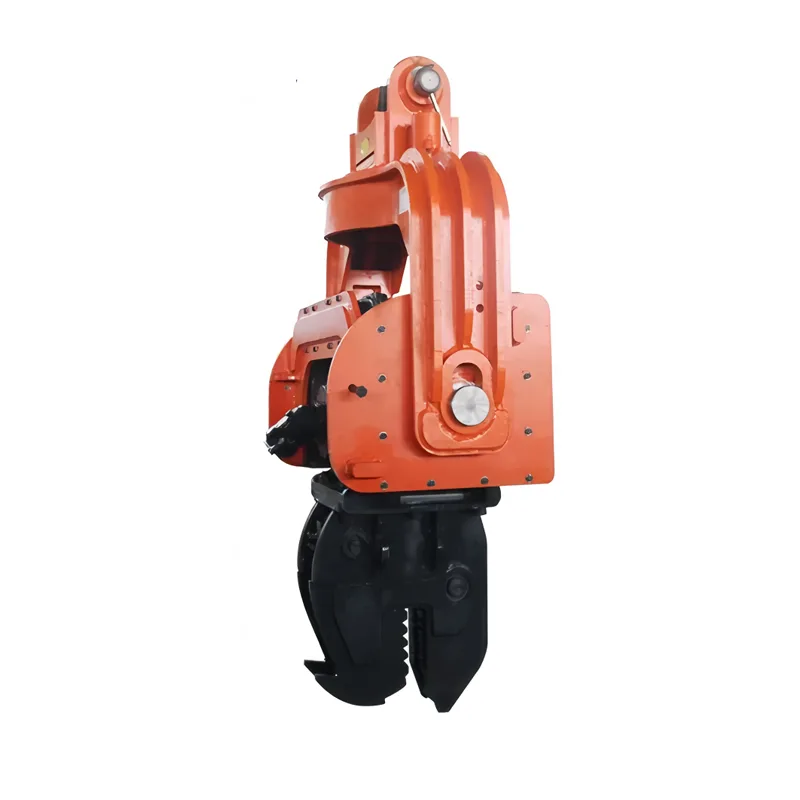
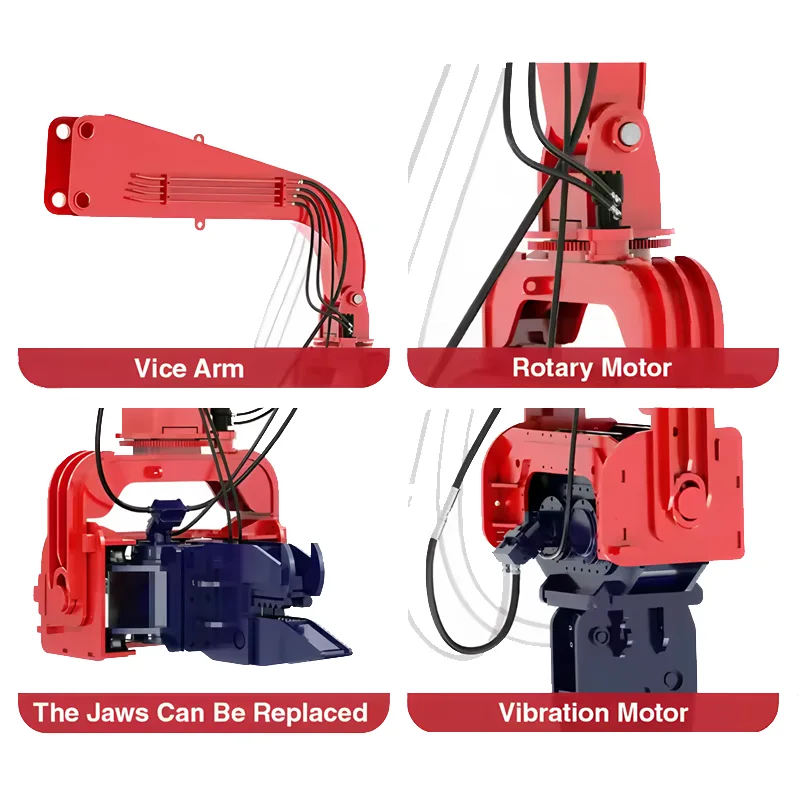
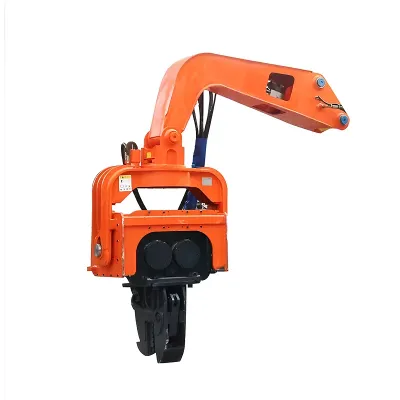
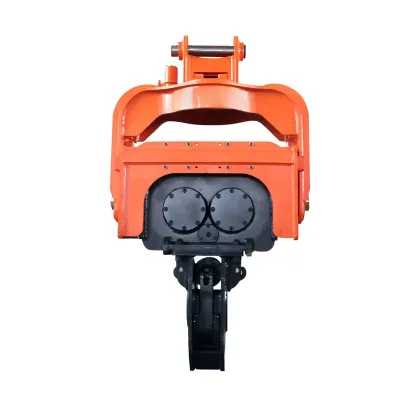
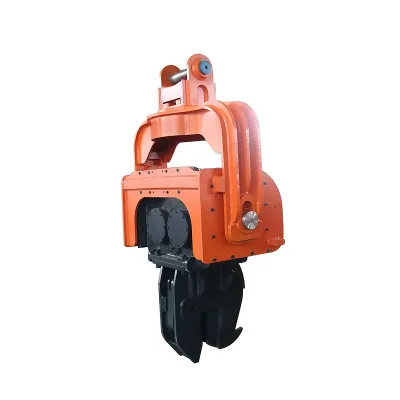
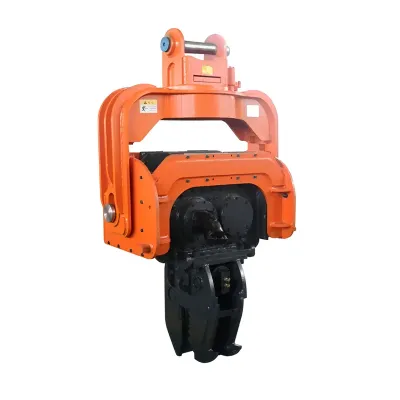
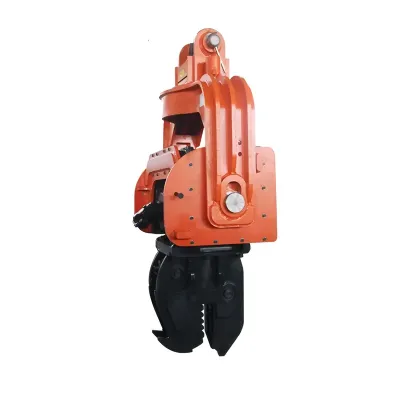
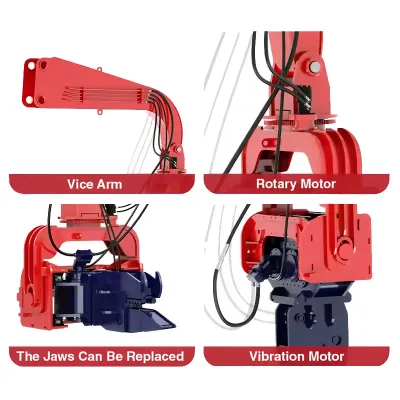
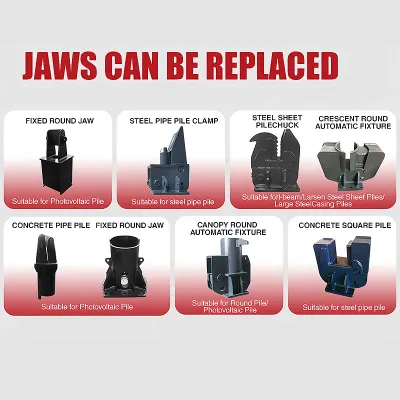
The excavator pile driver is a hydraulic attachment engineered for efficient pile installation in foundation construction, infrastructure development, marine engineering, and solar farm projects. Using high-frequency vibration technology, it enables faster and more controlled pile driving compared with conventional installation methods.
Whether working with sheet piles, H-beams, steel pipes, or concrete piles, a hydraulic vibratory pile driver helps contractors improve productivity, reduce project time, and achieve consistent installation results across different ground conditions.
Excavator Pile Driver Working Video Demonstration
Excavator Pile Driver Model Specifications
Choose the appropriate pile driver model according to excavator tonnage, hydraulic flow, vibration force, and foundation requirements. Proper matching improves installation efficiency and attachment lifespan.
| Pile Driver Specifications | ||||||
| Model | Unit | TG-PH-150 | TG-PH-250 | TG-PH-330 | TG-PH-350 | TG-PH-450 |
| Suitable Excavator | ton | 12-17 | 18-25 | 30-40 | 40-50 | 40-65 |
| Eccentric Moment | Nm | 32 | 36 | 50 | 65 | 85 |
| Centrifugal Force | kN | 172 | 265 | 420 | 580 | 750 |
| Pressure | bar | 300 | 300 | 320 | 320 | 320 |
| Flow | L/min | 120 | 155 | 168 | 210 | 255 |
| Total Weight | kg | 1560 | 2300 | 3300 | 3550 | 3650 |
Product Advantages
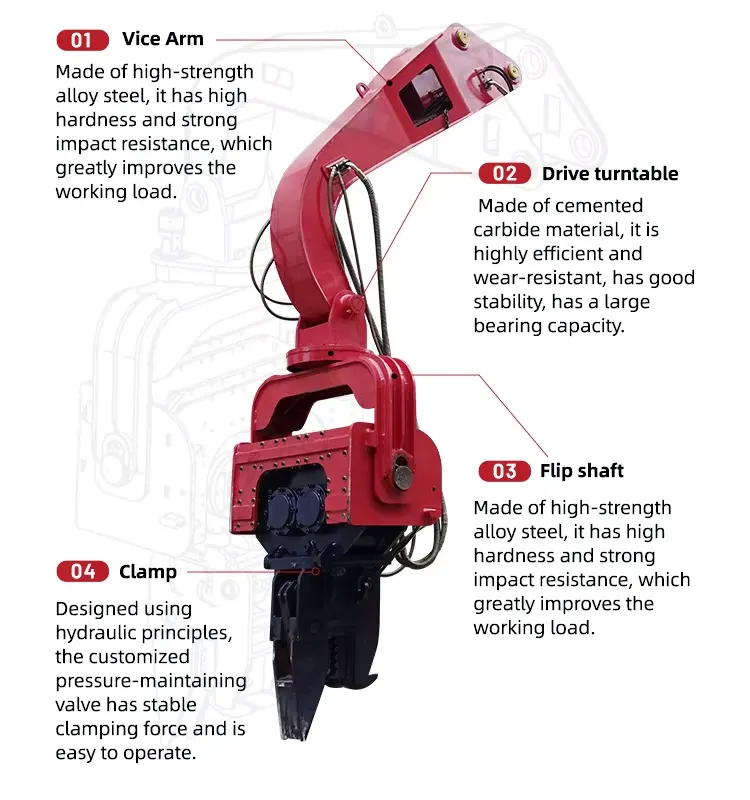
TGEC excavator pile drivers are designed for stable vibration transmission, strong clamping force, and reliable hydraulic performance in demanding construction environments.
High-frequency vibration technology improves pile penetration efficiency in various soil conditions
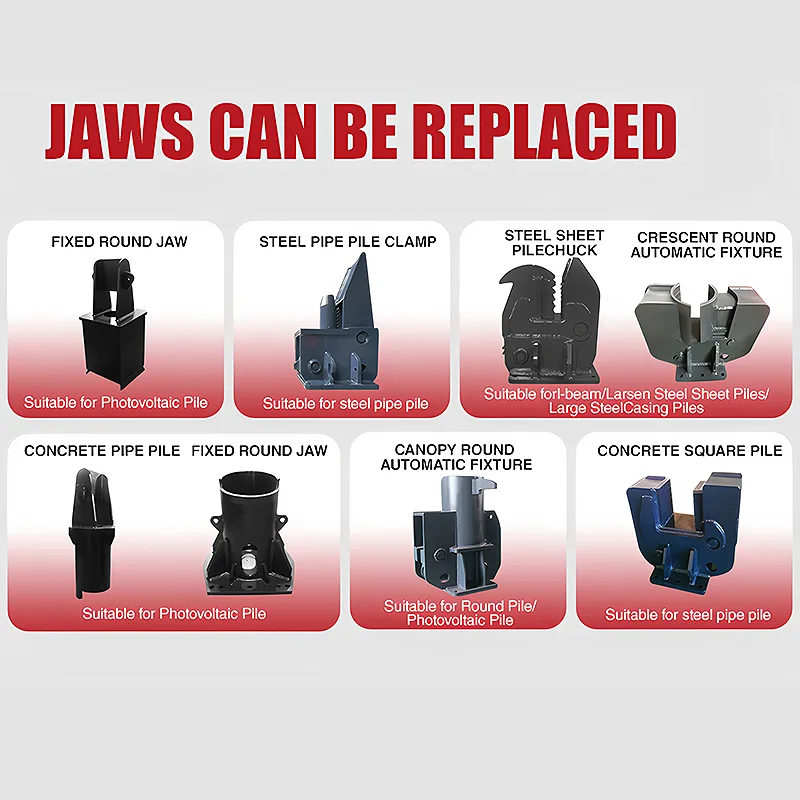
Suitable for steel sheet piles, H-beams, steel pipes, concrete piles, and solar mounting foundations
360° hydraulic rotation allows flexible positioning and easier operation on confined jobsites
Heavy-duty structure designed for continuous foundation and infrastructure construction projects
Optimized hydraulic system helps reduce energy consumption while maintaining stable performance
Compatible with most mainstream excavator brands and quick coupler systems
Compared with traditional piling methods, hydraulic vibratory pile drivers offer faster installation speed, lower noise levels, and improved operational efficiency for modern construction projects.
Applications & Project-Based Model Recommendations
Different construction projects require different vibration force levels and hydraulic capacities. Selecting the correct model according to project requirements helps maximize productivity and reduce operating costs.
TG-PH-150 (12–17 Ton Excavators) – Ideal for agricultural fencing, road signs, solar farm foundations, and light civil engineering projects where mobility and efficiency are priorities.
TG-PH-250 (18–25 Ton Excavators) – Suitable for municipal engineering, utility pole installation, highway guardrails, and medium-duty foundation construction.
TG-PH-330 (30–40 Ton Excavators) – Commonly used for retaining walls, bridge foundations, steel sheet piles, and infrastructure projects requiring higher vibration force.
TG-PH-350 / TG-PH-450 (40–65 Ton Excavators) – Designed for marine engineering, harbor construction, large-scale industrial foundations, and deep pile installation in dense ground conditions.
Compatible with CAT, Komatsu, Hitachi, Volvo, Hyundai, Doosan, Kobelco, SANY, XCMG, LiuGong, and other mainstream excavator brands with suitable hydraulic systems.
Selection Guide
The specification table provides several key parameters for selecting the correct pile driver, including suitable excavator tonnage, centrifugal force, hydraulic flow, operating pressure, and eccentric moment. These values directly influence pile driving performance and operating efficiency.
For contractors operating 12–25 ton excavators, TG-PH-150 and TG-PH-250 are often the most practical choices. Their hydraulic flow requirements range from 120–155 L/min and centrifugal force reaches up to 265 kN, making them suitable for solar farm construction, guardrail installation, and general foundation projects.
TG-PH-330 is designed for 30–40 ton excavators and delivers 420 kN centrifugal force with a 50 Nm eccentric moment. This configuration is commonly selected for sheet pile installation, retaining wall construction, and bridge foundation projects where stronger penetration performance is required.
For demanding applications such as marine engineering, harbor development, and large-scale infrastructure projects, TG-PH-350 and TG-PH-450 provide significantly higher vibration energy. With centrifugal force ranging from 580–750 kN and hydraulic flow up to 255 L/min, these models are capable of handling larger piles and more challenging ground conditions.
Before purchasing, users should verify that the excavator hydraulic flow and pressure match the attachment requirements. Proper hydraulic matching improves pile driving efficiency, reduces component wear, and helps maximize equipment service life.
Pile Driver Price Factors
Pile driver pricing varies depending on vibration force, excavator size compatibility, hydraulic configuration, clamp design, and optional features. Larger models with higher centrifugal force and flow requirements generally require greater investment due to their increased engineering capacity.
When comparing pile driver cost, contractors should consider productivity, maintenance requirements, operating efficiency, and project duration rather than focusing solely on the initial purchase price.
Competitive Brand Comparison
Compared with international brands such as ICE, MOVAX, OMS, and PTC, TGEC pile drivers offer a practical balance between performance, reliability, and overall ownership cost, making them suitable for a wide range of foundation construction projects worldwide.
Quality & Warranty
Each pile driver attachment is manufactured using high-strength steel components and undergoes hydraulic testing before delivery. Strict quality control procedures help ensure durability and operational reliability under continuous working conditions.
Technical support, spare parts supply, and warranty services are available to help contractors maintain long-term productivity and minimize equipment downtime.