


Brush Handling Equipment & Vegetation Debris Management Solutions
Brush handling is a critical operation in land clearing, forestry maintenance, vegetation management, utility corridor preparation, wildfire prevention, and construction site development. After trees, shrubs, and undergrowth are cut or mulched, large volumes of branches, roots, stumps, and organic debris must be collected, sorted, transported, or prepared for disposal.
Traditional manual cleanup methods are labor-intensive and time-consuming. Modern contractors increasingly rely on excavators equipped with specialized attachments to streamline brush collection, debris piling, material separation, and site cleanup while reducing operating costs and improving productivity.
Common Brush Handling Applications
Land clearing and site development projects
Forestry maintenance operations
Vegetation management programs
Right-of-way clearing for utilities and pipelines
Wildfire fuel reduction projects
Roadside vegetation cleanup
Agricultural land preparation
Storm debris removal operations
Park and recreational area maintenance
Construction site cleanup and preparation
Challenges in Brush Handling Operations
Brush handling projects often involve large volumes of irregularly shaped materials that are difficult to collect and transport efficiently. Branches, roots, shrubs, and tree tops create bulky piles that occupy significant space and slow down cleanup activities.
In many projects, contractors must separate soil from vegetation, reduce disposal volumes, prepare biomass for transportation, or create organized stockpiles for chipping, burning, or recycling. Poor material handling methods can lead to excessive machine idle time, increased labor costs, and project delays.
Efficient brush management requires a workflow that maximizes material movement while minimizing unnecessary handling cycles.
Recommended Brush Handling Solution
For most vegetation cleanup projects, TianGe recommends a four-stage workflow:Gathering → Separating → Piling → Loading.
This approach allows contractors to remove brush quickly, improve site visibility, reduce labor requirements, and prepare debris for final disposal or recycling.
Excavator Rake – Gather and separate brush from soil
Hydraulic Grapple – Collect and move large vegetation debris
Root Rake Grapple – Combine sorting and material handling functions
Forestry Grapple – Handle heavy branches and timber waste
By combining these attachments strategically, contractors can significantly increase cleanup efficiency and reduce project completion times.
Core Equipment for Brush Handling Projects
Excavator Rakes
Excavator rakes are among the most effective tools for brush handling operations. Their open-tine design allows operators to gather branches, roots, shrubs, and vegetation debris while leaving valuable soil behind. This improves cleanup efficiency and reduces unnecessary material transportation.
Hydraulic Grapples
Hydraulic grapples provide versatile handling capabilities for loose brush, storm debris, cut vegetation, and mixed organic materials. They enable fast loading, unloading, stacking, and transportation throughout the project site.
Root Rake Grapples
Root rake grapples combine the separation capability of a rake with the gripping power of a grapple. They are particularly useful for land clearing projects where operators must simultaneously sort and move vegetation debris.
Forestry Grapples
Forestry grapples are designed for demanding vegetation management applications involving large branches, tree tops, logging residue, and heavy organic materials. Their robust construction supports continuous operation in harsh environments.
Typical Brush Handling Workflow
A typical brush handling project begins after vegetation cutting, mulching, or tree removal operations. Excavator rakes first gather scattered branches and separate vegetation from soil. Root rake grapples consolidate debris into manageable piles while maintaining site cleanliness.
Hydraulic grapples then transport brush piles to designated collection zones, biomass processing areas, chipping stations, or loading points. Forestry grapples may be used when handling larger timber waste or storm-damaged vegetation.
This systematic workflow helps contractors improve productivity while maintaining a clean and organized worksite.
Benefits of Specialized Brush Handling Attachments
Faster vegetation cleanup operations
Reduced manual labor requirements
Improved separation of soil and organic debris
Higher equipment utilization rates
Lower transportation and disposal costs
Enhanced site safety and visibility
Improved land clearing efficiency
Better preparation for construction and development projects
Operational Strategy for Brush Management Projects
Successful brush handling is not simply about moving debris. The goal is to create an efficient material flow that minimizes handling cycles while maximizing productivity. Contractors who integrate collection, separation, stockpiling, and loading operations into a coordinated workflow typically achieve lower operating costs and faster project completion.
Selecting the right combination of excavator attachments allows operators to adapt to varying vegetation densities, terrain conditions, disposal requirements, and project objectives.
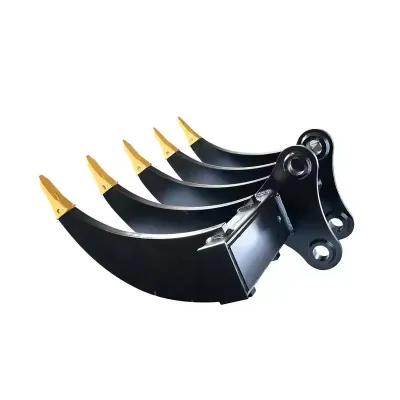
TGEC Excavator Rakes – Brush gathering and soil separation
TGEC Hydraulic Grapples – Vegetation debris handling and loading
TGEC Root Rake Grapples – Combined sorting and material movement
TGEC Forestry Grapples – Heavy-duty forestry cleanup operations
TGEC Quick Couplers – Rapid attachment changes for multi-stage workflows
TGEC excavator attachments help contractors improve brush handling efficiency across land clearing, forestry maintenance, vegetation management, agricultural development, and infrastructure preparation projects.