


Debris Collection Equipment & Excavator Site Cleanup Solutions
Debris collection is a critical phase in construction, demolition, road maintenance, and urban redevelopment projects. It involves the rapid removal of loose materials such as concrete fragments, dust, soil, wood chips, asphalt residue, and general construction waste scattered across work zones.
Modern contractors rely on excavator-mounted cleanup attachments to improve site efficiency, reduce manual labor, and maintain safe working environments. With advanced tools such as sweepers and brooms, debris can be collected, organized, and transferred in a continuous workflow.
As a professional manufacturer, :contentReference[oaicite:0]{index=0} provides TGEC-series excavator attachments designed to improve cleanup speed, reduce operational costs, and support high-efficiency site management across multiple industries.
Debris Collection Application Scenarios
Construction site daily cleanup operations
Demolition site surface debris removal
Road construction and asphalt residue sweeping
Urban redevelopment site clearing
Industrial yard maintenance and cleaning
Port and logistics yard debris management
Municipal street and infrastructure cleanup
Pre-inspection and project handover cleaning
Land preparation and surface finishing
Dust and fine particle control operations
Challenges in Debris Collection Operations
Debris collection projects often involve irregular material distribution across large areas, making manual cleanup inefficient and costly. Fine dust, mixed rubble, and scattered waste reduce site visibility and increase safety risks for operators and equipment.
In addition, project deadlines and strict environmental standards require fast turnaround times and high cleanliness levels. Without proper equipment, contractors face increased labor costs, slower project delivery, and inconsistent site quality.
To overcome these challenges, excavator-based cleaning systems have become the preferred solution for large-scale construction and industrial projects.
Recommended Debris Collection Workflow
TianGe recommends an efficient four-step debris collection logic for modern job sites:Sweeping → Gathering → Sorting → Loading. This workflow ensures fast surface cleanup while maintaining continuous material handling efficiency.
Excavator Sweeper – Rapid removal of dust, sand, and fine debris
Excavator Broom – Surface cleaning and material consolidation
Hydraulic Grapple – Collect and load mixed debris efficiently
General Purpose Bucket – Transport and final site clearing
This system improves overall site cleanliness while reducing the time required for project turnover and inspection preparation.
Core Excavator Attachments for Debris Collection
Excavator Sweepers
Excavator sweepers are designed for fast surface cleaning of construction sites, roads, and industrial yards. They efficiently collect dust, gravel, and lightweight debris, improving site visibility and safety.
Excavator Brooms
Excavator brooms are ideal for controlled sweeping operations in confined or large-scale areas. They help gather scattered materials into piles for easier loading and transport.
Hydraulic Grapple
Hydraulic grapples provide strong gripping force for handling mixed debris, including wood, metal scraps, and construction waste, improving loading efficiency during cleanup operations.
General Purpose Bucket
Buckets are used for final cleanup and debris transfer. They help move collected materials from the site to trucks or designated disposal areas.
Optional Support Attachments
In advanced cleanup projects, additional tools such as sorting grapples or magnets can be integrated to improve material separation and recycling efficiency.
Debris Collection Workflow on Site
A typical debris collection process begins with sweeping loose materials using excavator sweepers or brooms. Once surface debris is gathered, grapples are used to collect and consolidate materials into piles. Finally, buckets transport the collected debris away from the site for disposal or recycling.
This continuous workflow reduces downtime, improves site organization, and ensures compliance with environmental and safety standards.
Advantages of Excavator-Based Debris Collection
Faster construction and demolition site cleanup
Reduced labor and manual cleaning costs
Improved safety and site visibility
Higher operational efficiency for contractors
Better compliance with environmental regulations
Continuous and large-area cleaning capability
Reduced project turnover time
Equipment Strategy for Debris Collection Projects
Excavator Sweeper – Primary surface cleaning and dust removal
Excavator Broom – Controlled sweeping and debris gathering
Hydraulic Grapple – Material collection and loading
Bucket – Final transport and site clearance
Most debris collection operations benefit from combining sweeping and handling attachments to achieve fast, efficient, and consistent site cleanup performance.
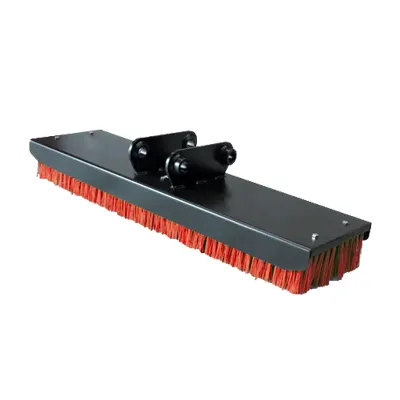
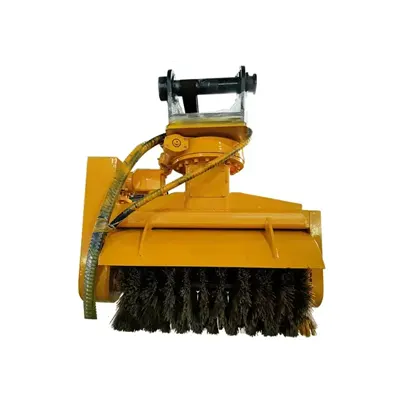
TGEC Excavator Sweepers – High-efficiency site and road cleaning
TGEC Excavator Brooms – Construction and industrial surface cleanup
TGEC Hydraulic Grapples – Mixed debris handling and loading
TGEC Excavator Buckets – Final cleanup and material transfer