


Precision Excavation Solutions with Advanced Excavator Attachments
Precision excavation refers to controlled digging, grading, and material handling operations that require high accuracy, especially in environments with underground utilities, existing structures, narrow working spaces, or strict design tolerances. These projects demand stable, flexible, and highly responsive excavator control systems that minimize over-excavation and reduce site disturbance.
Modern contractors increasingly rely on advanced excavator attachment systems, particularly Excavator Tiltrotator technology, to achieve multi-angle movement, fine grading accuracy, and efficient workflow integration across complex job sites.
Precision Excavation Application Scenarios
Utility trenching and underground pipeline installation
Urban foundation excavation with tight tolerance control
Road edge profiling and fine grading works
Landscaping and terrain shaping projects
Railway maintenance and ballast adjustment
Building basement excavation in restricted areas
Electrical and communication cable trenching
Water drainage and irrigation channel construction
Industrial site equipment foundation preparation
Green space and park terrain modeling
Challenges in Precision Excavation Projects
Precision excavation environments are highly sensitive. Operators often work near underground utilities, existing pipelines, or structural foundations where even small deviations can cause costly damage or rework.
Traditional excavator setups may struggle with limited bucket angles, restricted rotation, and frequent machine repositioning, which reduces efficiency and increases fuel consumption and labor time.
To overcome these limitations, contractors adopt advanced attachment systems that extend machine flexibility, improve visibility, and enable continuous multi-angle operation without repositioning the excavator.
Core Solution Strategy: Flexibility + Control + Accuracy
TianGe recommends a precision excavation workflow built around three core principles:Flexible positioning → Controlled digging → Fine surface finishing. This structure ensures high accuracy while maintaining productivity on complex job sites.
Flexible Positioning – Multi-angle control for difficult excavation geometry
Controlled Digging – Reduced overcut and improved depth accuracy
Fine Finishing – Smooth grading and surface alignment
Key Equipment for Precision Excavation
Excavator Tiltrotator
The Excavator Tiltrotator is the core technology for precision excavation. It allows full rotation and tilting of attachments, enabling operators to dig, grade, and position materials at multiple angles without repositioning the machine. This significantly improves accuracy in confined spaces and reduces operational cycles.
Hydraulic Quick Coupler
Hydraulic quick couplers enable fast switching between buckets, rippers, and grading tools, ensuring continuous workflow and minimizing downtime on precision job sites.
Grading Bucket
Grading buckets are designed for smooth surface finishing, slope shaping, and controlled soil removal, making them essential for landscaping and infrastructure leveling.
Hydraulic Ripper
Hydraulic rippers help break compact soil layers, frozen ground, or hard clay formations before fine excavation begins, improving digging efficiency.
Standard & Narrow Buckets
Narrow buckets are widely used in utility trenching and pipeline installation, ensuring precise trench width and reducing unnecessary excavation volume.
Precision Excavation Workflow
A typical precision excavation process starts with site mapping and underground utility identification. Operators then use controlled digging tools to open trenches or foundations with minimal disturbance.
The excavator tiltrotator enables continuous angle adjustment during excavation, allowing operators to maintain alignment with design specifications even in irregular terrain. After bulk excavation, grading buckets complete the surface finishing stage with high accuracy and smooth leveling.
Advantages of Excavator Attachments in Precision Work
Higher excavation accuracy with reduced rework
Improved safety near underground utilities
Reduced machine repositioning and fuel consumption
Enhanced operator control in confined spaces
Faster completion of complex excavation tasks
Better surface finishing quality
Lower overall project cost
Attachment Selection Strategy for Precision Excavation
Excavator Tiltrotator – Core multi-angle control system for all precision tasks
Grading Bucket – Surface leveling and finishing operations
Hydraulic Ripper – Pre-breaking hard soil layers
Narrow Bucket – Utility trenching and confined excavation
Hydraulic Quick Coupler – Fast tool switching for workflow efficiency
In most precision excavation projects, combining tiltrotator systems with grading and trenching tools significantly improves accuracy and reduces operational complexity.
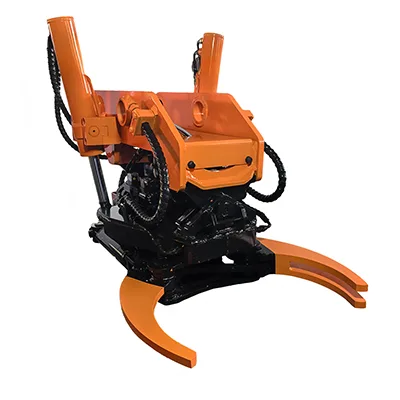
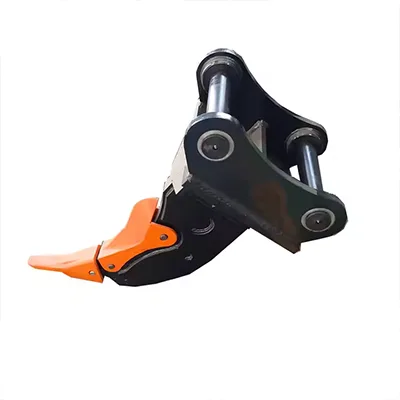
TGEC Excavator Tiltrotator – Multi-angle precision excavation control system
TGEC Grading Bucket – Fine surface finishing and slope shaping
TGEC Narrow Bucket – Utility trenching and pipeline installation
TGEC Hydraulic Ripper – Hard soil and compact ground breaking
TGEC Quick Coupler – Fast attachment switching for efficiency