


Forestry Maintenance Equipment & Forest Management Solutions
Forestry maintenance is essential for preserving healthy forests, maintaining access routes, reducing wildfire risks, and supporting sustainable land management. Forestry operations often involve vegetation control, trail maintenance, forest road upkeep, debris removal, and firebreak management across large woodland areas.
Modern forestry contractors, landowners, government agencies, and utility companies increasingly rely on excavators equipped with specialized attachments to perform maintenance tasks safely and efficiently. Proper forestry maintenance improves forest accessibility, supports ecosystem health, and reduces long-term management costs.
Forestry Maintenance Applications
Forest road maintenance and clearing
Firebreak construction and upkeep
Woodland vegetation management
Forest trail maintenance
Logging site cleanup operations
Forest access route restoration
Brush and undergrowth control
Storm damage cleanup
Wildfire prevention projects
Public land and park maintenance
Challenges in Forestry Maintenance
Forestry maintenance projects often take place in remote environments with dense vegetation, uneven terrain, fallen timber, and limited accessibility. Overgrown brush and unmanaged vegetation can restrict access, increase fire hazards, and negatively affect forest health.
Maintenance crews must also manage storm debris, invasive vegetation, dead trees, and roadside overgrowth while maintaining operational efficiency and minimizing environmental disturbance.
Traditional clearing methods are often labor-intensive and slow. Excavator attachment solutions provide a more productive approach for handling vegetation management, debris removal, and woodland maintenance tasks.
Recommended Forestry Maintenance Solution
For most forestry maintenance projects, TianGe recommends a three-stage workflow:Vegetation Control → Debris Management → Site Restoration.This process helps maintain forest accessibility, improve safety, and support long-term forest sustainability.
Forestry Mulcher – Control dense vegetation, brush, and small trees
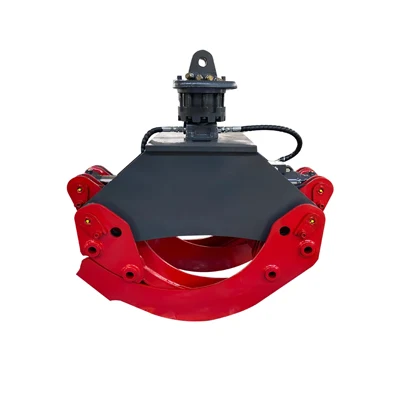
Log Grapple – Handle timber, branches, and forestry debris
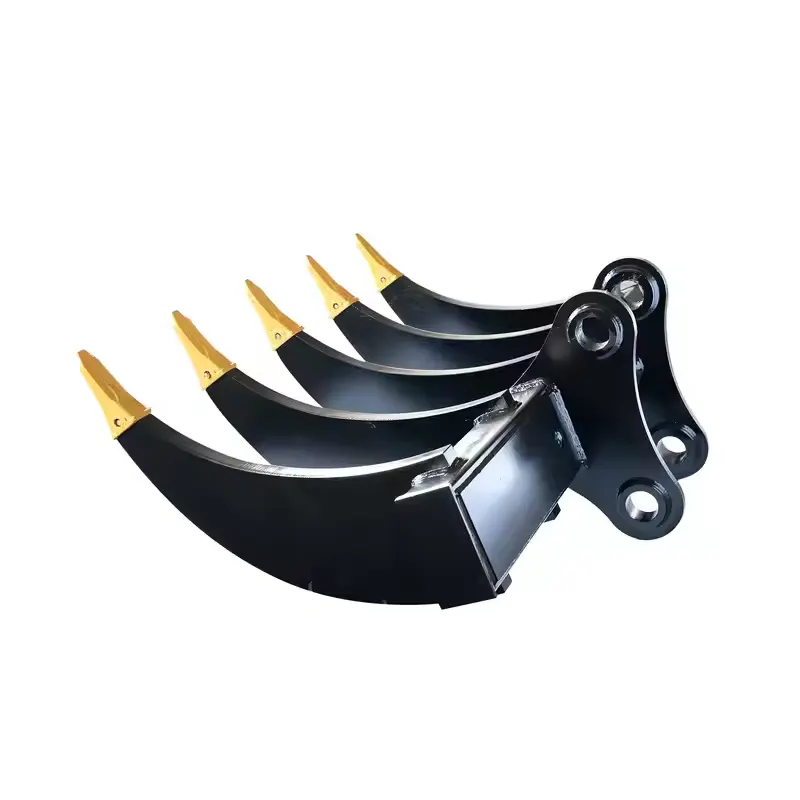
Root Rake – Collect organic material and clear forest floors
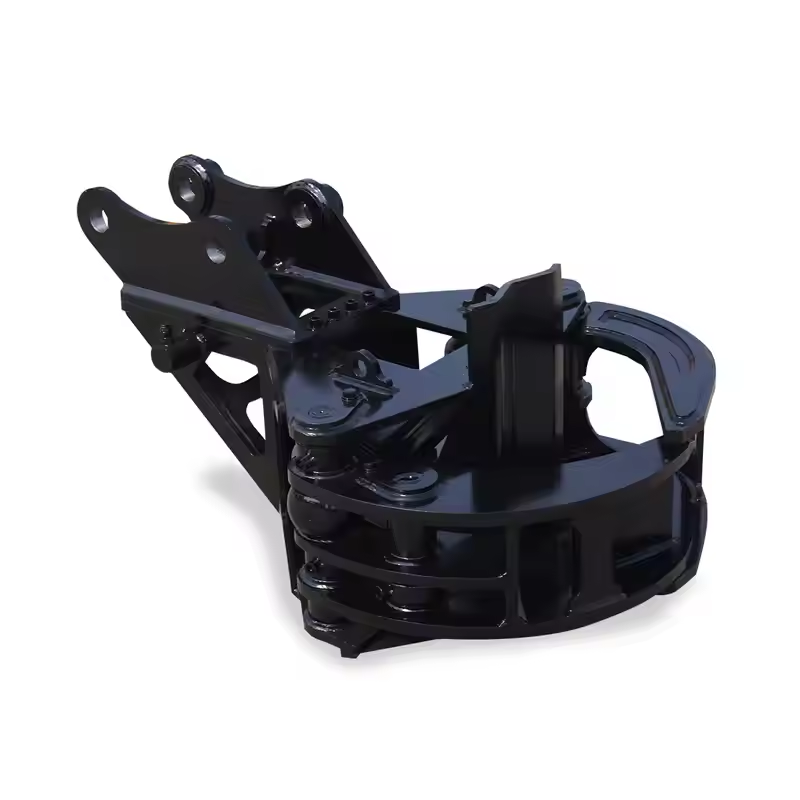
Brush Cutter – Maintain trails, roadsides, and access corridors
Combining these attachments allows operators to manage forestry maintenance projects more efficiently while reducing manual labor requirements.
Core Equipment for Forestry Maintenance
Forestry Mulcher
Forestry mulchers are among the most effective tools for forestry maintenance. They convert brush, saplings, invasive vegetation, and small trees into mulch directly on-site, helping maintain healthy forest conditions and reduce fuel loads that contribute to wildfire risks.
Log Grapple
log grapples are widely used for moving fallen trees, handling timber, clearing storm debris, and transporting forestry materials during maintenance operations.
Root Rake
Root rakes efficiently gather branches, roots, brush piles, and organic debris while leaving valuable soil behind. They are commonly used after vegetation clearing and storm cleanup activities.
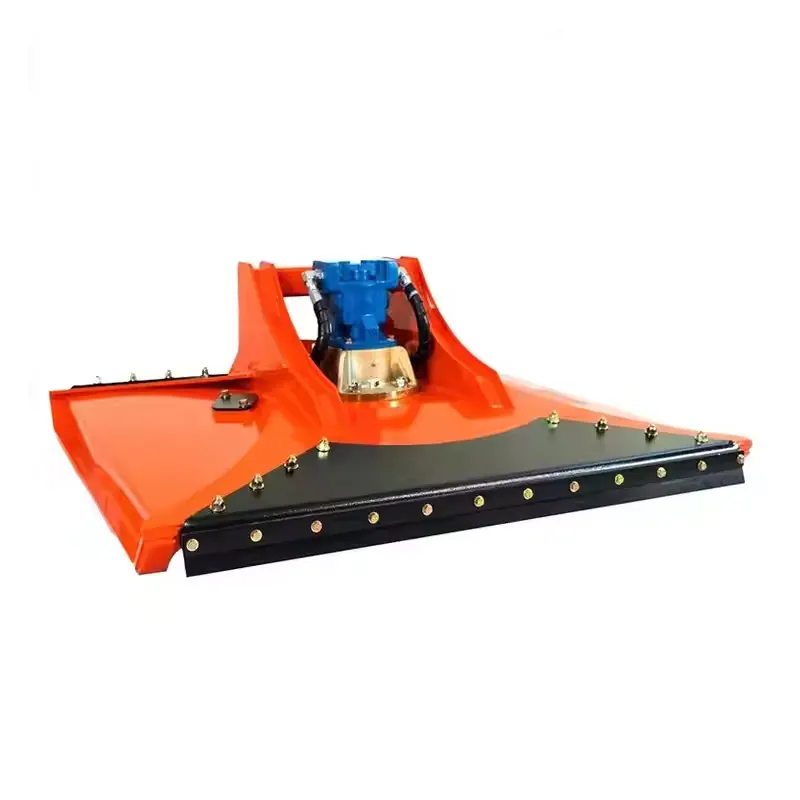
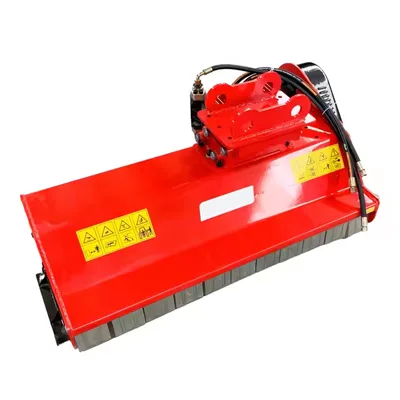
Brush Cutter
Brush cutters are ideal for controlling roadside vegetation, maintaining utility corridors, preserving forest trails, and keeping access routes open throughout the year.
Typical Forestry Maintenance Workflow
A typical forestry maintenance project begins with vegetation assessment and access route evaluation. Forestry mulchers remove dense brush and overgrowth while brush cutters maintain roadsides and trail networks.
Log grapples then handle fallen timber, storm-damaged trees, and woody debris. Root rakes complete the process by cleaning the site and preparing the forest floor for continued management activities.
This integrated workflow improves operational efficiency while supporting long-term forest management objectives.
Benefits of Excavator Attachments for Forestry Maintenance
Improved forest accessibility
Reduced wildfire fuel accumulation
Faster vegetation management operations
Lower labor requirements
Efficient debris and timber handling
Enhanced forest health and sustainability
Reduced equipment mobilization costs
Year-round maintenance capability
Forestry Maintenance Project Strategy
Successful forestry maintenance is not simply about removing vegetation. The goal is to establish a long-term maintenance program that keeps forests accessible, reduces fire risks, supports ecosystem health, and improves operational safety.
By combining vegetation management, debris removal, access route maintenance, and site restoration, operators can create more sustainable and cost-effective forestry maintenance programs.
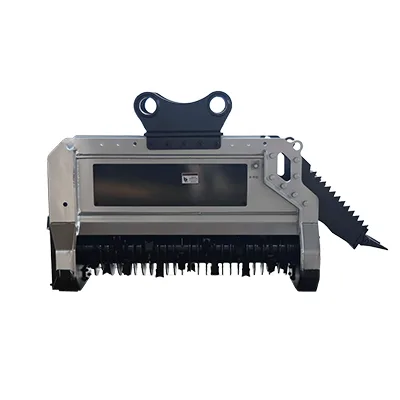
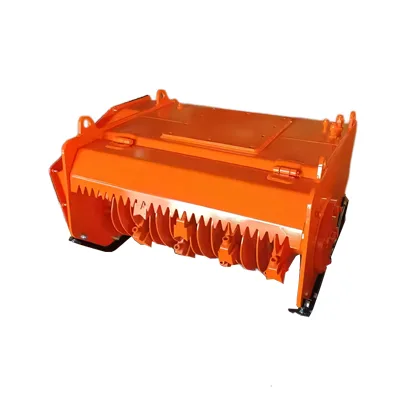
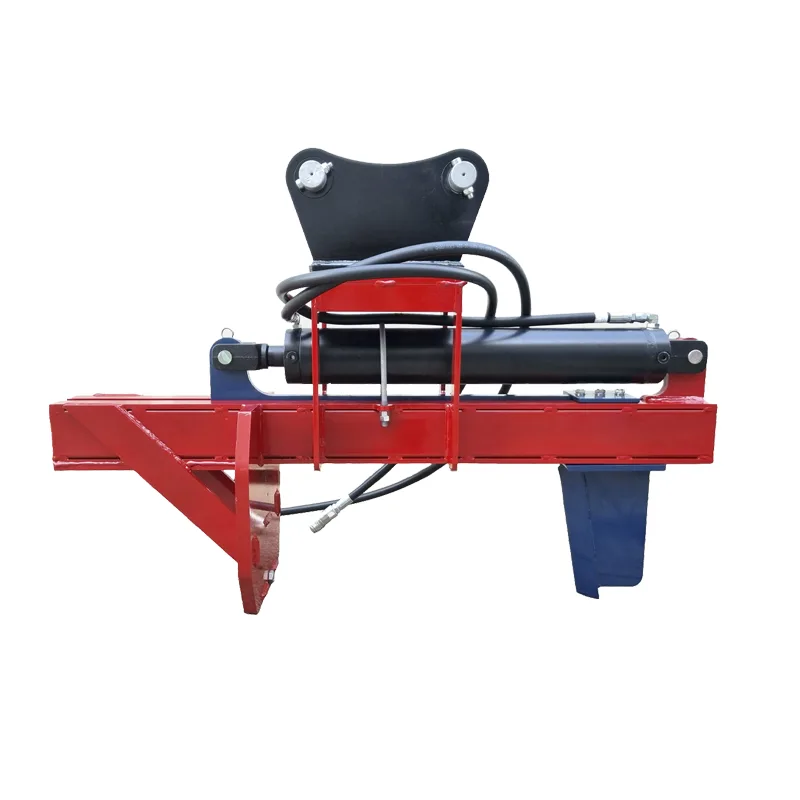
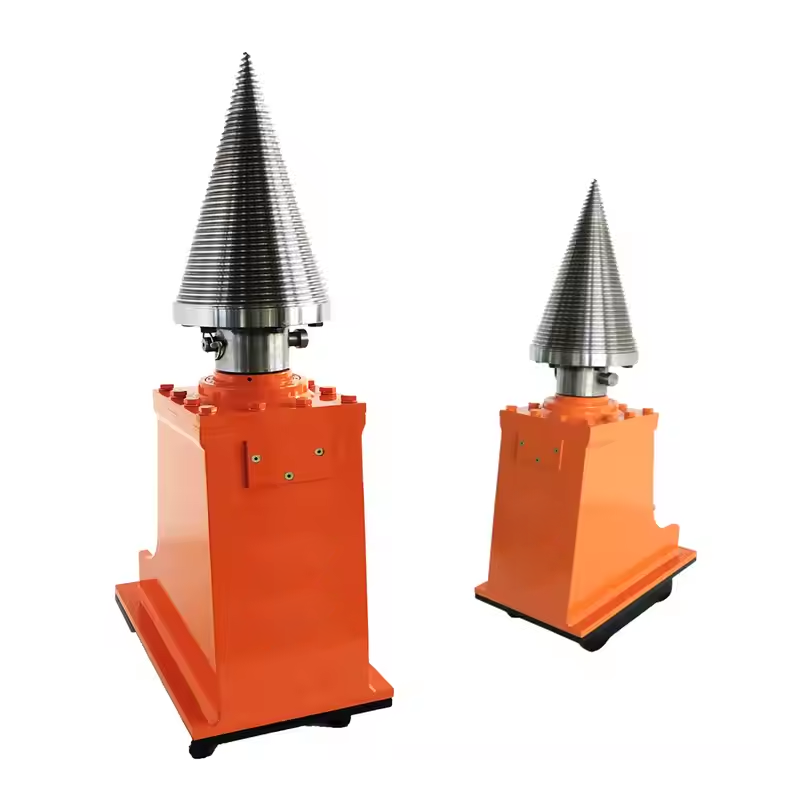
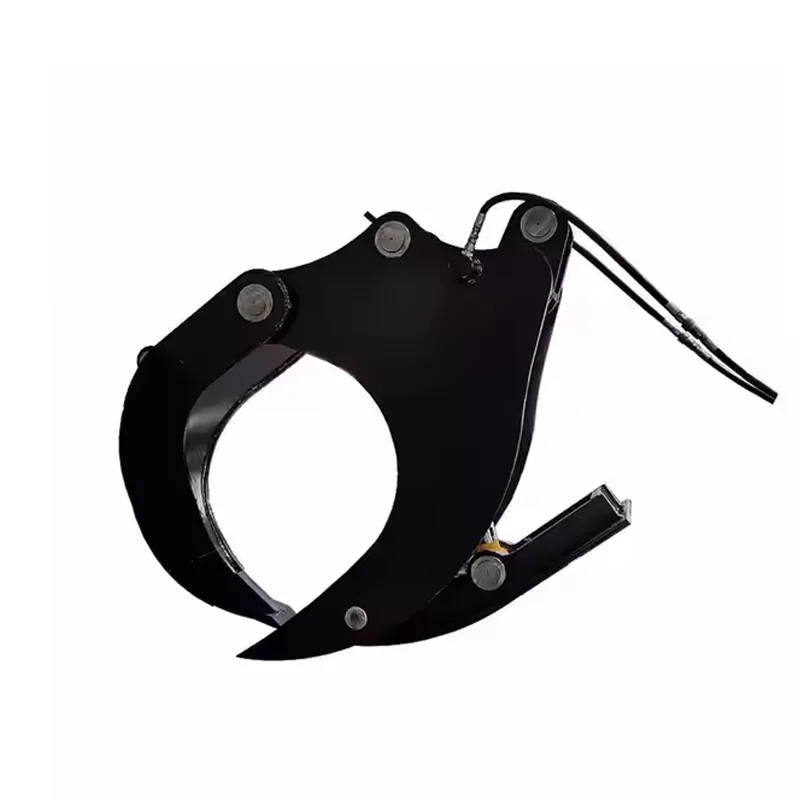
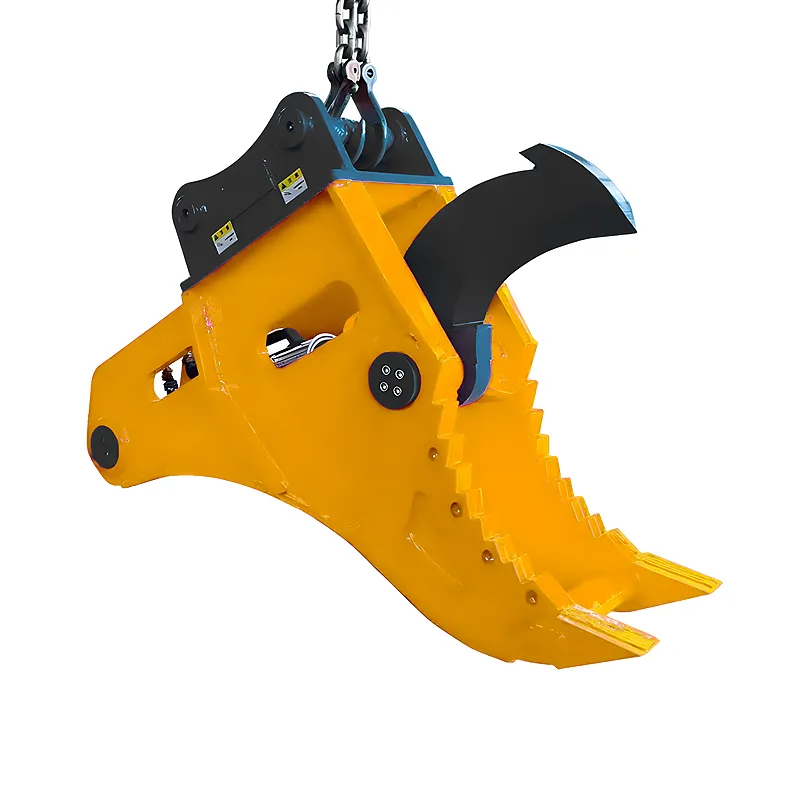
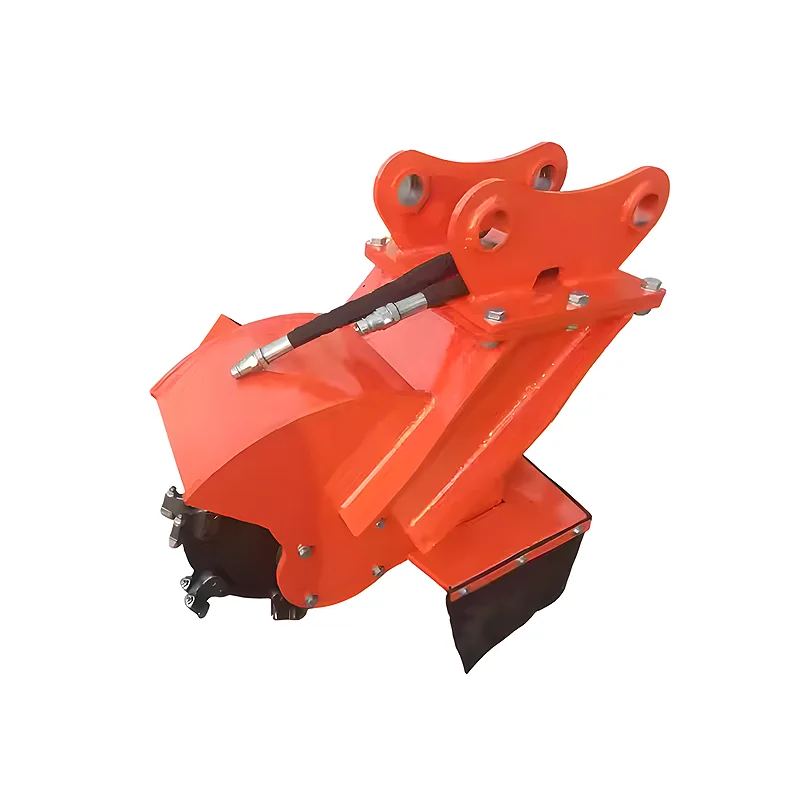
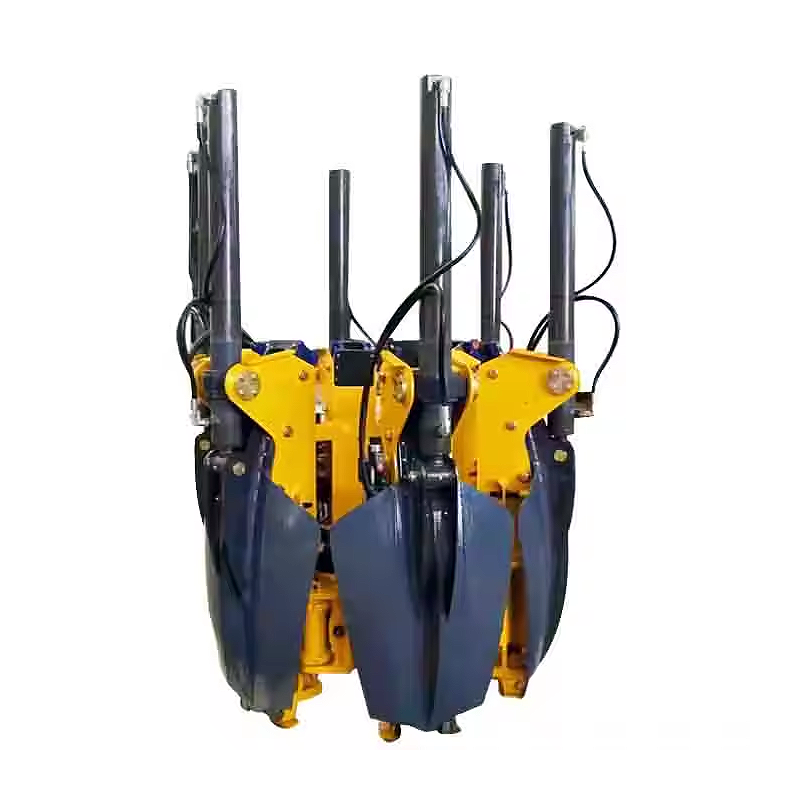
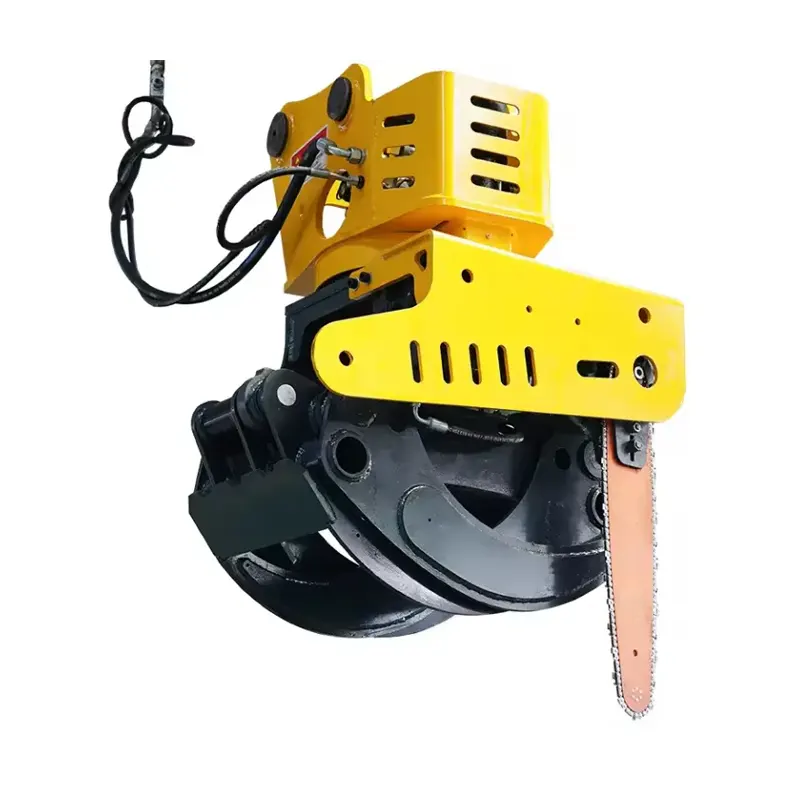
TGEC Forestry Mulcher – Vegetation control and woodland management
TGEC Log Grapple – Timber handling and debris removal
TGEC Root Rake – Forest floor cleanup and material collection
TGEC Brush Cutter – Trail, roadside, and corridor maintenance