Welcome to the Official Website of TianGe Attachments.

Flail Mower

Flail Mower

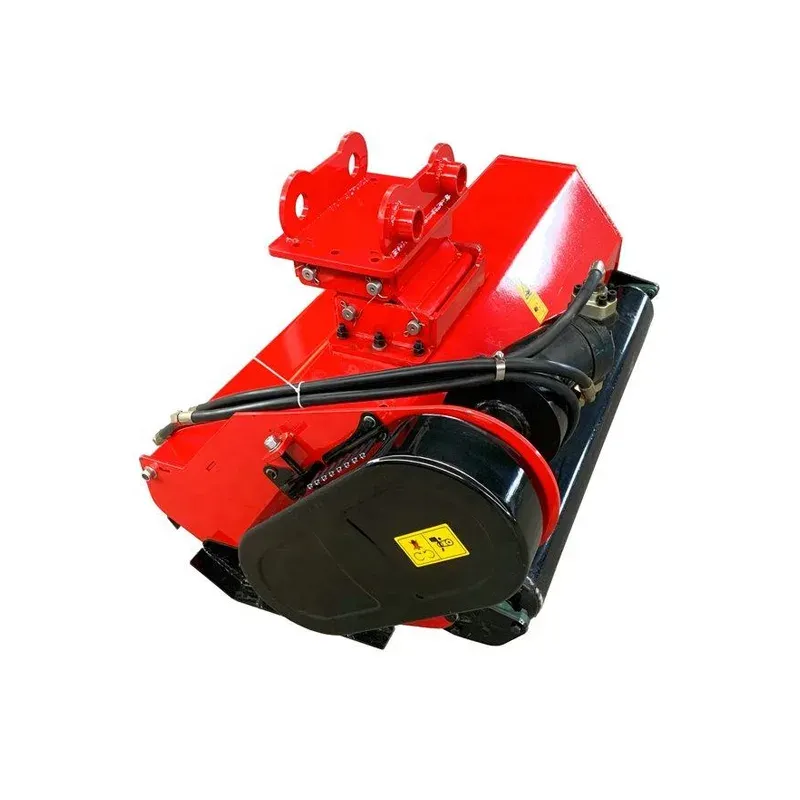
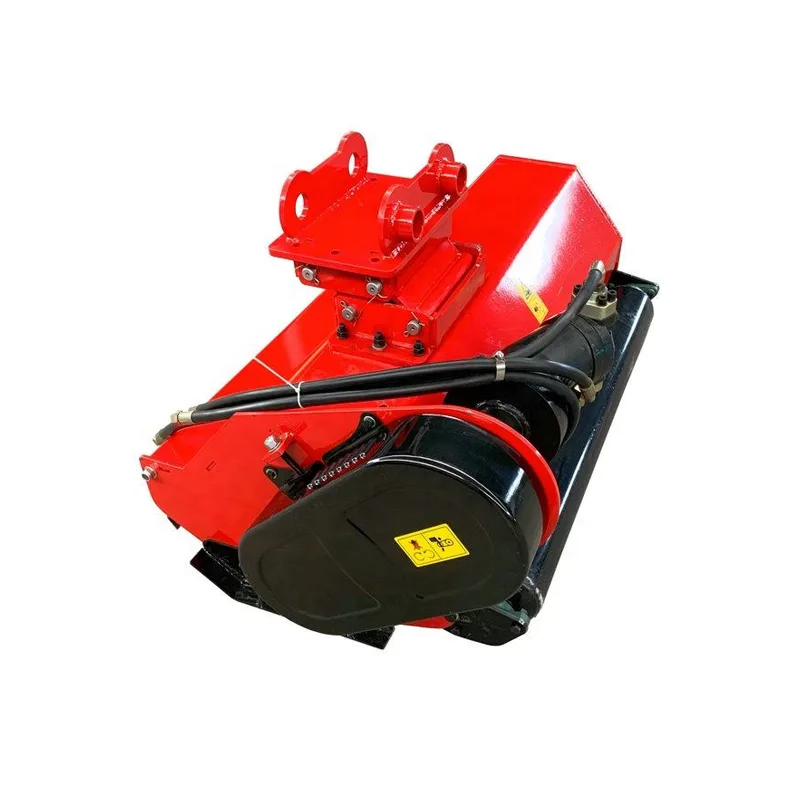
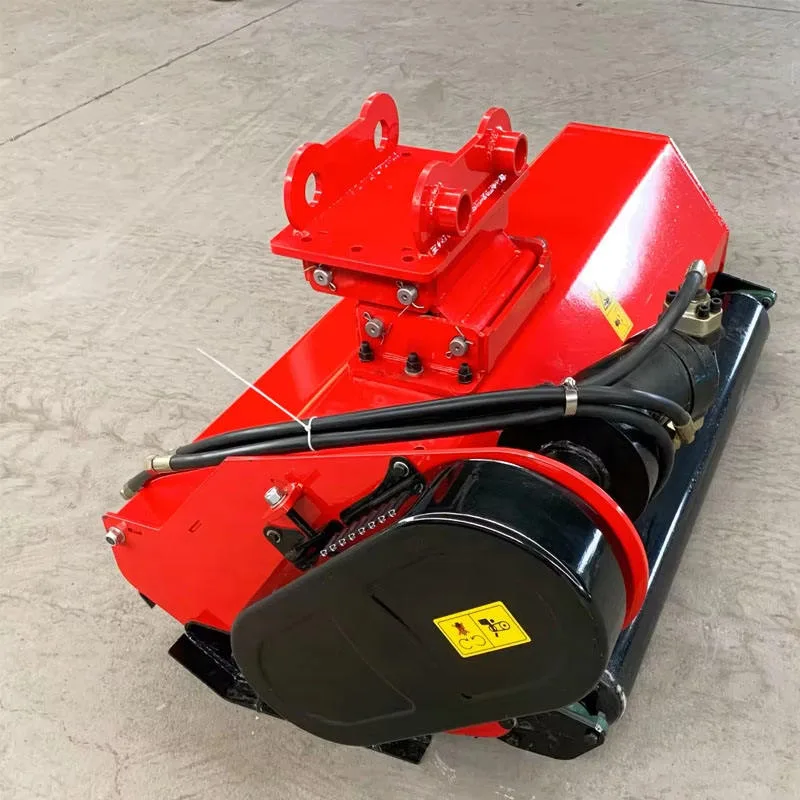
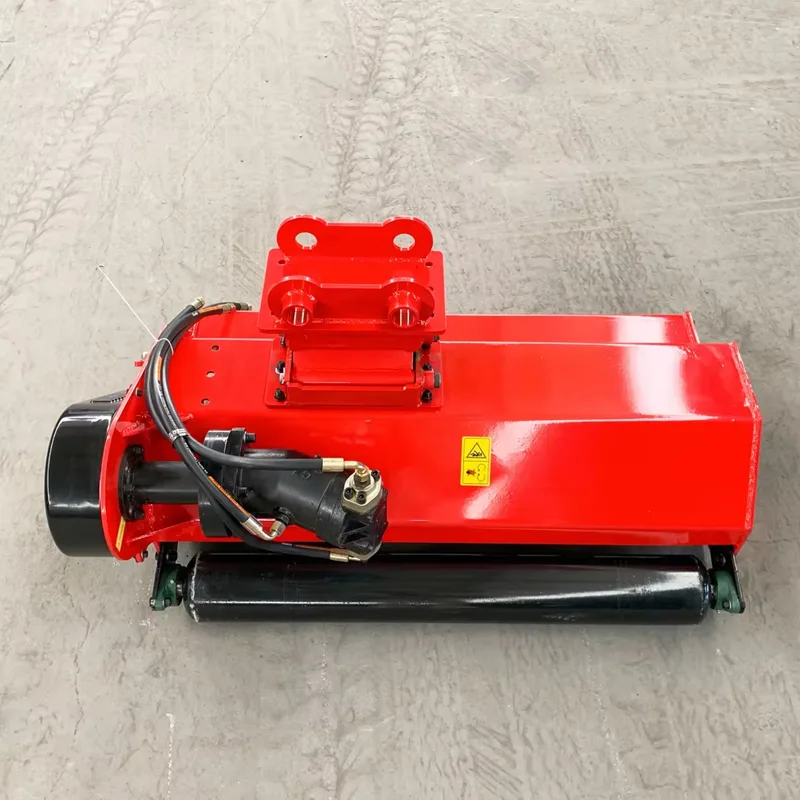
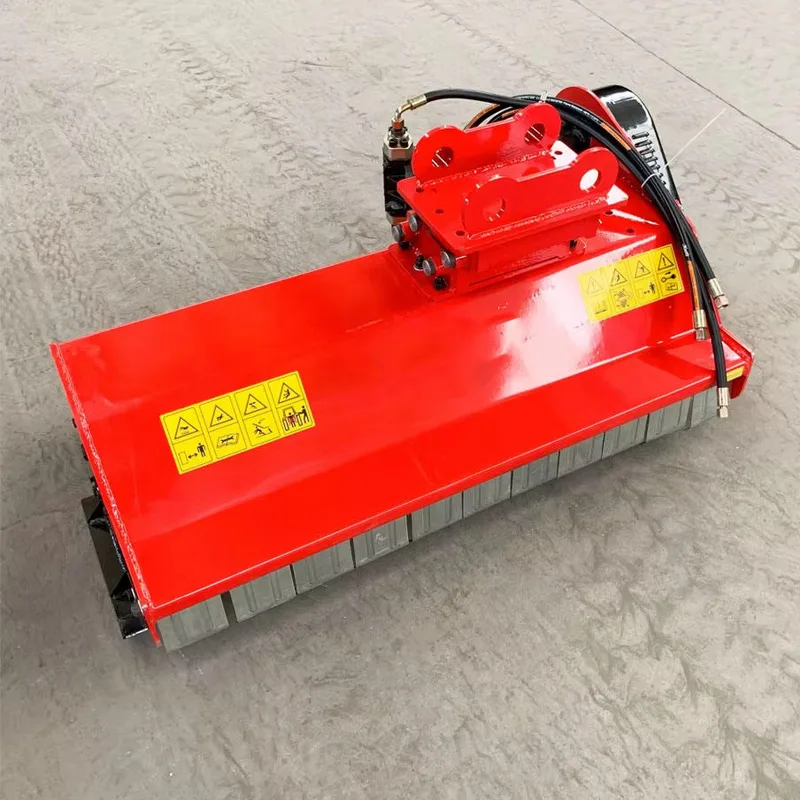
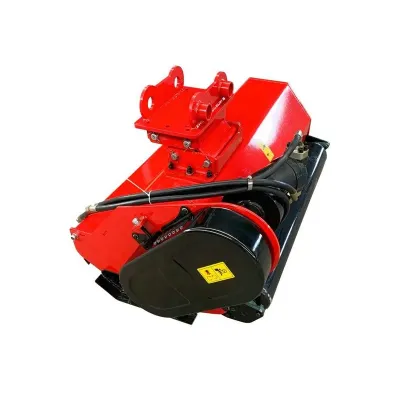
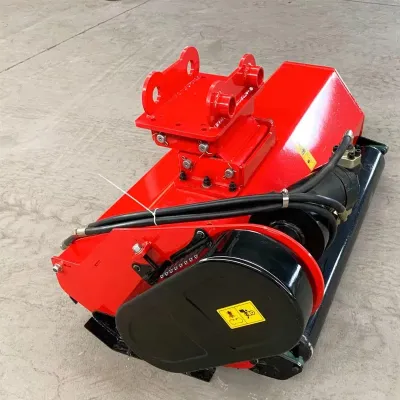
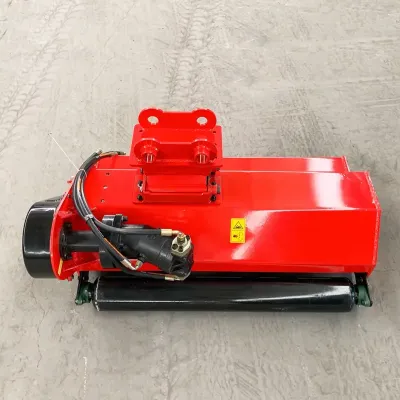
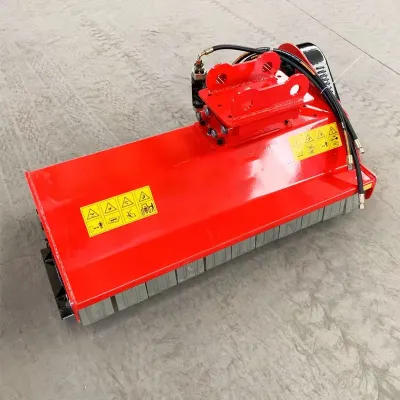
Hydraulically driven vegetation management attachment with a horizontal flail rotor and hardened hammers that shred grass, brush and saplings into fine mulch on site. Four models cover excavators from 1.5 to 6 tons with cutting widths ranging from 600 to 1150 mm.
Product Name: Brush mower / Flail mulcher / Hydraulic flail mower
Type: Mowers
After-sales Service: Provided
Warranty: 1 Year
Customization: Available
Shipping Cost: Negotiate with us about shipping cost and estimated delivery time.
Get a quote
Overview
FAQ

Product Overview

The TGEC excavator flail mower is a hydraulically powered attachment built for mini and compact excavators in the 1.5 to 6 ton range. It uses a horizontal flail rotor with hardened steel hammers to shred grass, brush, saplings, and light woody vegetation into fine mulch right on the spot. That mulch breaks down quickly, so you usually don't have to haul it away. The excavator's boom and arm give you precise control for working along slopes, ditches, fence lines, and around obstacles—places where a traditional mower can't go.

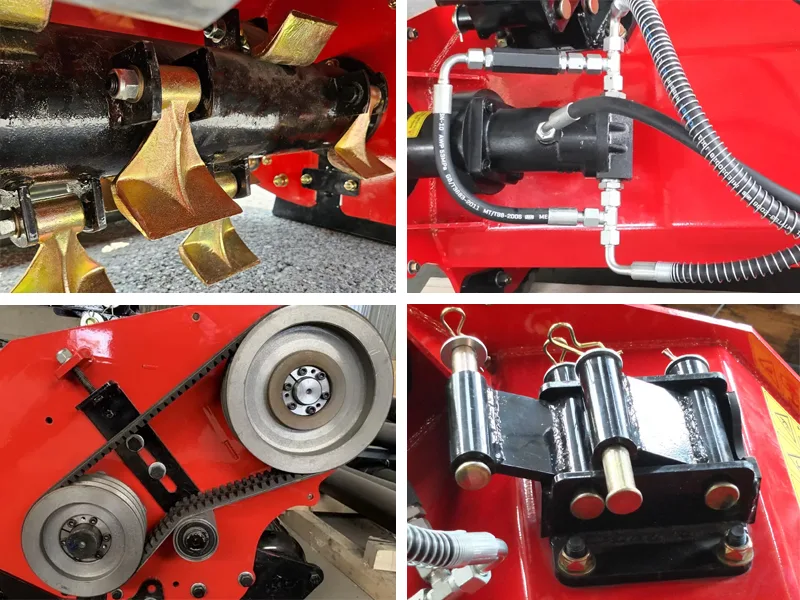
We offer four models with cutting widths from 600 to 1150 mm, so you can match the mower to your machine size and the vegetation you're dealing with. TGEC flail mowers are built with heavy steel housings, hardened hammers, and sealed bearings to hold up in tough conditions. Check out the full excavator mower range for a complete look at all models and what they can do. If you're dealing with thicker woody material, we also offer excavator brush cutters. And for help picking the right model, see our flail mower selection guide for mini excavators.

Technical Specifications

ParameterTG-FM60TG-FM80TG-FM100TG-FM120
Compatible Excavator Class1.5–3 t (1.7–3.3 ton)2–6 t (2.2–6.6 ton)3–6 t (3.3–6.6 ton)4–6 t (4.4–6.6 ton)
Overall Dimensions (L×W×H)800 × 750 × 700 mm (31.5 × 29.5 × 27.6 in)1000 × 750 × 700 mm (39.4 × 29.5 × 27.6 in)1200 × 750 × 700 mm (47.2 × 29.5 × 27.6 in)1400 × 750 × 700 mm (55.1 × 29.5 × 27.6 in)
Cutting Width600 mm (23.6 in)800 mm (31.5 in)1000 mm (39.4 in)1150 mm (45.3 in)
Flail Hammers8 pcs12 pcs16 pcs18 pcs
Weight190 kg (419 lb)220 kg (485 lb)240 kg (529 lb)265 kg (584 lb)

Table data is for reference only. Actual specifications may vary based on the final configuration. Please contact the TianGe technical team for details.

How It Works

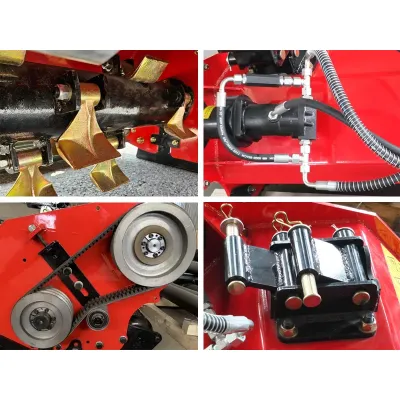
Pressurized oil from the excavator's auxiliary circuit feeds the hydraulic motor on the mower, which spins a horizontal rotor shaft fitted with multiple flail hammers. As the rotor turns, centrifugal force swings the hammers outward, and they strike and shred vegetation into fine mulch. A heavy-duty steel housing contains the material and directs it out through the rear or bottom discharge. The excavator operator controls the mower's position, height, and forward speed using the machine's standard boom and arm controls—simple and intuitive.

Application Scenarios

  • Roadside and highway maintenance: Cut grass, weeds and brush along road shoulders, medians, guardrails and embankments.

  • Slope and embankment mowing: Manage vegetation on levees, dam faces, retaining walls and steep hillsides where ride-on mowers cannot operate.

  • Brush and sapling clearing: Clear overgrown brush, small saplings and thick vegetation from construction sites, fence lines and utility corridors.

  • Ditch and waterway maintenance: Clear vegetation from drainage ditches, irrigation channels, culvert inlets and stream banks to maintain water flow.

  • Landscaping and grounds maintenance: Maintain parks, greenbelts, golf course roughs, commercial properties and naturalized areas with clean mulch finish.

  • Orchard and vineyard floor management: Mow cover crops, weeds and undergrowth between tree rows and vine rows without damaging trunks or vines.

Installation & Mounting

The TGEC excavator flail mower can be mounted with a standard pin-on bracket or a compatible quick coupler system. Make sure the bracket matches your excavator's pin-to-pin spacing and pin diameter, then pin the mower to the boom using the mounting pins and secure them with retaining clips or bolts. Hook up the hydraulic hoses to the auxiliary circuit—pressure line to the auxiliary outlet, return line to tank, and case drain to a dedicated port if your setup requires one. Once it's all connected, cycle the auxiliary circuit briefly to check that the rotor spins the right way and there are no odd noises or leaks.

Wear & Service

The main wear items are the flail hammers, hammer pins and bushings, bearings, skid shoes or rear roller, hydraulic hoses, and seals. Check the flail hammers before each use for wear, cracks, or damage, and replace any that are worn past the recommended limit. Inspect hydraulic hoses for cracks, abrasions, or leaks and swap out any damaged ones right away. Grease the mounting bracket pins and bushings on schedule, and clean the housing and rotor after each use to keep vegetation from building up. Genuine replacement parts are available for all models.

Dealer & Bulk Orders

TGEC supplies excavator flail mowers to equipment dealers, vegetation management contractors, municipal maintenance departments, and OEM partners worldwide. We offer dealer and bulk-supply programs based on model selection, order volume, machine specs, and project needs. OEM and private-label arrangements can also be explored based on partner requirements and production feasibility.

Request a Quote

To get a quote, send us your excavator make and model, operating weight, auxiliary flow and pressure, pin spacing and diameter, coupler type, and which model you're interested in (TG-FM60, TG-FM80, TG-FM100, or TG-FM120). We'll confirm compatibility and get back to you with pricing and lead time.
Frequently Asked Questions

What is an excavator flail mower used for?+

An excavator flail mower is a hydraulic attachment that cuts, shreds and mulches grass, weeds, brush, saplings and light woody vegetation. It is used for roadside maintenance, slope mowing, brush clearing, ditch maintenance, landscaping and orchard floor management. The flail rotor with hardened hammers mulches cut material into fine pieces that decompose quickly, eliminating the need for collection in most applications. The excavator-mounted configuration provides reach and precision for working in areas inaccessible to conventional mowers.

What type of vegetation can an excavator flail mower handle?+

An excavator flail mower handles grass, weeds, herbaceous vegetation, bramble and light to medium brush effectively. It can process small saplings and woody stems within its rated capacity, though thicker material may require slower forward speed or multiple passes. The mulching action reduces cut vegetation to fine material that decomposes rapidly. For thicker brush and small trees beyond the flail mower's capacity, a dedicated excavator brush cutter may be more appropriate.

What excavator size is suitable for a flail mower?+

TGEC excavator flail mowers are designed for mini and compact excavators ranging from 1.5 to 6 tons operating weight. The TG-FM60 fits 1.5 to 3 ton excavators, the TG-FM80 fits 2 to 6 ton, the TG-FM100 fits 3 to 6 ton, and the TG-FM120 fits 4 to 6 ton machines. However, operating weight alone is not sufficient — the excavator must also have adequate auxiliary hydraulic flow and pressure, sufficient lift capacity, and compatible mounting dimensions. Always verify full hydraulic and mounting compatibility before selecting a model.

How do I match a flail mower to my excavator's hydraulic system?+

Matching a flail mower requires verifying the excavator's auxiliary hydraulic flow rate in L/min, maximum working pressure in bar, and whether a case drain line is available. Insufficient flow results in slower rotor speed, reduced cutting performance and frequent stalling in dense vegetation. Excessive pressure can damage the motor and seals, while insufficient pressure reduces torque. Providing complete hydraulic specifications to the manufacturer ensures an accurate compatibility assessment.

What working width should I choose for an excavator flail mower?+

Wider mowers cover more area per pass and are more productive for open areas, but require larger excavators with sufficient lift capacity and hydraulic flow. Narrower mowers offer better access in tight areas such as ditch bottoms, between tree rows and along fence lines, but cover less area per pass. The TG-FM60 (600 mm) suits the smallest excavators and confined work, the TG-FM80 (800 mm) balances productivity and access, the TG-FM100 (1000 mm) provides higher productivity for open areas, and the TG-FM120 (1150 mm) is the highest-productivity option. Consider the primary working environment and the excavator's hydraulic and lift specifications when selecting width.

What is the difference between a flail mower and a brush mower?+

The terms flail mower and brush mower are often used interchangeably, and both describe hydraulically driven vegetation-cutting attachments with a horizontal rotor and flail hammers. In some cases, brush mower refers to a heavier-duty configuration with thicker hammers and a more robust housing for dense brush. In other cases, brush mower may refer to a rotary-style cutter rather than a flail-style mower. Because terminology varies, evaluate the actual specifications and cutting mechanism rather than relying solely on the product name.

Can an excavator flail mower be used for slope and roadside mowing?+

Yes, excavator flail mowers are well suited for slope and roadside mowing, which are among their most common applications. The excavator can be positioned on the road shoulder and the boom reaches out to mow along guardrails and embankments. The flail mower's mulching action prevents cut material from being thrown onto the road surface and reduces the risk of material sliding down slopes. When working on slopes, verify the excavator's stability and lift capacity at the required reach and position the machine on stable ground.

What should I check when mounting a flail mower to an excavator?+

Verify that the mounting bracket matches the excavator's pin-to-pin spacing and pin diameter, and that mounting pins are fully inserted and secured. If using a quick coupler, confirm it is compatible with both the excavator and the flail mower bracket and that the locking mechanism is fully engaged. Connect hydraulic hoses correctly — pressure line to auxiliary outlet, return line to tank return, and case drain (if required) to a dedicated port — and ensure all connections are tight and leak-free. After mounting, cycle the auxiliary circuit briefly to confirm the rotor spins in the correct direction with no unusual noises or leaks.

Which flail mower wear parts require regular inspection?+

The flail hammers are the primary cutting components and should be inspected before each use for wear, cracks, bending or missing material. Hammer mounting pins and bushings should be checked for wear and excessive play. Hydraulic hoses should be inspected for cracks, abrasions, bulges or leaks, and the housing should be checked for dents, cracks and abrasion wear. Other wear items include bearings, skid shoes or rear roller, seals and mounting bolts. TGEC supplies genuine replacement wear parts for all flail mower models.

Can the excavator flail mower configuration be customized for different machines?+

Yes, the primary customization option is the mounting bracket, which can be configured to match the pin-to-pin spacing, pin diameter and coupler type of specific excavator models. Hydraulic hose configurations can be customized with different lengths, connector types and routing arrangements to suit specific machines. Flail hammer types may be adjustable for specific vegetation conditions, though core specifications such as rotor diameter, motor size and cutting width are fixed per model. Customization requests should be discussed with TGEC at the time of ordering, as some modifications may require additional lead time.
Please make sure to include your phone number with the country code (e.g., 86 for China, 1 for USA).