Product Overview
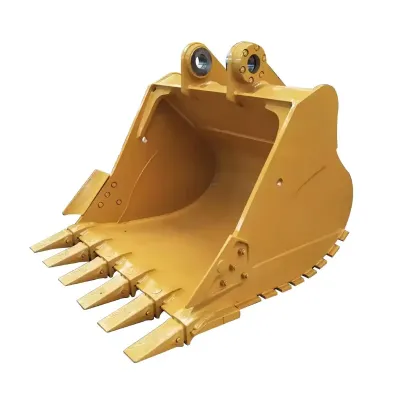
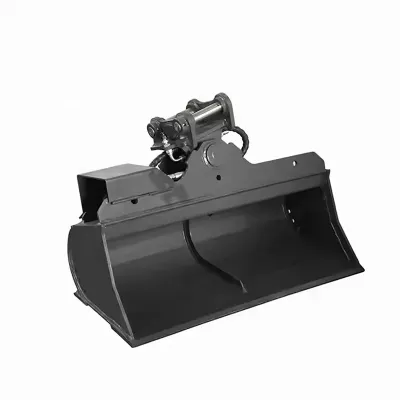
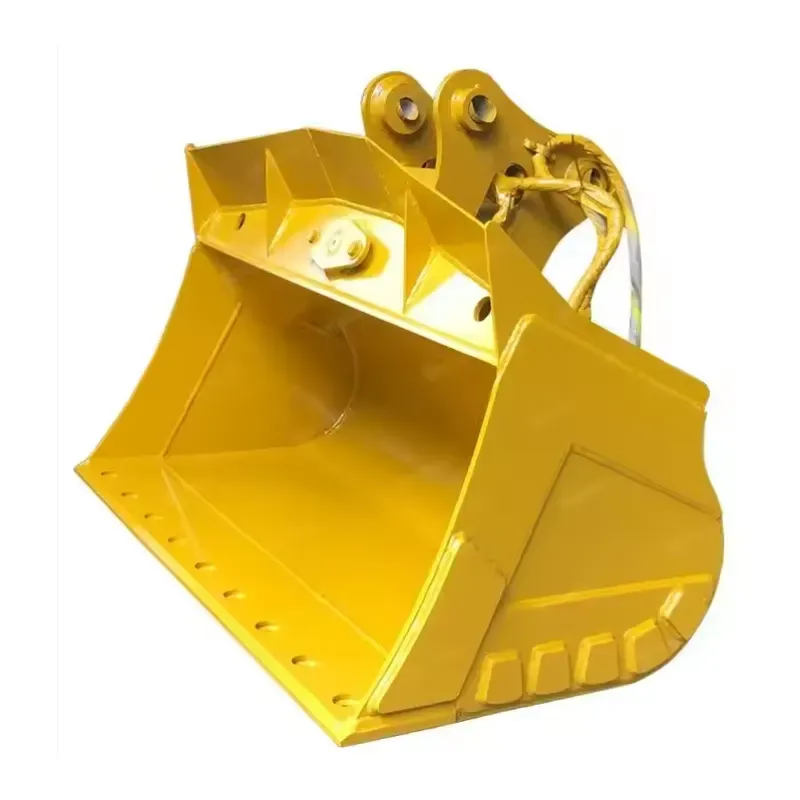
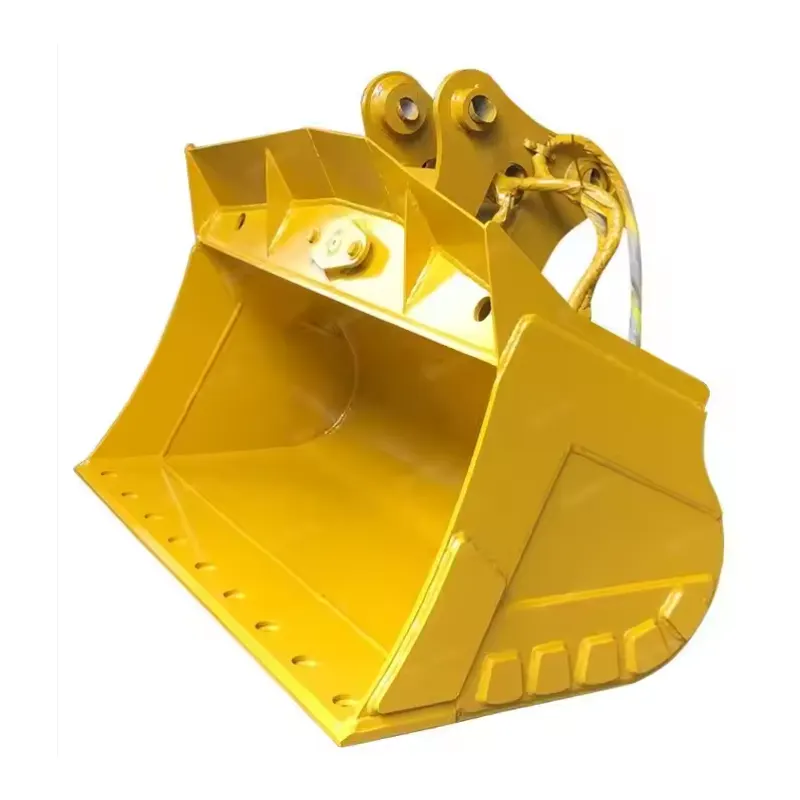
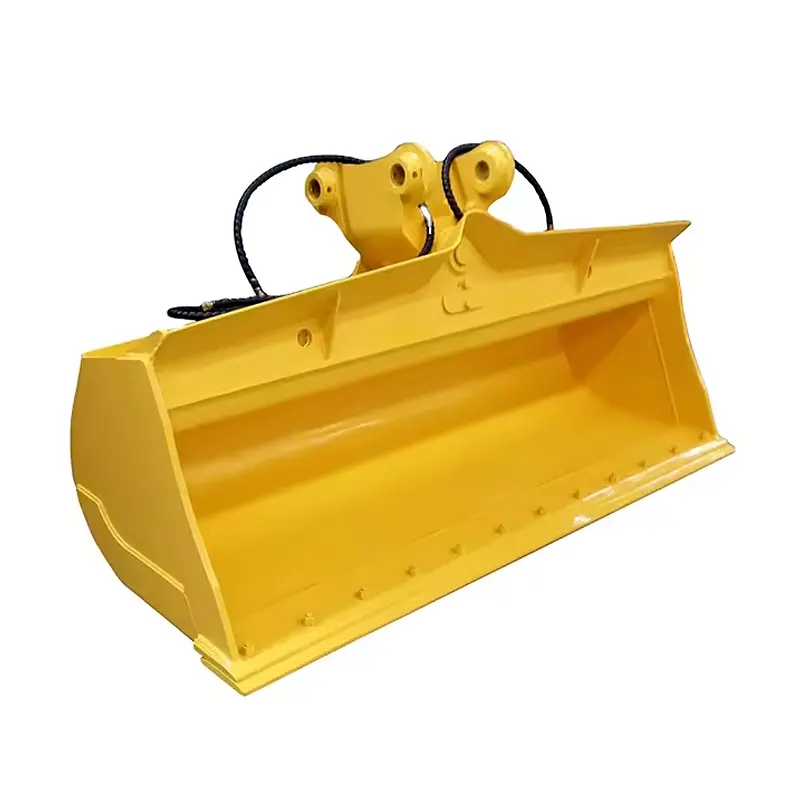
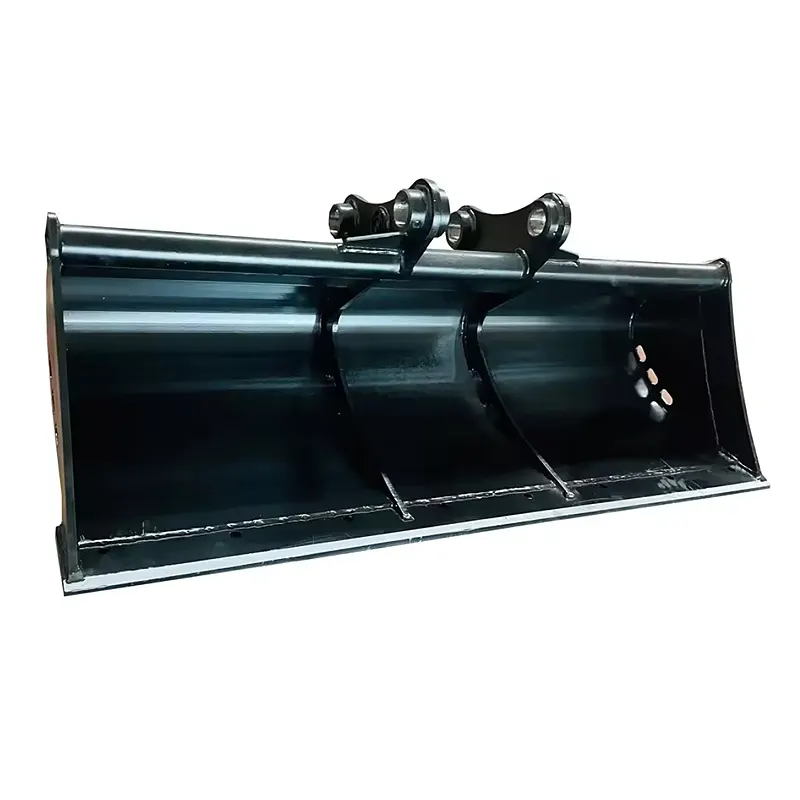
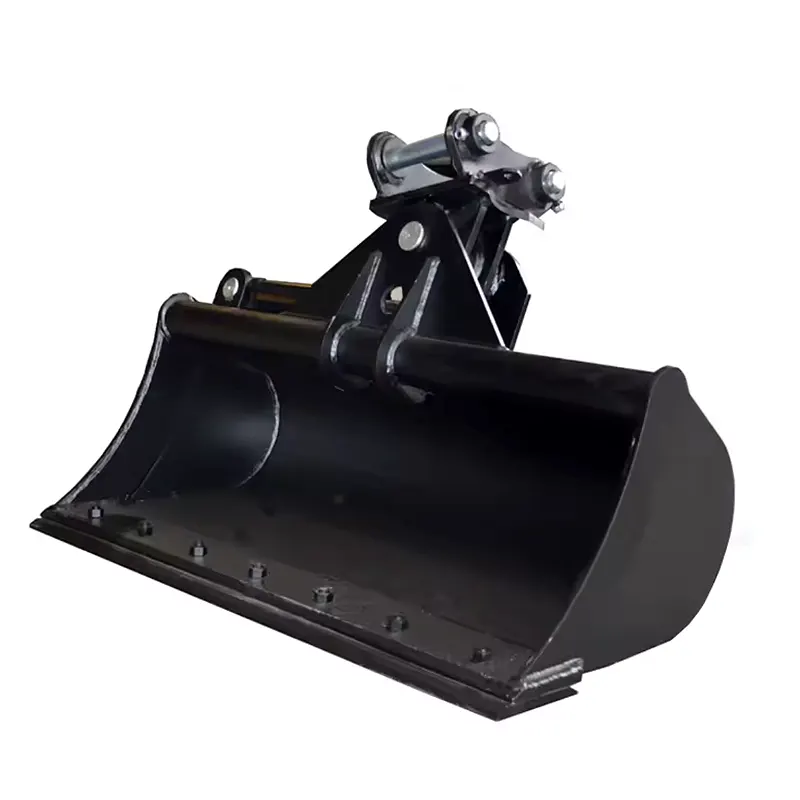
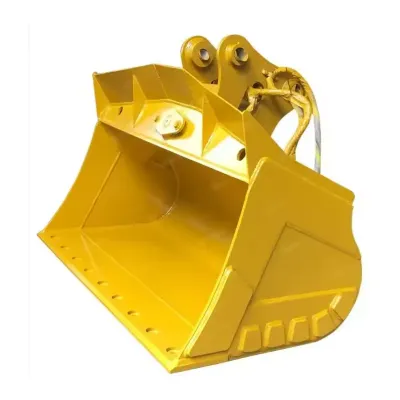
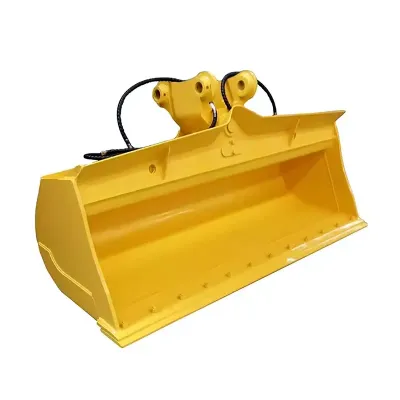
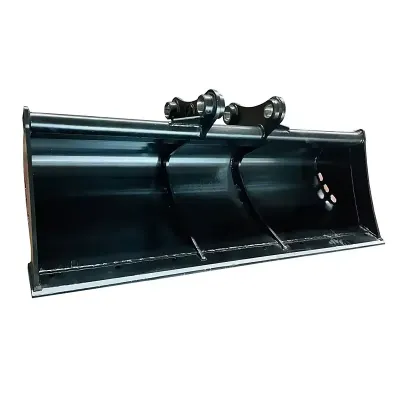
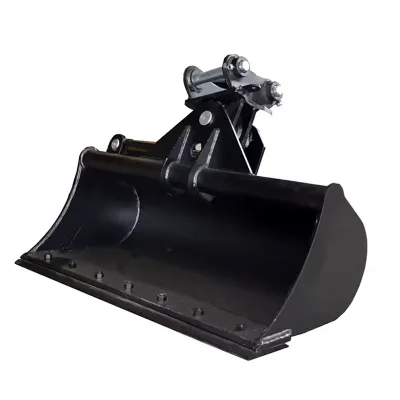
A ditch cleaning bucket—sometimes called a grading bucket or cleanup bucket—is a wide, shallow attachment built for finish work, ditch maintenance, slope grading, and everyday site cleanup. Where a standard digging bucket is deep and narrow, built to penetrate and load, this one is flat and broad, with low sides that let you carry a lot of material while keeping a smooth, level cutting edge for spreading and grading. That makes it the natural choice for cleaning out drainage ditches, shaping road shoulders, spreading topsoil, finishing slopes, and cleaning up job sites—jobs where a standard bucket would be too narrow and deep to leave a clean, even surface.
TGEC makes these from high‑strength steel, with a wide, flat bottom and low side walls that give you plenty of capacity while keeping the grading surface true. The cutting edge is hardened for wear resistance and comes either bolt‑on or welded‑on. The profile gives you a large, flat footprint on the ground, so you can get smooth, consistent grades and slopes with fewer passes. We offer ten models for excavators from 1 to 40 tons, with widths from 1000 to 2400 mm, capacities from 0.1 to 1.6 cubic meters, and weights from 72 to 1400 kg. Several models come in multiple width choices within the same size class, so you can pick the width that fits your work best. In the excavator bucket lineup, this is your go‑to finishing and cleanup tool, sitting alongside the standard digging bucket and the more specialized V-ditch bucket for drainage jobs.
Wide Profile Design and Grading Performance
What makes this bucket different is its wide, shallow shape. It's substantially wider than a standard bucket for the same machine, with a flat bottom and low sides that let it move a lot of material while keeping the cutting edge level. That wide edge gives you a big contact patch with the ground—critical for getting smooth, even grades. When you drag it along with the edge flat, it knocks down the high spots and fills the low spots in fewer passes than a narrow bucket would need.
The low side height is another key feature. Unlike a digging bucket with tall sides meant to hold material, this one has low sides that let material spill over when it's overfilled—which is exactly what you want for spreading and grading. It also gives you a much better view of the cutting edge and the material you're working on, so you can stay accurate. You usually run it with the cutting edge down, flat against the ground, instead of curled in for digging. The flat bottom gives you a stable reference to keep your grade consistent. Some models come with a spill guard or back plate to keep material from falling out the back when you're carrying it short distances.
Models & Specifications
Ten models cover excavators from 1 to 40 tons. Several size classes offer multiple width options.
| Parameter | TG-DCB05 | TG-DCB10 | TG-DCB10W | TG-DCB20 | TG-DCB20W | TG-DCB30 | TG-DCB30W | TG-DCB40 | TG-DCB50 | TG-DCB60 |
|---|---|---|---|---|---|---|---|---|---|---|
| Compatible Excavator Class | 1–2.5 t (1.1–2.8 ton) | 3–5 t (3.3–5.5 ton) | 3–5 t (3.3–5.5 ton) | 6–9 t (6.6–9.9 ton) | 6–9 t (6.6–9.9 ton) | 10–15 t (11–16.5 ton) | 10–15 t (11–16.5 ton) | 16–22 t (17.6–24.3 ton) | 23–30 t (25.3–33 ton) | 31–40 t (34.1–44 ton) |
| Bucket Width | 1000 mm (39.4 in) | 1200 mm (47.2 in) | 1500 mm (59.1 in) | 1500 mm (59.1 in) | 1800 mm (70.9 in) | 1800 mm (70.9 in) | 2100 mm (82.7 in) | 2100 mm (82.7 in) | 2200 mm (86.6 in) | 2400 mm (94.5 in) |
| Bucket Capacity | 0.10 m³ (0.13 yd³) | 0.20 m³ (0.26 yd³) | 0.25 m³ (0.33 yd³) | 0.40 m³ (0.52 yd³) | 0.50 m³ (0.65 yd³) | 0.70 m³ (0.92 yd³) | 0.85 m³ (1.11 yd³) | 1.00 m³ (1.31 yd³) | 1.30 m³ (1.70 yd³) | 1.60 m³ (2.09 yd³) |
| Unit Weight | 72 kg (159 lb) | 120 kg (265 lb) | 150 kg (331 lb) | 240 kg (529 lb) | 300 kg (661 lb) | 450 kg (992 lb) | 560 kg (1235 lb) | 780 kg (1720 lb) | 1100 kg (2425 lb) | 1400 kg (3086 lb) |
Table data is for reference only. Actual specifications may vary based on the final configuration. Please contact the TianGe technical team for details.
Applications
Ditch Maintenance and Drainage Cleaning
The main job for a ditch cleaning bucket is maintaining drainage ditches, culverts, and stormwater channels. The wide, flat profile lets you get into the ditch and scoop out the silt, sediment, and debris that builds up over time, while the smooth edge helps reshape the bottom and side slopes to keep water flowing right. Unlike a V-ditch bucket, which is made for cutting brand‑new trapezoidal channels, this one is for cleaning and maintaining what's already there. The wide bucket covers most ditches in fewer passes than a narrow digging bucket, so you get the job done faster.
Grading and Slope Finishing
For grading and finishing slopes, this bucket gives you a wide, flat surface that turns out smooth, even grades. You run it with the cutting edge flat on the ground and drag it along, knocking down high spots and filling low spots in a single sweep. It's great for finishing road shoulders, shaping embankments, leveling building pads, and putting the final touch on slopes for erosion control. The wide edge covers more ground per pass, so you spend less time on big grading jobs. And the low sides let you see the cutting edge clearly, so you can keep your grades on target.
Site Cleanup and Material Spreading
On construction and development sites, this bucket is a handy tool for cleanup, spreading topsoil, and distributing gravel or fill. The wide, shallow shape carries a good volume of material and spreads it evenly just by dragging the bucket along the ground. For cleanup, it gathers up loose debris, extra dirt, and construction waste from the surface. For landscaping, it spreads topsoil across lawns and planting beds, leaving a smooth, level surface ready for seed or sod. Having one attachment that can both carry and spread makes it a versatile piece of equipment for site development and landscaping crews.
Mounting and Compatibility
Ditch cleaning buckets mount the same way as a standard bucket—pin‑on or quick coupler—and they don't need any hydraulics. Since it's a mechanical attachment with no moving parts or cylinders, no auxiliary hydraulic circuit is required. The bracket has to match your pin spacing, pin diameter, and linkage geometry exactly. When you order, send us your excavator make, model, operating weight, pin dimensions, and coupler type, and we'll supply the right bracket.
Because this bucket is a lot wider than a standard bucket for the same machine, you need to make sure the width fits your machine and the job. Too wide, and you could cut into your lift capacity, make the machine unstable, or not fit in tight spots. Too narrow, and you lose the grading and cleanup efficiency the bucket is designed for. Think about the typical ditch width, the size of the areas you're grading, and any space restrictions you run into. The multiple width options within several size classes let you pick the one that works best for your work.
Operation Tips
When you're cleaning ditches, start at the upstream end and work downstream, so water and loose silt flow ahead of you. Set the bucket flat on the bottom and drag it along to pick up sediment, then lift and dump it on the bank or into a truck. For side slopes, angle the bucket to match the slope and drag it along to reshape the bank and clear off vegetation and debris. Don't dig too deep into the bottom—you don't want to change the drainage slope and cause water to pool.
For grading and finishing, keep the cutting edge flat on the ground and make long, smooth passes. Hold the bucket level with steady boom and stick angles, and don't twist it during the pass—that leaves marks on the finished surface. When you're spreading material, fill the bucket partway, then drag it along while slowly curling it to let the material feed out evenly. For cleanup, use the wide bucket to push debris into piles, then load it into trucks or dumpsters. Keep an eye on the cutting edge—replace it when it gets worn or rounded so you keep getting a clean, flat finish.
Request a Quote — Ditch Cleaning Bucket
Tell us your excavator make and model, operating weight, mounting or coupler type, pin spacing and pin diameter, preferred model (TG-DCB05 through TG-DCB60), required bucket width, primary application (ditch maintenance / grading / site cleanup / landscaping), typical material types, and the quantity you need. Our team will confirm the right model and mounting bracket, verify the bucket width and capacity for your machine and application, and send you a quote based on your specs and delivery terms. Dealers and OEMs are welcome for volume orders, custom width configurations and private-label options.