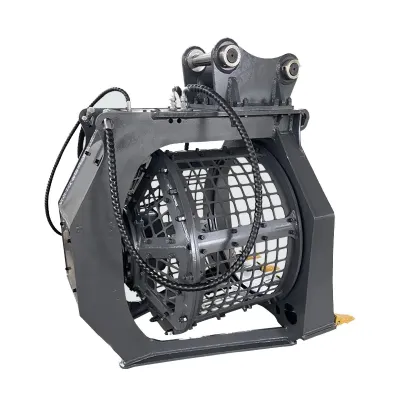
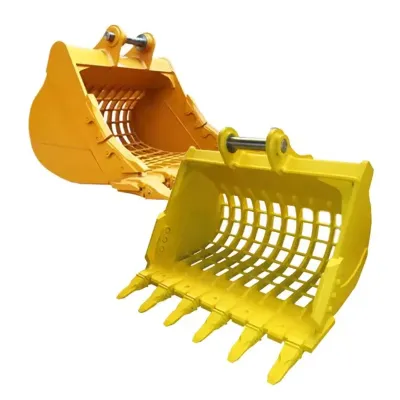
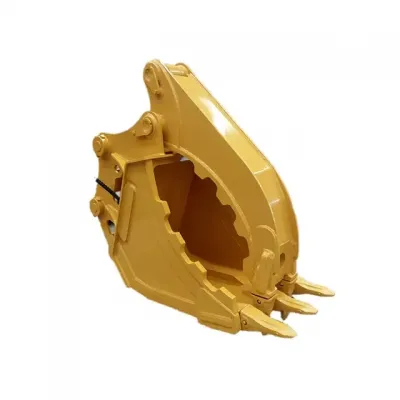
Every excavator rolls out of the yard with a general purpose digging bucket, and for a lot of contractors working in average soil, that's all they'll ever need. But when the ground turns rocky, or you're dealing with hardpan, abrasive gravel, or demolition debris, a standard bucket can wear out in weeks—sometimes days—costing you time and money in replacements and downtime. A heavy‑duty rock bucket is purpose‑built for those tough conditions, with thicker steel, harder edges, and reinforced wear zones that take the punishment. Knowing when to make the switch from a general purpose bucket to a rock bucket is key to keeping costs down and productivity up when the ground gets hard.
Construction and Material Differences
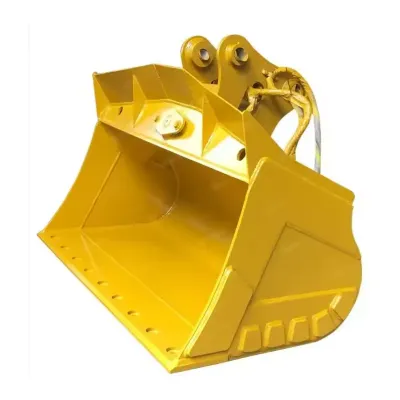
A general purpose digging bucket is usually made from standard structural steel, with plate thickness ranging from 8 to 15 mm depending on the size. It uses a moderate cutting edge and standard side plates, with the design focused on keeping weight down and cost reasonable—under the assumption that you're working in normal dirt like loam, clay, sand, or mixed soil. The cutting edge is typically medium‑hardness steel that balances sharpness with durability, and the side plates are there to hold material, not to fight abrasive wear. Standard buckets are lighter, which helps the machine maintain lift capacity and breakout force in everyday digging.
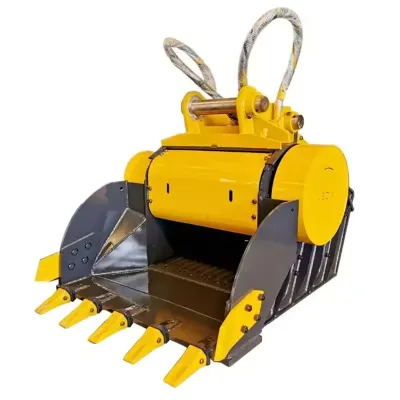
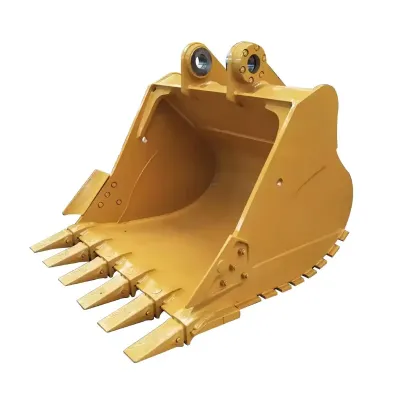
A heavy‑duty rock bucket, on the other hand, uses significantly thicker steel—typically 20 to 40 mm for the side plates and back wall—and upgrades critical wear areas to abrasion‑resistant steel in the 400‑500 Brinell hardness range. The cutting edge area is doubled up, with a hardened steel edge that resists both impact and abrasion. Wear strips are welded to the bottom and sides in the high‑contact zones to protect the shell and extend the bucket's life. Side cutter plates are made from abrasion‑resistant steel and are designed to be replaced when they wear out. The end result is a bucket that weighs a lot more than a standard one but can handle repeated impact and abrasion that would destroy a general purpose bucket in a fraction of the time.
Wear Life and Durability
The single biggest difference between a rock bucket and a general purpose bucket is how long they last in abrasive or hard material. In normal soil, a standard bucket might go thousands of hours before the cutting edge needs attention or the side plates show much wear. In rock, abrasive gravel, or demolition debris, that same standard bucket can lose its cutting edge in 50 to 200 hours, and the side plates and bottom can start wearing through in 200 to 500 hours. Once the shell wears through, repairs mean cutting out damaged steel and welding in new plate—expensive work that takes the bucket out of service.
A rock bucket in the same harsh conditions can last 5 to 10 times longer before needing significant repair. The abrasion‑resistant cutting edge holds up to rock and abrasive soil, the wear strips protect the bottom and sides, and the thicker side plates resist both wear and impact damage. Yes, the rock bucket costs more upfront, but the extended service life means fewer replacements, less downtime for repairs, and a lower total cost of ownership for contractors who work regularly in tough conditions. If you spend 30% or more of your time in rock or abrasive material, a rock bucket will typically pay for itself within the first year through reduced repair and replacement costs.
Digging Performance and Penetration
In normal soil, a general purpose bucket generally penetrates better than a rock bucket of the same size. It's lighter, and the cutting edge is sharper and thinner—so more of the machine's breakout force goes into digging rather than just lifting the bucket, and the edge slices through soil more easily. For loose to moderately compacted dirt, a standard bucket fills faster and cycles quicker, making it the more productive choice for general excavation.
A rock bucket is heavier and has a thicker, blunter cutting edge, which can hurt penetration in normal soil. The extra weight at the end of the stick cuts into the effective breakout force, and the thicker edge needs more force to get into the ground. In hard rock or compacted hardpan, though, the rock bucket actually has the edge—its reinforced construction can take the impact and force needed to break the material, where a standard bucket might bend, crack, or lose its cutting edge after a few hits. For material that takes real force to penetrate, the rock bucket is the more durable and productive choice despite its extra weight.
Cost Comparison
A general purpose bucket is a lot cheaper to buy than a heavy‑duty rock bucket for the same machine. It uses less steel, simpler construction, and less expensive materials, so the upfront cost is lower. For contractors who work mostly in normal soil, the general purpose bucket is the most cost‑effective choice, and replacing it periodically as it wears is usually cheaper than investing in a rock bucket that won't see conditions that justify its cost.
A rock bucket costs more upfront because of the thicker steel, abrasion‑resistant materials, reinforced construction, and extra wear components. But for contractors who regularly work in rock, abrasive soil, or demolition debris, the rock bucket can be the more economical choice over time because it lasts much longer and needs fewer repairs. The math should include expected bucket life in your specific conditions, the cost of repairs and downtime for a standard bucket, and the percentage of your work that involves harsh material. If you spend more than 20‑30% of your time in rock or abrasive material, the rock bucket is probably the better long‑term investment.
Weight and Lift Capacity Considerations
The extra weight of a rock bucket can affect excavator performance, especially on smaller machines. A rock bucket for a 15‑ton excavator might weigh 500‑800 kg more than a standard bucket for the same machine, which reduces available payload capacity by that much. For contractors loading trucks or lifting material at extended reach, that reduced capacity can mean fewer tons per hour and lower productivity. The extra weight also puts more stress on the boom, stick, and bucket cylinders, potentially speeding up wear on those components over time.
On larger excavators, the weight difference matters less because the machine has more lift capacity and the bucket weight is a smaller percentage of the total operating weight. A 30‑ton excavator with a rock bucket weighing 1500‑2500 kg still has plenty of payload capacity left for material. When you're picking a rock bucket, always verify that the combined weight of the bucket and the expected material load stays within your excavator's lift capacity at the reach you'll actually be working at. Running an overloaded bucket can make the machine unstable, reduce lift capacity, and potentially damage structural components.
Making the Right Choice for Your Operation
Stick with a general purpose bucket if your work is mostly in normal soil—loam, clay, sand, mixed earth—and you only hit rock or abrasive material once in a while. The standard bucket will give you better penetration, faster cycle times, and a lower purchase price, and replacing it periodically as it wears is usually cheaper than buying a rock bucket. If you occasionally need to work in rock, you can always rent a rock bucket for those specific jobs instead of buying one.
Upgrade to a heavy‑duty rock bucket if you regularly work in rock, hardpan, abrasive gravel, quarry material, or demolition debris—and your standard bucket is wearing out fast or getting damaged. The rock bucket will give you much longer service life, fewer repairs, and less downtime, ultimately lowering your total cost of ownership in tough conditions. When you're choosing a rock bucket, look for one with abrasion‑resistant steel in critical wear areas, a double‑thick cutting edge, replaceable side cutters, and wear strips on the bottom and sides. Make sure the bucket weight works with your excavator's lift capacity, and confirm that the mounting bracket matches your machine's pin dimensions and coupler type.
A lot of contractors find that owning both a general purpose bucket and a rock bucket is the ideal setup—use the standard bucket for normal soil and switch to the rock bucket when conditions call for it. TGEC heavy-duty rock buckets come in three models for 12‑ to 36‑ton excavators, with weights from 1000 to 2500 kg, built with high‑strength and abrasion‑resistant steel for maximum durability in harsh conditions.