Product Overview
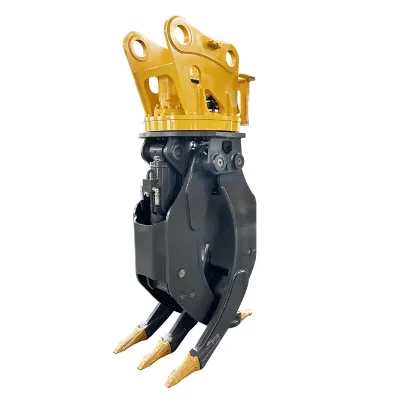
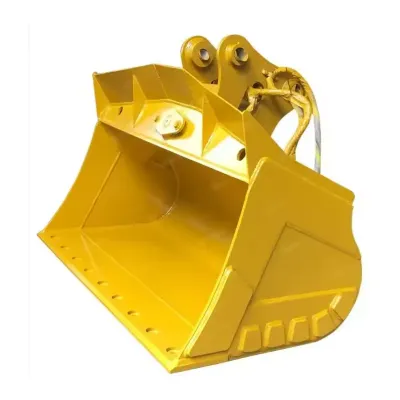
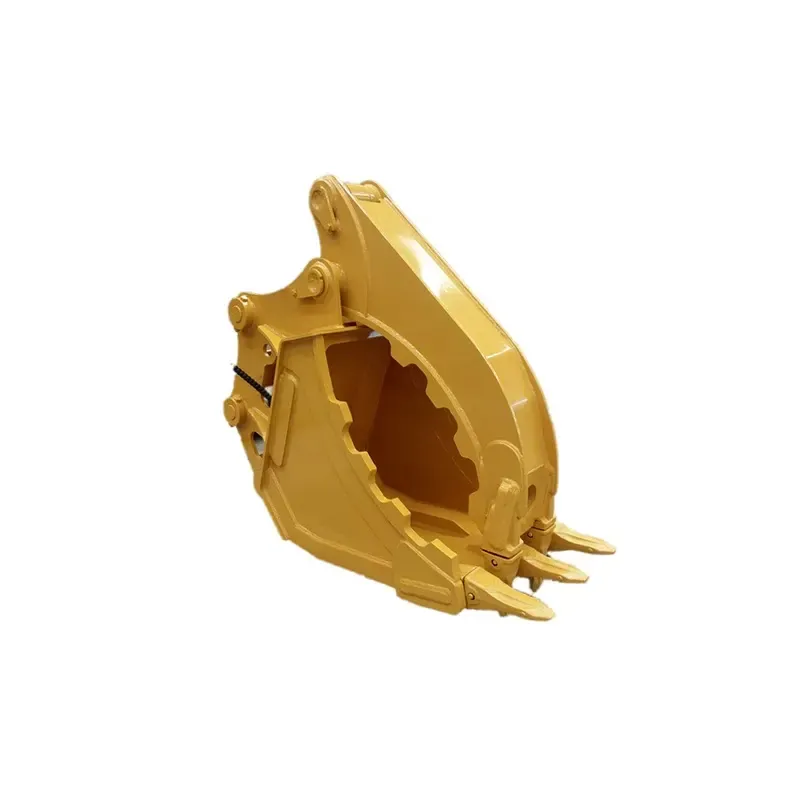
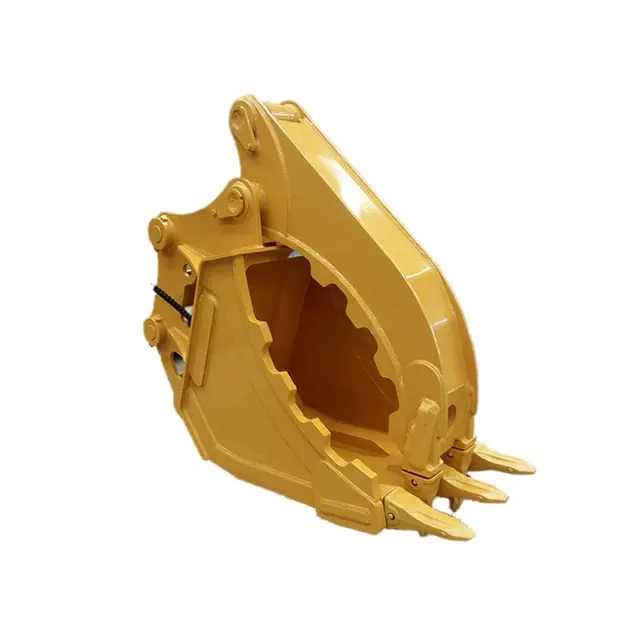
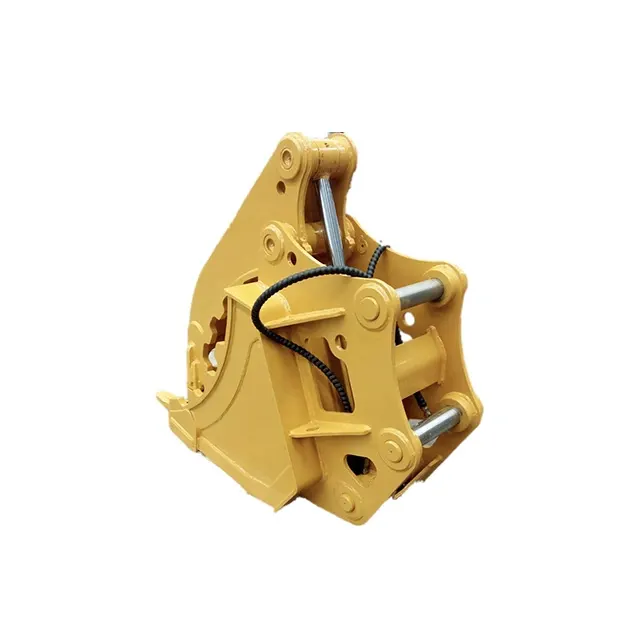
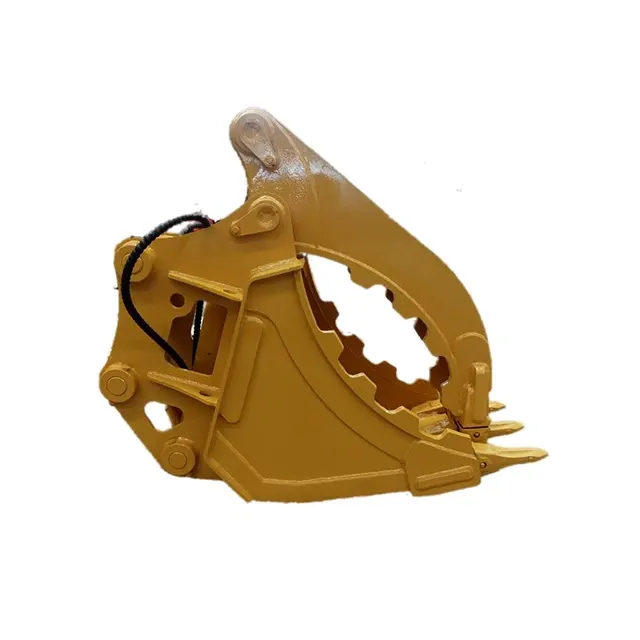
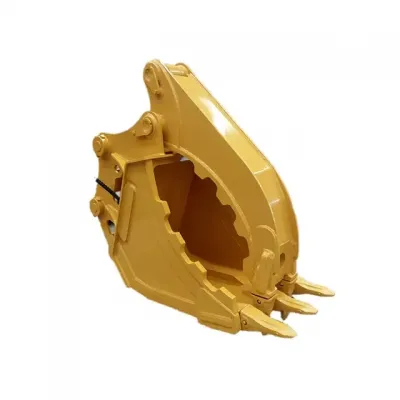
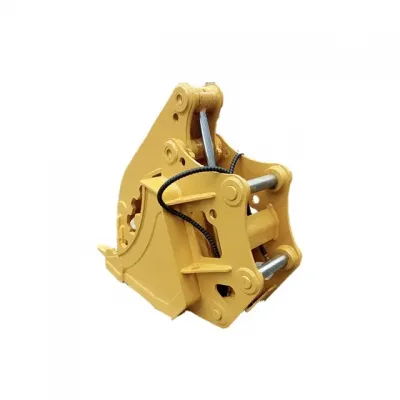
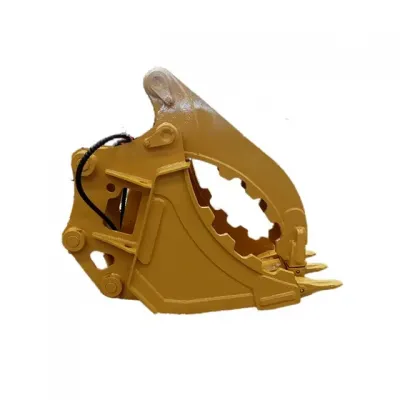
A bucket with thumb gives you the best of both worlds: a conventional excavator bucket for digging and loading, plus a hydraulically powered thumb arm mounted to the stick or linkage that lets you clamp material against the bucket. Unlike a grapple bucket, where the jaw is built right into the bucket shell, this setup uses a separate thumb that swings across the bucket opening. It's popular with contractors who need to handle irregular loads—rocks, pipes, logs, concrete chunks—without giving up the digging performance of a standard bucket. When you're not using the thumb, it folds back out of the way, so the bucket works just like it always did.
TGEC offers five models of buckets with thumb, sized for excavators from 1.5 to 25 tons, with max jaw openings ranging from 810 to 2220 mm and unit weights from 145 to 1120 kg. Each comes with a heavy-duty bucket shell—reinforced cutting edge and side plates—paired with a hydraulic thumb assembly that includes a double-acting cylinder, hardened pivot pins, and a contact edge—often serrated—for extra grip on slippery materials. The thumb is controlled through the machine's auxiliary circuit using a thumb switch or foot pedal, so you can adjust clamping force on the fly without taking your hands off the controls. In the excavator bucket family, this one sits right between a plain digging bucket and a dedicated grapple bucket, giving you a solid mix of digging and handling ability.
Hydraulic Thumb Mechanism and Control
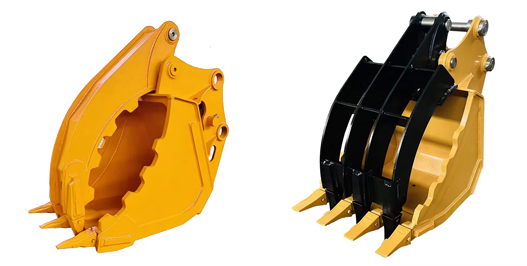
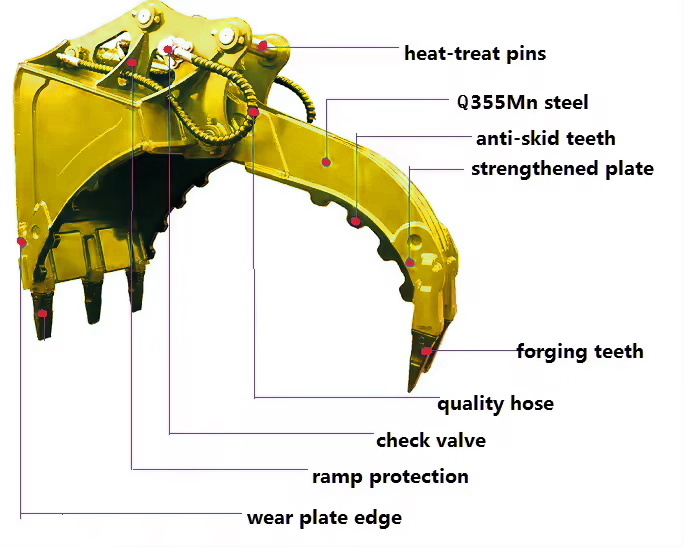
The thumb itself is a steel arm pivoted to the excavator stick or linkage, with a hydraulic cylinder that connects the arm to the stick or bucket body. When you hit the auxiliary control, pressurized oil extends or retracts the cylinder, swinging the thumb across the bucket opening. The thumb's contact edge—often serrated or, depending on configuration, fitted with replaceable wear plates—presses against whatever you've got in the bucket to hold it secure. The double-acting cylinder gives you positive force in both directions, so you can also use the thumb to push material out of the bucket if you need to. A holding valve can be specified on some configurations to keep the thumb from drifting under load, so your clamping force stays steady even during long swings or when the machine is idling.
When you're not using it, the thumb folds back against the stick, clearing the bucket opening for normal digging and loading. That means you can switch from digging mode to handling mode without ever leaving the cab or swapping attachments. The thumb pivot is positioned to deliver strong clamping force at the bucket cutting edge, where it matters most for securing awkward items like boulders, logs, and concrete rubble. The cylinder is positioned within the thumb arm and stick layout to help reduce exposure, and the hydraulic hoses are routed along the stick to help avoid pinch points or abrasion during work.
Models & Specifications
Five models cover excavators from 1.5 to 25 tons. Oil pressure and operating flow define the hydraulic requirements for each size class.
| Parameter | TG-BWTMINI | TG-BWT02 | TG-BWT04 | TG-BWT06 | TG-BWT08 |
|---|---|---|---|---|---|
| Compatible Excavator Class | 1.5–3 t (1.7–3.3 ton) | 3–5 t (3.3–5.5 ton) | 6–9 t (6.6–9.9 ton) | 10–15 t (11–16.5 ton) | 18–25 t (19.8–27.6 ton) |
| Oil Pressure | 80–120 bar (1160–1740 psi) | 110–140 bar (1600–2030 psi) | 120–160 bar (1740–2320 psi) | 150–170 bar (2180–2470 psi) | 160–180 bar (2320–2610 psi) |
| Operating Flow | 25–40 L/min (6.6–10.6 GPM) | 30–55 L/min (7.9–14.5 GPM) | 50–100 L/min (13.2–26.4 GPM) | 90–110 L/min (23.8–29.1 GPM) | 100–140 L/min (26.4–37.0 GPM) |
| Max Jaw Opening | 810 mm (31.9 in) | 1150 mm (45.3 in) | 1380 mm (54.3 in) | 1550 mm (61.0 in) | 2220 mm (87.4 in) |
| Unit Weight | 145 kg (320 lb) | 260 kg (573 lb) | 380 kg (838 lb) | 690 kg (1521 lb) | 1120 kg (2469 lb) |
Table data is for reference only. Actual specifications may vary based on the final configuration. Please contact the TianGe technical team for details.
Applications
General Construction and Site Work
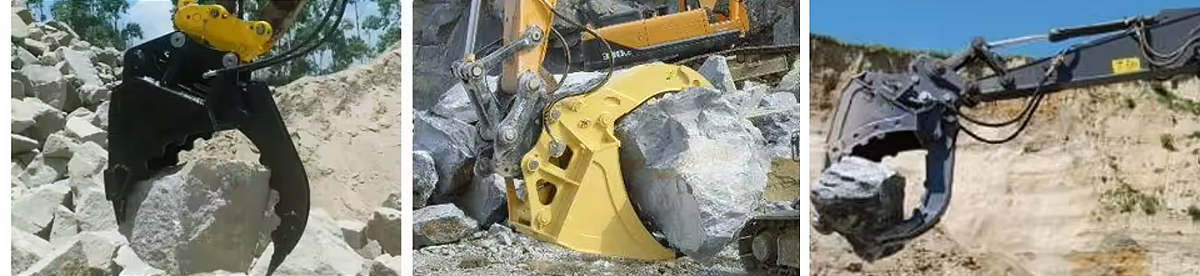
On everyday construction sites, this bucket handles everything from straightforward digging and grading to lifting and placing irregular materials. The thumb lets you pick up and set rocks, pipes, timbers, and concrete blocks with precision—often saving you from having to bring in a separate forklift or crane for smaller jobs. For cleanup, it clamps onto demolition debris and brush for fast loading into dumpsters or trucks. And since the thumb folds back, you've still got a full-function digging bucket when you need it. That makes it a versatile attachment for contractors who handle a mix of tasks on a single site.
Landscaping and Tree Work
Landscapers use buckets with thumbs for handling boulders, flagstone, large plants, and tree debris. The thumb gives you fine control when placing decorative rock or positioning big nursery stock, while the bucket handles planting holes and soil moving. For tree work, it clamps cut logs and branches for loading. The serrated edge grabs wet or slippery vegetation—like fresh-cut limbs—without letting them slide off.
Demolition and Recycling
In demolition and recycling yards, this attachment sorts and loads mixed debris—concrete chunks, wood framing, metal studs, drywall—with ease. The thumb lets you pick out specific materials from a pile for sorting, while the bucket holds the smaller stuff. For concrete recycling, you can use the thumb to position large chunks for further processing with a breaker, or sort them from mixed debris. The combination of digging, loading, and sorting makes it a real workhorse for demolition crews who need to process and separate material right on site.
Mounting and Hydraulic Setup
The bucket with thumb mounts to the excavator stick using the standard pin-on or quick-coupler interface, with the thumb pivoting on the stick or linkage depending on the configuration. The bracket has to match your machine's pin spacing, pin diameter, and linkage geometry exactly. When you order, give us the excavator make, model, operating weight, pin dimensions, and coupler type. The hydraulic cylinder hooks up to the auxiliary circuit at the stick, with hoses routed along the stick to keep them clear of the boom and linkage during operation.
Your auxiliary hydraulic circuit needs to deliver the oil pressure and flow specified for the thumb model you choose. A third-function control valve—usually a thumb switch on the joystick or a foot pedal—operates the cylinder extension and retraction. Many excavators in these size classes offer auxiliary hydraulics with a third-function valve, either factory-installed or as an available option; if yours doesn't have one, a qualified technician can install an aftermarket kit. Case drain requirements vary by machine configuration; consult the installation guide or our technical team for your specific setup. Once it's mounted, cycle the thumb through its operating range and check for smooth movement and hydraulic leaks before use.
Operation Tips
To get the most out of a bucket with thumb, match your clamping force to the material you're handling. For fragile stuff—like pipes or decorative stone—use a light touch to avoid cracking or scratching. For heavy, irregular items like boulders or concrete, apply firm pressure to keep the load secure before you lift. When you're digging, fold the thumb back against the stick so it clears the bucket opening and doesn't interfere with the cutting edge. When you're handling material, open the thumb wide before scooping, then close it gradually to clamp the load without pushing material out of the bucket.
For sorting work, use the thumb to pick out specific items from the pile while keeping the bucket relatively still—that lets you separate materials by size or type without disturbing the whole pile. When loading irregular debris, scoop from the base of the pile, then close the thumb to compress the load before lifting. That reduces the volume and lets you move more material per trip. Just don't use the thumb as a pry bar or for pushing heavy objects—that can bend the arm or damage the cylinder and pivot pins.
Request a Quote — Bucket With Thumb
Tell us your excavator make and model, operating weight, mounting or coupler type, pin spacing and pin diameter, preferred model (TG-BWTMINI through TG-BWT08), primary application (general construction / landscaping / demolition / recycling), typical material types, auxiliary hydraulic flow rate and pressure, and the quantity you need. Our team will confirm the right model and mounting bracket, verify the jaw opening and hydraulic requirements for your machine, and send you a quote based on your specs and delivery terms. Dealers and OEMs are welcome for volume orders, custom thumb configurations and private-label options.