Product Overview
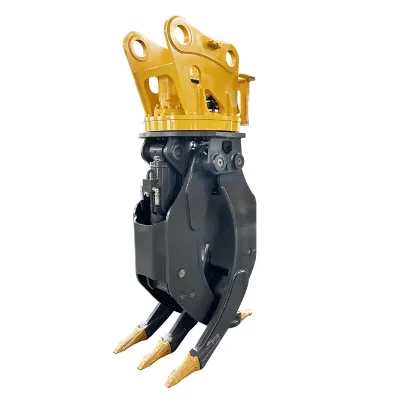
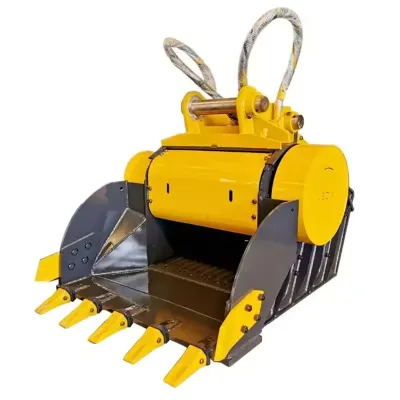
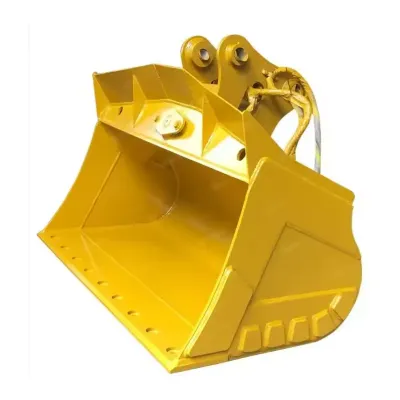
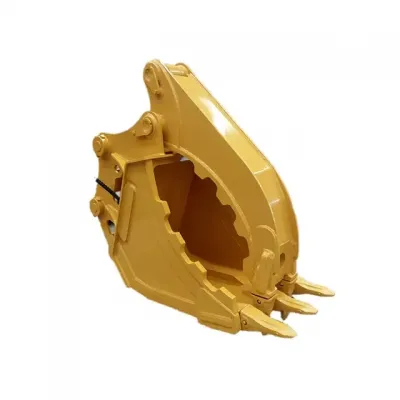
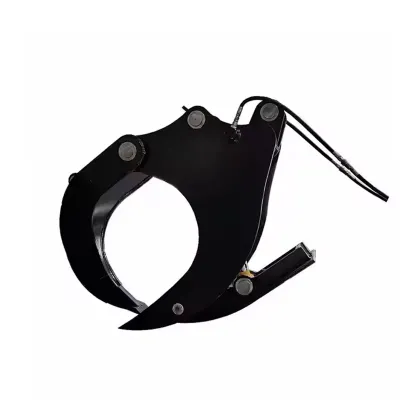
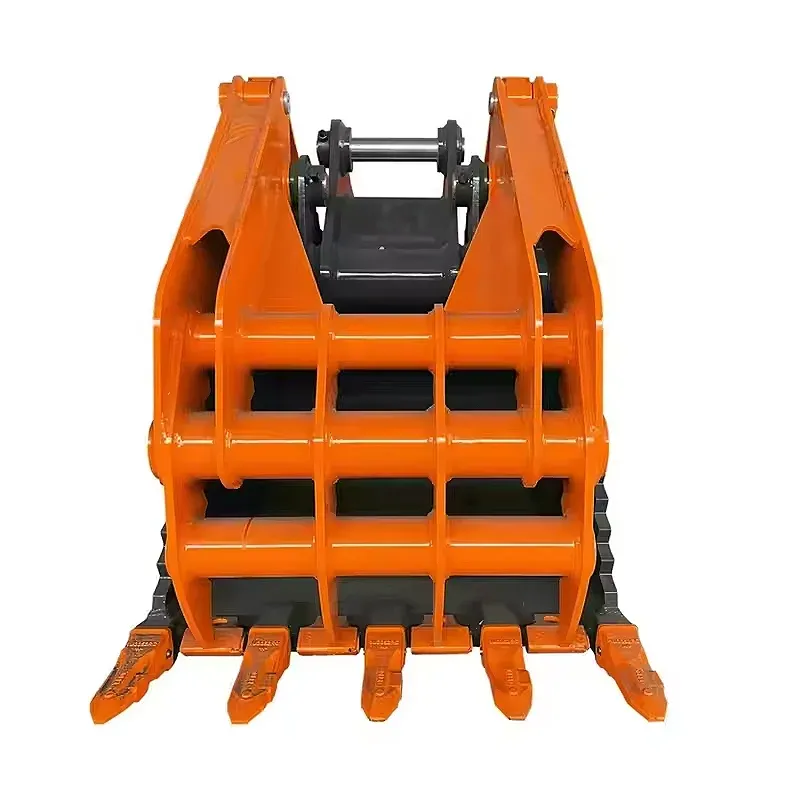
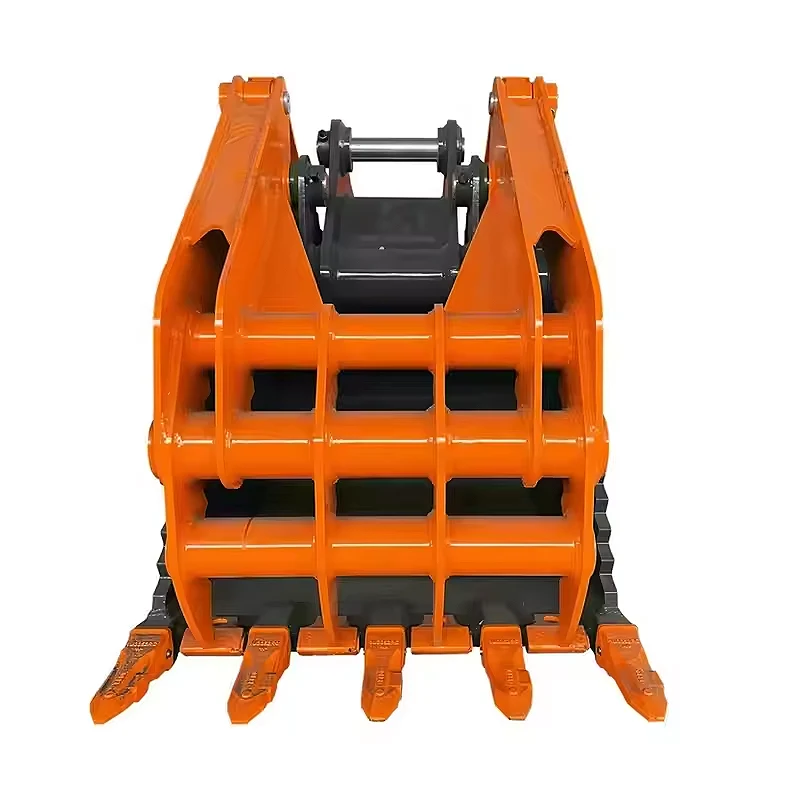
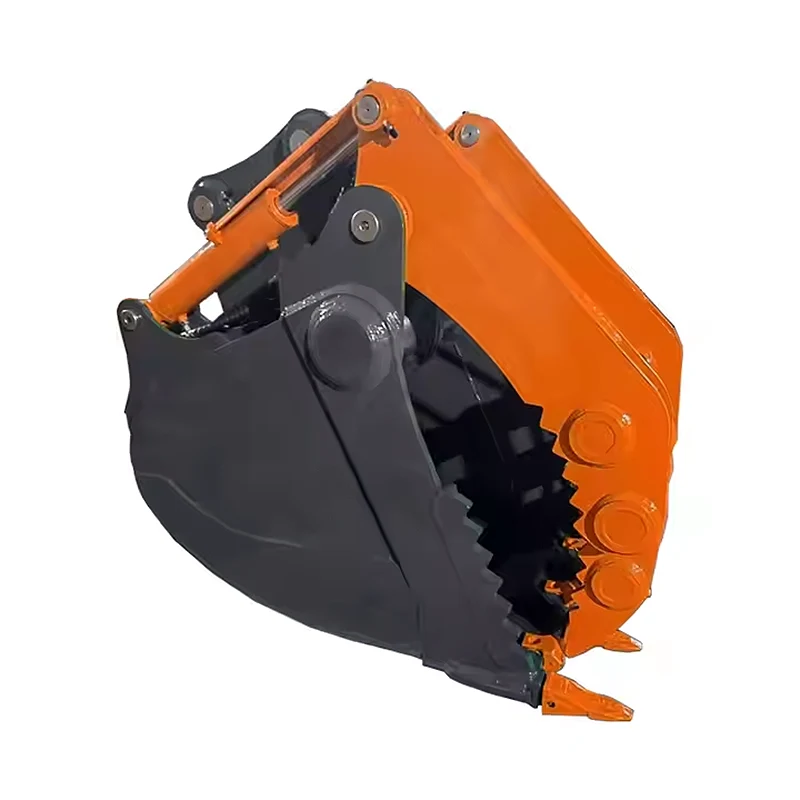
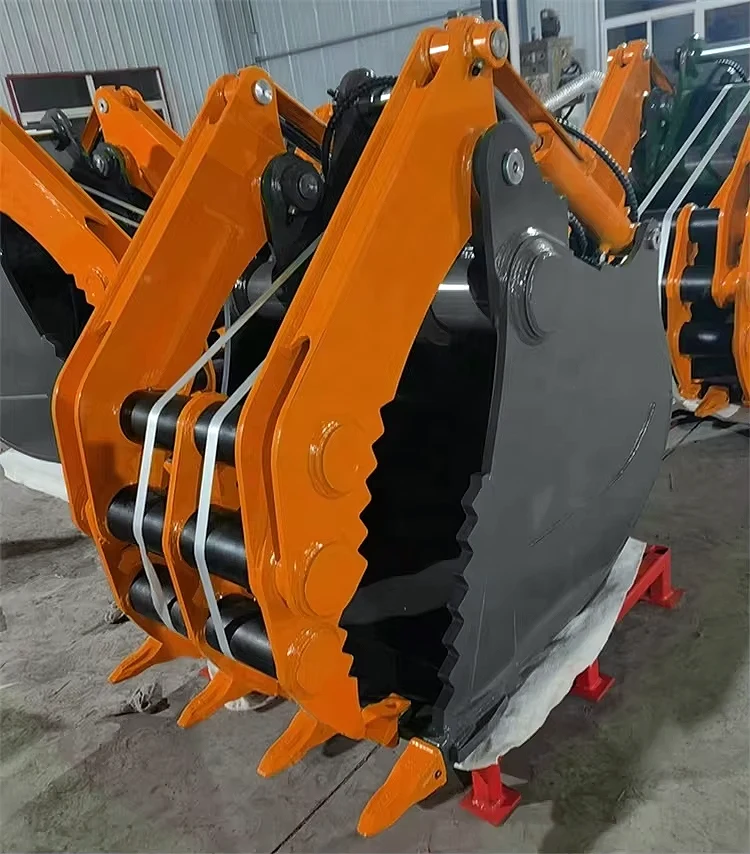
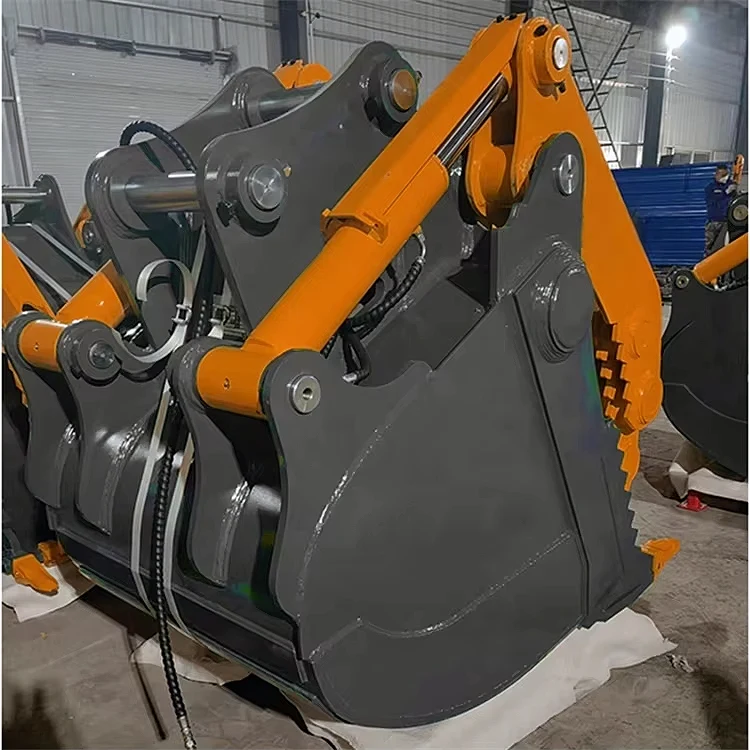
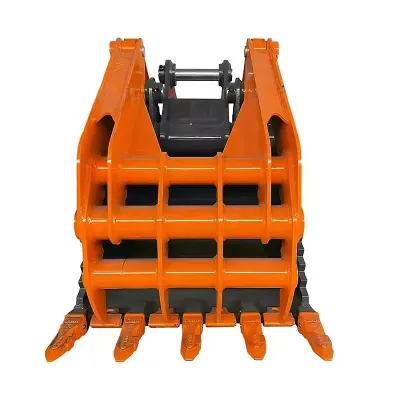
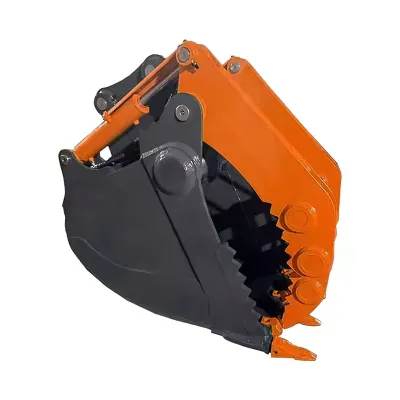
Think of a grapple bucket as two tools in one—a rugged digging bucket with a hydraulic claw mounted above it. That means you can scoop up soil or rock just like a regular bucket, then clamp down on the load with the grapple jaw to keep everything secure while you swing and dump. It saves you from having to swap between a bucket and a dedicated grapple on jobs that call for both digging and material handling. Whether you're cleaning up demolition waste, clearing overgrown lots, or sorting through recycling piles, this attachment handles the mix without missing a beat.
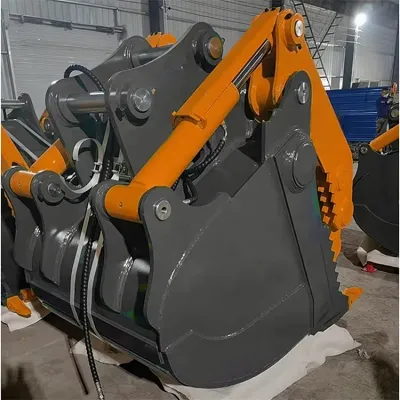
TGEC builds these with a heavy-duty bucket shell—reinforced along the cutting edge and side walls—paired with a robust grapple assembly that uses hardened pivot pins and a double-acting cylinder for solid clamping power. The jaw opens wide enough to take in bulky, odd-shaped loads and closes with enough force to crush down brush, timber, and soft debris for tighter, easier transport. Eight models give you jaw openings from 415 to 1640 mm, grapple widths from 180 to 1150 mm, and they fit bucket widths anywhere from 300 to 1500 mm. You might hear these called claw buckets or rake grapple buckets in some markets; either way, they sit right between a plain digging bucket and a bucket with thumb in the excavator bucket family.
Grapple Jaw Design and Material Handling
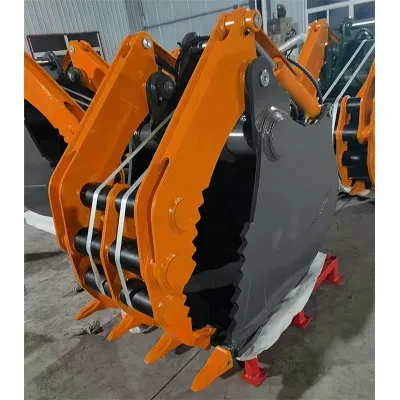
The grapple jaw is what makes this attachment so adaptable, and its design has a direct impact on what you can pick up and move. The jaw pivots on hardened steel pins at the back of the bucket shell, driven by a hydraulic cylinder mounted between the jaw and the bucket body. It's made from thick steel plate with reinforcing ribs along the top to resist bending under heavy clamping loads. The contact edge often comes with serrations or replaceable wear plates to give you extra bite on slick materials like wet wood or muddy rubble.
In practice, you open the jaw wide, drive the bucket into the pile to fill it, then close the jaw to clamp the load firmly before you lift and swing over to the dump site. That clamping action keeps awkward items—tree limbs, chunks of concrete, random demolition debris—from shifting or falling out mid-swing, which is a big safety and efficiency boost over a plain bucket. For sorting work, you can close the jaw partway to rake through mixed materials, letting smaller pieces drop while you hold onto the larger ones. You can also clamp the load and give the stick a shake to sift out fines, a trick that comes in handy for recycling and topsoil screening.
Models & Specifications
Eight models offer jaw openings from 415 to 1640 mm. The bucket width range shows which excavator bucket sizes each grapple assembly will fit.
| Parameter | TG-GB400 | TG-GB550 | TG-GB830 | TG-GB900 | TG-GB980 | TG-GB1100 | TG-GB1240 | TG-GB1640 |
|---|---|---|---|---|---|---|---|---|
| Max Jaw Opening | 415 mm (16.3 in) | 550 mm (21.7 in) | 830 mm (32.7 in) | 900 mm (35.4 in) | 980 mm (38.6 in) | 1100 mm (43.3 in) | 1240 mm (48.8 in) | 1640 mm (64.6 in) |
| Grapple Width | 180 mm (7.1 in) | 300 mm (11.8 in) | 450 mm (17.7 in) | 500 mm (19.7 in) | 600 mm (23.6 in) | 700 mm (27.6 in) | 900 mm (35.4 in) | 1150 mm (45.3 in) |
| Compatible Bucket Width Range | 300 mm (200–450) | 400 mm (350–500) | 600 mm (500–700) | 650 mm (550–750) | 750 mm (630–850) | 900 mm (750–1000) | 1050 mm (950–1200) | 1300 mm (1200–1500) |
Table data is for reference only. Actual specifications may vary based on the final configuration. Please contact the TianGe technical team for details.
Applications by Material Type
Demolition and Construction Debris
On demolition sites, this bucket shines when you're dealing with a jumble of concrete, wood, roofing, drywall, and metal studs. The grapple jaw locks onto the load so nothing slips out while you're carrying it to the dumpster or debris pile, and the bucket shell catches all the smaller bits. Since you can dig and load with the same attachment, you spend less time switching tools when you're moving between breaking concrete, scooping rubble, and cleaning up the site.
Land Clearing and Brush Removal
For clearing land, the grapple bucket is a natural fit for handling limbs, brush, stumps, and root balls. The wide jaw swallows bulky bunches of brush, and the clamping force squeezes everything together so you can haul more per trip to the burn pile or chipper. The bucket itself can dig out stumps and roots, then the grapple grabs them for removal. That combination makes quick work of lot clearing, right-of-way maintenance, and utility corridor vegetation control.
Recycling and Material Sorting
In recycling yards, these buckets are great for picking through mixed piles—you can clamp onto specific pieces and lift them out while letting finer material drop back down. Use the partial-close technique to hold larger items while giving the stick a shake to sift out the fines, a method that works well for topsoil processing, compost screening, and sorting construction debris. It gives you control over what stays and what goes, without needing a separate sorting attachment.
Hydraulic Requirements and Mounting
To run the grapple cylinder, you'll need a double-acting auxiliary hydraulic circuit on your excavator. Most machines in this size range come with auxiliary hydraulics from the factory, but you'll want to check that the flow and pressure are up to the job—enough to give you solid clamping force and decent opening speed. A case drain line usually isn't necessary, since the cylinder is fairly small and the system pressure is handled by the machine's relief valve. For compact models, aim for at least 30 L/min of continuous flow; mid-size and larger units will want 50 L/min or more.
Mounting is the same pin-on or quick-coupler setup you're used to with a standard bucket. The bracket has to match your excavator's pin spacing, pin diameter, and linkage geometry exactly. When you order, just give us your excavator make, model, operating weight, pin dimensions, and coupler type. The hydraulic hoses connect to the auxiliary circuit at the stick, with routings that keep them clear of the boom and stick during operation. Installation is straightforward: mount the bucket, hook up the hoses, and cycle the grapple a few times to bleed any air out of the cylinder before you start working.
Operation Tips for Efficient Handling
To get the most out of a grapple bucket, match your jaw opening to the size of the material you're handling. For big, awkward items like tree trunks or concrete chunks, open the jaw all the way to take in the full load, then clamp down snugly. For finer stuff like soil or gravel, you can leave the jaw partially open or just use it as a light clamp to keep spillage down during long swings. Just be mindful not to overload the bucket beyond your machine's lift capacity—the grapple adds extra weight out at the end of the stick, so your effective lift capacity will be a bit less than with a standard bucket.
When you're sorting mixed material, use the grapple to grab specific pieces and lift them out while letting smaller stuff fall back. The partial-close-and-shake method works great for separating soil from rocks or debris: close the jaw just enough to hold the bigger pieces, then give the stick a good shake to let the fines sift out through the bucket. For demolition debris, scoop from the bottom of the pile, then close the grapple to compress the load before you lift—that reduces the volume and lets you move more material per cycle.
Request a Quote — Grapple Bucket
Tell us your excavator make and model, operating weight, mounting or coupler type, pin spacing and pin diameter, preferred model (TG-GB400 through TG-GB1640), compatible bucket width, primary application (demolition / land clearing / recycling / general construction), typical material types, auxiliary hydraulic flow rate, and the quantity you need. Our team will confirm the right model and mounting bracket, verify the grapple width and jaw opening for your material, and send you a quote based on your specs and delivery terms. Dealers and OEMs are welcome for volume orders, custom jaw configurations and private-label options.