Picking the right bucket size for your excavator is about more than just grabbing the widest one that'll pin on. Go too big, and you'll lose breakout force, make the machine feel tippy, and put extra stress on the boom and stick. Go too small, and you're leaving productivity on the table—more passes to move the same amount of dirt. This size chart gives you a solid starting point for matching bucket width, capacity, and weight to common excavator classes, along with the real-world factors that should guide your final decision.
Why Bucket Size Matters
Every excavator has a rated lift capacity and breakout force that set the limits for what it can safely handle at the bucket. The bucket itself adds weight out at the end of the stick, and the material you're loading adds even more. If that combined weight pushes past the machine's rated capacity, you'll notice the excavator feels unstable, the hydraulics strain harder, and the boom, stick, pins, and bushings take a beating over time. Running an oversized bucket day in and day out is a fast track to premature wear and expensive repairs.
On the flip side, a bucket that's too small means you're making extra cycles to move the same volume. Every cycle—dig, swing, dump, return—takes time, so even a modest bump in per-cycle capacity can really add up over a shift. The sweet spot is the biggest bucket your machine can safely and efficiently handle in the material you're actually digging, without exceeding lift capacity or sacrificing breakout force.
Excavator Bucket Size Reference Chart
This chart gives you general sizing guidelines for standard digging buckets across typical excavator classes. Keep in mind that actual sizes vary by manufacturer, bucket style, and material density. Always double-check your machine's manual and lift chart before making a final decision.
| Excavator Class | Typical Bucket Width | Typical Bucket Capacity | Approx. Bucket Weight | Common Applications |
|---|---|---|---|---|
| 1–2.5 t (1.1–2.8 ton) | 300–600 mm (12–24 in) | 0.02–0.08 m³ (0.03–0.10 yd³) | 25–80 kg (55–176 lb) | Residential landscaping, utility work, indoor demolition |
| 3–5 t (3.3–5.5 ton) | 450–900 mm (18–36 in) | 0.08–0.20 m³ (0.10–0.26 yd³) | 70–180 kg (154–397 lb) | Small site development, plumbing trenches, backyard work |
| 6–9 t (6.6–9.9 ton) | 600–1200 mm (24–47 in) | 0.15–0.40 m³ (0.20–0.52 yd³) | 150–350 kg (331–772 lb) | Utility trenches, foundation digging, small commercial sites |
| 10–15 t (11–16.5 ton) | 750–1500 mm (30–59 in) | 0.30–0.70 m³ (0.39–0.92 yd³) | 300–600 kg (661–1323 lb) | General construction, road work, medium excavation |
| 16–22 t (17.6–24.3 ton) | 900–1800 mm (35–71 in) | 0.50–1.10 m³ (0.65–1.44 yd³) | 500–900 kg (1102–1984 lb) | Commercial construction, large trenches, site prep |
| 23–30 t (25.3–33 ton) | 1000–2100 mm (39–83 in) | 0.80–1.50 m³ (1.05–1.96 yd³) | 800–1400 kg (1764–3086 lb) | Heavy excavation, large foundations, quarry work |
| 31–40 t (34.1–44 ton) | 1200–2400 mm (47–94 in) | 1.10–2.00 m³ (1.44–2.62 yd³) | 1200–2000 kg (2646–4409 lb) | Major construction, mining, large-scale earthworks |
These are general guidelines for standard digging buckets in average soil. Actual sizes vary by manufacturer, bucket type, and material density. Always check your excavator operator manual and lift chart before buying.
Factors That Affect Bucket Size Selection
Material Density
The density of the material you're working with is probably the biggest factor in bucket sizing. Light, loose stuff like topsoil or mulch weighs less per cubic meter, so you can run a bigger bucket without overloading the machine. Heavy, dense material—wet clay, rock, or concrete rubble—weighs a lot more, so you need a smaller bucket to keep the load within safe limits. A bucket that works great in topsoil can be dangerously overloaded when you switch to wet clay or broken concrete.
Here's a quick reference for common material weights: topsoil runs about 1200 to 1500 kg per cubic meter, sand is around 1500 to 1700 kg, gravel is 1600 to 1900 kg, wet clay hits 1700 to 2000 kg, and broken rock can be 1800 to 2200 kg. When you're sizing a bucket, figure out the expected load weight by multiplying the bucket capacity by the material density, then add the bucket weight and compare that total to your excavator's lift capacity at the reach you'll be working at.
Excavator Lift Capacity
Your excavator has a lift chart that tells you the maximum weight it can safely handle at various boom and stick positions. That capacity is highest when the load is close to the machine and drops off as you reach out or raise the boom. When you're digging and loading, you're usually working at a reach where the lift capacity is significantly less than the machine's maximum rating. So don't just look at the best-case number—check the lift capacity at the actual reach you'll be using most of the time.
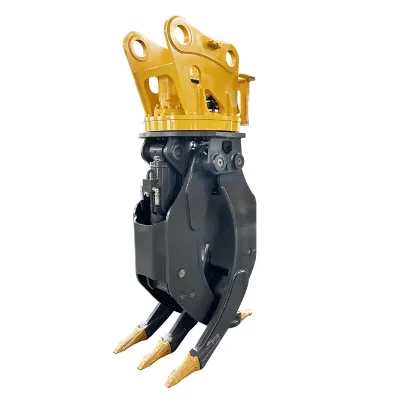
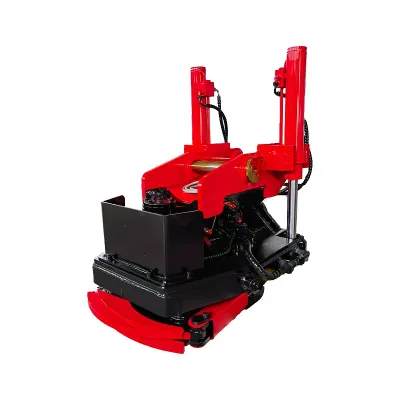
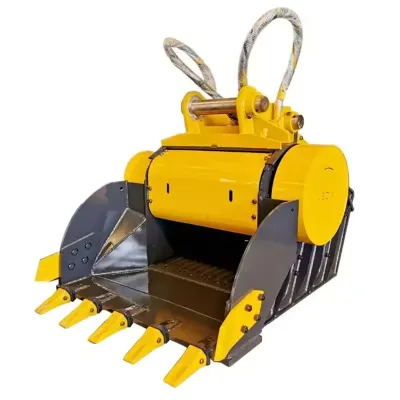
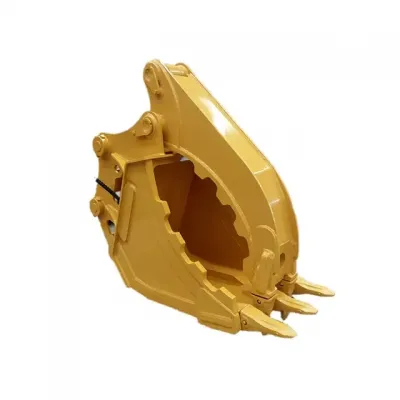
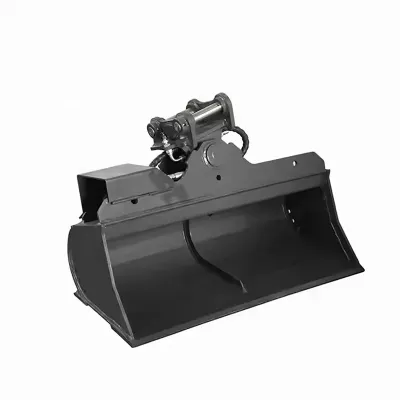
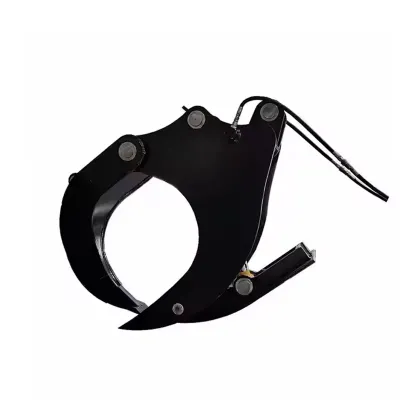
Don't forget that the bucket itself counts toward the total load. A heavy-duty rock bucket or a wide ditch cleaning bucket can weigh several hundred kilos more than a standard bucket of the same width, which eats into your available capacity for material. If you switch between bucket types, recalculate the total load to account for the different weights. And for powered attachments like tilt buckets, grapple buckets, and crusher buckets, the extra weight of the hydraulic components reduces your effective material capacity even further.
Breakout Force
Breakout force comes from the bucket curl cylinder, and it's what lets the bucket bite into and penetrate the material. A bucket that's too big puts more load on that cylinder and reduces the effective force at the cutting edge, making it tougher to dig in compacted or hard ground. Even if your lift capacity is fine, an oversized bucket might just not penetrate well, which slows down your cycles and cancels out any productivity gain from the larger size.
Breakout force also depends on bucket geometry—width, depth, cutting edge angle. A wider bucket spreads the force over a longer cutting edge, reducing the pressure per unit length and making penetration harder. For hard or compacted material, a narrower bucket with more force per inch of cutting edge will dig better than a wider one, even if the wider bucket has more theoretical capacity.
Application and Cycle Type
What you're actually doing with the excavator also affects the ideal bucket size. For trenching, the bucket width is usually dictated by the trench width you need for the pipe or utility, not by maximum capacity. For loading trucks, a bigger bucket means fewer cycles per truck, but you also need to match the truck bed width to avoid spillage. For precision grading and finish work, a wider bucket covers more ground per pass, but it has to be light enough that you can maintain fine control.
For stockpile work and general material handling, the bucket size should match the typical load volume and the height you need to lift it. For deep excavation where you're reaching way down, a narrower bucket might be needed to keep the load manageable at extended reach. Always think about the full cycle—not just the digging part—when you're picking a bucket size.
Specialty Bucket Sizing Considerations
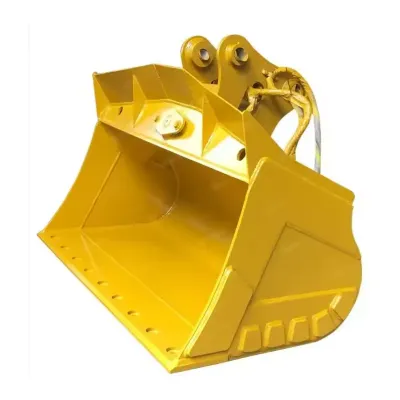
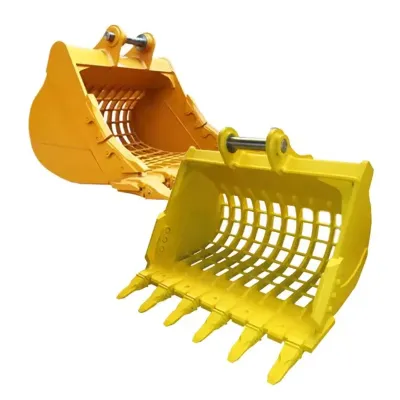
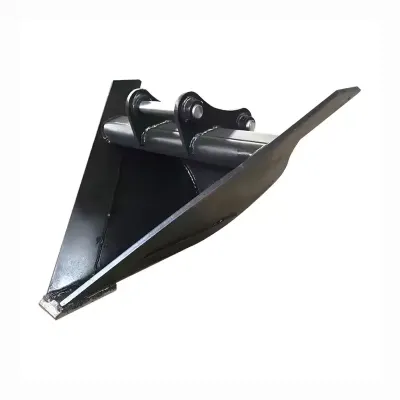
Specialty buckets have their own sizing rules compared to standard digging buckets. Ditch cleaning buckets are typically much wider for the same machine class—often 1.5 to 2 times the width—because they're built for grading and spreading, not deep digging. Their shallow profile means they carry less material per load despite the extra width, so the total weight stays manageable.
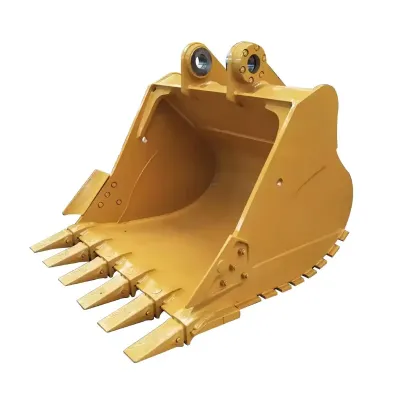
Heavy-duty rock buckets are made from thicker steel and weigh significantly more than standard buckets, so even if the dimensions are similar, the effective material capacity is lower. For rock work, the bucket size is often limited by the machine's ability to generate enough breakout force to penetrate, rather than just lift capacity.
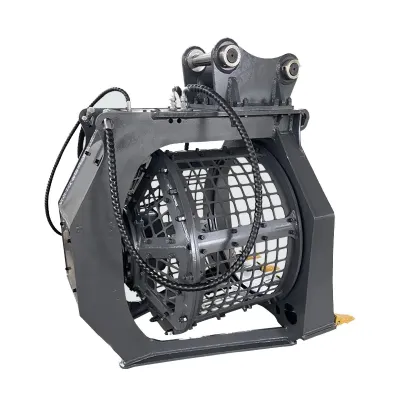
Powered attachments like tilt buckets, grapple buckets, rotary screening buckets, and crusher buckets have hydraulic motors, cylinders, and other components that add a lot of weight. Their hydraulic flow and pressure requirements also tie them to specific machine classes. Always check both the weight and the hydraulic specs when you're looking at a powered attachment.
Practical Selection Steps
Here's a step-by-step way to pick the right bucket size for your excavator and job. First, figure out what material you'll be digging most of the time and estimate its density. Second, pull up your excavator's lift chart at the reach you'll actually be working at to find the maximum safe load weight. Third, subtract the bucket weight from that max load to see how much material capacity you have left. Fourth, divide that available capacity by the material density to get the maximum bucket volume you can run. Fifth, pick a bucket with a capacity at or below that number, and make sure the width works for your application. Finally, confirm that the mounting bracket matches your pin dimensions and that any hydraulic needs are covered.
If you're not sure, err on the smaller side. A bucket that's a little undersized might slow you down, but it's safe to run. An oversized bucket can make the machine unstable, cause structural damage, and create hazardous conditions. If you work in different materials regularly, consider keeping two bucket sizes—one for light stuff and one for heavy—and swap as needed. TGEC offers excavator buckets in a wide range of sizes and configurations, with custom brackets available for specific excavator models.