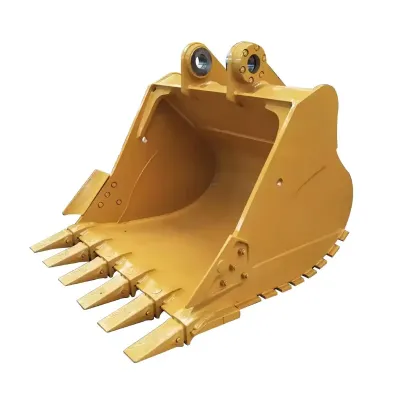
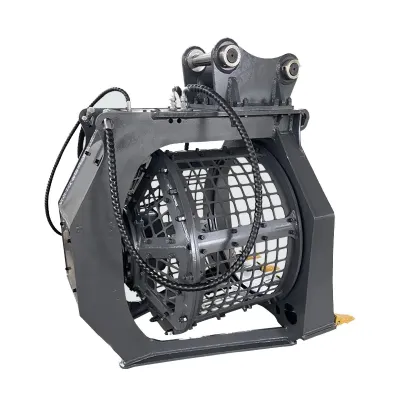
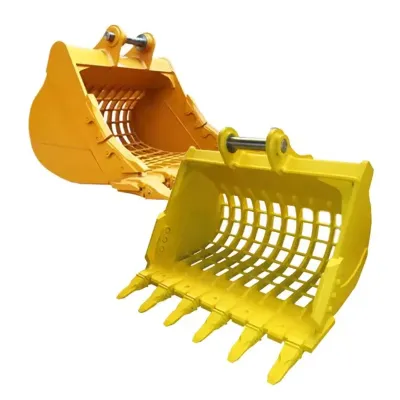
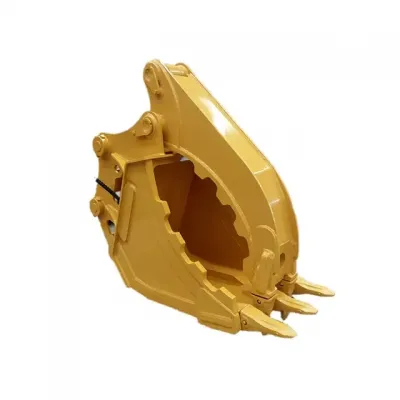
Bucket teeth are the sacrificial cutting edge of any excavator bucket, and picking the right style can make a real difference in digging performance, how long they last, and your overall operating costs. A tooth that tears through topsoil with ease will wear down to a nub in no time in abrasive sand, and a tooth built for hard rock will be too blunt to bite into loose dirt efficiently. This guide breaks down the main types of excavator bucket teeth, what they look like, and where each one works best.
How Bucket Teeth Work
Teeth bolt or pin onto the cutting edge of the bucket and are the first thing to hit the material you're digging. They concentrate the machine's breakout force into a much smaller area, letting the edge penetrate where a flat blade would just skate across the surface. They also take the wear instead of the bucket body itself—teeth are designed to be swapped out when they get worn, while the bucket is a much bigger and more expensive part to replace or repair.
Most excavator teeth use a two-piece setup: a tooth adapter welded to the bucket, and a replaceable tooth point that locks onto the adapter with a pin or flex pin. That means you can swap out worn points in the field with basic hand tools, keeping downtime to a minimum. The adapter stays on the bucket and typically lasts through several sets of points, though eventually it'll wear too and need replacing. Some older or smaller machines use a one-piece design where the tooth and adapter are cast together, but those require welding to replace and aren't as common these days.
The shape, size, and material of the tooth point are what determine how it performs. A long, sharp point penetrates well but wears fast and can snap in hard rock. A short, stout tooth is tough and lasts longer but won't dig into compacted ground as easily. Steel with high hardness resists abrasion and lasts longer in sand and gravel, but it can be brittle and prone to breaking under impact. The right tooth is all about balancing penetration, durability, and wear life against the material you're actually working in.
Standard Digging Teeth
Standard digging teeth—also called general purpose or earth teeth—are the most common style you'll see on excavator buckets. They're a middle-of-the-road design: moderate length, a chisel or slightly pointed tip, and tough enough to handle normal soil without breaking the bank. They're the default choice for most new buckets and work well in loam, clay, sand, and mixed soil conditions.
This shape is a compromise. The tip is sharp enough to bite into moderately compacted dirt, but not so long and skinny that it breaks easily or wears down too fast. The body is thick enough to give it some structural strength and provide a reasonable amount of wear material before it needs replacing. Standard teeth are usually made from medium‑carbon alloy steel with a hardness around 300 to 400 Brinell—tough enough for everyday work, but not so hard that they're brittle.
For contractors doing general excavation—foundations, trenching in normal soil, loading topsoil, site prep—standard digging teeth are the most cost‑effective choice. They give you decent penetration and wear life at a price that won't eat into your margins, and they're readily available for just about any adapter system out there. If your work stays in normal dirt, they'll get the job done without the extra cost of specialty teeth.
Rock Chisel Teeth
Rock chisel teeth, also called rock teeth or heavy‑duty teeth, are built for the tough stuff—rock, hardpan, concrete, and other abrasive or impact‑heavy materials. They're shorter and thicker than standard teeth, with a wide chisel tip that spreads impact force over a broader area to keep the tooth from snapping under heavy blows. That shorter length also reduces leverage, so they're less likely to bend or break when you're prying against a rock face.
These teeth are made from harder steel than standard teeth, typically 400 to 500 Brinell or higher, which gives them much better resistance to abrasive wear from rock, sand, and gritty soil. That hardness does make them more brittle, so the design compensates with a thicker, beefier shape that can take a hit without fracturing. The wide chisel tip penetrates well in fractured rock and hardpan, though it won't bite into compacted clay as easily as a longer, sharper tooth.
If you're working in a quarry, doing rock excavation, handling demolition debris, or regularly digging in material that eats standard teeth for breakfast, rock chisel teeth are the way to go. They're also a solid choice for mixed conditions where you hit rock sometimes but still dig in soil, since they give you much better durability than standard teeth while still offering decent penetration. If you're swapping out standard teeth all the time because they're breaking or wearing down too fast, switching to rock chisel teeth can cut down your replacement frequency and lower your per‑hour costs.
Penetration Teeth
Penetration teeth—sometimes called sharp teeth or long‑tip teeth—are all about getting into compacted or hard‑to‑dig material. They're longer and narrower than standard teeth, with a sharper point that concentrates the machine's breakout force onto a tiny area, letting you punch through tough stuff with less effort. That long tip also helps you find and work into cracks in rock or hardpan, which can make a big difference when you're trying to break material loose.
These teeth are especially useful in compacted clay, hardpan, frozen ground, and other dense, cohesive soils where standard teeth just skate across the surface. They also work well in rocky material where you need to get into the cracks to break it apart. But that long, skinny shape has a downside—they're more likely to break in hard rock or if you use them for prying, and because there's less wear material, they wear down faster in abrasive conditions like sand or gravel.
Penetration teeth are a specialty tool for specific situations where penetration is the main challenge. If you're regularly digging in compacted or hard material and standard teeth aren't cutting it—literally—penetration teeth can improve your cycle times and digging efficiency. But if you also work in abrasive rock or sandy soil, you'll be replacing them more often, which drives up costs. Some guys run a mix on the same bucket: penetration teeth in the center for digging, and rock teeth on the outside corners for durability where the bucket sees the most wear.
Abrasion Resistant Teeth
Abrasion resistant teeth—also called abrasive teeth or sand teeth—are built to last in highly abrasive materials like sand, gravel, crushed rock, and slag. They're shorter and wider than standard teeth, with a blunt, broad tip that gives you a lot of wear material. The shape prioritizes wear resistance over penetration, because in loose abrasive materials, penetration usually isn't the problem—wear is.
These are made from the hardest steel used in bucket teeth, often 450 to 550 Brinell or higher, and some designs add tungsten carbide inserts or other ultra‑hard materials at the tip for extreme abrasion resistance. That hardness lets them stand up to the constant scraping and grinding of abrasive particles, and they'll last significantly longer than standard teeth in those conditions. But the trade‑off is that very hard steel is brittle, so abrasion resistant teeth are built thick and sturdy to resist impact, and they're not recommended for hard rock or prying work where impact forces are high.
If you're working in sand, gravel, crushed stone, slag, or any other highly abrasive material, abrasion resistant teeth are the best choice. They're the go‑to for sand and gravel pits, quarry loading, steel mill slag handling, and any job where standard teeth just disappear from wear. If you're replacing standard teeth frequently because they're wearing down, not breaking, and your material is abrasive rather than hard, switching to abrasion resistant teeth can make a big difference in your tooth replacement frequency and overall operating cost.
Wide or Flared Teeth
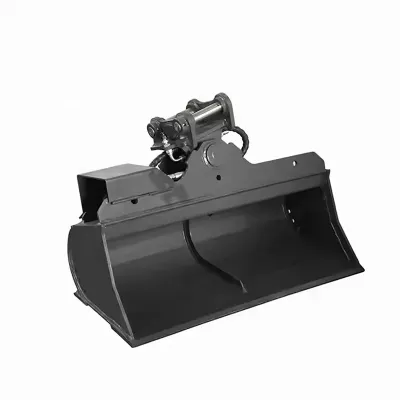
Wide or flared teeth—also called ditching or cleanup teeth—have a broader tip than standard teeth, giving you a wider cutting edge for grading, ditching, and cleanup work. The wider tip spreads the cutting force over a larger area, which gives you a smoother cut and reduces the tendency for individual tooth points to dig in and leave marks during grading. You'll often see these on ditch cleaning buckets, grading buckets, and tilt buckets where a smooth, even finish is the goal.
That wider tip also gives you more wear material, so these teeth last longer in abrasive conditions than a standard tooth of the same base size. But the trade‑off is that they don't penetrate compacted material as well, so they're not a good choice for general digging in hard or dense soil. They're best for finishing work, ditch maintenance, and spreading material where the dirt is relatively loose and penetration isn't the main concern.
Some designs are flared—wider at the tip than at the base—which gives you an even broader cutting edge while still using a standard adapter connection. Those are especially handy on grading and cleanup buckets where you want the widest possible cutting edge without changing the bucket width. On a grading bucket, wide teeth can help you get a smoother, more even finish by reducing the marks left by individual tooth points on the finished surface.
Tooth Adapter Systems
One thing to keep in mind: bucket teeth aren't interchangeable between different adapter systems. Each system—Caterpillar K‑series, Komatsu, Esco, Hensley, and a bunch of others—has its own unique adapter shape and tooth connection, and they don't mix. When you replace teeth, you have to get the ones that match your adapter system, even if the tooth shape looks similar. Using the wrong tooth will give you a poor fit, wear out the adapter faster, and can even cause the tooth to come loose while you're working.
If you're getting a new bucket or building one from scratch, you get to choose the adapter system based on tooth availability, cost, and performance. Some systems have a wider range of tooth types and are easier to find, while others might offer better performance or longer life in certain conditions. Talk to your bucket manufacturer or tooth supplier about which system makes the most sense for your work and what's available locally.
When you're swapping teeth, take a look at the adapters too. Worn adapters make the teeth fit loose, which accelerates wear on both the adapter and the tooth, and can even let the tooth come off while you're digging. If the adapter is worn to the point where the tooth doesn't fit snugly, it's time to replace or rebuild it—usually a job for a qualified welder. Regular inspection and maintenance of your adapters can extend the life of both the adapters and the teeth, saving you money in the long run.
Selecting the Right Tooth for Your Application
Start by figuring out what material you're digging most of the time. If it's normal soil, loam, or clay, standard digging teeth give you the best mix of penetration and wear life at a reasonable cost. If you're in rock, hardpan, or demolition debris, rock chisel teeth offer better durability and impact resistance. If penetration is your biggest headache in compacted or hard material, penetration teeth can make a noticeable difference. If you're dealing with highly abrasive sand, gravel, or slag, abrasion resistant teeth will give you the longest wear life. And if you're doing grading, ditching, or cleanup, wide or flared teeth give you a smoother finish and more wear volume.
Think about the mix of conditions you run into. If you work in a variety of materials, you might have to compromise on a tooth type that works well enough across the board, or you can run a combination of tooth types on the same bucket to balance penetration and durability. Some guys keep multiple sets of teeth and swap them out depending on the job, but that takes time and effort. For most general contractors, a standard digging tooth or a rock chisel tooth is the best all‑around choice for mixed conditions.
And don't forget to factor in replacement cost. Specialty teeth like abrasion resistant or carbide‑tipped options cost more upfront, but they can last a lot longer in the right conditions, which brings down your cost per hour. Do the math on expected tooth life and replacement cost for each type based on your material, and go with the one that gives you the lowest total cost while still doing the job. TGEC excavator buckets come with a variety of tooth adapter systems and tooth types to match your specific application and material conditions.