Product Overview
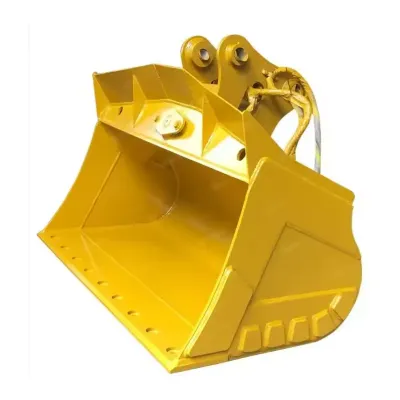
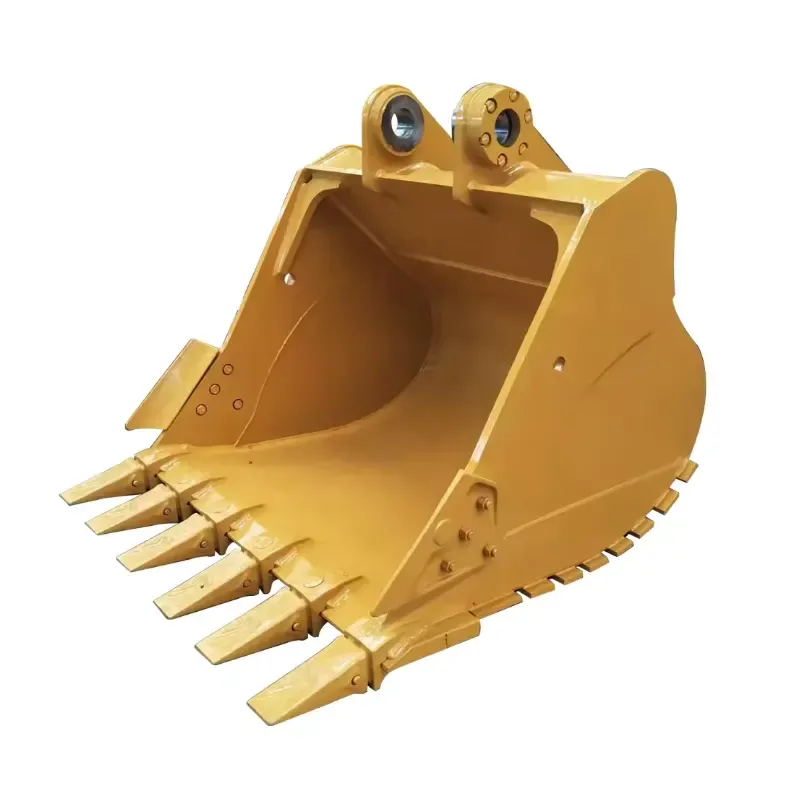
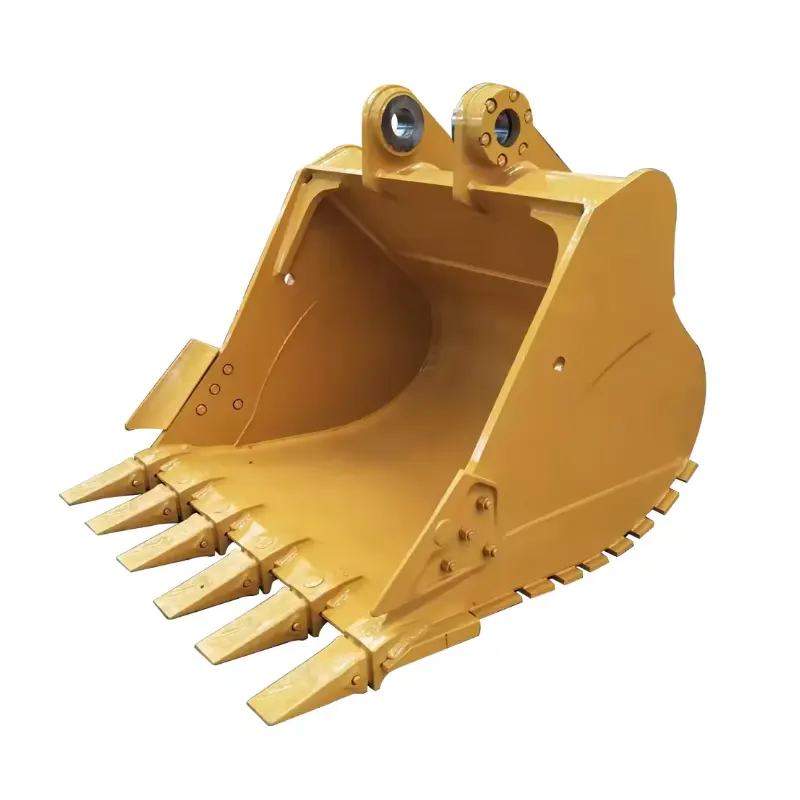
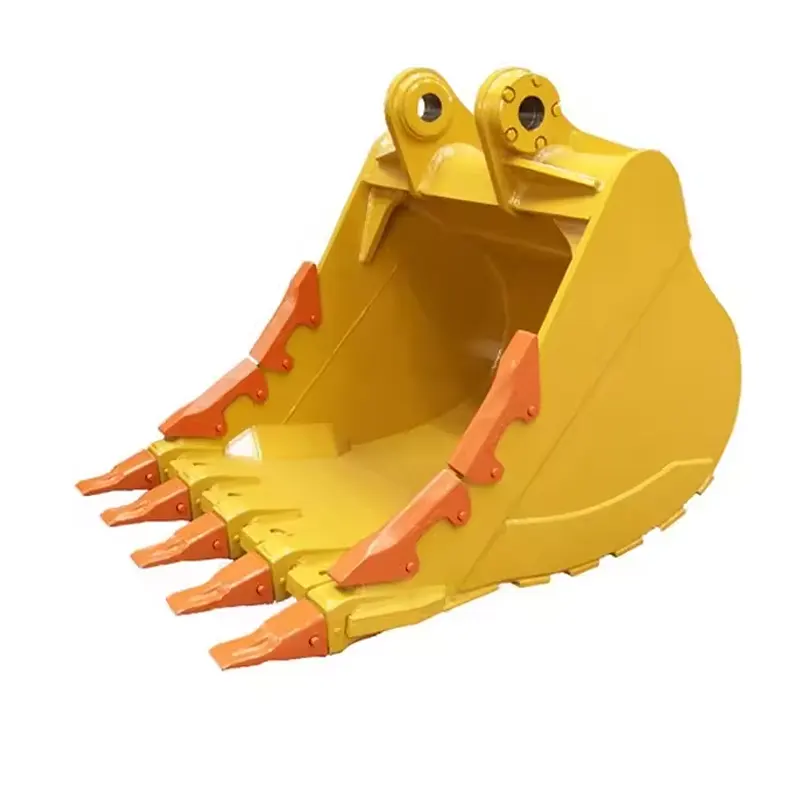
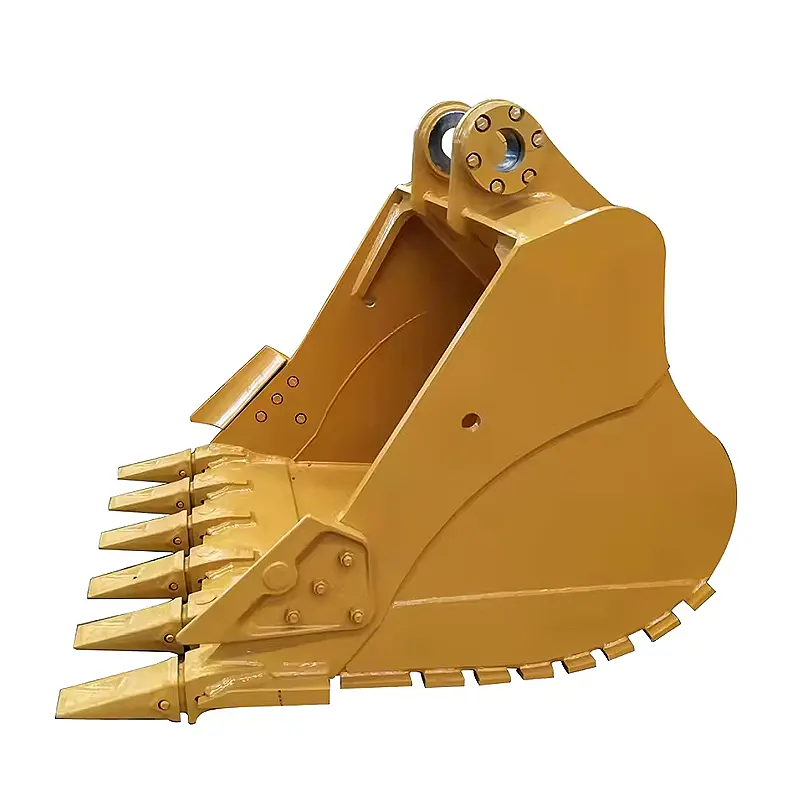
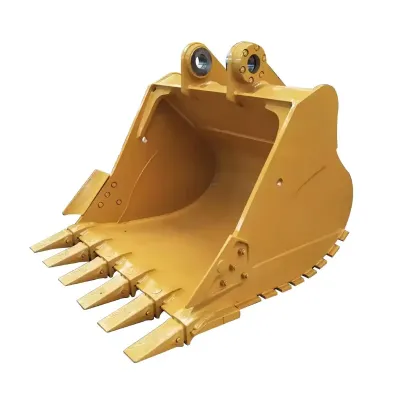
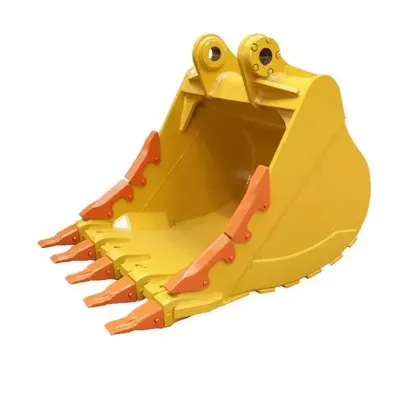
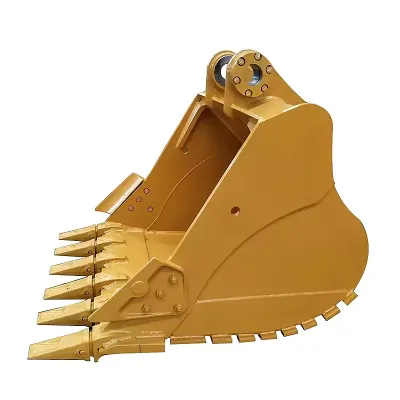
A heavy-duty rock bucket is designed for abrasive rock, hard-packed ground, and demolition applications where standard digging buckets may experience excessive wear. It's built with thicker, tougher steel, a reinforced cutting edge, and extra wear protection in all the high-impact zones. So when you're working a quarry, prepping a mine site, or cleaning up after a demo job, this is the bucket designed for continuous use in abrasive conditions.
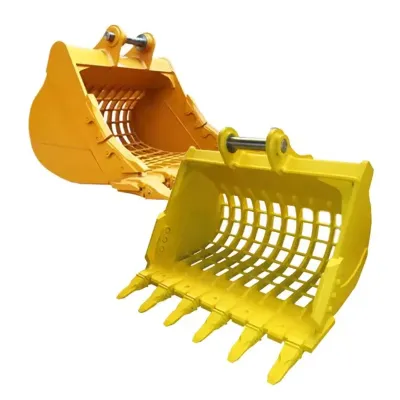
TGEC fabricates these buckets from high-strength steel, with abrasion-resistant steel used in critical wear areas for extended service life in abrasive conditions. The shell gets thick side plates, a reinforced cutting edge area, and wear strips along the bottom and sides where the bucket rubs against rock. The cutting edge comes either bolt‑on reversible (easy to swap in the field) or welded‑on (maximum rigidity). Three models cover excavators from 12 to 36 tons, with unit weights from 1000 to 2500 kg. In the excavator bucket lineup, this one sits at the heavy end of the digging range, well above the standard bucket and the lighter‑duty ditch cleaning bucket.
Heavy-Duty Construction and Wear Protection
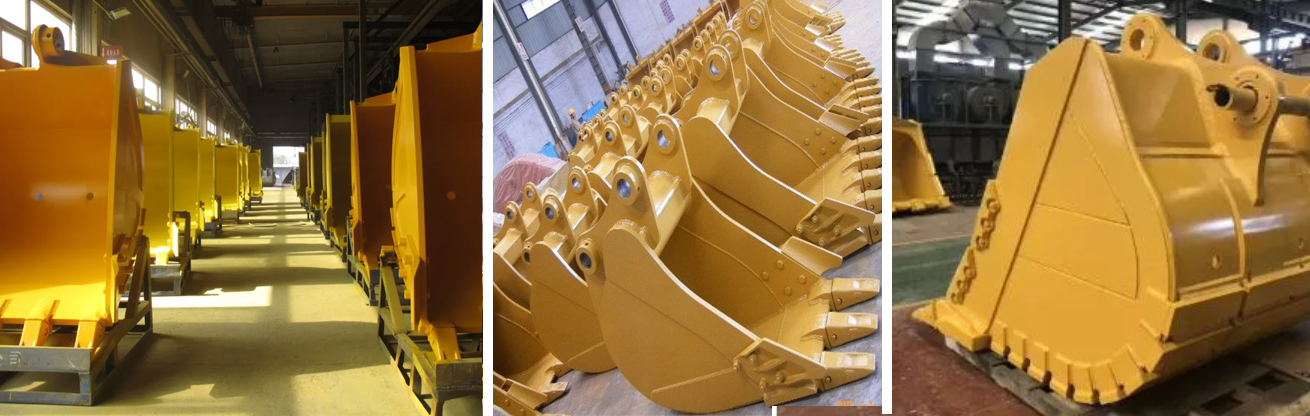
What sets a rock bucket apart is how it's built. The shell uses thicker plate than a standard digging bucket, with the side plates and back wall reinforced to resist impact. The cutting edge area is reinforced, with a hardened steel edge available in either welded or bolt-on configuration. The side cutters, which take the brunt of contact with trench walls, are made from abrasion‑resistant steel and can be specified as replaceable wear items. And we add wear strips to the bottom and sides in the high‑sliding zones, so the shell itself stays protected.
Steel choice is everything here. We use high‑strength structural steel for the frame, then bring in abrasion‑resistant steel for the cutting edge, side cutters, and wear strips. The hard steel fights off abrasive wear, while the tougher structural steel absorbs impact without cracking. The bucket is welded with attention to high-stress areas. The result is a bucket designed to withstand repeated impact in rock under normal operating conditions, providing increased wear resistance for abrasive digging conditions.
Models & Specifications
Three models cover excavators from 12 to 36 tons. Weight scales with the carrier.
| Parameter | TG-RB12 | TG-RB16 | TG-RB18 |
|---|---|---|---|
| Compatible Excavator Class | 12–18 t (13.2–19.8 ton) | 20–28 t (22–30.9 ton) | 28–36 t (30.9–39.7 ton) |
| Unit Weight | 1000 kg (2205 lb) | 2000 kg (4409 lb) | 2500 kg (5512 lb) |
| Cutting Edge | Configuration-Specific | Configuration-Specific | Configuration-Specific |
Table data is for reference only. Actual specifications may vary based on the final configuration. Please contact the TianGe technical team for details.
Applications in Rock and Quarry Work
Quarry and Mining Site Preparation
In quarry and mining work, these buckets handle overburden stripping, rock digging, and loading out material. The rugged build and abrasion‑resistant steel let you dig in fractured rock, hard overburden, and compacted material while protecting the bucket from excessive wear. The thick cutting edge bites in, and the reinforced sides hold up when you twist to break rock loose. For quarry work where the bucket runs all day, the durable construction helps reduce downtime for replacements.
Rock Excavation and Site Development
On construction sites where you hit rock or hard ground, a heavy‑duty rock bucket lets you keep digging instead of swapping buckets or making repairs. The reinforced shell takes the shock of striking rock, and the hardened edge stays sharp longer in abrasive conditions. For site development jobs that cut through rock layers, this bucket keeps production up without constant trips to the shop. It also loads broken rock into trucks with ease, and the reinforced sides and bottom resist the sharp edges of the material during loading and hauling.
Demolition Debris Handling
In demolition, these buckets handle concrete rubble, broken masonry, rebar, and all the sharp, abrasive debris that comes with tearing things down. The reinforced construction takes the impact of concrete and rebar, and the abrasion‑resistant steel holds up to the scraping and sliding of jagged debris during loading. When you're digging through rubble piles and loading out dumpsters, the rock bucket gives you the durability you need for continuous work. The thick cutting edge can also help break up partially intact concrete or masonry, reducing the need to use a hydraulic breaker on smaller jobs.
Mounting and Lift Capacity
Rock buckets are purely mechanical attachments with no hydraulic motor or cylinder. The key consideration is matching the bucket weight and expected load to your excavator's breakout force and lift capacity at working reach. Your machine must have enough power to drive the bucket through rock and handle the heavy loads you'll be picking up. If your machine is undersized, you'll struggle to dig in rock, and you risk overloading the boom and stick.
Mounting uses the standard pin‑on or quick‑coupler setup. The bracket has to match your machine's pin spacing, pin diameter, and linkage geometry exactly. When you order, send us your excavator make, model, operating weight, pin dimensions, and coupler type. Keep in mind that a rock bucket is a lot heavier than a standard bucket, so you absolutely need to check that your machine's lift capacity at working reach can handle the bucket weight plus a full load of rock. Overloading can make the machine unstable, reduce lift capacity, and even damage the boom or stick. If you're using a quick coupler, factor that extra weight in too.
Operation and Maintenance Tips
To get the best performance and longest life from a heavy‑duty rock bucket, match the bucket size to your machine's lift capacity and don't overload it. When you're digging in rock, use the machine's breakout force to drive the bucket in, then curl to break the rock free—don't use the boom as a pry bar, which puts extra stress on both the bucket and the stick. And don't use the bucket as a hammer or pry bar to break rock; that can crack the shell or bend the cutting edge. For rock that's too hard to dig, break it first with a hydraulic hammer, then use the rock bucket to load out the pieces.
Regular maintenance pays off in longer bucket life. Before each shift, check for cracks, bent plates, loose bolts, or heavy wear on the cutting edge and side cutters. Keep an eye on the cutting edge and replace it when it's worn to the point where it won't penetrate well. If you have a bolt‑on edge, make sure the bolts are torqued to spec and replace any that are damaged or missing. Check the wear strips on the bottom and sides, and build them up with weld or replace them when they wear through to the shell. Grease the bucket pins and linkage per your excavator manufacturer's schedule. After heavy use in abrasive rock, look inside the bucket for signs of wear or cracking, especially around the cutting edge and side plate welds. Fixing minor wear or cracks early prevents bigger problems and extends the bucket's overall service life.
Request a Quote — Heavy-Duty Rock Bucket
Tell us your excavator make and model, operating weight, mounting or coupler type, pin spacing and pin diameter, preferred model (TG-RB12 through TG-RB18), primary application (quarry / rock excavation / demolition / mining), typical material hardness, cutting edge preference (bolt-on / welded-on), and the quantity you need. Our team will confirm the right model and mounting bracket, verify the bucket weight and lift capacity for your machine, and send you a quote based on your specs and delivery terms. Dealers and OEMs are welcome for volume orders, custom wear configurations and private-label options.