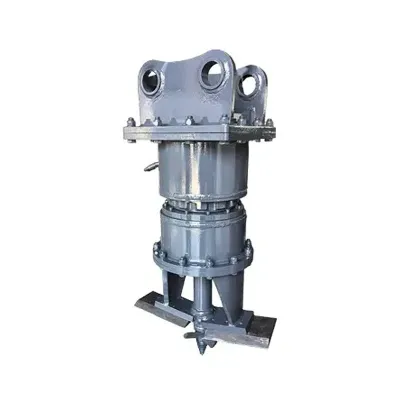
An excavator scrap magnet is a hydraulic attachment that uses electromagnetic force to lift, move, and sort ferrous metal. Instead of grabbing material with jaws or clamps like a grapple does, a scrap magnet creates a controlled magnetic field that pulls iron-based metals up against the magnet face. That lets operators handle scrap quickly and efficiently without having to manually clamp or position each piece. This guide walks through the basic operating principles of an excavator-mounted scrap magnet—how hydraulic power becomes magnetic force, what the magnet generator does, and what to keep in mind when using one for scrap handling.
The Basic Principle: Electromagnetism
At its core, an excavator scrap magnet is just a big electromagnet. Run electrical current through a coil of wire wrapped around a ferromagnetic core, and you get a magnetic field that magnetizes the core and pulls ferrous materials toward it. How strong that field is depends on how much current flows through the coil, how many turns the coil has, and what the core is made of. In an excavator scrap magnet, that coil lives inside a heavy-duty steel disc, and the bottom surface acts as the magnetic pole face. When you energize the magnet, it creates a strong field that pulls ferrous scrap tight against the face so you can lift and move it. Kill the current, the field collapses, and the material drops.
The tricky part for an excavator-mounted magnet is getting the electrical current to energize the coil in the first place. Excavators don't usually come with an onboard generator big enough to supply that kind of juice. The solution is a hydraulic magnet generator that turns the excavator's auxiliary hydraulic flow into electrical current, so the whole system runs off the machine's hydraulics with no external power source needed.
Hydraulic Power to Magnetic Force: The Conversion Process
Turning hydraulic power into magnetic force happens in three stages. First, the excavator's auxiliary hydraulic circuit sends pressurized oil to the hydraulic magnet generator—typically mounted on or near the magnet itself. Inside the generator, a hydraulic motor spins an alternator or generator rotor, converting rotational mechanical energy into alternating current (AC). Second, that AC gets rectified into direct current (DC) using diodes or a rectifier assembly, because the magnet coil needs DC to create a stable, one-way magnetic field. Third, that DC current goes to the magnet coil, which energizes and creates the magnetic field that pulls in ferrous material.
The generator also has voltage and current regulation to keep output steady even if hydraulic flow or engine speed varies. Protection circuits guard against overvoltage, overcurrent, and short circuits, keeping both the generator and the magnet coil safe. When the operator releases the magnet control switch, the current to the coil shuts off and a demagnetization circuit applies a quick reverse current to wipe out any residual magnetism in the core and pole face. That ensures materials drop cleanly instead of clinging to the magnet, which is critical for smooth material handling.
The Role of the Magnet Generator
The magnet generator is the key component that makes an excavator-mounted magnet practical. Without it, you'd need an external power source—a diesel genset, a battery bank, or shore power—which just isn't feasible for a mobile excavator. The hydraulic generator sidesteps that by tapping into the excavator's existing auxiliary circuit, the same one used for breakers, grapples, and augers. The generator's output power (in kilowatts) directly determines the magnet's lifting force: more power means more current, a stronger magnetic field, and greater lifting capacity.
Matching the generator to the excavator's hydraulic flow is critical. If the auxiliary flow is too low, the generator won't produce enough current and the magnet will be weak or won't lift expected loads. If the flow is too high, the generator can overspin, producing too much voltage and damaging the coil or regulation circuitry. Most generators include a flow control valve or pressure compensation to keep input within the optimal range. The generator also needs adequate hydraulic cooling, since continuous operation builds up heat that has to be dissipated through the excavator's hydraulic cooler. For high-volume scrap operations, making sure the excavator's hydraulic system can handle the extra thermal load is an important part of installation planning.
Operating Considerations for Scrap Metal Handling
Running a scrap magnet effectively means knowing what it can and can't do. The magnet only picks up ferrous materials—steel, iron, cast iron, and ferrous alloys. It won't lift non-ferrous metals like aluminum, copper, brass, or non-magnetic stainless steel, nor will it grab non-metallic stuff like concrete, wood, or plastic. That selectivity is actually a plus in recycling, since it lets operators separate ferrous metals from mixed waste streams just by picking up what's magnetic. Lifting capacity varies with the shape of the material and how much surface contact it has with the magnet face: flat, solid pieces with full contact lift the best, while irregular, bundled, or shredded material with limited contact won't lift as much.
Operators also need to think about how the magnet affects the excavator's stability. The magnet weight plus whatever you're lifting adds to the front-end load, which reduces available lift capacity and can affect stability, especially at full boom extension or on uneven ground. Always stay within the excavator's rated lift capacity for your specific working configuration. When handling sharp or heavy scrap, don't swing the magnet over people or equipment, and keep a safe working radius. The magnet's electromagnetic field can interfere with electronics, pacemakers, and magnetic storage media, so put up warnings and keep anyone with an implanted medical device at a safe distance. Regular inspections of the magnet bottom plate, hydraulic generator, hoses, electrical connections, and control switch are essential for safe, reliable operation.
Summary: How an Excavator Scrap Magnet Works
-
The magnet is a large electromagnet housed in a heavy-duty steel disc with an internal coil.
-
A hydraulic magnet generator converts the excavator's auxiliary hydraulic flow into DC electrical current.
-
The DC current energizes the magnet coil, creating a magnetic field that attracts ferrous materials to the pole face.
-
When the operator releases the control switch, current is cut and a demagnetization circuit removes residual magnetism for clean material release.
-
The magnet lifts only ferrous materials, making it effective for sorting and separating steel from mixed waste.
-
Lifting capacity depends on generator power, material shape, surface contact and the excavator's hydraulic flow.
-
Proper matching to the excavator's hydraulics, lift capacity and mounting interface is essential for safe operation.
Ready to learn more about specific magnet models and specifications? Explore the Excavator Scrap Magnet product page for detailed specifications, or return to the Excavator Magnets hub for the full product range.