Welcome to the Official Website of TianGe Attachments.

Excavator Magnet Attachment

Excavator Magnet Attachment

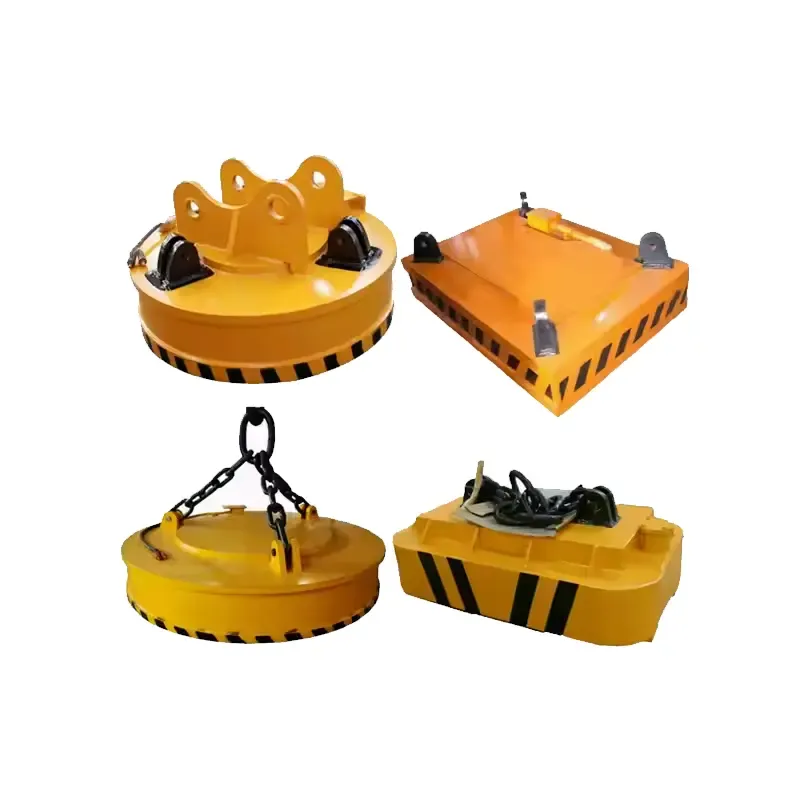
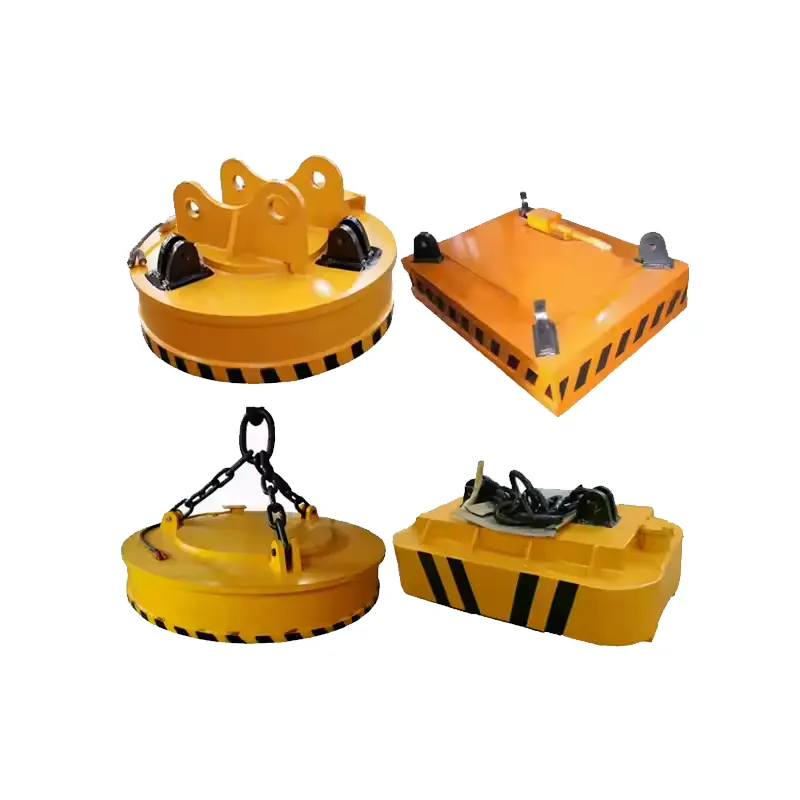
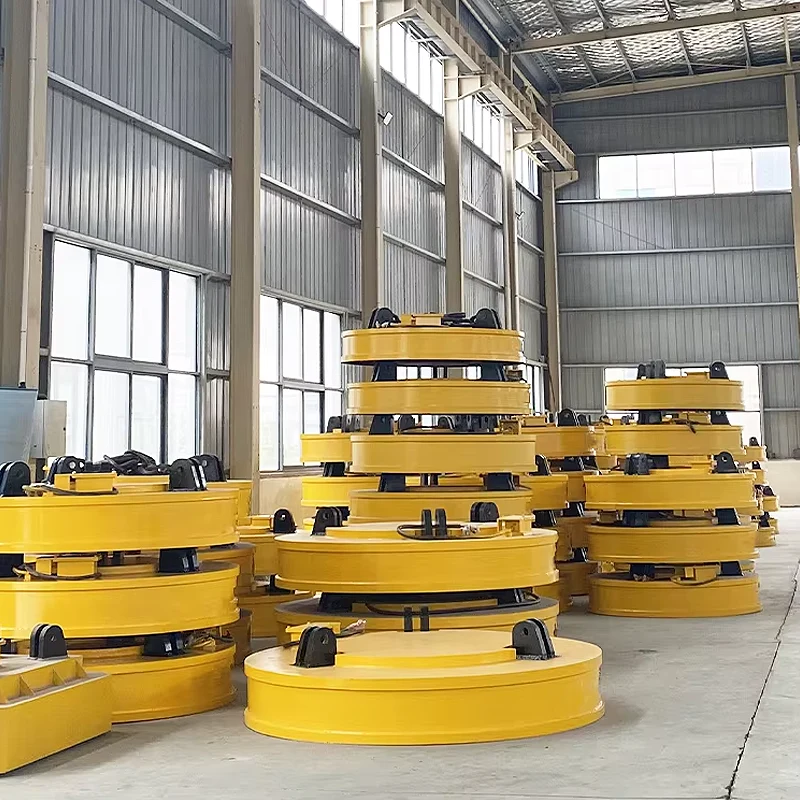
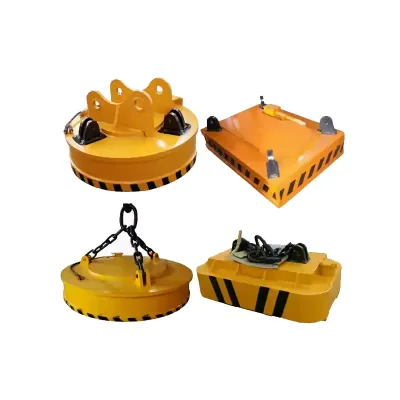
Hydraulic excavator magnet with integrated magnet generator for scrap metal handling and ferrous material lifting. Eight models cover mini to full-size excavators with magnet diameters from 500 mm to 1300 mm.
Product Name: Hydraulic scrap magnet / Excavator lifting magnet / Excavator magnet / Hydraulic magnet / Scrap metal magnet for excavator
Type: Magnets
After-sales Service: Provided
Warranty: 1 Year
Customization: Available
Shipping Cost: Negotiate with us about shipping cost and estimated delivery time.
Get a quote
Overview
FAQ

Product Overview

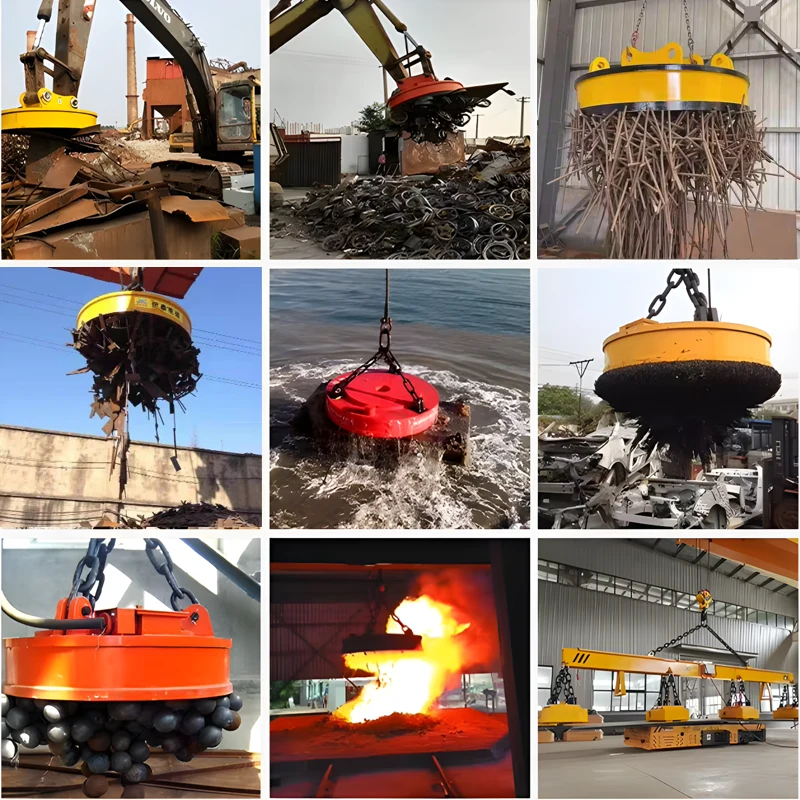
On demolition sites and scrap yards, sorting ferrous material from mixed debris is a constant bottleneck. Manual sorting is slow and labor-intensive. Standard buckets cannot separate metal from rubble. The TGEC excavator scrap magnet with hydraulic generator changes this by equipping the excavator with a dedicated lifting magnet — no separate generator cart, no external power source. The attachment draws auxiliary hydraulic power from the host excavator to drive its built-in generator, delivering steady magnetic force for lifting and sorting steel scraps, rebar sections, and mixed ferrous debris.

This magnet is engineered for scrap yard metal recovery, demolition waste separation, and steel handling operations where consistent magnetic performance and quick attachment changeover are essential. Configurations are available across multiple sizes, matched to excavator classes from 6 to 30+ tons. Custom mounting brackets are available to fit different excavator interfaces and quick-coupler systems.

The system is designed for dry or slightly damp scrap yards. Long-term operation under heavy mud or pooled water should follow official equipment operation specifications.

Technical Specifications

ModelTG-MG50L/1-75TG-MG60L/1-75TG-MG70L/1-75TG-MG80L/1-75TG-MG90L/1-75TG-MG110L/1-75TG-MG120L/1TG-MG130L/1
Cold-State Power2.0 kW2.32 kW2.55 kW3.1 kW4.6 kW6.1 kW10 kW12 kW
Current (Cold / Hot)9.1 / 6 A10.6 / 6.9 A11.6 / 7.6 A14.1 / 9.2 A21 / 13.6 A27.7 / 18 A45.5 / 29.5 A54.5 / 35.5 A
Magnet Diameter (A)500 mm / 19.7 in600 mm / 23.6 in700 mm / 27.6 in800 mm / 31.5 in900 mm / 35.4 in1100 mm / 43.3 in1200 mm / 47.2 in1300 mm / 51.2 in
Overall Diameter (C)700 mm / 27.6 in750 mm / 29.5 in800 mm / 31.5 in850 mm / 33.5 in1160 mm / 45.7 in1270 mm / 50.0 in1100 mm / 43.3 in1240 mm / 48.8 in
Body Height (F)160 mm / 6.3 in160 mm / 6.3 in160 mm / 6.3 in160 mm / 6.3 in200 mm / 7.9 in220 mm / 8.7 in220 mm / 8.7 in250 mm / 9.8 in
Mounting Circle (E)90 mm / 3.5 in90 mm / 3.5 in90 mm / 3.5 in90 mm / 3.5 in125 mm / 4.9 in150 mm / 5.9 in150 mm / 5.9 in175 mm / 6.9 in
Base Thickness (G)25 mm / 1.0 in25 mm / 1.0 in30 mm / 1.2 in30 mm / 1.2 in40 mm / 1.6 in45 mm / 1.8 in45 mm / 1.8 in50 mm / 2.0 in

* Cold-state power based on standard testing. Confirm your excavator's hydraulic output for generator compatibility. Contact TGEC for exact data on your configuration.

Key Features

  • Built-in hydraulic generator — No external power cart. Runs off the excavator's auxiliary circuit.

  • Steady magnetic force — Consistent lifting for steel scrap, rebar, and mixed ferrous materials.

  • Eight sizes — Diameters from 500 to 1300 mm. Cover 6–30+ ton excavators.

  • Custom mounting frames — Brackets fabricated to your excavator's pin size and coupler type.

  • Replaceable service components — Generator assemblies and magnetic parts available for extended service life.

Working Principle

TGEC Excavator Scrap Magnet, also commonly referred to as excavator magnet, hydraulic magnet, magnet attachment or lifting magnet within scrap-recycling and demolition industries. The magnet mounts to the excavator arm via a custom bracket. A hydraulic motor drives a built-in generator that powers the electromagnet coil. The operator controls the magnet from the cab — engage the auxiliary circuit to energize the magnet, pick up ferrous material, move it to the drop zone, and de-energize to release. No external power cables. No separate generator cart. The excavator's hydraulic system provides all the power needed.

Excavator Compatibility & Selection Guide

  • TG-MG50–70 (6–10 t): 500–700 mm diameter, 2.0–2.55 kW. Light scrap sorting and small demolition cleanup on compact excavators.

  • TG-MG80–110 (10–20 t): 800–1100 mm diameter, 3.1–6.1 kW. Standard configurations for mixed demolition debris and general scrap yard recovery. Most common choice.

  • TG-MG120 (20–30 t): 1200 mm diameter, 10 kW. Heavy steel lifting for large scrap yards and demolition operations.

  • TG-MG130 (30+ t): 1300 mm diameter, 12 kW. Industrial-scale ferrous handling for steel mills and high-volume recycling.

Mounting compatibility: Custom brackets available for all major excavator brands — CAT, Komatsu, Volvo, Hitachi, Deere, Kobelco, Hyundai. Provide your machine model and pin dimensions for a direct-fit solution.

Important: Designed for lifting stacked loose scrap and sorting demolition debris. Not intended for excavating buried metal from soil.

Application Scenarios

  • Scrap yard sorting and loading — Recover steel scrap, rebar, and ferrous material from incoming waste streams. Reduces manual labor and speeds up processing.

  • Demolition waste separation — Pull rebar and steel from mixed concrete and rubble. Improves recycling efficiency and material recovery.

  • Steel industry scrap handling — Load and sort steel in mill yards and recycling facilities. No external power connections required.

  • Construction site metal recovery — Recover ferrous materials from renovation and demolition sites. Compact models fit mid-size excavators.

Scrap-Magnet Wear Parts & Replacement Components

TGEC stocks replacement generator assemblies, coil components, and mounting hardware. All parts manufactured to OEM specifications. Contact parts department for availability.

Request a Quote — TGEC Excavator Scrap Magnet

Tell us your excavator model, hydraulic specifications, and typical application — demolition waste sorting or scrap yard metal recovery. Our team will recommend the right magnet model and provide a complete quotation with custom mounting frames, specifications, and delivery terms.
Frequently Asked Questions

What is an excavator scrap magnet used for?+

An excavator scrap magnet is used to lift, move, sort and load ferrous metal materials using electromagnetic force. It is commonly used in scrap yards to handle steel beams, rebar, sheet metal and shredded scrap; at recycling facilities to separate ferrous metals from mixed waste; on demolition sites to remove steel from rubble; at automobile recycling yards to move vehicle bodies and engines; and in foundries and steel mills for industrial material handling. The magnet attachment allows operators to handle ferrous materials without manual grappling or clamping, significantly improving efficiency and safety in metal-handling operations.

How does an excavator scrap magnet handle ferrous scrap?+

An excavator scrap magnet handles ferrous scrap by generating a strong electromagnetic field that attracts iron-based materials to the magnet's bottom surface. When the operator activates the control switch, the hydraulic magnet generator converts the excavator's auxiliary hydraulic flow into electrical current that energizes the magnet coil, creating the magnetic field. Ferrous materials such as steel and iron are attracted to the magnet face and can be lifted, moved and positioned by the excavator's boom and arm. When the operator releases the switch, the current is cut and a demagnetization circuit removes residual magnetism, allowing the material to drop cleanly. The magnet handles flat, solid materials most efficiently, while irregular or bundled materials may have reduced contact and lifting capacity.

What excavators can be equipped with a scrap magnet?+

Scrap magnets can be equipped on a wide range of excavators, from mini excavators (2–5 tons) to full-size machines (20–30 tons and larger), provided the excavator has an auxiliary hydraulic circuit with adequate flow and pressure to drive the magnet generator. The TG-MG50L through TG-MG80L models are designed for mini and small excavators, the TG-MG90L and TG-MG110L for mid-size machines, and the TG-MG120L and TG-MG130L for full-size excavators. The excavator must have sufficient lift capacity at working reach to handle the magnet weight plus the lifted scrap load, and must have compatible mounting brackets with the correct pin-to-pin spacing and pin diameter. Excavators with high-flow auxiliary circuits are preferred for larger magnet models, as they provide the hydraulic flow needed for reliable generator performance.

Can a scrap magnet be used on a mini excavator?+

Yes, scrap magnets can be used on mini excavators, provided the machine has an auxiliary hydraulic circuit and sufficient lift capacity. The TG-MG50L/1-75 and TG-MG60L/1-75 models are specifically designed for mini and small excavators, with 500 mm and 600 mm magnet diameters and 2.0 kW and 2.32 kW power, making them suitable for light scrap-handling tasks on compact machines. Mini excavator operators should verify that the machine's auxiliary hydraulic flow meets the generator's minimum requirements, that the lift capacity at working reach can safely handle the magnet plus expected scrap load, and that the mounting bracket is compatible with the mini excavator's pin configuration. While mini excavators cannot handle the volume or weight of full-size machines, a properly matched small magnet is effective for light scrap sorting, small demolition jobs and limited recycling operations.

What factors determine the appropriate magnet size for an excavator?+

The appropriate magnet size for an excavator is determined by several factors: the excavator's operating weight and tonnage class, which establishes the baseline for magnet model selection; the auxiliary hydraulic flow and pressure, which must be sufficient to drive the magnet generator and produce adequate magnetic force; the excavator's lift capacity at working reach, which must safely handle the magnet weight plus the maximum expected scrap load; the typical scrap type and handling volume, as larger magnets handle more material but require bigger machines; and the mounting compatibility, including pin-to-pin spacing, pin diameter and coupler type. As a general guideline, smaller excavators (2–8 tons) use 500–800 mm magnets, mid-size machines (8–15 tons) use 900–1100 mm magnets, and full-size excavators (15–30 tons) use 1200–1300 mm magnets. Providing complete excavator specifications and application details ensures the correct size recommendation.

How is an excavator scrap magnet mounted?+

An excavator scrap magnet is mounted to the excavator's boom using standard pin-on or quick coupler brackets, with mounting plates fabricated to match the specific excavator model's pin-to-pin spacing, pin diameter and coupler interface. For pin-on mounting, the magnet's mounting bracket aligns with the boom's mounting ears, and mounting pins are inserted through the bracket and boom ears, then secured with retaining clips or bolts. For quick coupler mounting, the bracket is designed to interface with the excavator's quick coupler system, allowing the operator to attach and detach the magnet without manually removing pins. The hydraulic magnet generator is mounted on or near the magnet assembly, with hydraulic hoses connected to the excavator's auxiliary circuit and electrical wiring routed to a cab-mounted control switch. Before first use, verify all connections are secure and the magnet operates correctly.

What hydraulic requirements should be checked before installing a hydraulic magnet?+

Before installing a hydraulic magnet, verify the excavator's auxiliary hydraulic flow and pressure fall within the magnet generator's specified range. If flow exceeds the maximum, install a flow regulator to prevent generator damage; if below minimum, the generator will produce insufficient current. Check that the auxiliary circuit has a control valve for continuous operation and that the hydraulic cooler can handle continuous generator load without overheating. Verify hoses are rated for system pressure and routed to allow full boom movement without pinching or abrasion. For detailed operating principles, refer to the How Does an Excavator Scrap Magnet Work guide.

What is the function of the magnet generator in an excavator magnet system?+

The magnet generator converts the excavator's auxiliary hydraulic power into the electrical current needed to energize the magnet coil, functioning as a hydraulic-driven alternator that rectifies AC to DC for the coil. It eliminates the need for an external power source, allowing the magnet to operate entirely from the excavator's hydraulic system. The generator includes regulation and protection circuitry to control voltage, prevent overcurrent and safeguard the coil. Its output in kilowatts directly determines the magnet's lifting force — higher power produces a stronger field and greater capacity. Proper matching of the generator to the excavator's hydraulic flow is essential for reliable performance.

Can an excavator magnet be used for different scrap-handling applications?+

Yes, an excavator magnet can be used for a variety of scrap-handling applications beyond basic scrap yard operations. It is effective for demolition sites to remove steel reinforcement and structural steel from concrete rubble, for automobile recycling to lift vehicle bodies and engines, for foundries and steel mills to handle castings and raw materials, for construction sites to move rebar and structural steel, and for waste transfer stations to recover ferrous metals from mixed waste. The magnet's versatility comes from its ability to attract any ferrous material regardless of shape, making it suitable for sorting, loading, stacking and separating tasks. However, the magnet cannot lift non-ferrous metals (aluminum, copper, brass) or non-metallic materials, and lifting capacity varies with material shape and surface contact. For applications involving mixed materials, the magnet effectively separates ferrous from non-ferrous content, making it a valuable tool in recycling and waste management operations.

What components should be inspected during excavator magnet maintenance?+

During excavator magnet maintenance, inspect the magnet bottom plate for wear, cracks or deformation, and replace or rebuild when wear reduces lifting performance. Inspect the hydraulic generator for leaks, abnormal noise or overheating, and check all hydraulic hoses and fittings for abrasion or leaks. Inspect electrical cables and connections for fraying, corrosion or loose terminals, and test the magnet coil for insulation resistance and current draw against specifications. Check mounting pins, bushings, bracket and welds for wear or cracks, greasing pins according to the maintenance schedule. Finally, verify the cab control switch and demagnetization circuit function correctly and that all safety labels are legible.

What signs indicate that an excavator magnet system needs service?+

Reduced lifting force or failure to hold materials that were previously lifted is the most common sign of needed service, potentially caused by a worn plate, degraded coil, insufficient generator output or hydraulic restrictions. Abnormal noise from the generator such as grinding or whining may indicate bearing wear or internal damage, while hydraulic leaks signal seal or hose failure. Overheating of the generator or coil, indicated by excessive surface temperature or thermal shutdown, may result from restricted flow, overcurrent or coil degradation. Intermittent operation or failure to energize may indicate loose electrical connections, a faulty control switch or generator issues, while residual magnetism causing material to cling signals a faulty demagnetization circuit. Any of these signs should prompt immediate inspection and service to prevent further damage or safety hazards.

What should operators check before using an excavator scrap magnet?+

Before using an excavator scrap magnet, verify mounting pins are secured, the bracket is free of cracks, and all hydraulic and electrical connections are tight and undamaged. Confirm the excavator's auxiliary hydraulic flow and pressure are within the generator's range, the fluid level is adequate, and test the magnet by energizing and releasing it to verify clean operation. Check the magnet bottom plate for excessive wear, and verify the excavator's lift capacity at working reach handles the magnet plus expected scrap load. Clear the work area of bystanders, ensure personnel are trained and wearing appropriate PPE, and confirm the electromagnetic field will not interfere with nearby electronics, pacemakers or magnetic storage.
Please make sure to include your phone number with the country code (e.g., 86 for China, 1 for USA).