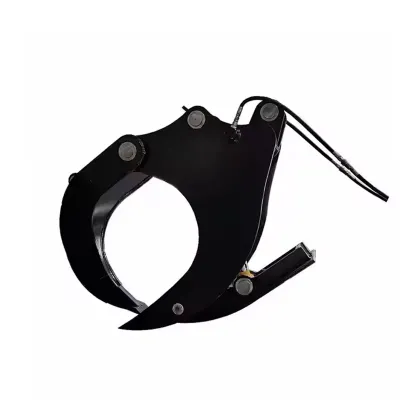
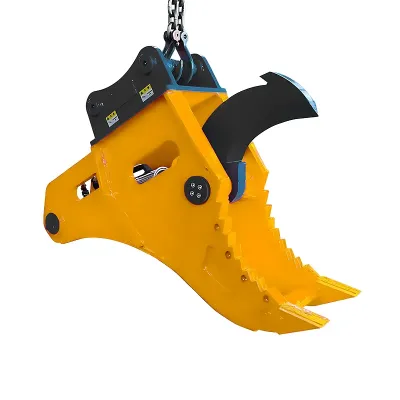
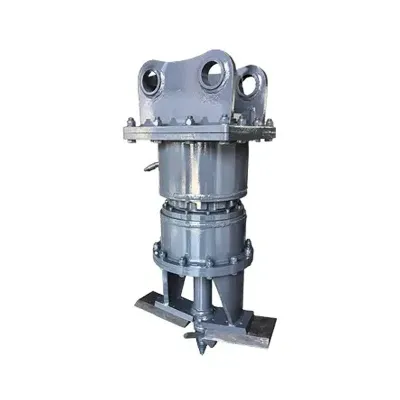
Deciding between an excavator flail mower and a mulcher comes down to what you're cutting, how big the material is, what kind of finish you need, what your machine can handle, and the job itself. Both attachments are used for vegetation management, but they work on completely different principles and are built for different types of work. This guide breaks down the key differences, helps you figure out which one fits your vegetation conditions, and lays out the factors that should drive your decision.
Understanding the Two Attachment Types
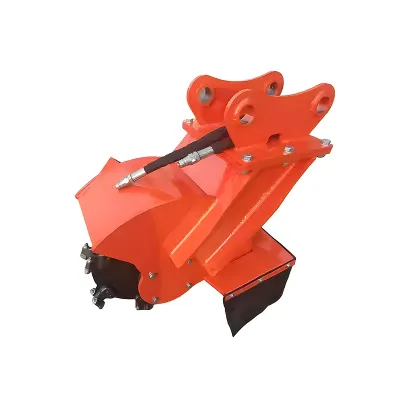
An excavator flail mower uses a horizontal rotor with multiple hardened steel flail hammers that pivot on the rotor. When the rotor spins at high speed, centrifugal force throws the hammers outward, and they strike vegetation with a cutting and shredding action. Those hammers turn grass, brush, and light woody stuff into fine mulch that drops out the rear or bottom of the housing and spreads across the ground. Because the hammers pivot, they can swing back when they hit rocks or debris, which protects the rotor and drive system—making flail mowers a solid choice for rough ground with hidden obstacles. They're lighter, need less hydraulic power, and cost less than mulchers.
A forestry mulcher—sometimes called a drum mulcher or disc mulcher—works differently. Drum mulchers have a horizontal or vertical drum fitted with carbide-tipped teeth or heavy-duty hammers that are way more aggressive than flail mower hammers. Those teeth bite into and shred woody vegetation, including thicker brush and small trees, turning it into coarse wood chips. Disc mulchers use a vertical spinning disc with carbide teeth that chop through material. Mulchers are built for heavy-duty vegetation processing, especially woody stuff, and they need a lot more hydraulic power and a bigger excavator than flail mowers. They're also heavier and more expensive. If you're looking at an excavator flail mower, it pays to understand how it stacks up against a mulcher before you buy. For a broader look at the mower category, check out the excavator mower range.
Cutting Mechanism: The Fundamental Difference
The biggest difference between a flail mower and a mulcher is how they cut. A flail mower uses lots of small, pivoting hammers that hit vegetation with a swinging, impact-based action. The hammers are relatively light and rely on rotor speed more than mass to do the cutting. Because they pivot, they can deflect when they hit hard stuff like rocks, stumps, or metal—which protects the rotor and drive train from damage. That makes flail mowers forgiving in rough terrain and areas with hidden surprises. The cutting action produces fine mulch, especially on grass and brush, and the material usually discharges in a controlled spread.
A mulcher uses fewer but larger, more brutal cutting teeth or hammers that are usually fixed or semi-fixed to the drum or disc. Those teeth are made of hardened steel or carbide and are built to bite into and tear through woody material. Instead of just impact, mulcher teeth use a combination of shearing, tearing, and grinding to process vegetation. The action is way more aggressive and produces coarser wood chips, especially on thicker stems and small trees. Because the teeth are more rigidly mounted, mulchers aren't as forgiving when they hit hard objects—smacking a rock or stump with a mulcher can damage teeth, throw the rotor out of balance, or even mess up the drum itself. So mulchers are better in areas where the material is mostly woody and hidden obstacles are less of an issue, or where the operator can keep a close eye on cutting depth.
Vegetation Type and Material Diameter
What you're cutting and how big it is are the main factors in whether a flail mower or mulcher is the right call. Flail mowers are great for grass, weeds, herbaceous plants, bramble, and light to medium brush. They can handle small saplings and woody stems up to a certain diameter—usually a few centimeters for lighter models, bigger for heavier flail mower setups. Exactly what they can handle depends on the hammer type, rotor speed, hydraulic power, and the specific mower. If your work is mostly grass, weeds, and light brush, a flail mower gives you a clean, fine mulch and runs efficiently with lower hydraulic demands.
Mulchers are built for heavier woody vegetation. They can take on thicker brush, woody stems, and small trees that would stop a flail mower cold. Forestry mulchers are common in land clearing, right-of-way maintenance, forestry thinning, and invasive species removal where there's a lot of woody material. The carbide-tipped teeth on a mulcher can chew through stems and trunks that would stall or damage a flail mower. But mulchers aren't great with fine grass and herbaceous stuff—the aggressive teeth tend to tear instead of cleanly cut, and the output is coarser. If you've got a mix of grass and light brush, a flail mower is usually more efficient and cost-effective. If it's mostly thick brush and small trees, a mulcher is the better tool. For material beyond either attachment's capacity, a dedicated excavator brush cutter might be what you need.
Output and Finish Quality
The output and finish quality are pretty different between flail mowers and mulchers, and that can be a big factor depending on your job. Flail mowers produce a fine, even mulch that's great for roadside maintenance, landscaping, parks, and anywhere a clean look matters. That fine mulch breaks down fast, puts organic matter back into the soil, and usually doesn't need to be raked up or hauled off. The discharge is relatively controlled, and the mulch spreads evenly across the cut area. On slopes, the fine mulch stays put better and doesn't slide or pile up at the bottom—a real plus for embankment and levee work.
Mulchers put out coarser wood chips and shredded material, especially when they're chewing through woody stems and small trees. The output is chunkier and more variable in size, and it takes longer to break down. In land clearing and forestry, those coarse chips are fine—even desirable—because they provide ground cover and help with erosion control. But in landscaping, roadside work, or anywhere a clean finish matters, the coarse output from a mulcher can be less appealing and might need extra cleanup or processing. The discharge from a mulcher can also be more forceful and less predictable, potentially throwing chips farther than you'd like. If finish quality is a priority—like municipal roadside work, park maintenance, or landscaping—a flail mower generally gives you a better result. For land clearing, forestry, and right-of-way work where the goal is just to reduce material, a mulcher's output is perfectly fine.
Hydraulic Requirements and Excavator Compatibility
Hydraulic requirements are a major practical consideration when choosing between a flail mower and a mulcher. Flail mowers generally need less flow and pressure than mulchers, so they work with a wider range of excavators—including mini and compact machines. TGEC flail mowers, for instance, are designed for 1.5 to 6 ton excavators, which are the go-to machines for landscaping, municipal maintenance, and smaller-scale vegetation work. The lower hydraulic demand means contractors with smaller machines can run a flail mower without upgrading to a high-flow hydraulic system. The lighter weight also makes them a good fit for the limited lift capacity of mini excavators.
Mulchers need a lot more hydraulic flow and pressure to drive the heavy drum or disc and those aggressive cutting teeth. Most forestry mulchers require bigger excavators—typically 6 to 15 tons or larger—with high-flow auxiliary circuits. That higher demand means if you've got a mini or compact excavator, you probably can't run a mulcher without moving up to a bigger machine. Mulchers are also significantly heavier than flail mowers, which further limits their compatibility with smaller machines and makes lift capacity and stability a real concern. If you already own a mini or compact excavator and your work is mostly light to medium vegetation, a flail mower is the practical choice. If you've got access to a larger machine and your work is mostly heavy woody clearing, a mulcher might be worth the investment. Always check the exact flow, pressure, and lift capacity requirements of any attachment against your specific excavator before you buy. For help matching a flail mower to a mini excavator, see our flail mower selection guide for mini excavators.
Application Suitability
Which one you pick often comes down to your primary application. Flail mowers are a great fit for roadside and highway maintenance, where you're cutting grass, weeds, and light brush along shoulders and medians and want a clean, fine mulch. They're ideal for slope and embankment mowing on levees, dam faces, and retaining walls, where the excavator's reach and the mower's controlled discharge are real advantages. Flail mowers excel at ditch and waterway work, landscaping, grounds maintenance, orchard and vineyard floor management, and general vegetation control in municipal and commercial settings. They're also good for light brush clearing on construction sites, fence lines, and utility corridors where the vegetation is mostly grass and light to medium brush.
Mulchers are better for land clearing, where you need to remove thick brush, small trees, and woody vegetation from a site. They're common in right-of-way clearing for pipelines, power lines, and roads where there's a lot of woody material. Forestry thinning, invasive species removal, and wildlife habitat improvement are other typical mulcher jobs. In those settings, the main goal is material reduction, not appearance, and the mulcher's ability to chew through thick woody stems efficiently is the key advantage. Mulchers also show up in commercial land development, where large areas of brush and small trees need to be cleared before construction starts. If you do a mix of light vegetation maintenance and occasional heavier clearing, a flail mower might cover most of your work, with the heavier stuff subcontracted or handled with a different attachment. If you specialize in land clearing and forestry, a mulcher is essential.
Total Cost of Ownership
Total cost of ownership is pretty different between flail mowers and mulchers, and that should be part of your decision. Flail mowers generally have a lower purchase price, making them more accessible for smaller contractors and municipal buyers. The main wear items are the flail hammers, which are relatively cheap and easy to swap out. Hammer pins, bushings, bearings, skid shoes, and hydraulic hoses are other common wear parts, all of which are generally affordable and easy to get. The lower hydraulic demand also means less strain on the excavator's hydraulic system, which can cut down on carrier machine maintenance costs.
Mulchers have a much higher purchase price because of their heavier construction, carbide-tipped teeth, and beefier drum or disc assembly. Those carbide teeth are more expensive to replace than flail hammers, and they may need periodic sharpening or replacement depending on the work. The higher hydraulic demand puts more strain on the excavator's hydraulic system, which can increase maintenance costs and shorten the life of hydraulic components. Mulchers also need a larger, more expensive excavator carrier, which adds to the overall investment. But for contractors who specialize in land clearing and forestry, the mulcher's higher productivity on woody material can justify the higher cost. When you're figuring total cost of ownership, look at the purchase price, wear part costs, maintenance frequency, expected service life, the cost of the carrier machine you need, and the revenue you can generate from the work each attachment can do. A flail mower will have lower total cost of ownership for light to medium vegetation work, while a mulcher can be more economical for heavy woody clearing when you factor in the higher productivity.
Making the Decision
Choosing between an excavator flail mower and a mulcher comes down to a careful look at your vegetation, your desired output, your excavator, and your primary application. Start by thinking about the type and size of vegetation you deal with most. If it's mostly grass, weeds, and light to medium brush, a flail mower is usually the more efficient, cost-effective choice. If it's mostly thick brush, woody stems, and small trees beyond what a flail mower can handle, a mulcher is the right tool.
Next, think about the finish you need. If a clean, fine mulch matters for roadside work, landscaping, or municipal jobs, a flail mower gives you the better result. If the main goal is just material reduction for land clearing or forestry, a mulcher's coarser output is fine. Check your excavator's hydraulic flow, pressure, and lift capacity—if you've got a mini or compact machine, a flail mower is probably your only practical option, while a larger machine with high-flow hydraulics can run a mulcher. Finally, look at total cost of ownership and the return you expect based on the work you do. For a lot of contractors, a flail mower is the versatile, cost-effective choice that handles most vegetation management work. For land clearing and forestry specialists, a mulcher is the essential investment. In some cases, contractors find that having both attachments lets them cover the full range of vegetation conditions—the flail mower for routine work and the mulcher for heavy clearing.
Key Takeaways
-
Flail mowers use pivoting flail hammers for impact cutting, while mulchers use robust carbide teeth for aggressive shearing and tearing of woody material.
-
Flail mowers are best for grass, weeds and light to medium brush; mulchers are designed for thicker brush, woody stems and small trees.
-
Flail mowers produce a fine, uniform mulch with a clean finish; mulchers produce coarser wood chips suitable for land clearing.
-
Flail mowers require less hydraulic power and are compatible with mini and compact excavators; mulchers require larger machines with high-flow hydraulics.
-
Flail mowers are lighter, more affordable and have lower wear part costs; mulchers are heavier, more expensive and have higher maintenance costs.
-
Flail mowers excel at roadside maintenance, slope mowing, ditch maintenance, landscaping and orchard work; mulchers are suited for land clearing, right-of-way, forestry and invasive species removal.
-
The pivoting hammers on a flail mower are more forgiving of hidden obstacles; mulchers require more careful operation to avoid tooth damage from rocks and stumps.
-
For contractors working primarily on light to medium vegetation, a flail mower is the versatile, cost-effective choice; for land clearing specialists, a mulcher is the essential tool.