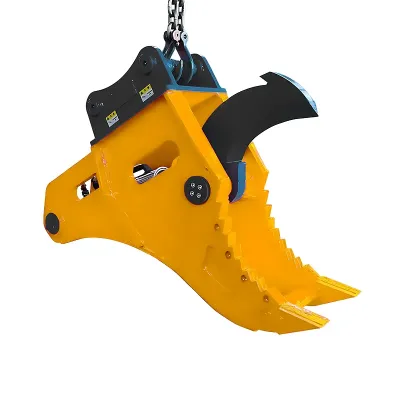
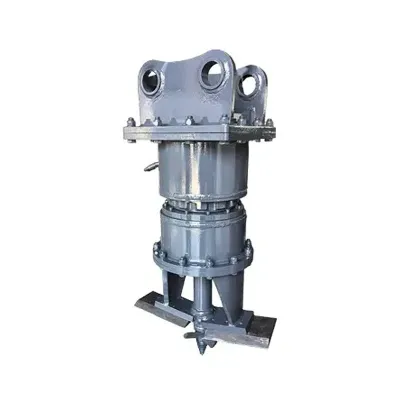
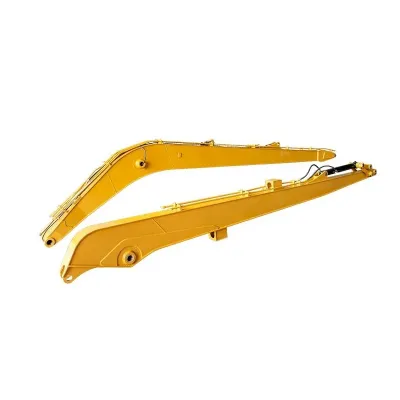
Excavators are surprisingly versatile when it comes to vegetation clearing—whether you're trimming hedges, knocking down brush, or maintaining rights-of-way. The trick to getting the job done efficiently is matching the attachment to the vegetation you're dealing with, the size of the project, and the conditions on-site. This guide walks you through the main attachment options for excavator-based vegetation clearing and helps you zero in on the right tool for the task at hand.
Vegetation Types and Attachment Matching
Not all vegetation is the same, and different growth calls for different cutting approaches. Fine vegetation, formal hedges, and shrubs are best handled by reciprocating hedge cutters, which deliver a clean, even shear with minimal debris. Woody branches, thicker hedges, and mixed brush up to 10 cm in diameter are a better fit for disc hedge trimmers, with multiple rotating circular saw blades that chew through material quickly. If you're tackling heavier land clearing with small trees and thick brush over 10 cm, a dedicated forestry mulcher or tree shear is probably a better match than a hedge trimmer. The first step in picking an attachment is figuring out what kind of vegetation you're up against and choosing a configuration that's built for it.
Project Scale and Productivity
The size of the job influences both the attachment and the excavator you should be running. Small-scale landscaping, hedge maintenance, and property work can be handled by mini excavators with lighter hedge trimmer attachments, while large-scale roadside clearing, right-of-way maintenance, and land clearing benefit from bigger excavators with wider cutting attachments. Cutting width is a big driver of productivity—wider units cover more ground per pass but need more lift capacity and hydraulic flow. For wide-open hedgerows or long stretches of roadside vegetation, a wider disc hedge trimmer (140 to 170 cm) will keep you moving. For intricate landscaping and tight spots, a narrower unit (110 to 1200 mm) is more maneuverable and precise.
Working Environment and Site Conditions
The site itself can steer your attachment choice in a few ways. Work near buildings, roads, or pedestrian areas leans toward reciprocating hedge cutters, which generate less vibration and kick up fewer flying debris than spinning disc blades. Confined work areas, steep slopes, and sites with limited access favor mini excavators with lighter, narrower attachments. Open sites with long hedgerows or extensive roadside vegetation are better suited to larger excavators with wider cutting units. Also factor in overhead obstacles, underground utilities, and terrain stability—the excavator needs to be able to position safely and reach the vegetation without compromising stability. If your site has mixed conditions, consider whether a quick-coupler system that lets you swap attachments makes sense.
Excavator Compatibility
Every vegetation clearing attachment has to be matched to the excavator's lift capacity, auxiliary hydraulic flow and pressure, and mounting geometry. Disc hedge trimmers run from 75 to 110 kg and are a good fit for mini to mid-size excavators, while reciprocating hedge cutters range from 120 to 260 kg and cover 2 to 15 ton machines. The attachment weight plus cutting loads need to stay within the excavator's lift capacity at the working reach. The auxiliary hydraulic circuit has to deliver enough flow and pressure—disc units need sufficient flow to maintain 2500 rpm blade speed, while reciprocating units run at 15 MPa with 30 to 60 L/min depending on the model. Custom mounting brackets matched to the excavator's pin spacing, pin diameter, and linkage geometry ensure a proper fit and safe operation.
Attachment Selection Summary
For formal hedge maintenance, shrub trimming, and fine vegetation work where cut quality is a priority, go with a reciprocating hedge cutter. For woody branches, thicker hedges, roadside brush, and land clearing where speed and branch capacity matter, choose a disc hedge trimmer. For mini excavators and confined work areas, pick the lightest model that meets your vegetation needs. For large-scale projects with lots of open vegetation, go with a wider cutting unit on a bigger excavator. Always double-check excavator compatibility before ordering, and think about whether running multiple attachments on a quick-coupler system makes sense for mixed vegetation work.
For product details, check out the disc hedge trimmer and reciprocating hedge cutter product pages. A full overview of available configurations is on the excavator hedge trimmers category page.