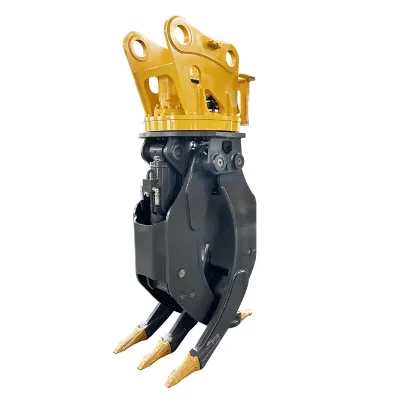
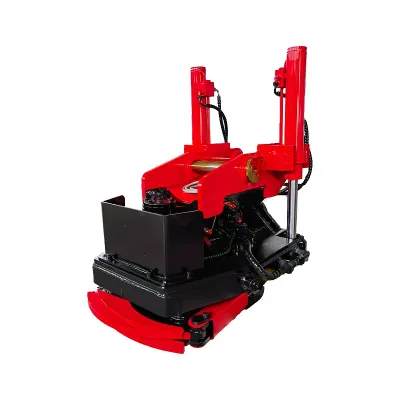
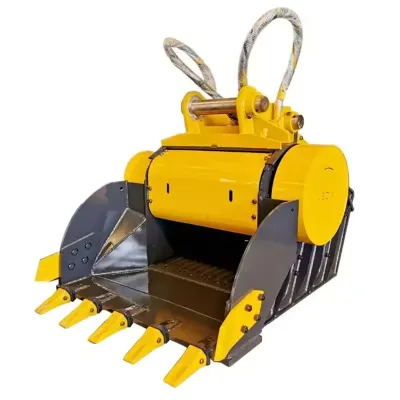
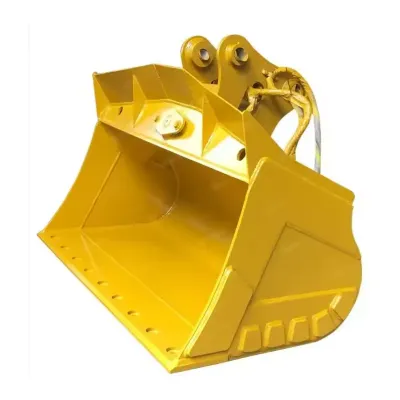
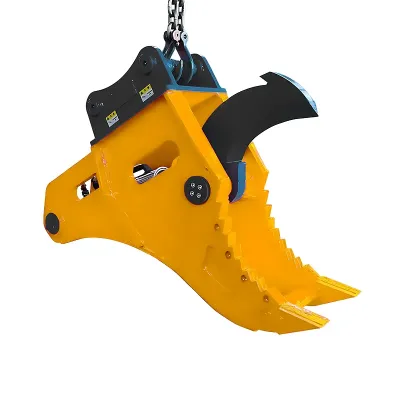
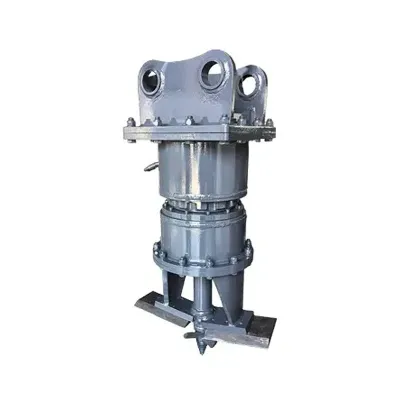
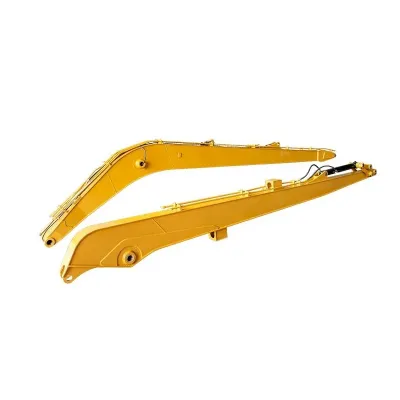
In the excavator attachment world, "metal shear" and "scrap shear" get thrown around like they mean the same thing—but they don't. They're two distinct configurations, each built for different materials and different goals. If you're a scrap processor, demolition contractor, or equipment dealer, knowing the difference is what separates a smart buy from an expensive mismatch. Both attachments use hydraulic power to drive jaws through steel and other metals, but the way they're designed—jaw shape, blade setup, force distribution, and overall build—gives each one a clear performance edge in its own lane.
Defining the Two Configurations
A scrap metal shear is a purpose-built metal cutter. Every detail—jaw geometry, blade angle, force concentration—is dialed in for one thing: chewing through steel, structural sections, plate, rebar, and other ferrous and non-ferrous metals as efficiently as possible. The blade material and hardfacing are chosen specifically for abrasive metal cutting, and the whole rig is built to handle the high-force, high-cycle grind of a busy scrap yard or steel processing facility.
A scrap shear, especially the double-cylinder variety, is more of a generalist. It's designed to handle a broader mix of scrap—bulky, irregular stuff that might not fit neatly into a dedicated metal shear's jaws. The twin-cylinder layout spreads cutting force evenly across the full jaw width, which keeps wide or lopsided material from twisting or squirming out of the cut. Scrap shears usually have bigger jaw openings to swallow bulky items, and many come with rotation to make handling easier in a yard setting. They're great for general scrap, but they won't match the raw cutting efficiency of a dedicated metal shear on heavy, thick steel.
Jaw Geometry and Blade Design Differences
The biggest difference between the two is right there in the jaws. Dedicated metal shears have a jaw profile that's all about concentrating force on the material—shallower throat, aggressive blade angle, and a geometry that puts maximum effective force right on the cutting edge. That design shines when you're working with thick plate, heavy structural sections, or solid bar stock, where you need every pound of force focused on a single point to get a clean, fast cut. The blades themselves are made from high-strength alloy steel with hardfacing formulated specifically for metal-cutting wear patterns, not just general abrasion.
Scrap shears, on the other hand, have wider jaw openings and a more open throat to accommodate bulky, awkward scrap like bundled wire, mixed demolition debris, big structural assemblies, or vehicle frames. The double-cylinder setup on many scrap shears spreads force evenly across the jaw, which prevents the material from twisting or shifting when you're cutting wide or odd-shaped pieces. The blade configuration is more of a jack-of-all-trades, handling everything from thin sheet metal to moderate structural sections. But that versatility comes at a cost: the force is spread over a wider area rather than concentrated at a single point. If your bread and butter is thick, heavy steel, the concentrated force of a dedicated metal shear will give you faster, cleaner cuts. If you're dealing with mixed, bulky scrap, the wider opening and balanced force of a scrap shear are a better fit.
Application Suitability and Material Handling
Which one you choose comes down to what you're processing most of the time. Dedicated metal shears are the go-to for steel service centers, scrap yards that handle mostly heavy sections and plate, and industrial demolition jobs where thick structural steel is the norm. In those settings, the optimized geometry and concentrated force translate into faster cycle times, cleaner cuts, and longer blade life than a scrap shear trying to do the same job. Metal shears also excel when you need to cut steel to specific sizes for downstream shredding or baling—the clean, precise cuts give you more uniform material.
Scrap shears, particularly the rotating double-cylinder models, are the workhorses of general scrap yards, mixed demolition debris processing, and operations that see a little bit of everything. The wide jaw opening takes bulky items that wouldn't fit in a metal shear, and the balanced double-cylinder force ensures that even irregular materials get cut cleanly without jamming or twisting. The rotating housing, common on scrap shears, lets the operator dial in the perfect angle for each piece, which really boosts efficiency in a yard where materials come in all shapes and sizes. If you're processing a mix of sheet metal, structural sections, pipe, rebar, and bulky assemblies, the versatility of a scrap shear often outweighs the raw cutting power of a dedicated metal shear. For a deeper dive into picking the right one, check out our excavator shear selection guide.
Cutting Force and Productivity Considerations
When you're comparing cutting force between metal shears and scrap shears, don't just look at the numbers on the spec sheet. There's a big difference between nominal cylinder force and the effective force that actually hits the material. A scrap shear with dual cylinders might have a higher total force on paper, but that force is spread across a wider jaw, so the pressure at any single point is lower. A dedicated metal shear with a single cylinder might have less total force, but the jaw geometry concentrates that force right on the cutting edge, giving you more effective cutting power on thick material. That's why a metal shear can often cut through thicker steel than a scrap shear with a higher nominal force rating.
Productivity isn't just about force, though—cycle time matters too. Metal shears with narrower jaws typically cycle faster because they need less hydraulic fluid to move the cylinder. Scrap shears with wider jaws and dual cylinders need more fluid, so their cycles are usually a bit slower. But that wider jaw opening can save you time on material positioning and feeding, especially with bulky items. That can offset the longer cycle time in a general scrap setting. If you're processing mostly thick, manageable steel sections, the faster cycles and concentrated force of a metal shear will give you higher productivity. If you're dealing with bulky, irregular materials, the easier handling and wider opening of a scrap shear might actually give you better overall throughput, even with longer individual cycles.
Making the Right Choice for Your Operation
Choosing between a metal shear and a scrap shear comes down to a few key factors: your primary material stream, your throughput goals, your excavator's hydraulic capacity, and your total cost of ownership. If you're processing mostly heavy steel sections, plate, and structural members, and you need clean, uniform cuts for downstream processing, a dedicated metal shear is the way to go. If you're handling mixed, bulky, irregular scrap and you value versatility and ease of material handling over maximum cutting force on thick steel, a double-cylinder scrap shear—especially with rotation—is a better fit.
If your operation processes a mix of heavy steel and general scrap, the decision usually comes down to which material makes up the bulk of your work. If heavy steel is 60% to 70% or more of what you process, a dedicated metal shear will likely give you the best overall performance. If general scrap, bulky materials, and mixed debris are the majority, a scrap shear will give you the flexibility to handle the full range efficiently. Some operations run both—a metal shear for heavy steel and a scrap shear for general material handling—which gives the highest productivity, but that means buying two attachments. For most operations, picking the configuration that best matches your primary material stream and processing goals gives you the best balance of performance, productivity, and return on investment. The full TGEC excavator shear range includes both dedicated metal shears and double-cylinder scrap shears in multiple sizes to match different excavator classes and processing needs.