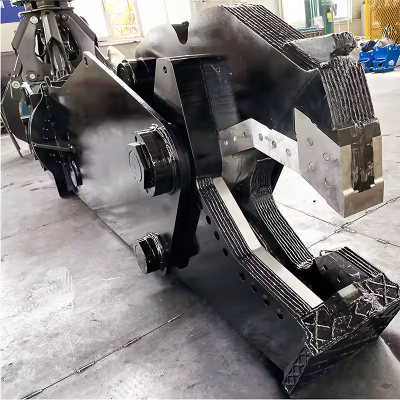
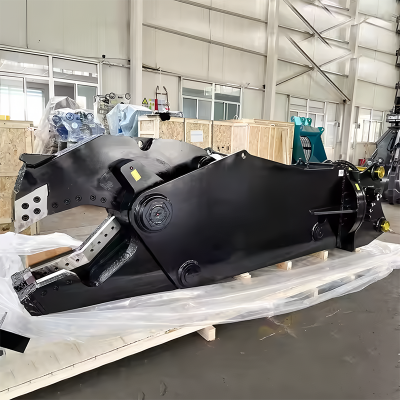
Product Overview
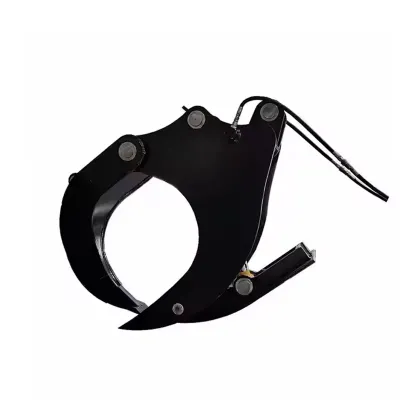
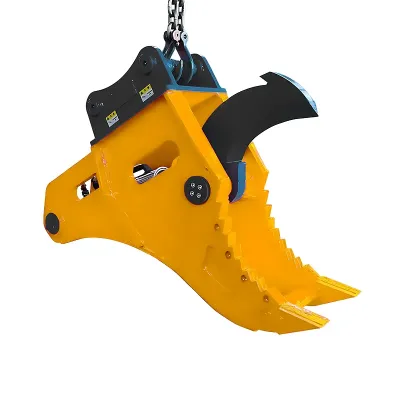
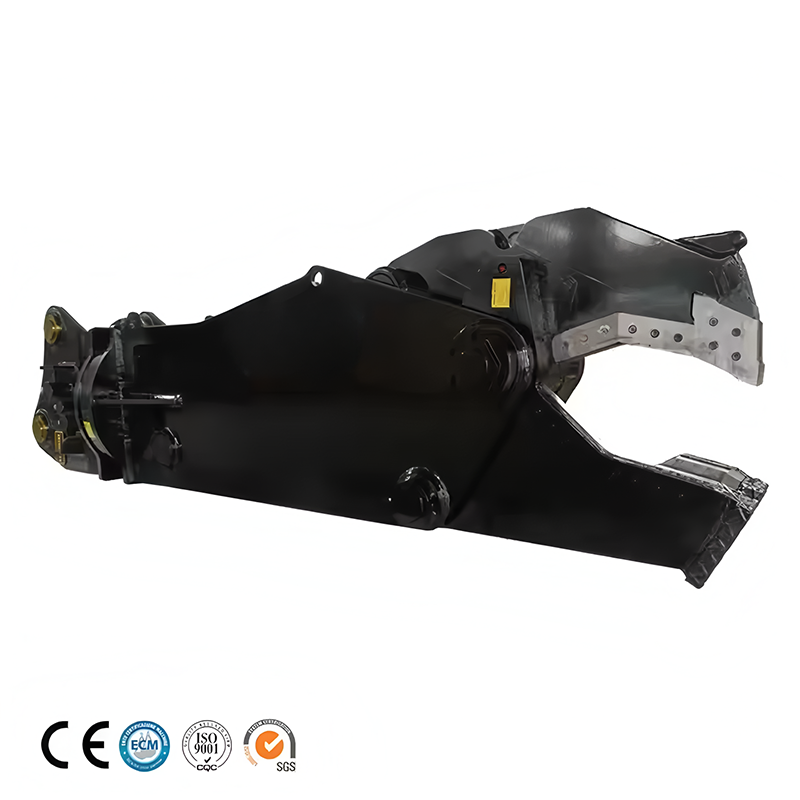
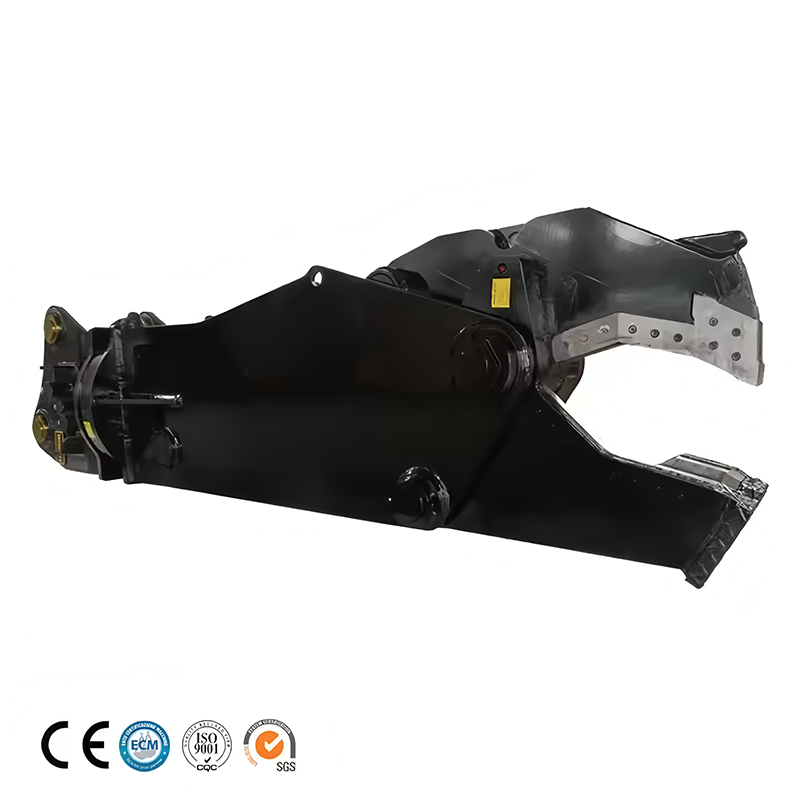
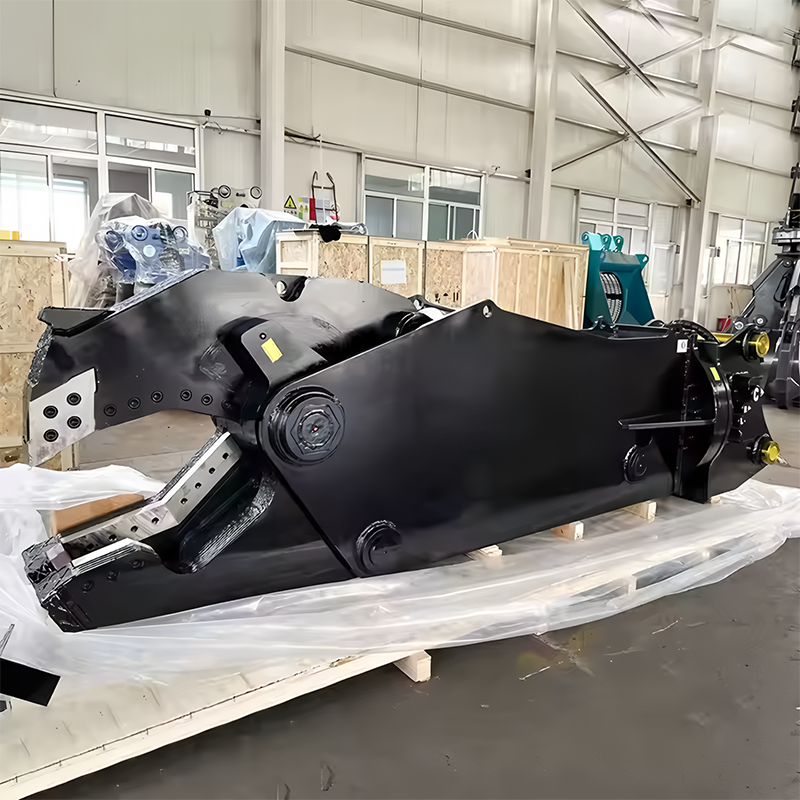
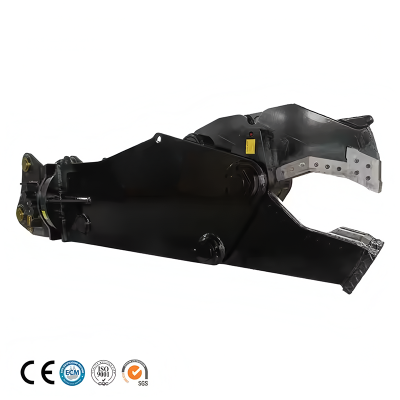
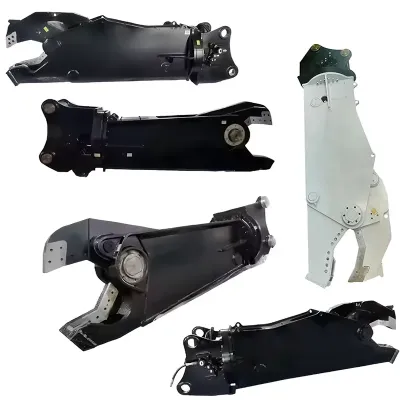
The TGEC scrap metal shear is a purpose-built metal cutting tool for scrap recyclers, steel processors, and demolition contractors processing ferrous and non-ferrous materials. Unlike multi-purpose shears that handle both concrete and steel, this model is configured solely for metal cutting, with jaw shape, blade angle, and cutting dynamics engineered for heavy structural sections, plate, rebar, and pipe.
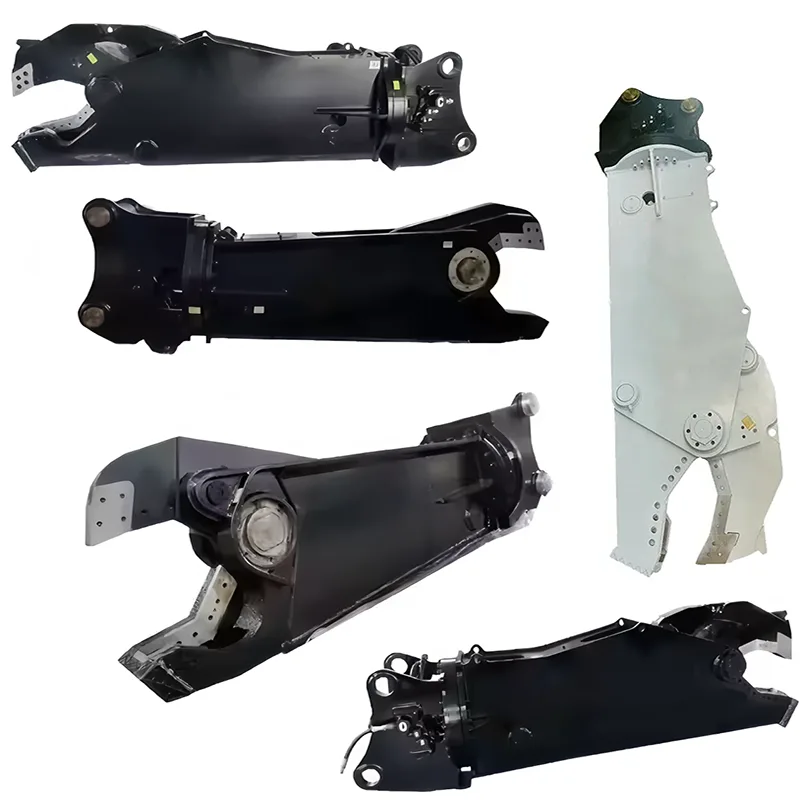
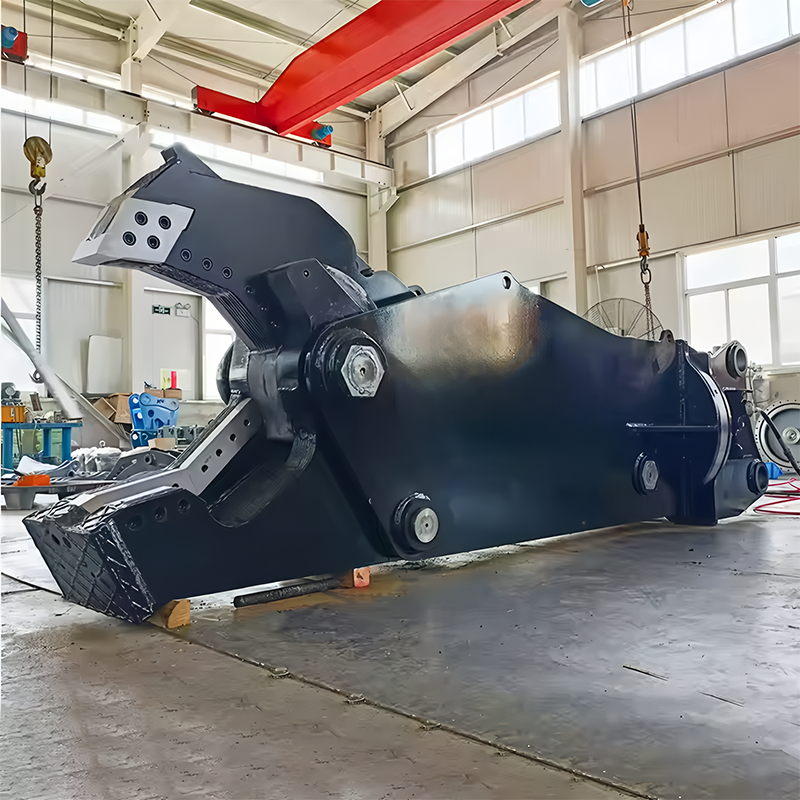
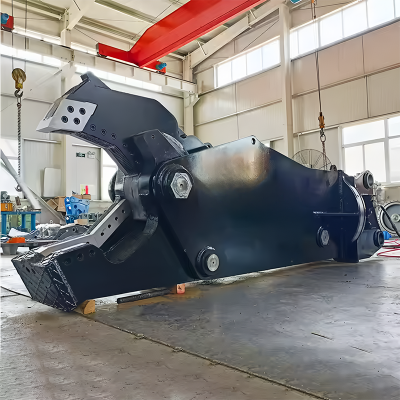
The jaw geometry and blade placement are configured to concentrate hydraulic force near the cutting edge, making the shear suitable for heavy structural steel, plate, pipe, and other demanding metal-cutting applications. The wide opening accommodates bulky beams and bundled scrap, while the heavy-duty construction is designed to withstand the constant high-force cycles of continuous scrap processing. High-strength alloy steel, hardened blades, and well-protected hydraulics make this shear suitable for scrap yards, metal recycling facilities, and steel processing operations.
This dedicated metal shear is part of the TGEC excavator shear family, and it's a different proposition than the double-cylinder scrap shear (which leans toward general scrap) or the multi-purpose demolition shear (which splits duty between concrete and steel). For a side-by-side breakdown, check out our metal shear vs scrap shear guide. And if you're running a smaller machine, our mini excavator shear guide covers compatibility.

Metal Cutting Configuration
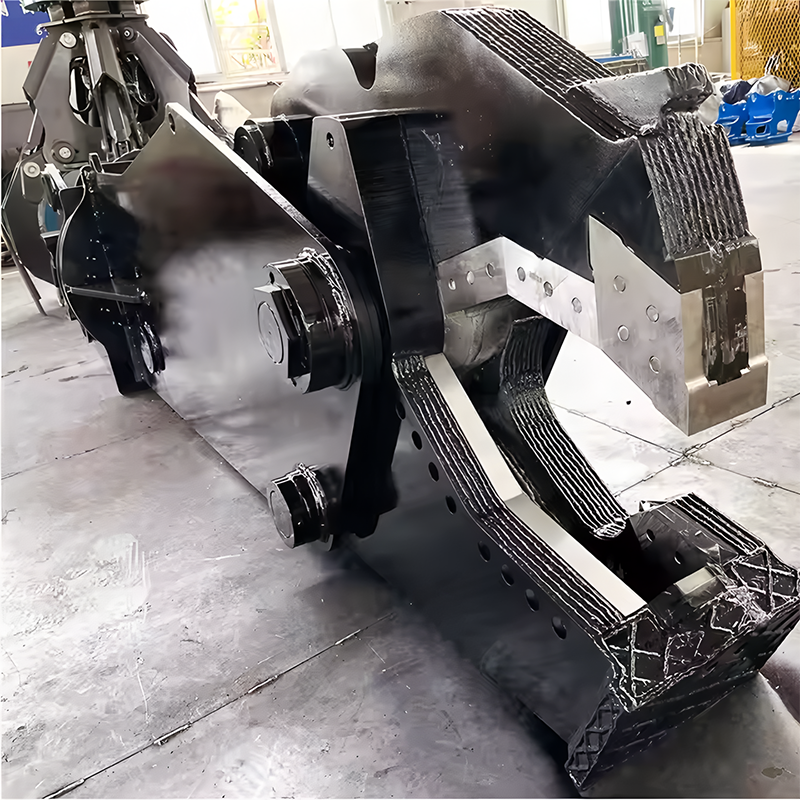
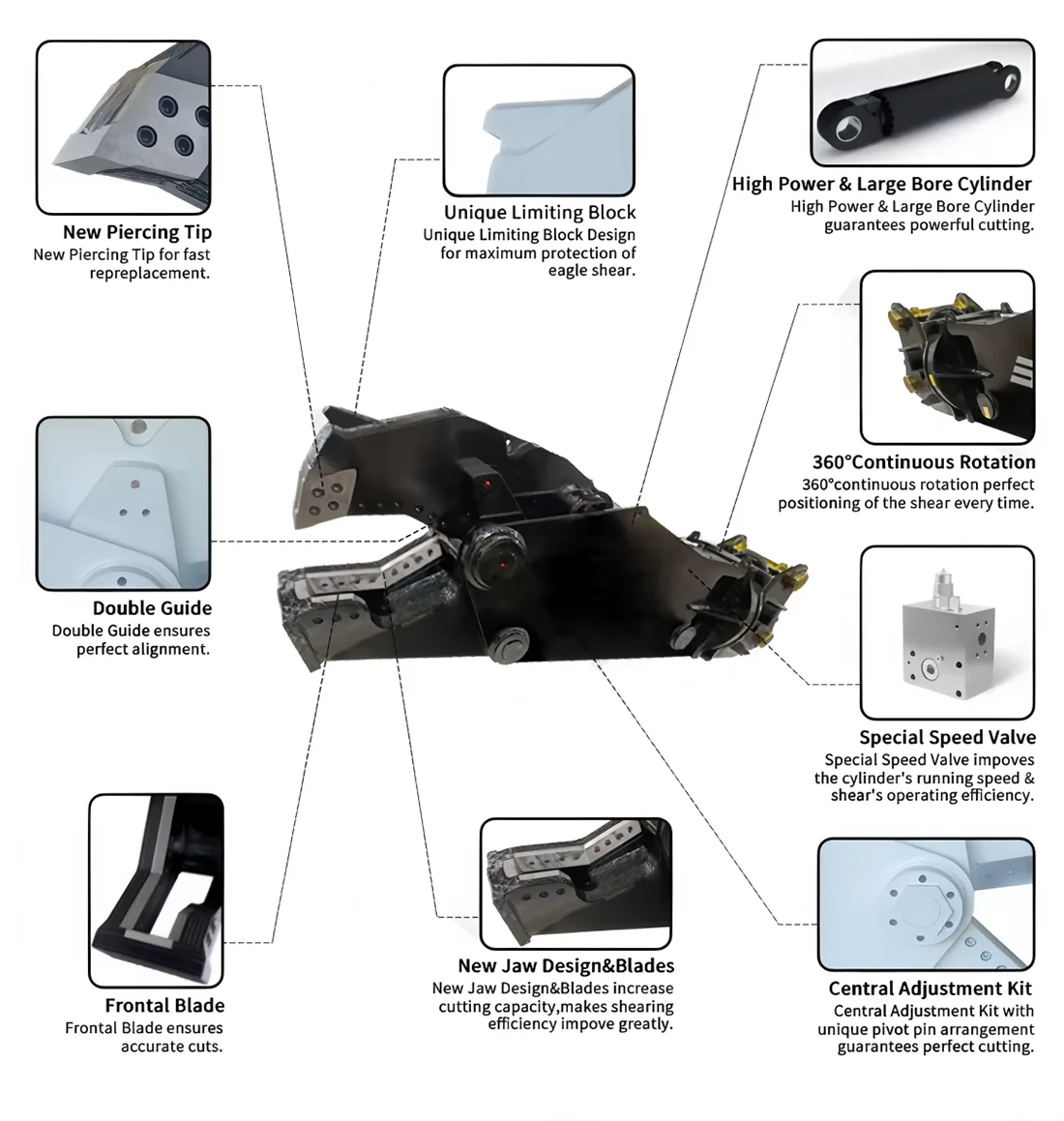
The scrap metal shear comes with a dedicated metal-cutting configuration—jaw geometry, blade angle, and force distribution are fine-tuned for steel. The blade placement is engineered to concentrate hydraulic force near the cutting edge for thick sections and structural members. The blades are made from high-strength alloy steel with hardened cutting edges for abrasive scrap applications, and they are reversible to extend usable blade life. The jaw opening is roomy enough to take bulky beams and bundled material, but still maintains the cutting force required for efficient processing.
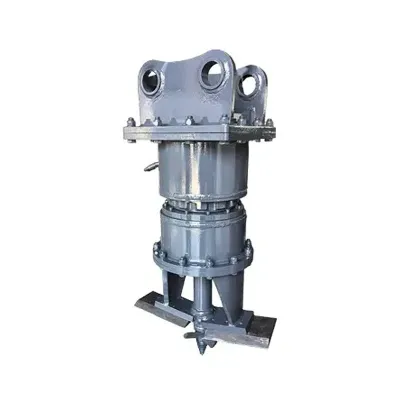
A heavy-duty guard shields the cylinder rod from impact and flying debris, and the hydraulic hoses are tucked into protected channels inside the shear body to keep them safe from sharp metal edges. Hardened pivot pins and bushings take the repeated high-load action and come with grease fittings for extended service life. The main body is built from abrasion-resistant steel, with extra reinforcement around the pivot points, cylinder mounts, and jaw arms where the stress is greatest. The whole unit is engineered for continuous, high-force cutting in demanding scrap metal environments. A rotating housing is available as an option for jobs where 360-degree positioning is a must for efficient material handling.
Models and Specifications
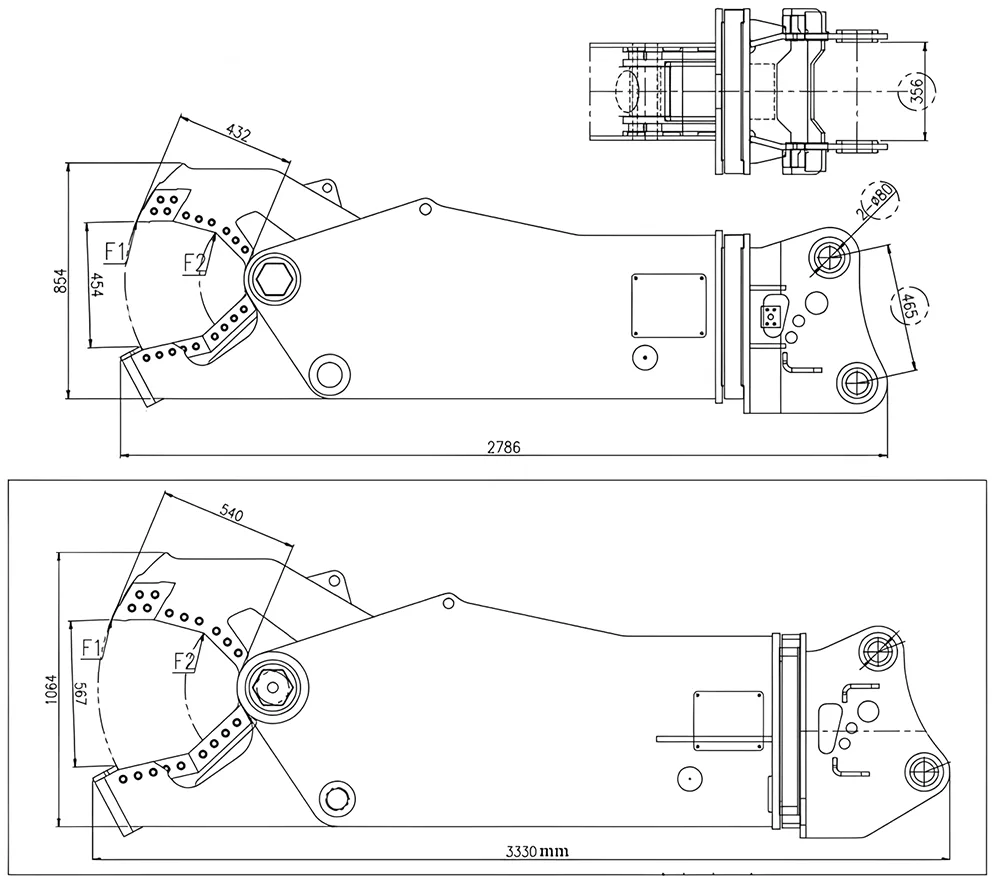
Three models cover excavators from 18 to 45 tons. All specifications include both metric and imperial units.
| Parameter | TG-MS20 | TG-MS25 | TG-MS30 |
|---|---|---|---|
| Max Opening | 454 mm (17.9 in) | 454 mm (17.9 in) | 468 mm (18.4 in) |
| Deep Height | 432 mm (17.0 in) | 642 mm (25.3 in) | 746 mm (29.4 in) |
| Weight | 1780 kg (3924 lb) | 2290 kg (5049 lb) | 2575 kg (5677 lb) |
| Working Pressure | 190 bar (2756 psi) | 225 bar (3263 psi) | 270 bar (3915 psi) |
| Working Flow | 250–280 L/min (66.0–74.0 GPM) | 280–320 L/min (74.0–84.5 GPM) | 280–320 L/min (74.0–84.5 GPM) |
| Cutting Force | 816 kN (183440 lbf) | 1231 kN (276740 lbf) | 1724 kN (387570 lbf) |
| Excavator Class | 18–27 t (19.8–29.8 ton) | 25–32 t (27.5–35.3 ton) | 28–45 t (30.9–49.6 ton) |
Table data is for reference only. Actual specifications may vary based on the final configuration. Please contact the TianGe technical team for model-specific specifications and excavator compatibility information.
Application Scenarios
Scrap metal recycling: Cut steel plate, structural sections, rebar, pipe and mixed ferrous and non-ferrous metals in scrap yards and recycling facilities.
Steel processing: Process steel offcuts, plate remnants and structural sections in steel processing operations, fabrication shops and steel service centers.
Industrial demolition: Cut heavy steel structures, equipment frames and industrial components during plant decommissioning and industrial demolition projects.
Installation and Mounting
The shear attaches via a custom bracket built to match the excavator's make, model, and pin dimensions. Both pin-on and quick-coupler setups are available. Hydraulic hookups include supply and return lines for the jaw cylinder, and a separate circuit if the rotation option is specified. Before operation, confirm that auxiliary flow and pressure fall within the recommended range, and grease all pivot points. For more detailed hydraulic matching, see our shear attachment selection guide.
Maintenance and Wear Parts
The cutting blades are the main wear items in metal processing—inspect them daily and reverse or replace them when they start to show significant wear. Inspect the cylinder rod and seals for leaks or damage, and verify the cylinder guard is still in place. Pivot pins and bushings need grease every day during heavy use, and inspect them periodically for excessive play. Also inspect hydraulic hoses and the shear body for cracks, wear, or damage at stress points. TGEC carries a full line of replacement parts, including blades, pins, bushings, cylinder seal kits, hoses, and rotation components for rotating models.
Request a Quote — Scrap Metal Shear
Provide the excavator make and model, operating weight, auxiliary hydraulic flow and pressure, primary application, typical material types and thickness, mounting or coupler type, whether rotation is required, and the quantity required. The TGEC team will confirm the correct model, verify hydraulic compatibility, supply the correct bracket, and provide a detailed quotation. Dealers and OEM partners are welcome to contact us regarding volume pricing and private-label options.