Product Overview
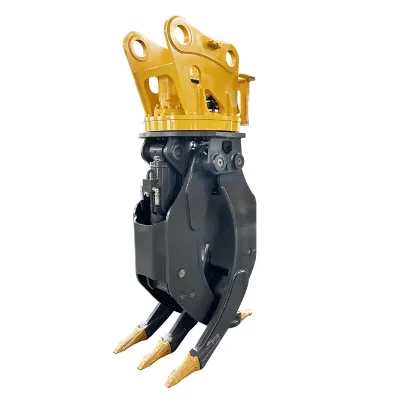
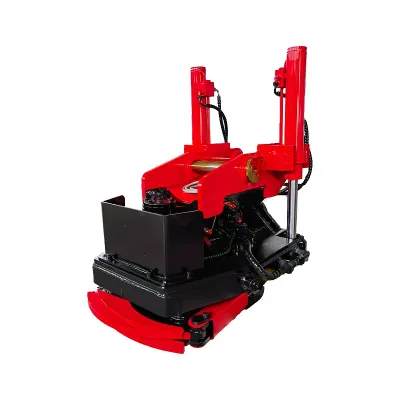
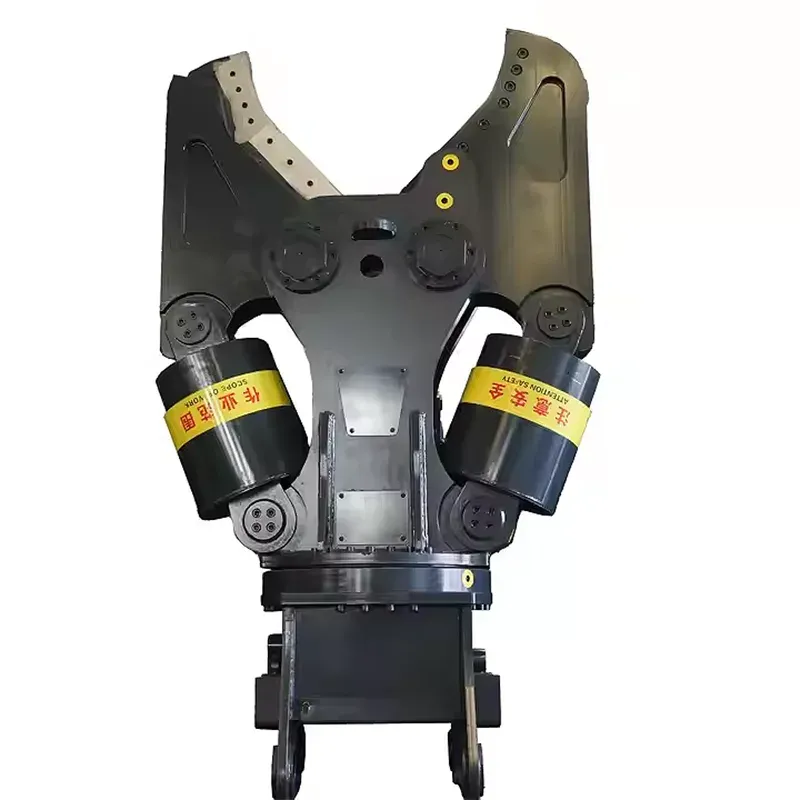
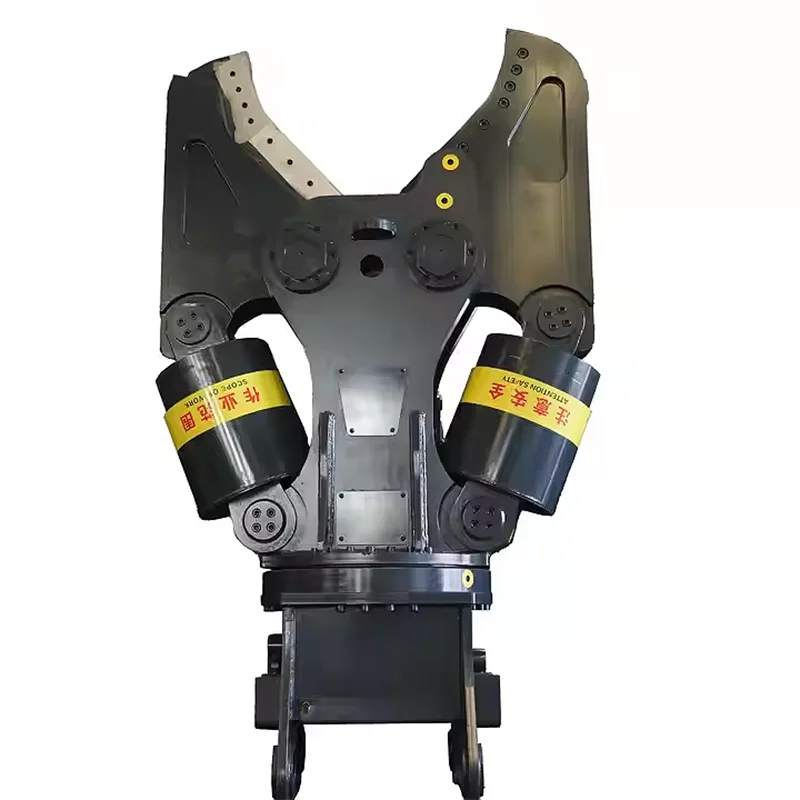
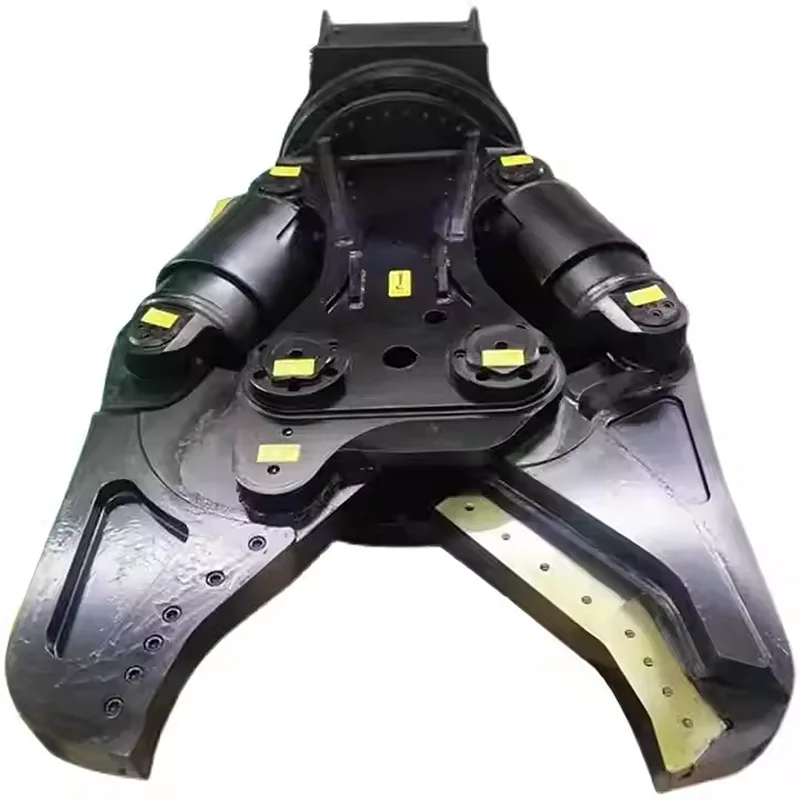
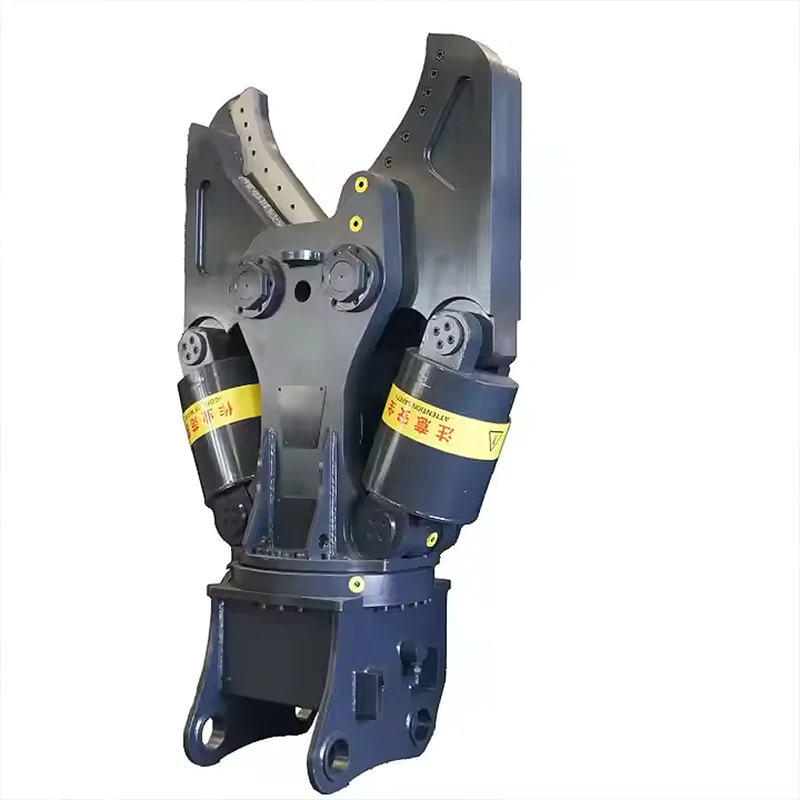
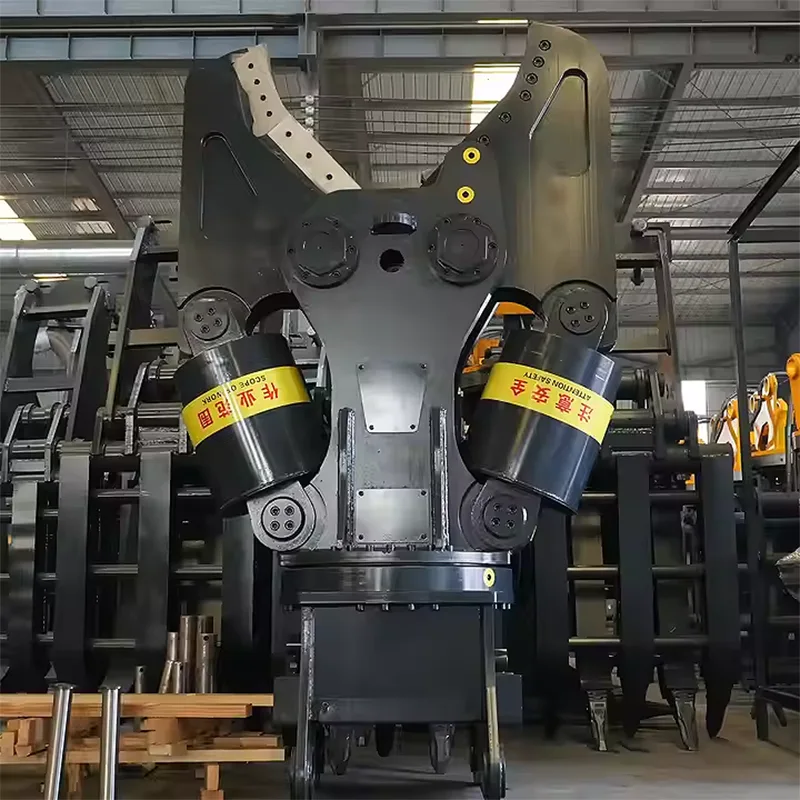
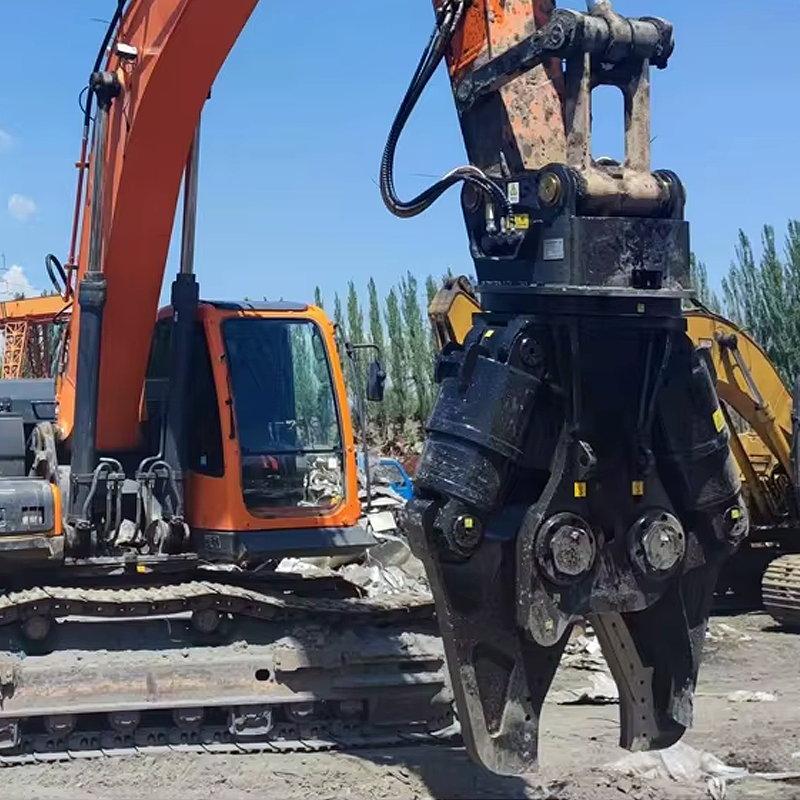
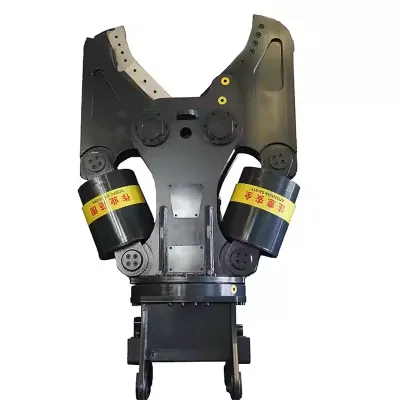
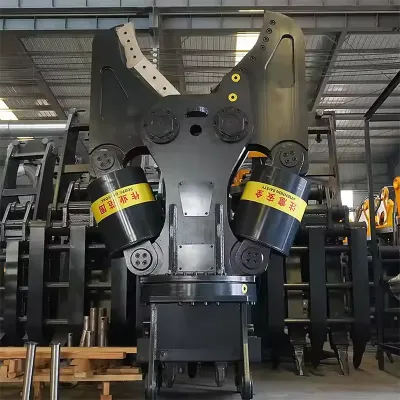
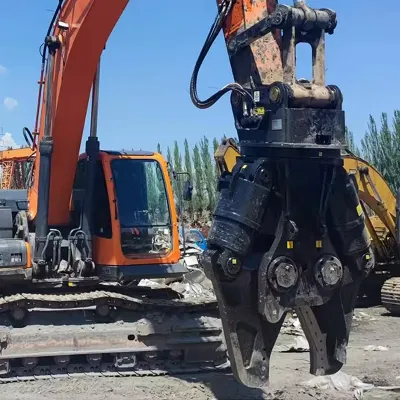
The TGEC rotating double-cylinder scrap shear is designed for scrap yards, demolition contractors, and metal recyclers processing mixed scrap metal, pipe, rebar, and assorted ferrous materials. With twin cylinders driving the jaw, the design distributes cutting force across the jaw width and helps reduce uneven loading compared with single-cylinder configurations. This balanced force distribution is particularly beneficial when processing wide or irregularly shaped materials.
The 360° rotating housing allows the operator to rotate the shear to any angle, improving workflow efficiency in tight or cluttered scrap piles. The construction is tough enough to withstand repeated high-force cycles, with a wide jaw opening that accommodates bulky materials and blades that handle both structural sections and lighter gauge material. High-strength alloy steel, hardened pivot points, and well-shielded hydraulics make this shear a reliable attachment for continuous use in harsh scrap and demolition conditions.
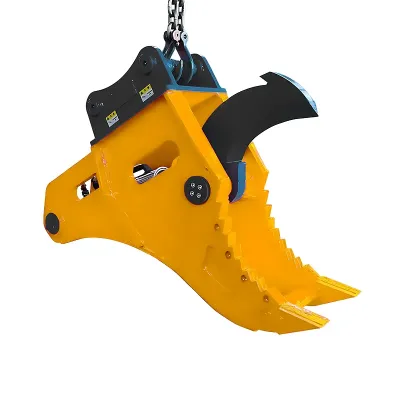
This double-cylinder scrap model is part of the broader TGEC excavator shear family. It's a distinct configuration than the multi-purpose demolition shear, which leans toward concrete and mixed debris, and the scrap metal shear, which focuses on heavy steel. For a clear breakdown of the differences, see our metal shear vs scrap shear guide.
Dual-Cylinder Cutting System
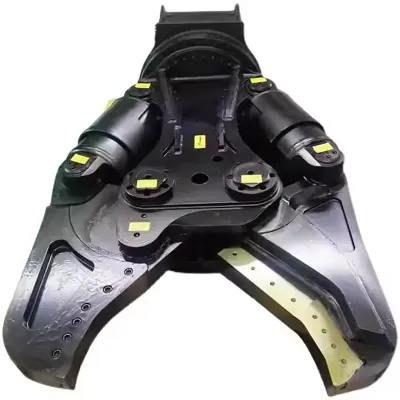
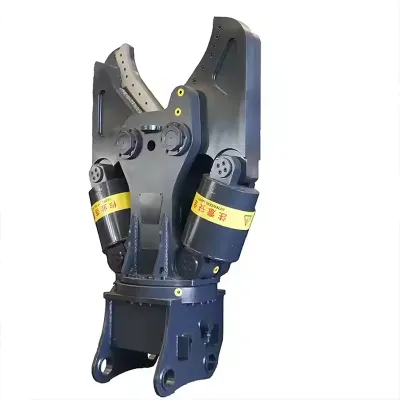
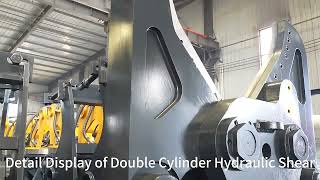
The dual-cylinder setup uses two synchronized hydraulic rams to drive the jaw, distributing cutting force evenly across the full width. The two-cylinder layout distributes hydraulic force across the jaw and is intended to provide more balanced loading when material is not perfectly centered. Heavy-duty guards protect the cylinder rods from flying debris and sharp edges, and the hydraulic hoses are tucked into protected channels inside the shear body to reduce the risk of snags or damage.
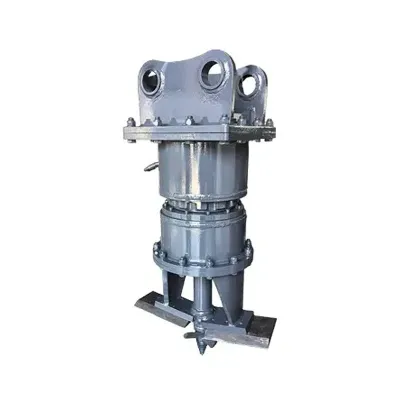
A hydraulic rotation motor delivers 360° rotation, controlled from the cab through the auxiliary hydraulics, so operators can pivot the shear quickly without repositioning the machine. Hardened pivot pins and bushings are built to handle the oscillating loads and come with grease fittings to maximize service life. The blades are bolt-on and reversible, making field swaps fast and straightforward. The main structure is fabricated from abrasion-resistant steel, with extra reinforcement around the pivot points, cylinder mounts, and jaw arms where stress is highest.
Models and Specifications
Four models cover excavators from 6 to 30+ tons. All specifications include both metric and imperial units.
| Parameter | DES-100 | DES-150 | DES-290 | DES-390 |
|---|---|---|---|---|
| Weight | 500 kg (1102 lb) | 1100 kg (2425 lb) | 2850 kg (6283 lb) | 3300 kg (7275 lb) |
| Opening Length | 500 mm (19.7 in) | 650 mm (25.6 in) | 850 mm (33.5 in) | 850 mm (33.5 in) |
| Blade Length | 400 mm (15.7 in) | 500 mm (19.7 in) | 670 mm (26.4 in) | 670 mm (26.4 in) |
| Height | 1360 mm (53.5 in) | 1820 mm (71.7 in) | 2350 mm (92.5 in) | 2350 mm (92.5 in) |
| Width | 810 mm (31.9 in) | 1080 mm (42.5 in) | 1350 mm (53.1 in) | 1350 mm (53.1 in) |
| Rated Pressure | 180 bar (2610 psi) | 240 bar (3480 psi) | 300 bar (4351 psi) | 300 bar (4351 psi) |
| Rated Flow | 180 L/min (47.6 GPM) | 230 L/min (60.8 GPM) | 260 L/min (68.7 GPM) | 380 L/min (100.5 GPM) |
| Working Pressure | 180 bar (2610 psi) | 240 bar (3480 psi) | 300 bar (4351 psi) | 300 bar (4351 psi) |
| Excavator Class | 6–9 t (6.6–9.9 ton) | 13–16 t (14.3–17.6 ton) | 20–30 t (22–33 ton) | ≥30 t (≥33 ton) |
Table data is for reference only. Actual specifications may vary based on the final configuration. Please contact the TianGe technical team for model-specific specifications and excavator compatibility information.
Application Scenarios
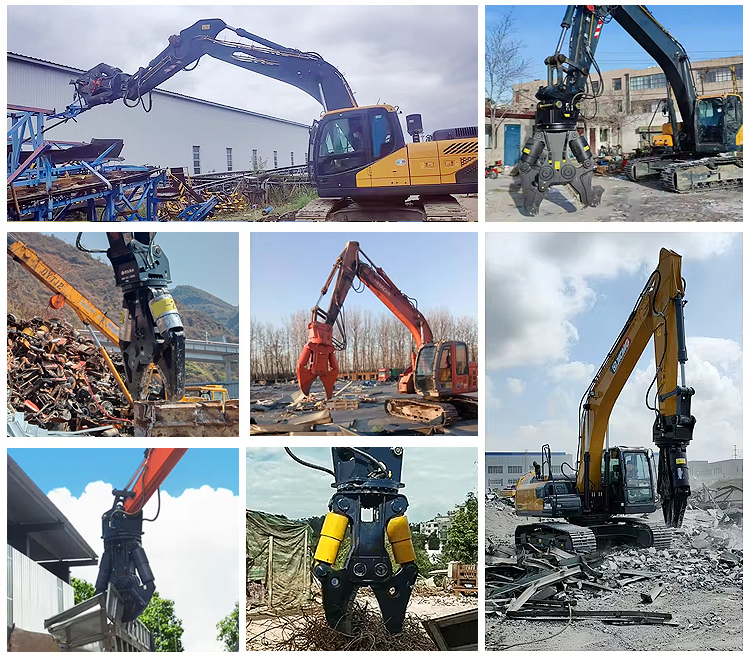
General scrap processing: Cut structural steel, pipe, rebar and mixed scrap metal in scrap yards and recycling facilities.
Demolition debris processing: Cut steel framing, rebar and structural elements from building demolition for recycling or disposal.
Industrial decommissioning: Process equipment frames, structural steel and industrial components during plant shutdown and decommissioning.
Installation and Mounting
The shear attaches through a custom bracket engineered for the specified excavator make, model, and pin spacing. We offer both pin-on and quick-coupler setups. Hydraulic hookups include supply and return lines for the two jaw cylinders, plus a dedicated circuit for the rotation motor. Before operation, verify that auxiliary flow and pressure fall within the recommended ranges, verify both cylinders are synced, and grease all pivot points. For detailed hydraulic matching guidance, see our shear attachment selection guide.
Maintenance and Wear Parts
The cutting blades are the primary wear items—inspect them daily and reverse or replace them as soon as significant wear is observed. Inspect the cylinder rods and seals for any leakage or scoring, and verify the cylinder guards are still secure. Pivot pins and bushings need grease every day during heavy use, and inspect them periodically for excessive play. Also inspect hydraulic hoses, the rotation motor, and the main body for cracks, dents, or stress fractures. TGEC supplies replacement parts including blades, pins, bushings, cylinder seal kits, hoses, and rotation components.
Request a Quote — Rotating Double-Cylinder Scrap Shear
Provide the excavator make and model, operating weight, auxiliary hydraulic flow and pressure, primary application, typical materials, mounting type (pin-on or quick coupler), and the quantity required. The TGEC team will confirm the correct model, verify hydraulic compatibility, supply the correct bracket, and provide a detailed quotation. Dealers and OEM partners are welcome to contact us regarding volume discounts and private-label options.