Product Overview
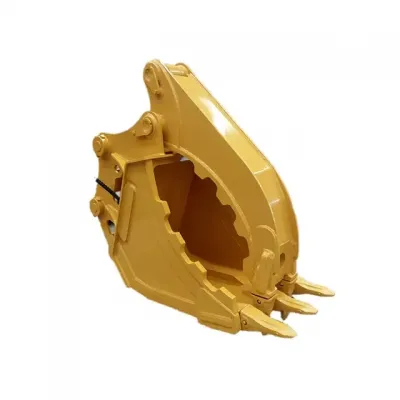
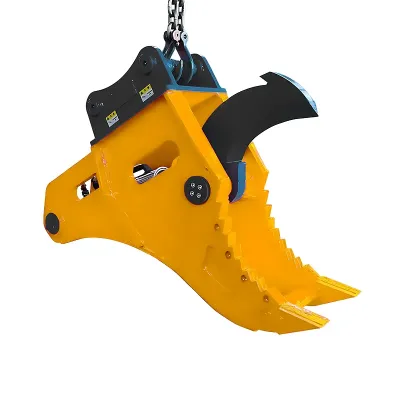
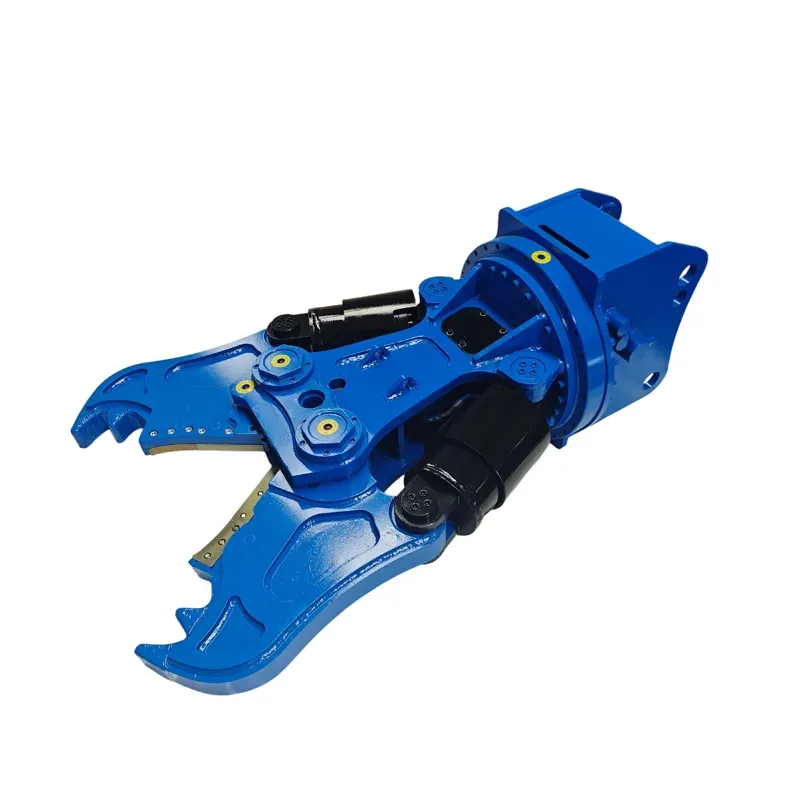
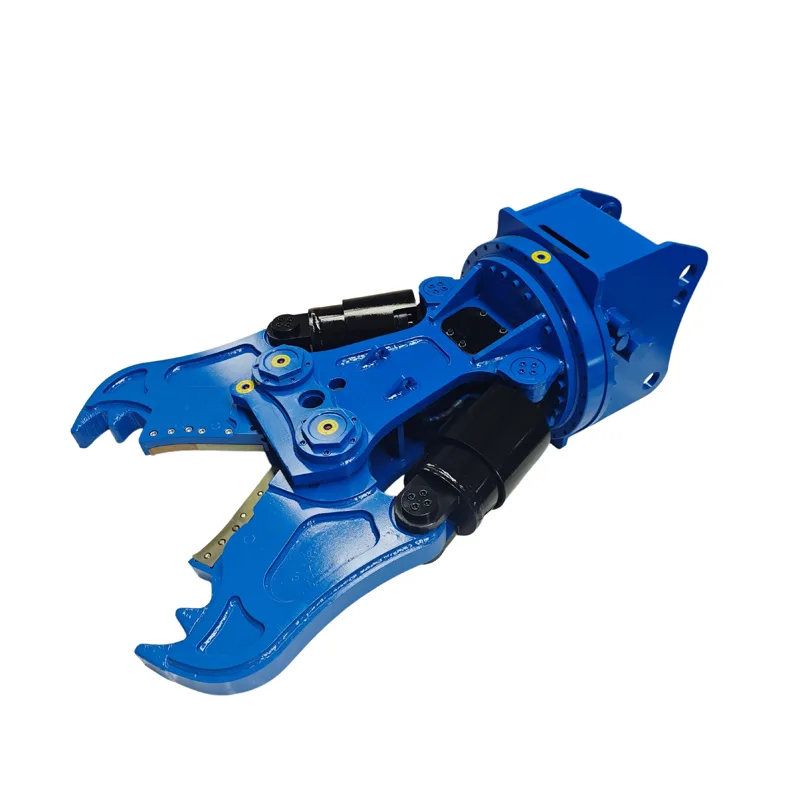
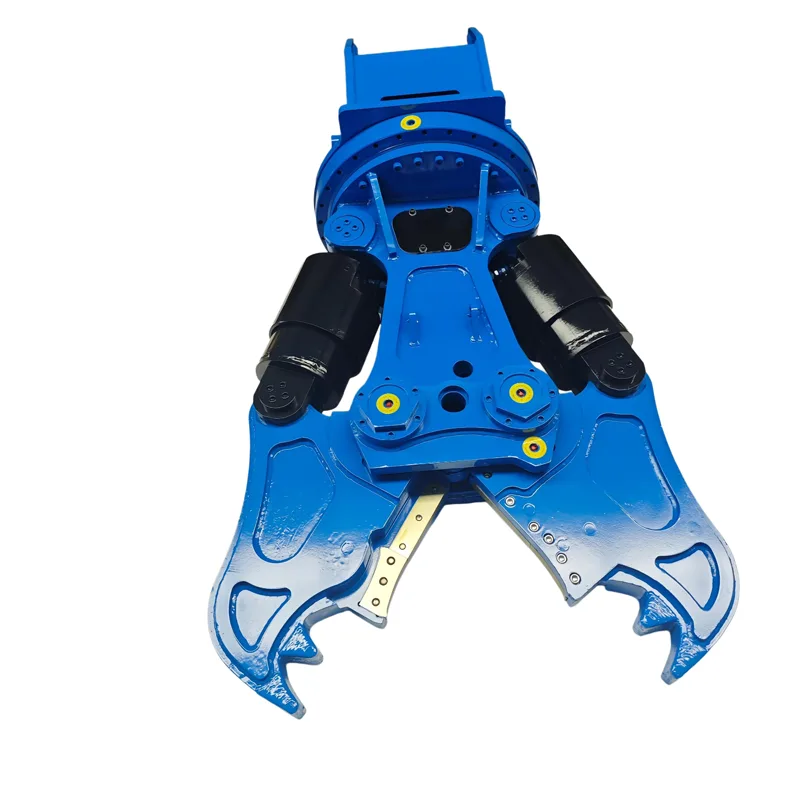
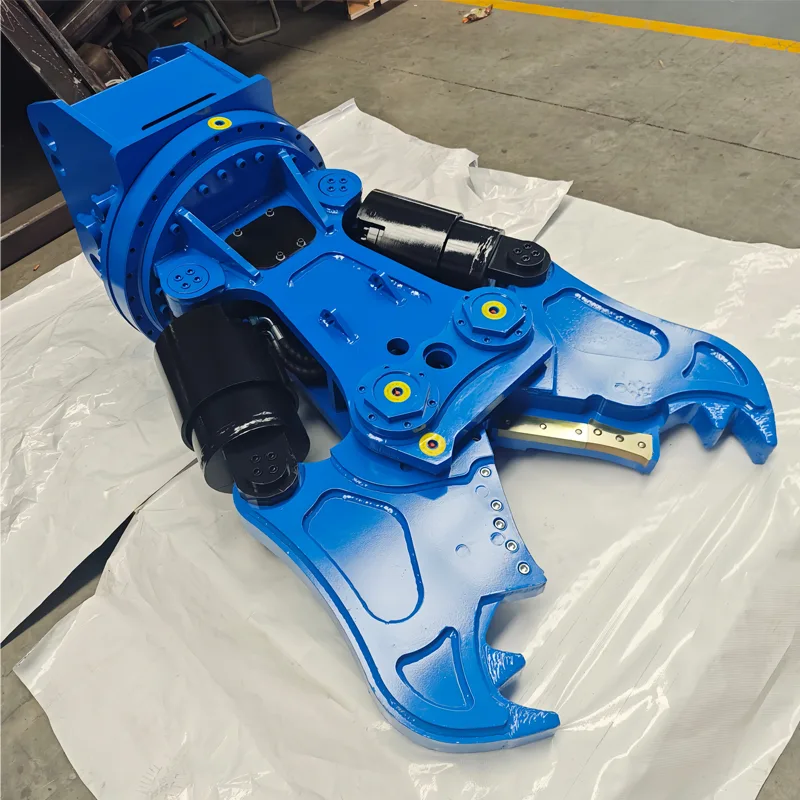
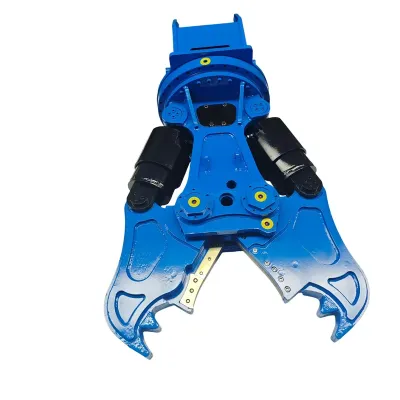
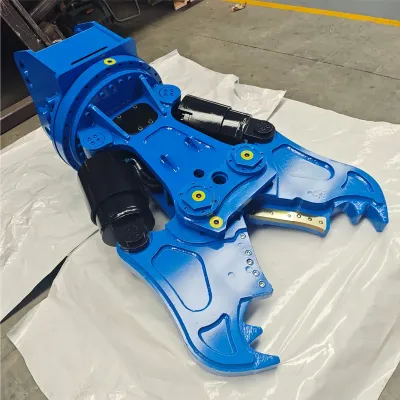
The TGEC rotating multi-purpose demolition shear is designed for demolition contractors, renovation crews, and structural dismantling teams requiring one attachment for concrete, rebar, light steel, and mixed structural materials. Unlike a dedicated metal shear or concrete pulverizer, this multi-purpose design is configured for mixed demolition work involving concrete, rebar, light steel, and other structural materials, reducing the need to change attachments between different stages of the job.
The 360° rotating housing allows the operator to angle the shear as required without repositioning the excavator, which is particularly useful in confined demolition sites and indoor work. The interchangeable blade system allows switching between concrete-cutting and metal-cutting blades quickly, and the blades are reversible to extend service life. High-strength alloy steel, hardened pivot points, and well-protected cylinders withstand the shocks and abrasion that come with demolition work.
This demolition model is part of the TGEC excavator shear family, and it's a distinct configuration than the vehicle dismantling shear (designed for auto recycling) or the double-cylinder scrap shear (designed for heavy scrap processing). To determine which shear best suits the application, see our excavator shear selection guide.
Demolition Cutting System
The hydraulic cutting system uses one or more cylinders to push the movable jaw against the fixed jaw, generating high cutting force through a pivot linkage. Cylinder guards shield the rods from flying debris, and hoses are routed inside the shear body to keep them protected from damage. Hardened pivot pins and bushings handle the heavy, low-speed action and come with grease fittings for longer life. The jaw geometry is configured for concrete cutting and light metal shearing, with blade positioning designed to support effective cutting across both material types.
The 360° continuous rotation is driven by a hydraulic motor and controlled from the cab via the auxiliary hydraulics, so operators can rotate the shear into position quickly. Bolt-on blade holders make field swaps quick and easy—concrete blades have serrated edges to grip and break up concrete, while metal blades have a sharper, narrower profile for clean cuts on steel. The main body is made from abrasion-resistant steel, with extra reinforcement around the pivot areas and cylinder mounts.
Models and Specifications
Five models cover excavators from 6 to 30 tons, including four Standard configurations and one European configuration. All specifications include both metric and imperial units.
| Parameter | TG-DHS04 | TG-DHS06-A | TG-DHS08 | TG-DHS10 | TG-DHS08-E |
|---|---|---|---|---|---|
| Style | Standard | Standard | Standard | Standard | European |
| Max Opening | 512 mm (20.2 in) | 780 mm (30.7 in) | 980 mm (38.6 in) | 1300 mm (51.2 in) | 800 mm (31.5 in) |
| Height | 1527 mm (60.1 in) | 2074 mm (81.7 in) | 2530 mm (99.6 in) | 2610 mm (102.8 in) | 2416 mm (95.1 in) |
| Width | 832 mm (32.8 in) | 1083 mm (42.6 in) | 1350 mm (53.1 in) | 1635 mm (64.4 in) | 1296 mm (51.0 in) |
| Weight | 530 kg (1168 lb) | 1240 kg (2734 lb) | 2100 kg (4630 lb) | 2347 kg (5174 lb) | 2057 kg (4535 lb) |
| Working Pressure | 210–250 bar (3046–3626 psi) | 220–260 bar (3191–3771 psi) | 260–300 bar (3771–4351 psi) | 280–320 bar (4061–4641 psi) | 280–320 bar (4061–4641 psi) |
| Working Flow | 90–120 L/min (23.8–31.7 GPM) | 80–100 L/min (21.1–26.4 GPM) | 100–120 L/min (26.4–31.7 GPM) | 150–180 L/min (39.6–47.6 GPM) | 200–250 L/min (52.8–66.0 GPM) |
| Cutting Force | 190 kN (42710 lbf) | 349 kN (78459 lbf) | 550 kN (123650 lbf) | 893 kN (200755 lbf) | 548 kN (123200 lbf) |
| Tip Force | 289 kN (64970 lbf) | 408 kN (91720 lbf) | 800 kN (179850 lbf) | 1370 kN (307990 lbf) | 774 kN (174000 lbf) |
| Closing Force | 707 kN (158940 lbf) | 994 kN (223460 lbf) | 1544 kN (347110 lbf) | 3084 kN (693330 lbf) | 2033 kN (457030 lbf) |
| Excavator Class | 6–8 t (6.6–8.8 ton) | 12–15 t (13.2–16.5 ton) | 18–24 t (19.8–26.5 ton) | 28–30 t (30.9–33 ton) | 18–24 t (19.8–26.5 ton) |
Table data is for reference only. Actual specifications may vary based on the final configuration. Please contact the TianGe technical team for model-specific specifications and excavator compatibility information.
Application Scenarios
Building demolition and renovation: Cut concrete slabs, columns, beams and structural elements while processing embedded rebar and light steel.
Structural dismantling and industrial decommissioning: Process light to medium structural steel, equipment frames, piping and mixed industrial debris.
Construction site cleanup: Process demolition debris, cut protruding rebar and steel, and prepare materials for recycling or disposal.
Installation and Mounting
The shear attaches via a custom bracket made for the specified excavator make, model, and pin dimensions. We offer both pin-on and quick-coupler options. Hydraulic lines include supply and return for the jaw cylinders plus a separate circuit for rotation. Before the first use, verify auxiliary flow and pressure fall within the specs, and grease all pivot points. For a deeper dive into hydraulic matching, see our shear attachment selection guide.
Maintenance and Wear Parts
The blades are the primary wear items—inspect them daily and reverse or replace them when they show significant wear. Pivot pins and bushings need grease every day during heavy use, and inspect them periodically for excessive play. Inspect cylinder rods, seals, and hydraulic hoses for leaks or damage, and verify the rotation motor runs smoothly. Also inspect the shear body and jaw arms for cracks or stress fractures. TGEC stocks a full range of replacement parts, including blades, pins, bushings, seal kits, hoses, and rotation components.
Request a Quote — Rotating Multi-Purpose Demolition Shear
Provide the excavator make and model, operating weight, auxiliary hydraulic flow and pressure, primary application, typical materials, mounting type (pin-on or quick coupler), and the quantity required. The TGEC team will confirm the correct model, verify hydraulic compatibility, supply the correct bracket, and provide a detailed quotation. Dealers and OEM partners are welcome to contact us regarding volume discounts and private-label options.