Product Overview
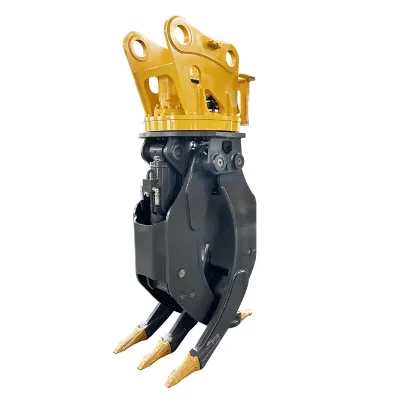
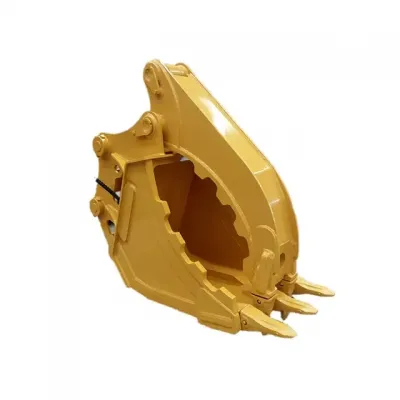
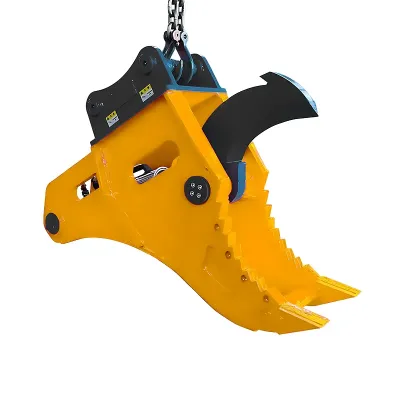
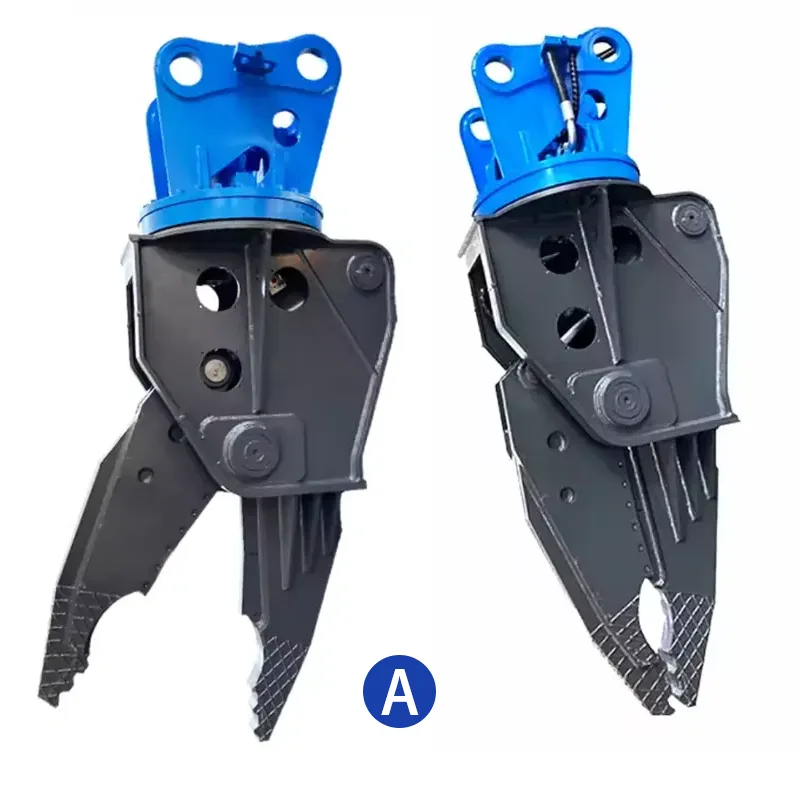
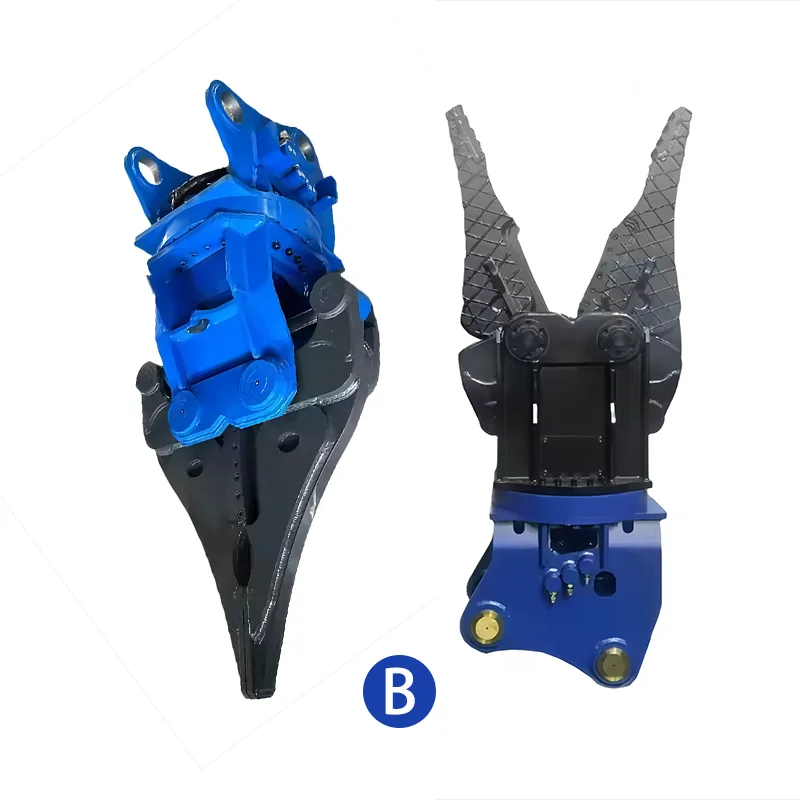
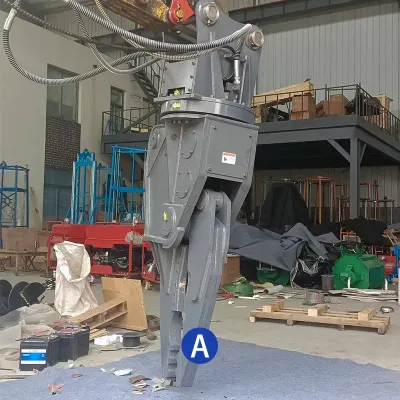
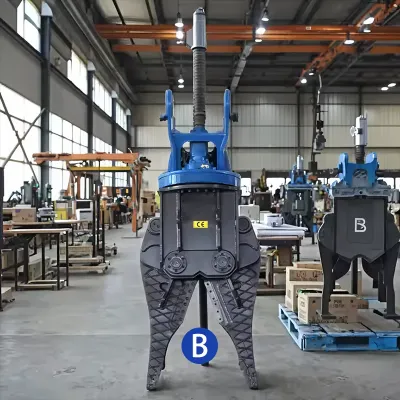
The TGEC rotating vehicle dismantling shear is designed for auto salvage yards, vehicle recycling facilities, and scrap processors that handle end-of-life cars, trucks, and vans. The jaw geometry and blade configuration are optimized for the mix of thin sheet metal, structural rails, and automotive components found in end-of-life vehicles. It is a distinct configuration from general demolition shears designed for concrete and structural steel. This model prioritizes rapid cycle times and precise jaw placement for high-volume vehicle processing.
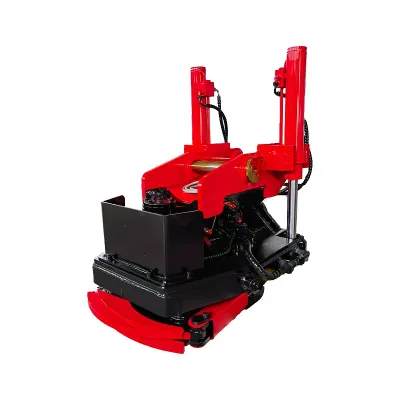
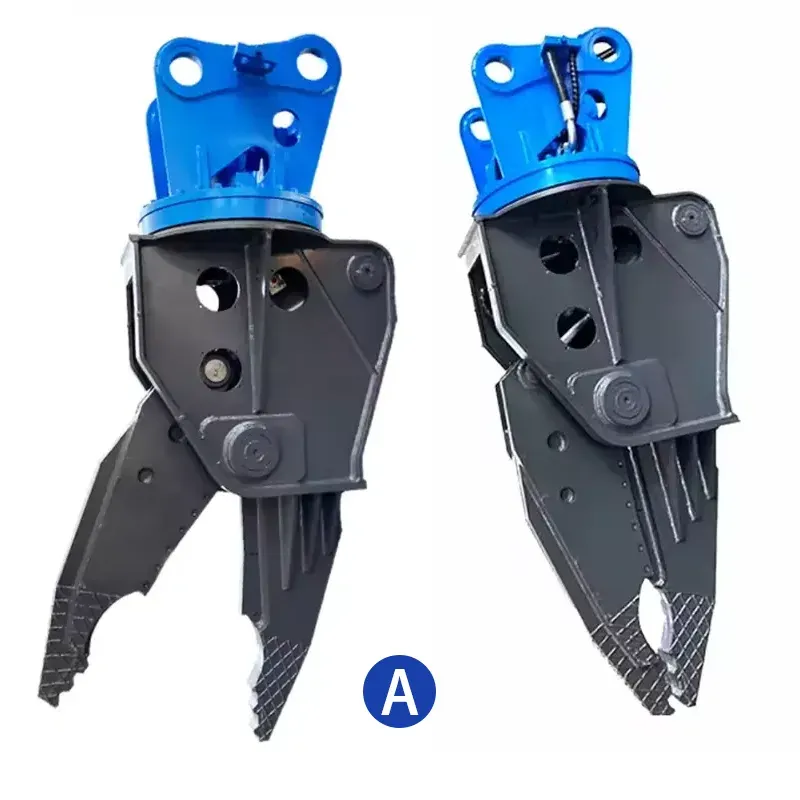
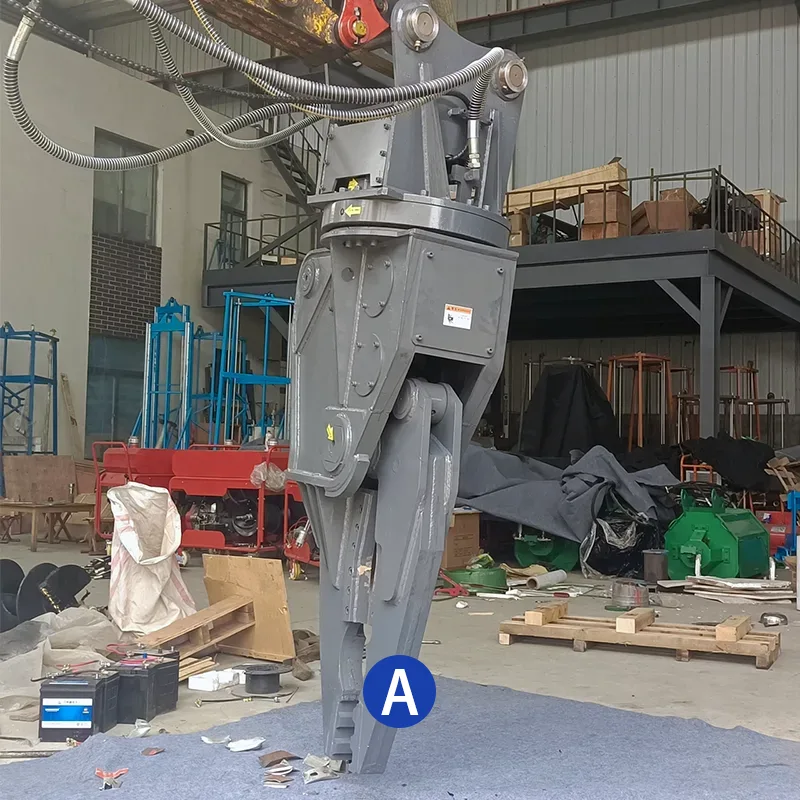
The 360° rotating housing allows precise positioning around the vehicle without repeatedly repositioning the excavator. This is useful when accessing different sides of the vehicle and working around confined areas during dismantling. The jaw profile is narrow enough to reach into engine compartments, wheel wells, and interior cavities, and the dual-blade design handles both lightweight body panels and heavier frame rails. Built from high-strength alloy steel with well-protected hydraulics, this shear is designed to withstand the grit, rust, and sharp edges associated with vehicle recycling.
This vehicle dismantling model is part of the TGEC excavator shear lineup, and it's a distinct configuration compared to the multi-purpose demolition shear (aimed at building tear-downs) and the double-cylinder scrap shear (for general scrap yards). If you're evaluating your options, our excavator shear selection guide provides a detailed comparison.
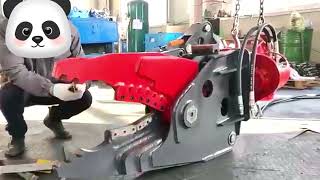

Vehicle Processing Design
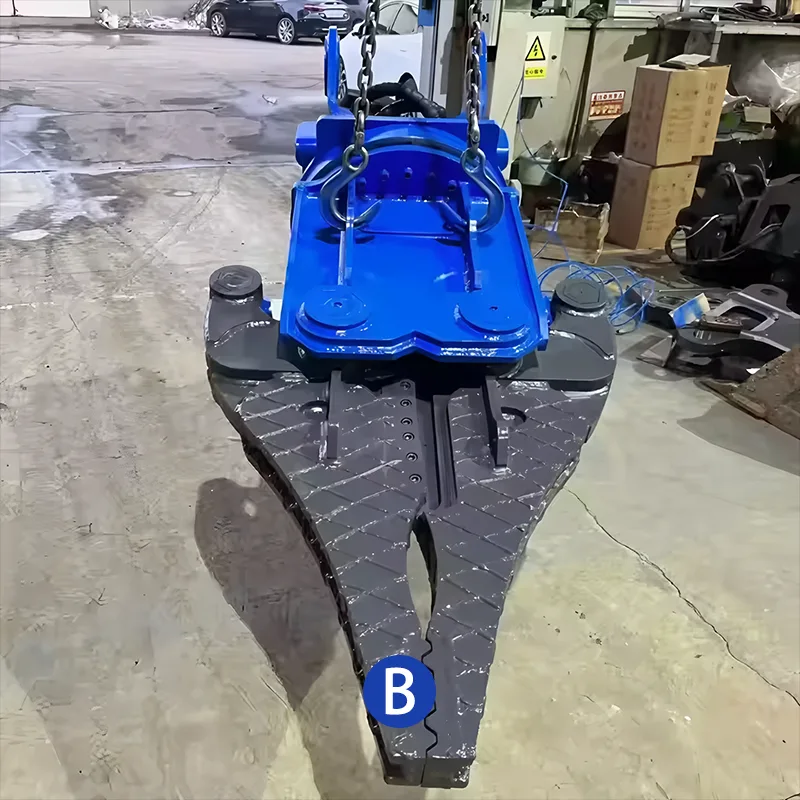
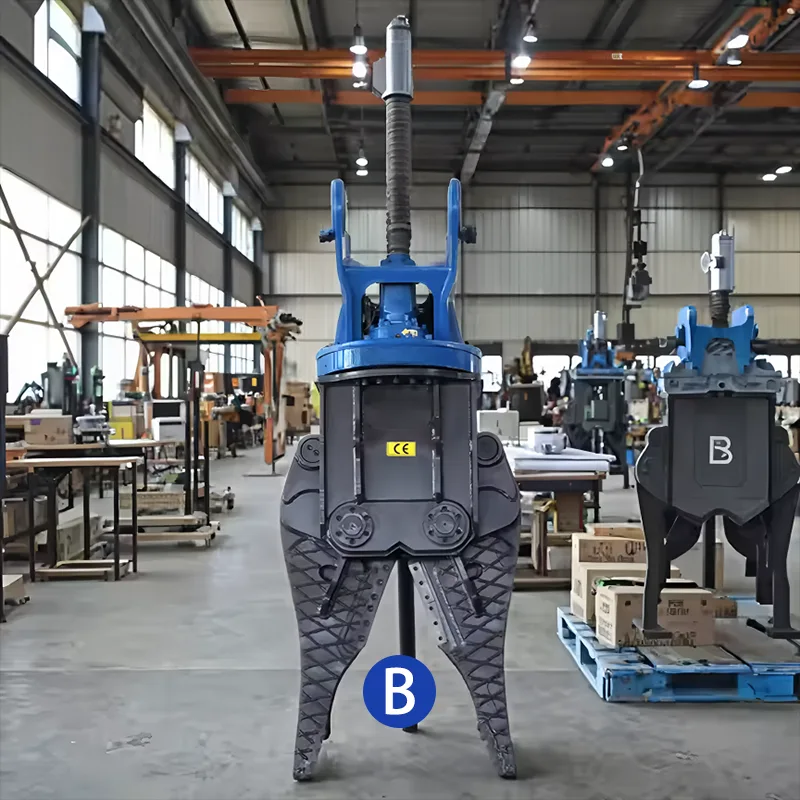
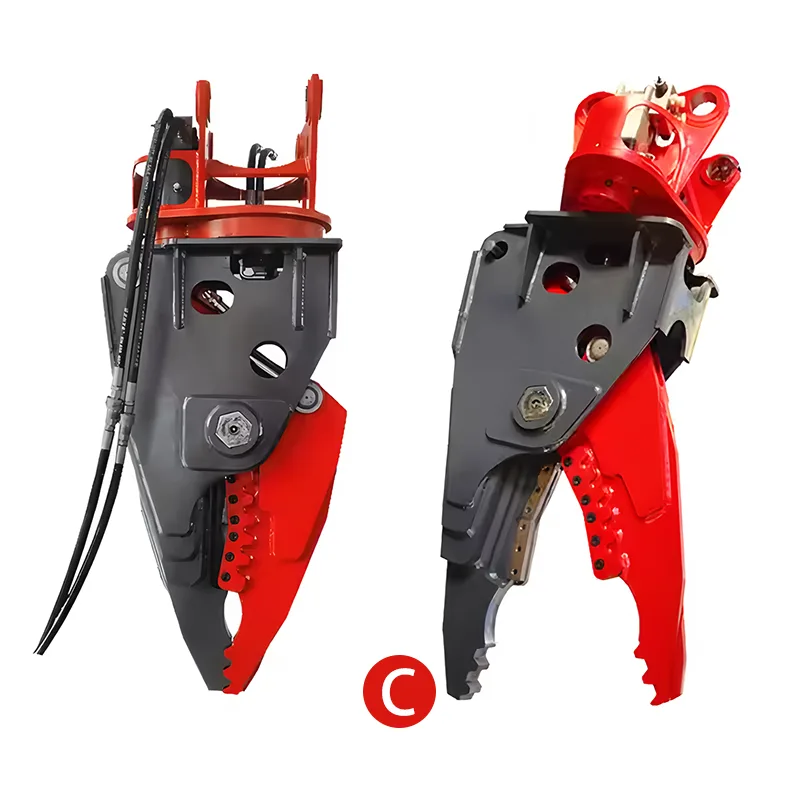
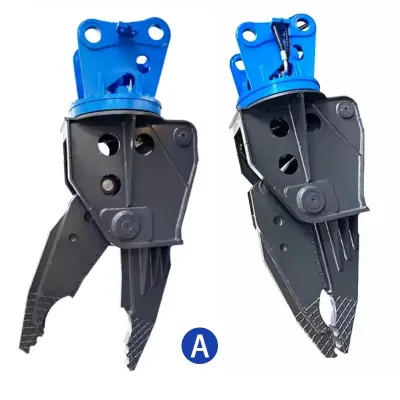
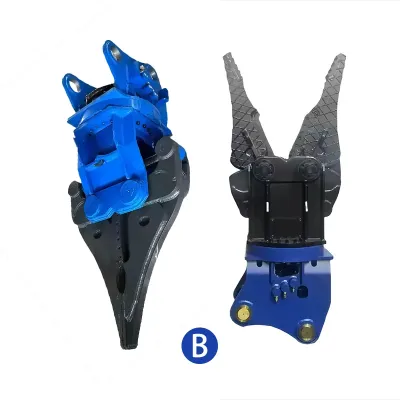
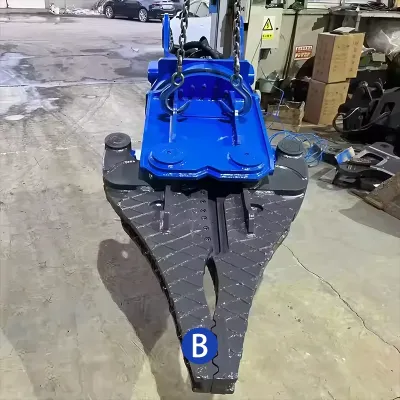
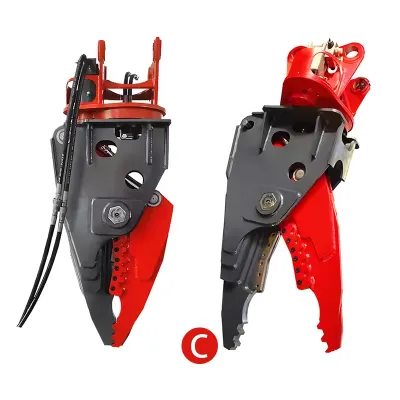
The jaw shape is optimized to grab and cut irregular vehicle contours, with a slimmer profile that slips into engine compartments, wheel wells, and interior cavities. The dual-blade setup provides primary edges for heavy structural sections and secondary edges for lighter sheet metal, reducing the need for attachment changes during vehicle processing. The jaw opening and closing system is configured for repeated cycling in vehicle dismantling operations.
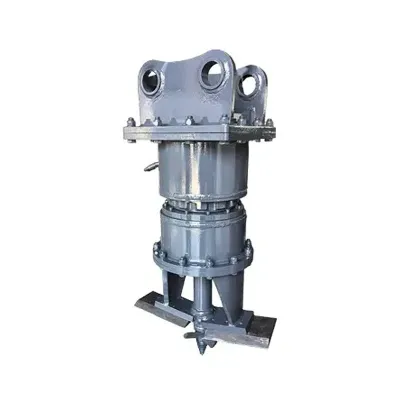
The 360° continuous rotation, powered by a hydraulic motor and controlled from the cab, allows access to any angle around the vehicle. Hardened pivot pins and bushings withstand fast, repetitive motion under load, while cylinder guards and internal hose routing protect against sharp metal edges and debris. The main body is built from abrasion-resistant steel, with extra metal at the pivot points and cylinder mounts where stress is highest.
Models and Specifications
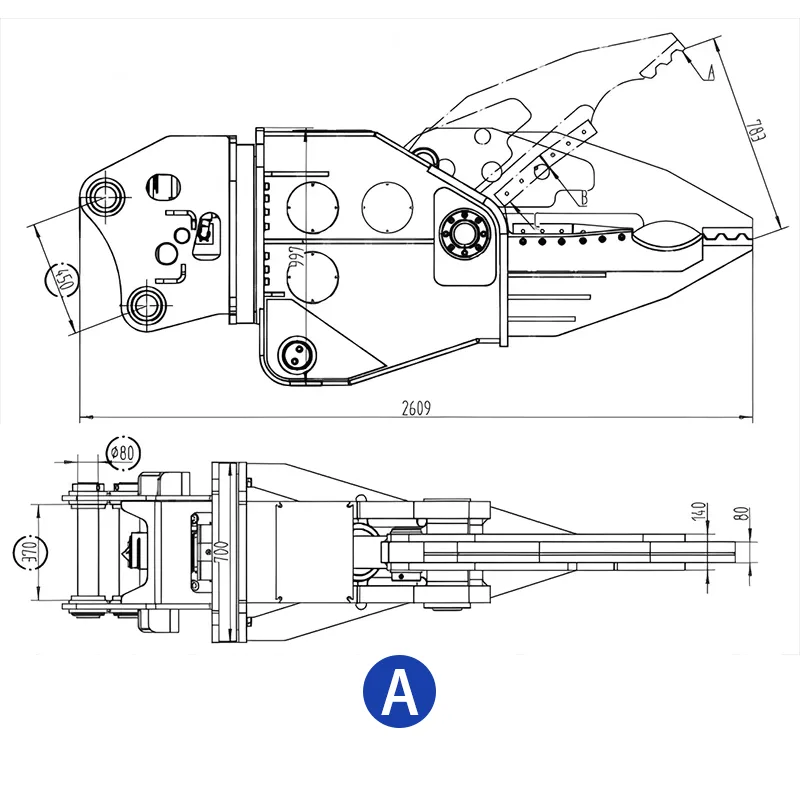
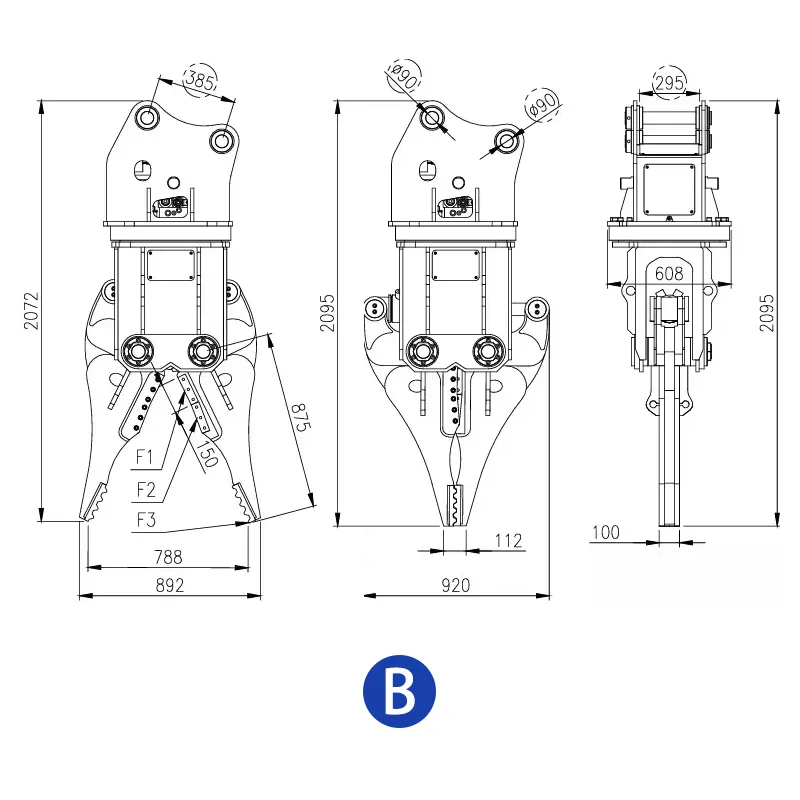
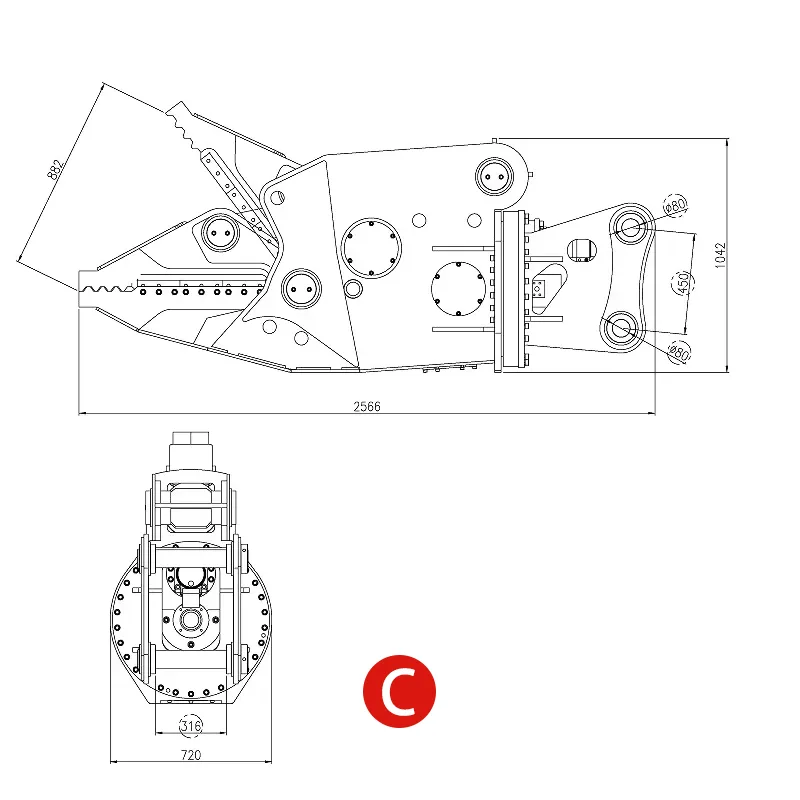
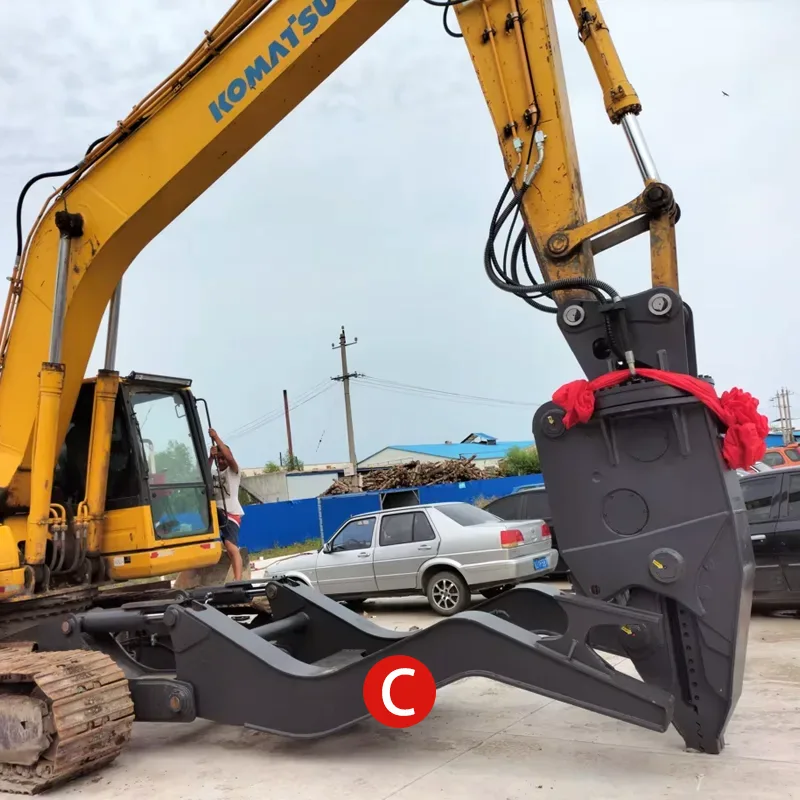
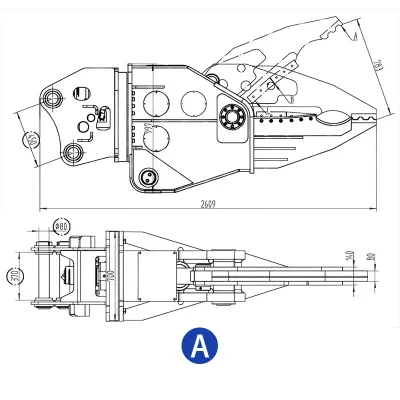
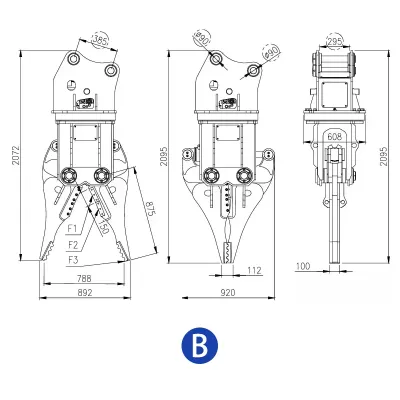
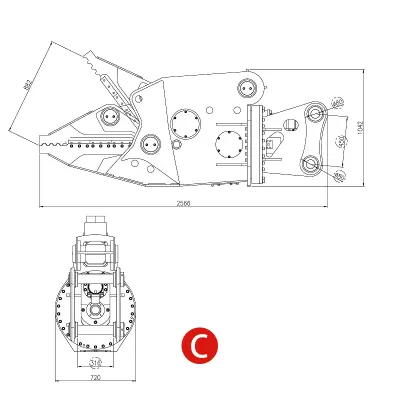
Seven configurations cover excavators from 5 to 24 tons across three model sizes, each available in Type A, Type B or Type C jaw configurations. All specifications include both metric and imperial units.
| MODEL | TYPE | MAX. OPENING | HEIGHT | WIDTH | WEIGHT | WORKING PRESSURE | WORKING FLOW | CUTTING FORCE | TIP FORCE | CLOSING FORCE | EXCAVATOR |
|---|---|---|---|---|---|---|---|---|---|---|---|
| UNIT | mm / in | mm / in | mm / in | kg / lb | bar / psi | L/min / GPM | kN / lbf | kN / lbf | kN / lbf | t / ton | |
| TG-CDS04 | A | 502 / 19.8 | 1680 / 66.1 | 729 / 28.7 | 550 / 1213 | 100–130 / 1450–1885 | 50–70 / 13.2–18.5 | 165 / 37095 | 93 / 20906 | 44.5 / 10004 | 5–9 / 5.5–9.9 |
| TG-CDS06 | A | 630 / 24.8 | 2188 / 86.1 | 798 / 31.4 | 1090 / 2403 | 160–180 / 2320–2610 | 35–45 / 9.3–11.9 | 580 / 130390 | 300 / 67443 | 110 / 24729 | 12–15 / 13.2–16.5 |
| TG-CDS06 | B | 788 / 31.0 | 2072 / 81.6 | 920 / 36.2 | 990 / 2183 | 160–180 / 2320–2610 | 35–45 / 9.3–11.9 | 388 / 87225 | 244 / 54853 | 96 / 21581 | 12–15 / 13.2–16.5 |
| TG-CDS06 | C | 693 / 27.3 | 2204 / 86.8 | 867 / 34.1 | 1240 / 2734 | 160–180 / 2320–2610 | 35–45 / 9.3–11.9 | 1523 / 342380 | 495 / 111280 | 267 / 60024 | 12–15 / 13.2–16.5 |
| TG-CDS08 | A | 783 / 30.8 | 2609 / 102.7 | 997 / 39.3 | 1700 / 3748 | 200–220 / 2900–3190 | 50–70 / 13.2–18.5 | 1100 / 247290 | 520 / 116900 | 190 / 42714 | 18–24 / 19.8–26.5 |
| TG-CDS08 | B | 788 / 31.0 | 2072 / 81.6 | 920 / 36.2 | 990 / 2183 | 200–220 / 2900–3190 | 50–70 / 13.2–18.5 | 388 / 87225 | 244 / 54853 | 96 / 21581 | 18–24 / 19.8–26.5 |
| TG-CDS08 | C | 882 / 34.7 | 2566 / 101.0 | 1042 / 41.0 | 1997 / 4403 | 200–220 / 2900–3190 | 50–70 / 13.2–18.5 | 2358 / 530100 | 927 / 208395 | 417 / 93747 | 18–24 / 19.8–26.5 |
Table data is for reference only. Actual specifications may vary based on the final configuration. Please contact the TianGe technical team for model-specific specifications and excavator compatibility information.
Application Scenarios
Auto wrecking and vehicle dismantling: Process end-of-life vehicles by cutting bodies, frames and structural components to access and remove valuable parts before scrap processing.
Vehicle recycling: Cut frames, chassis, suspension components and structural sections into manageable sections for shredding or baling.
Automotive component separation: Selectively cut around vehicle components and structural sections to support material recovery during dismantling.

Mounting and Hydraulic Setup
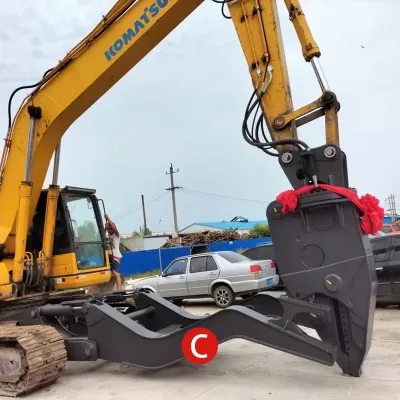
The shear attaches through a custom bracket built for the specified excavator make, model, and pin dimensions. We offer both pin-on and quick-coupler setups. Hydraulic lines consist of supply and return for the jaw cylinders, plus a separate circuit for the rotation motor. Before operation, confirm that auxiliary flow and pressure are within the recommended range, and grease all pivot points. For detailed hydraulic guidance, see our shear attachment selection guide.
Service and Wear Parts
The blades are the parts that wear out fastest—inspect them every shift and reverse or replace them as soon as they show significant wear. Pivot pins and bushings need grease daily during heavy use and should be checked periodically for excessive play. Cylinder rods, seals, and hydraulic hoses should be examined for leaks or damage on a regular basis, and the rotation motor should run smoothly without abnormal noise or resistance. TGEC stocks a complete range of replacement items, including blades, pins, bushings, seal kits, hoses, and rotation motor components.
Request a Quote — Rotating Vehicle Dismantling Shear
Provide the excavator make and model, operating weight, auxiliary hydraulic flow and pressure, main application, the types of vehicles being processed, mounting or coupler style, and the quantity required. The TGEC team will confirm the correct model, verify hydraulic compatibility, supply the correct bracket, and provide a detailed quotation. Dealers and OEM partners are welcome to contact us regarding volume pricing and private-label branding.