Dredging productivity is about more than just pump size. When an excavator-mounted dredge pump is properly matched to the machine, the material, and the site, it can cut cycle times, reduce downtime, and lower the cost per cubic yard moved. This guide covers the key factors that influence productivity with an excavator pump attachment and how contractors can evaluate and fine-tune their dredging operation.
Understanding the Dredging Workflow
A typical excavator dredging job runs on a continuous loop: position the pump, agitate and loosen the material, pump the slurry through the discharge line, and move to the next spot. Productivity depends on how efficiently each step runs and how smoothly they connect without gaps or bottlenecks. The excavator is central to the whole thing—it gives you mobility, reach, and pinpoint positioning so the pump stays in the sweet spot for material intake. Unlike stationary dredge platforms, an excavator-mounted pump can reposition quickly between passes, cutting idle time between cuts.
The workflow kicks off with a site assessment—figuring out material type, water depth, access constraints, and where you're discharging to. Then the operator positions the excavator in a stable spot with enough reach to cover the dredging area without constantly moving. The pump goes down to working depth, the agitator starts breaking up material, and the impeller pulls the slurry into the discharge line. As the material gets removed, the operator works the pump in a systematic pattern, keeping consistent submergence and avoiding air entrainment. How well this whole sequence runs determines your overall project productivity.
Material Handling and Its Impact on Productivity
Material type is one of the biggest drivers of dredging productivity. Different materials need different agitation intensity, pump speeds, and operator technique. Loose sand and silt are relatively easy—they mix with water quickly and flow through the line with little resistance. Compacted clay, hard-packed sediment, or consolidated sludge take more aggressive agitation to break up into a pumpable slurry, which slows you down. Highly abrasive materials like sand and mining tailings chew through impellers, agitator blades, and housings faster, meaning more frequent maintenance and downtime.
Solids content in the slurry also matters. Higher solids concentration means you're moving more material per gallon of water, which is generally more efficient. But push it too high and you risk clogging, lower pump efficiency, and faster wear on components. The sweet spot varies by material and pump setup, and experienced operators learn to balance it by adjusting agitator speed, pump depth, and movement rate. Material with large debris, long fibers, or oversized chunks can block the pump or discharge line, forcing shutdowns that kill productivity.
Machine Matching and Hydraulic Capacity
Your excavator's hydraulic capacity directly determines how well the dredge pump attachment performs. The pump's impeller and agitator run off the auxiliary hydraulic circuit, and available flow and pressure set how fast they can spin. If your excavator doesn't deliver enough flow, the pump won't hit its rated speed—cutting both pumping capacity and agitation effectiveness. On the flip side, a pump that's too big for the machine's hydraulic output will run below its design point, wasting its potential and making the excavator work harder than it needs to.
Machine matching also comes down to lift capacity. A dredge pump, once submerged and loaded with slurry, can weigh a lot more than its dry weight. Your excavator needs to safely lift and position the pump at full working reach, especially when working from a bank or barge. An undersized machine may struggle to stay stable, forcing the operator to work closer and reducing the effective dredging area per setup. Reach and boom configuration also affect coverage—longer reach means fewer repositioning moves, which boosts overall productivity.
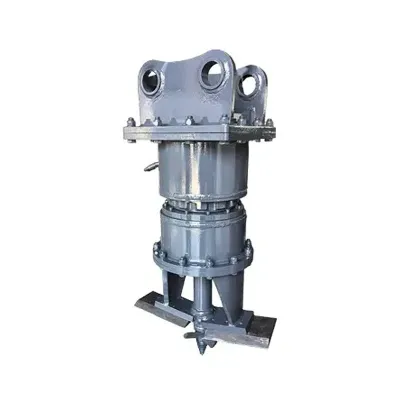
If you're looking at an excavator mounted dredge pump, the first step is confirming your auxiliary flow, pressure, and lift capacity against the pump specs. A pump that's properly matched to the machine will run at its design point, delivering consistent performance without overworking the excavator or wasting hydraulic power.
Site Conditions and Productivity
Site conditions play a major role in dredging productivity and are often underestimated during planning. Water depth affects pump submergence—the pump has to be fully submerged to avoid air entrainment, which kills suction and flow. In shallow water, operators may need to dig a sump or work a pattern that keeps enough water over the intake. Deep water increases hydraulic line losses and may require the excavator to work from a barge or platform, which adds complexity and limits mobility.
Access and working space affect how easily the excavator can reposition and how much area you can cover per setup. Tight sites like small ponds or narrow waterways may need frequent repositioning and limit the size of excavator you can use. Discharge distance and elevation add backpressure—longer lines or higher lifts cut effective pumping capacity. The condition of the discharge hose, including kinks, restrictions, or partial blockages, also affects flow resistance and productivity. Environmental constraints like turbidity limits, wildlife protection, or noise rules may force changes to your operating procedure that reduce the maximum pumping rate.
Operator Technique and Productivity Optimization
Even with the right gear and good site conditions, operator technique makes a huge difference in productivity. An experienced operator knows how to maintain optimal pump depth, adjust agitator speed based on material conditions, and work the pump in a systematic pattern that maximizes removal per pass. Common productivity killers include running the pump too shallow—causing air entrainment and cavitation—moving too fast through compacted material so the agitator doesn't have time to break it up, or burying the pump in material and clogging the intake.
Productivity starts with setup: position the excavator in a stable spot with maximum reach over the dredging area, route and secure the discharge line properly, and make sure hydraulic connections are tight and leak-free. During operation, stick to a consistent pattern—work from the deepest point outward or in parallel passes—and keep the pump at a depth that maintains full submergence while staying in contact with the material. Adjust agitator speed based on material density: faster for compacted stuff, slower for loose sand. Keep an eye on pump performance—discharge flow and pressure tell you when material conditions change or maintenance issues are brewing before they cause downtime.
Evaluating Pump Attachment Performance
Contractors can evaluate dredge pump performance using both hard numbers and qualitative feedback. Quantitative measures include volume moved per hour or per shift, active pumping time versus repositioning or maintenance, and fuel consumption per unit moved. These give you a baseline to compare across different pump setups, operators, or site conditions and identify what works best. Qualitative indicators include slurry consistency, how often you get clogs or blockages, wear component condition after a set number of hours, and the operator's feel for how easily the pump handles the material on site.
When comparing different pump attachments or configurations, control for variables like material type, water depth, discharge distance, and operator experience. A pump that crushes it in loose sand might not be the right call for compacted clay or abrasive tailings. Look at total cost of ownership—purchase price, wear part replacement costs, maintenance frequency, and expected service life—alongside raw productivity numbers. A pump with slightly lower hourly output but significantly lower wear and maintenance costs might deliver better overall project economics. For help picking the right pump for specific dredging conditions, check out our article on how to choose an excavator pump attachment for dredging projects.
Key Takeaways
-
Dredging productivity is driven by the efficiency of the whole workflow, not just pump size or flow rate.
-
Material type and solids content have a big effect on pumping rate, wear, and operator technique.
-
Proper machine matching—auxiliary flow, pressure, and lift capacity—is essential for the pump to hit its design point.
-
Site conditions like water depth, access, discharge distance, and environmental limits directly affect what you can achieve.
-
Operator technique—depth control, agitator speed, and movement patterns—has a major impact on real-world results.
-
Evaluate performance with both hard metrics (volume/hour, fuel/unit) and qualitative feedback (wear rates, clogging, slurry consistency).
-
Factor in total cost of ownership alongside raw productivity when comparing pump configurations.