A mini excavator with a post hole auger is one of the most productive setups you can have for drilling round holes in residential and light commercial work. Whether you're putting up a backyard fence, setting sign posts, pouring deck footings, or planting trees, the auger drive cranks out clean, consistent holes in a fraction of the time it takes to dig by hand or wrestle with a clamshell digger. This guide covers the main applications for a mini excavator post hole auger, how hole diameter and depth vary by project, and what to check before you start spinning the bit on each job.
Fence Post Installation
Fence work is the bread and butter for mini excavator post hole augers. Wood, vinyl, and metal fence posts need round holes that are straight, consistent in depth, and wide enough for the post plus concrete or backfill. A standard 4x4 post needs a 150 to 200 mm (6 to 8 in) hole, while a 6x6 or a metal post with a concrete footing might need 200 to 250 mm (8 to 10 in). How deep you go depends on the fence height and local code, but a good rule of thumb is to bury one-third of the post length plus another 100 to 150 mm (4 to 6 in) for gravel base. For a 1.8 m (6 ft) fence, that usually means holes 600 to 750 mm (2 to 2.5 ft) deep.
The big win with a mini excavator auger for fencing is speed and consistency. A skilled operator can drill a 150 mm by 600 mm hole in standard soil in 30 to 60 seconds—compare that to 5 to 10 minutes of sweating with a manual post hole digger or shovel. The auger gives you straight sidewalls and a flat bottom, which makes setting posts plumb and pouring concrete about as easy as it gets. On long fence runs, the mini can move from hole to hole fast, and the operator can drop each hole right on the layout marks. For residential fencing in tight backyards, a 1.5 to 3 ton mini excavator with the TG-EG2000 or TG-EG3000 drive and a 150 to 200 mm standard earth bit handles the vast majority of work without breaking a sweat.
Sign Posts and Guardrail Posts
Sign post work—roads, parking lots, trails, commercial properties—needs holes that are consistent in diameter and depth to meet engineering specs. A standard street sign post might call for a 150 to 200 mm (6 to 8 in) hole 900 to 1200 mm (3 to 4 ft) deep, while guardrail posts or big highway signs can require 250 to 350 mm (10 to 14 in) holes at depths of 1200 to 1500 mm (4 to 5 ft) or more. The mini excavator auger is especially handy for sign work because it can drill in tight spots along road shoulders, in parking lots, and around existing landscaping without tearing up the surrounding area.
For sign and guardrail jobs, consistency is everything. Posts set at uneven depths or in sloppy holes can fail under wind load or impact, and inspectors will flag holes that don't meet the specified diameter and depth. The auger drive turns out uniform round holes that hit those specs, and using a depth marker on the bit or extension lets the operator know when they've reached the required depth without constant measuring. On projects with lots of holes, marking the bit saves time and keeps the job moving. A 3 to 6 ton mini excavator with the TG-EG5500 or TG-EG7000 drive has enough torque for 200 to 300 mm holes in typical roadside soil, and an extension shaft handles the deeper holes that bigger posts demand.
Footings and Foundations
Deck footings, patio covers, pole barns, shed foundations, and structural support posts call for bigger holes than fence posts, and the drilling demands go up accordingly. A standard deck footing for a 6x6 post might need a 250 to 300 mm (10 to 12 in) hole 900 to 1200 mm (3 to 4 ft) deep, while a pole barn post or structural column can require 350 to 450 mm (14 to 18 in) holes at 1200 to 1800 mm (4 to 6 ft) or more, depending on frost depth and engineering requirements. These larger holes need more torque, and a drive that breezes through fence post holes can struggle with 300 mm footing holes in compacted soil.
For footings, picking a drive with enough torque is non-negotiable. The TG-EG5500 with 5600 Nm handles 250 mm holes in standard soil, while the TG-EG8000 with 8250 Nm or the TG-EG12000 with 12300 Nm is a better fit for 300 to 400 mm holes in compacted ground. Footing holes often run into more varied conditions than fence post holes—compacted fill, clay layers, the occasional rock—and a higher-torque drive handles those without stalling out. Using a rock bit with carbide teeth for footing work in tough ground can make a big difference in penetration rates and reduce wear on the drive. For deep footings, extension shafts let you drill past the standard bit length, though the operator has to keep the drill string straight to avoid going out of plumb.
Tree Planting and Landscaping
Tree planting and large-scale landscaping are becoming bigger applications for mini excavator post hole augers. Planting a tree or large shrub needs a hole wider than the root ball and deep enough for the root system at the right depth. A 15-gallon tree might need a 300 to 400 mm (12 to 16 in) hole 450 to 600 mm (1.5 to 2 ft) deep, while a 24-inch box tree or large specimen could need 500 to 600 mm (20 to 24 in) holes. In compacted soil or big landscaping projects where you're planting dozens or hundreds of trees, manual digging is a non-starter, and the auger drive multiplies productivity.
For tree planting, the hole should be wide enough for roots to spread, but not so wide that the tree gets wobbly after planting. A common rule is to dig the hole two to three times the width of the root ball and no deeper than the root ball height, so the tree sits at the same level it grew in the nursery. The auger drive makes a round hole that works well for tree planting, though in heavy clay, the bit can glaze the sidewalls—creating a smooth, impermeable surface that roots can't penetrate. Scoring the sides with a shovel or using a slightly bigger bit than the root ball helps fix that. For landscaping that involves both posts and trees, a 250 to 350 mm bit handles most tree sizes while still covering larger post holes.
Utility and Municipal Work
Utility pole bases, street light foundations, traffic signal supports, and underground utility access points are common municipal jobs for mini excavator augers. These typically require bigger, deeper holes than residential fence work, and they often involve working in built-up urban areas where you have to minimize surface damage. A street light base might need a 300 to 400 mm (12 to 16 in) hole 1200 to 1800 mm (4 to 6 ft) deep, while a utility pole or traffic signal foundation could need 400 to 600 mm (16 to 24 in) holes at 1800 to 2400 mm (6 to 8 ft) or more. These larger holes need a higher-torque drive and often multiple extension shafts to reach depth.
For utility and municipal work, the mini excavator auger shines because it can work in tight spaces along sidewalks, road shoulders, and around existing infrastructure. The operator can position the machine precisely and drill holes without tearing up surrounding pavement or landscaping. Before you drill any utility-related hole, always call the local underground utility locator to mark buried gas, electric, water, communication, and sewer lines. Hitting a buried utility line can cause serious injury, service outages, and expensive repairs. Even if the hole location looks clear, utility lines can run at unexpected depths or angles, so professional locating is a must before any drilling starts.
Hole Diameter and Depth Quick Reference
| Application | Typical Hole Diameter | Typical Hole Depth | Recommended Drive Torque |
|---|---|---|---|
| Residential fence posts (4x4) | 150–200 mm (6–8 in) | 600–750 mm (2–2.5 ft) | 2500–3500 Nm |
| Sign posts and guardrail | 150–300 mm (6–12 in) | 900–1500 mm (3–5 ft) | 3500–7000 Nm |
| Deck footings (6x6 post) | 250–300 mm (10–12 in) | 900–1200 mm (3–4 ft) | 5000–8000 Nm |
| Pole barn and structural posts | 300–450 mm (12–18 in) | 1200–1800 mm (4–6 ft) | 8000–15000 Nm |
| Tree planting (15-gal to 24-in box) | 300–600 mm (12–24 in) | 450–900 mm (1.5–3 ft) | 5000–12000 Nm |
| Utility pole and street light bases | 300–600 mm (12–24 in) | 1200–2400 mm (4–8 ft) | 8000–20000 Nm |
Hole diameter and depth are general guidelines. Actual requirements vary by local building code, frost depth, soil conditions and engineering specifications. Always verify requirements with the project engineer or local building department before drilling.
Pre-Drilling Checklist
Before you start any post hole drilling job, run through this checklist: call the local utility locating service to mark all underground lines; double-check the hole locations against the project layout and adjust for any conflicts; confirm the hole diameter and depth meet the project specs or building code; inspect the auger bit for sharp teeth and good flight condition; check the drive gear oil level and hydraulic hose connections; verify the output shaft rotation direction is correct for the bit; and make sure the excavator is on stable ground with enough reach to drill each hole and lift the bit out clean. Taking these steps before you drill prevents costly mistakes, utility strikes, and equipment damage, and makes sure every hole hits the project requirements.
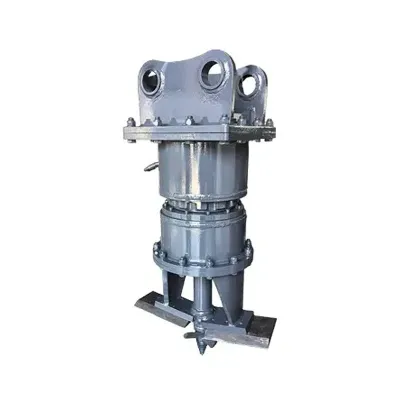
The TGEC excavator hydraulic auger drive covers all of these applications across fourteen model sizes, with torque from 2510 to 39500 Nm for mini excavators through mid-size machines. For help picking the right drive and bit combination for your post-hole work, see our mini excavator auger selection guide or reach out to the TianGe sales team with your application requirements.