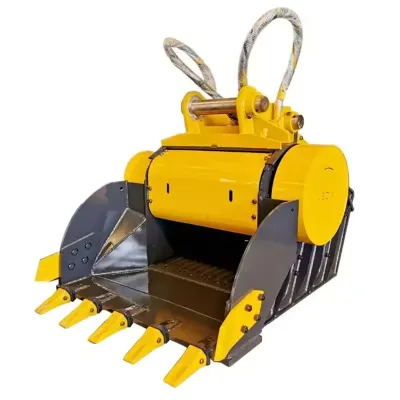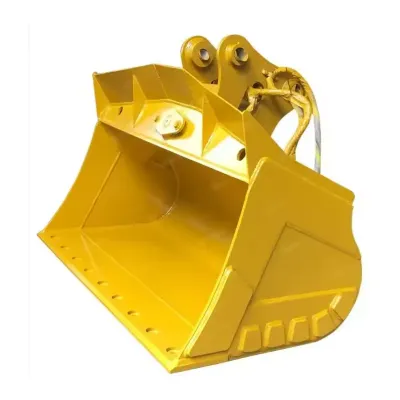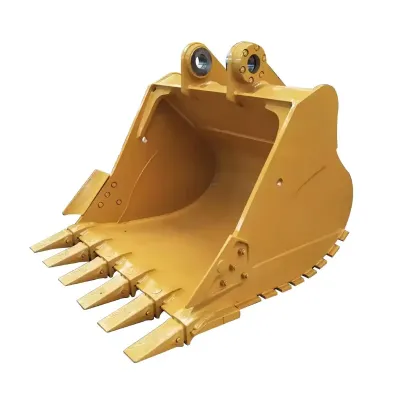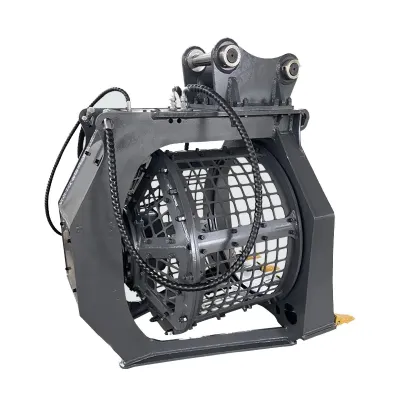
Welcome to the Official Website of TianGe Attachments.

Excavator Pump for Dredging

Excavator Pump for Dredging

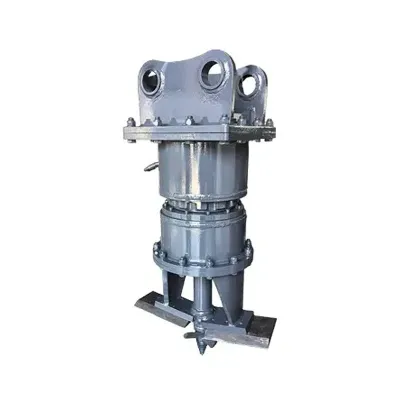
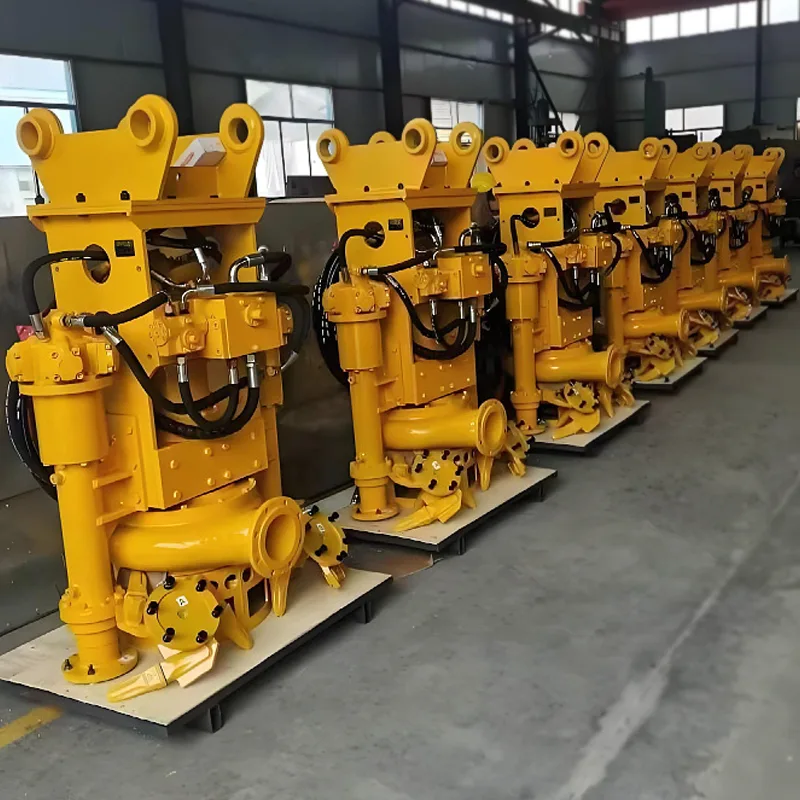
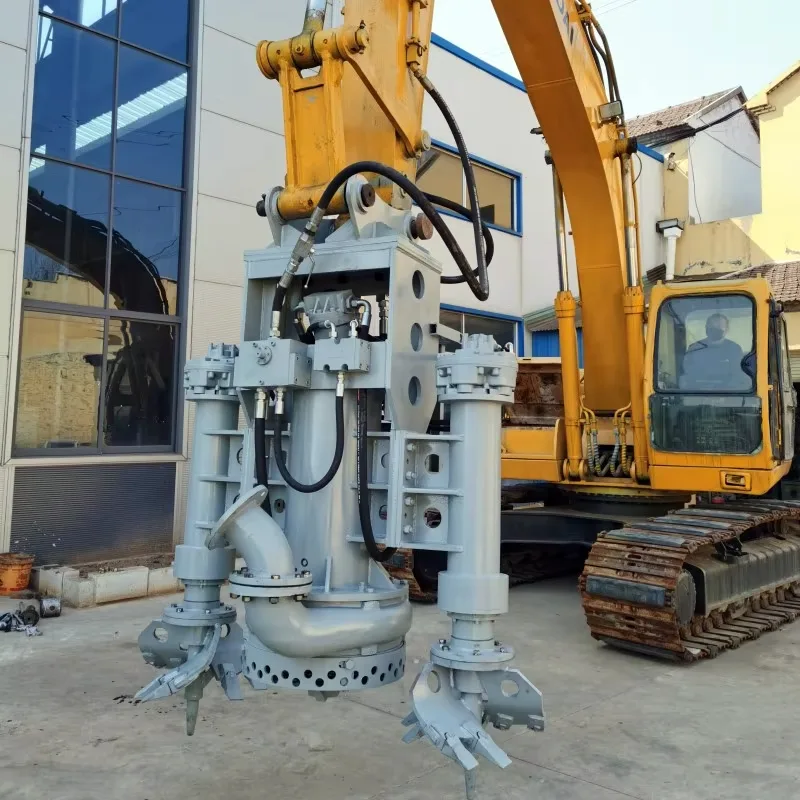
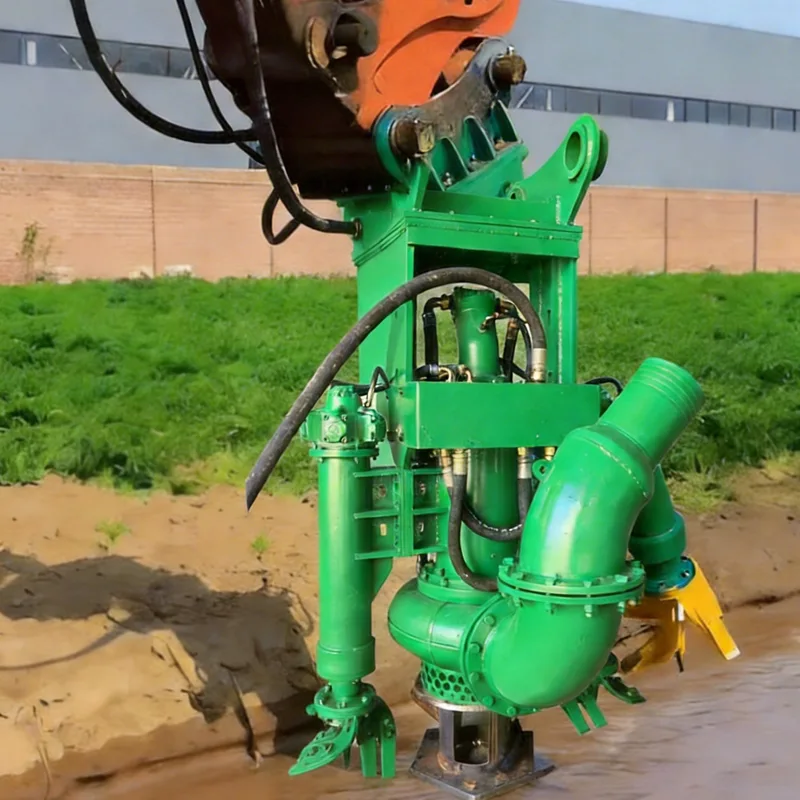
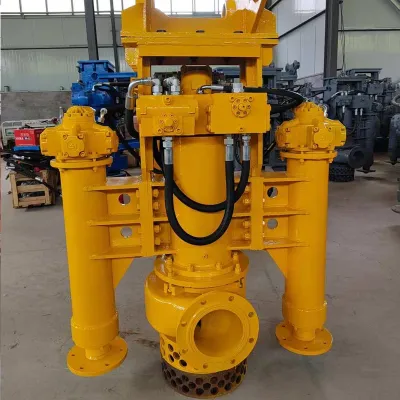
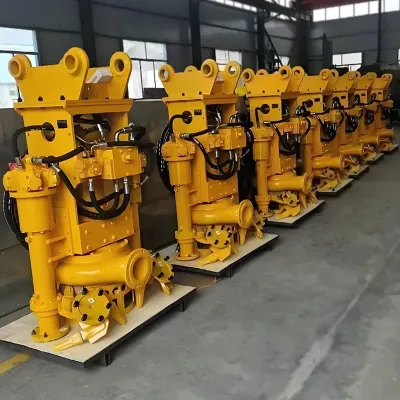
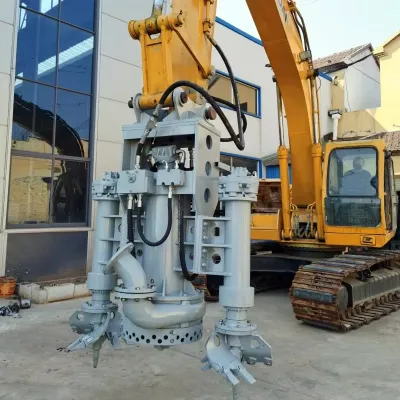
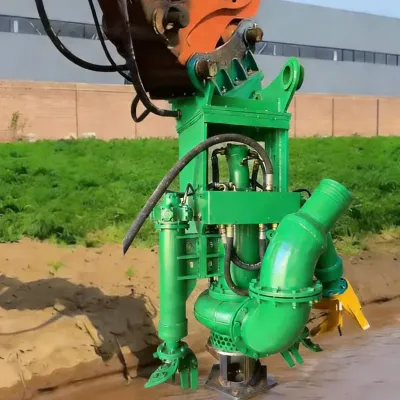
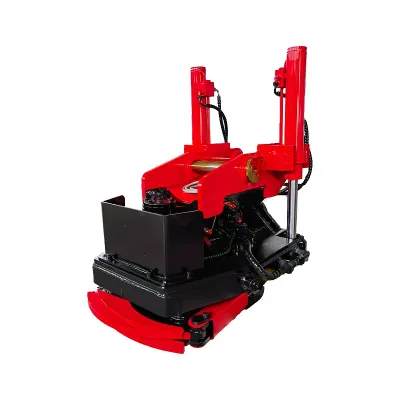
TGEC excavator agitator slurry pumps deliver hydraulic-powered submersible pumping of sand, slurry, sludge and sediment for dredging, construction and industrial applications. Mounts to excavator bucket linkage with auxiliary hydraulic drive.
Product Name: Hydraulic dredge pump / Hydraulic submersible slurry pump / Sand pump attachment / Sludge pump / Dredging pump attachment
Type: Dredge Pumps
After-sales Service: Provided
Warranty: 1 Year
Customization: Available
Shipping Cost: Negotiate with us about shipping cost and estimated delivery time.
Get a quote
Overview
FAQ

Product Overview

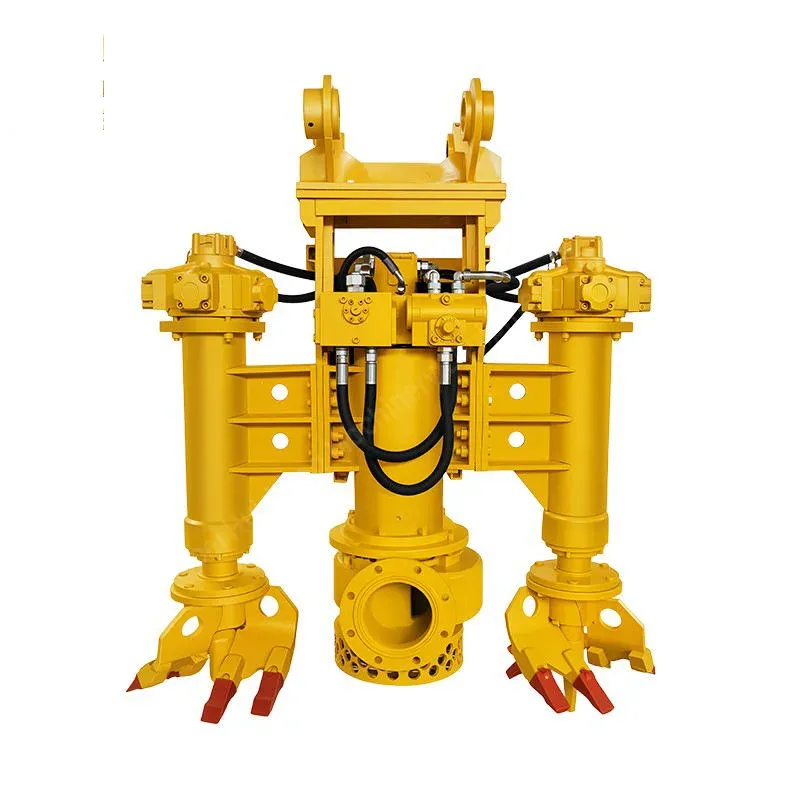
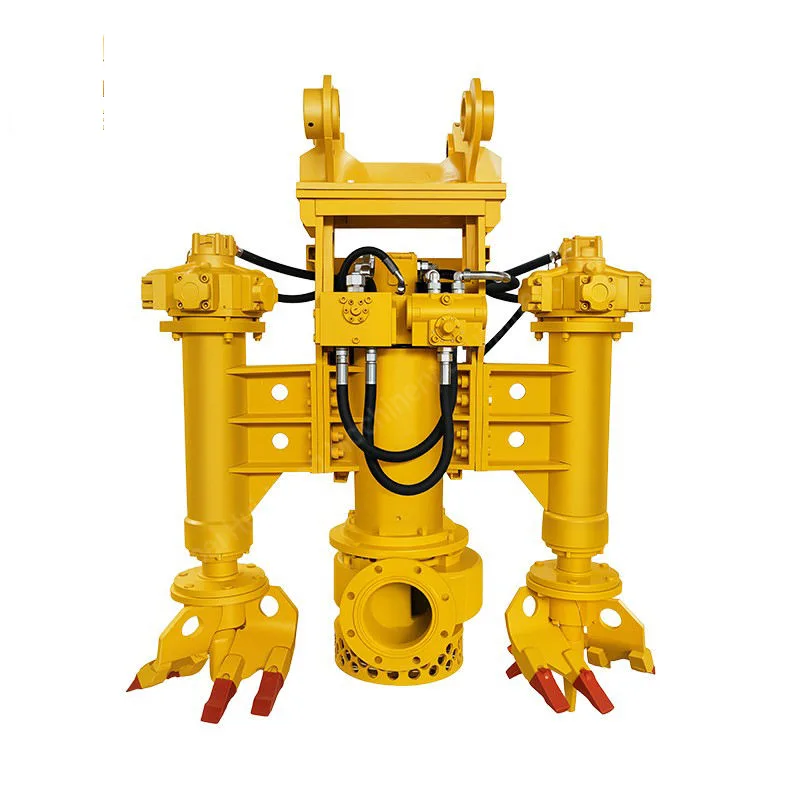
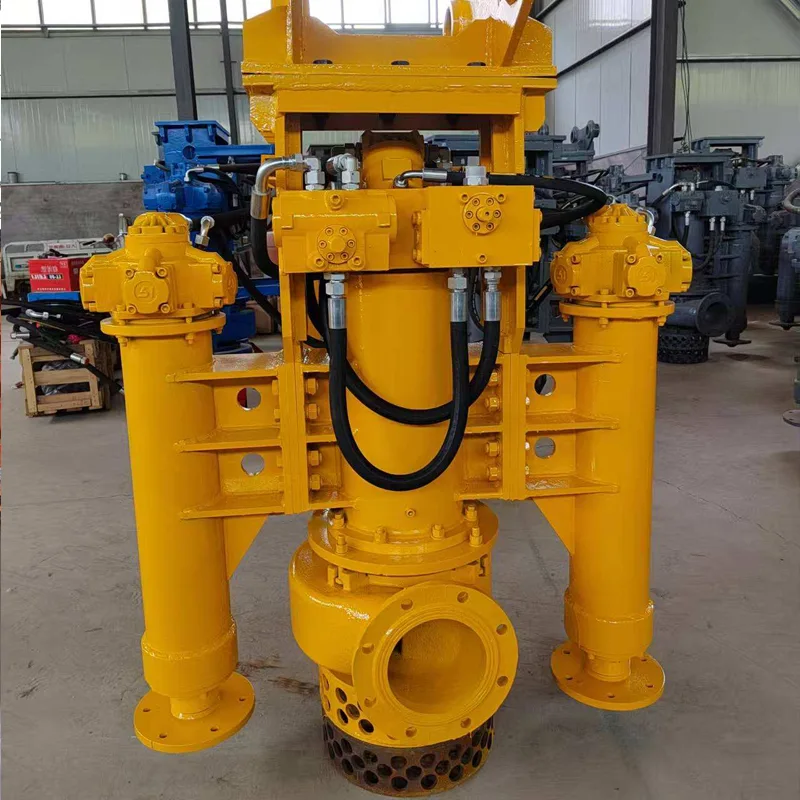
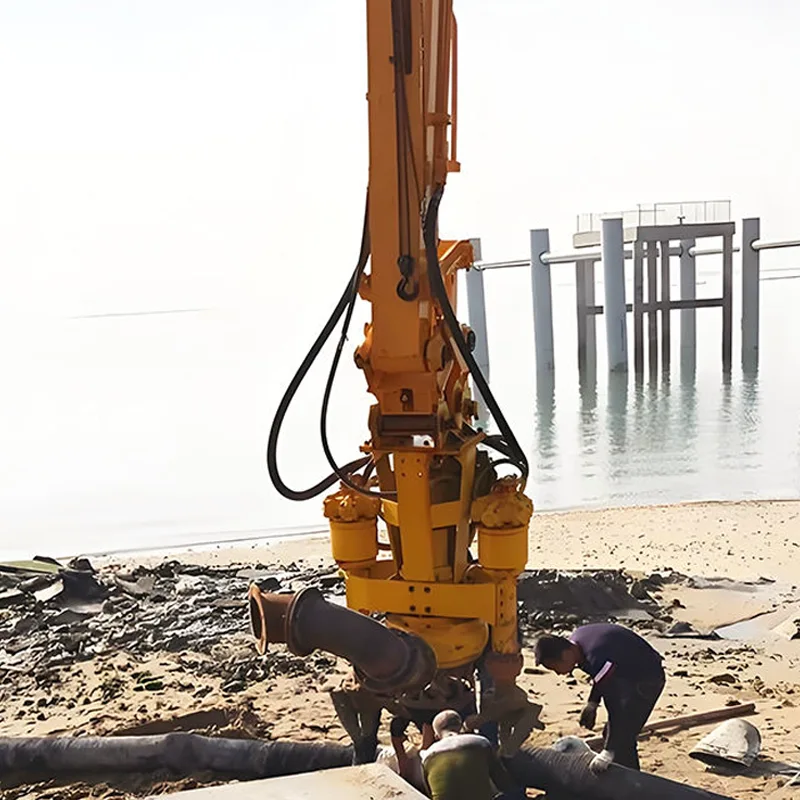
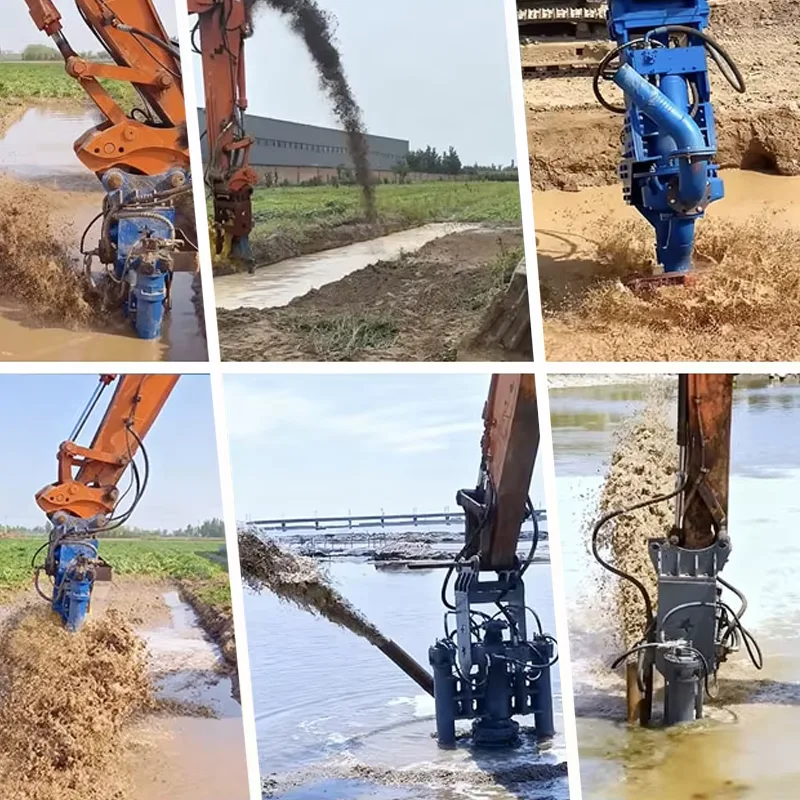
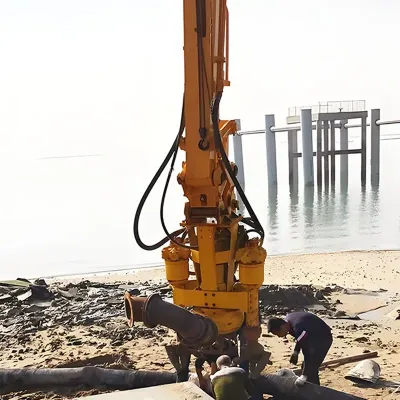
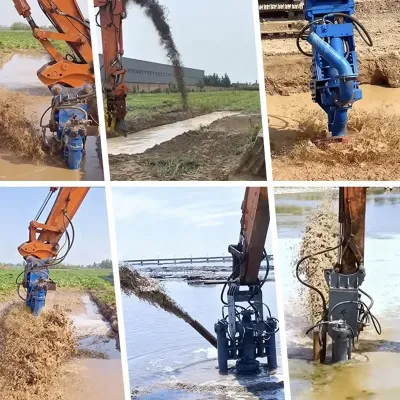
The TGEC excavator agitator slurry pump is a hydraulic-powered submersible attachment built to move sand, slurry, sludge, sediment, and other semi-solid materials in dredging, construction, and industrial settings. What sets it apart from standard water pumps is the built-in agitator that breaks up compacted sediment and mixes it with water before pumping, so it can handle high-solids content that would clog a conventional pump. It runs off the excavator's auxiliary hydraulic circuit—powering both the impeller and the agitator—and pins onto the bucket linkage for precise positioning in water, slurry pits, dredging sites, and industrial basins. Common uses include sand extraction, pond and lagoon dredging, dewatering sediment-laden excavations, industrial sludge removal, mining tailings management, and marine dredging.

You'll hear this attachment called a lot of different names—hydraulic dredge pump, hydraulic submersible slurry pump, sand pump attachment, sludge pump, or dredging pump attachment—but they all refer to the same core tool. The excavator-mounted setup provides mobility, reach, and precise positioning without requiring flotation platforms or separate support equipment. For tips on boosting dredging efficiency with this attachment, check out our article on dredging productivity. And if you need help picking the right pump for your project, see our excavator pump attachment selection guide.

Technical Specifications

ModelCarrier Class (t)Outlet (mm / in)Max Flow (m³/h / GPM)Max Head (m / ft)Hydraulic Power (kW / HP)Solids Passage (mm / in)
TG-DP80-20880 / 3.1580 / 35220 / 65.611–15 / 14.8–20.120 / 0.79
TG-DP120-168100 / 3.94120 / 52816 / 52.511–15 / 14.8–20.120 / 0.79
TG-DP150-2513150 / 5.91150 / 66025 / 82.018.5–22 / 24.8–29.530 / 1.18
TG-DP250-1613150 / 5.91250 / 110116 / 52.518.5–22 / 24.8–29.530 / 1.18
TG-DP250-2020150 / 5.91250 / 110120 / 65.630 / 40.230 / 1.18
TG-DP300-2020–26150 / 5.91300 / 132120 / 65.630–55 / 40.2–73.830 / 1.18
TG-DP300-2522–26150 / 5.91300 / 132125 / 82.037–55 / 49.6–73.830 / 1.18
TG-DP400-1522–26150 / 5.91400 / 176115 / 49.237–55 / 49.6–73.830 / 1.18
TG-DP500-1522–26200 / 7.87500 / 220115 / 49.237–55 / 49.6–73.830 / 1.18
TG-DP350-3530–36200 / 7.87350 / 154135 / 114.875–90 / 100.6–120.730–40 / 1.18–1.57
TG-DP450-3030–36200 / 7.87450 / 198130 / 98.475–90 / 100.6–120.730–40 / 1.18–1.57
TG-DP500-2030–36200 / 7.87500 / 220120 / 65.675–90 / 100.6–120.730–40 / 1.18–1.57

Table data is for reference only. Actual specifications may vary based on the final configuration. Please contact the TianGe technical team for details.

How It Works

The agitator slurry pump draws hydraulic power from the excavator's auxiliary circuit to run a hydraulic motor that drives both the pump impeller and a separate agitator mechanism. The agitator—positioned right at the pump intake—uses rotating blades or augers to break up compacted sediment, sand, or sludge and blend it with surrounding water into a pumpable slurry. Once the agitator preps the material, the impeller pulls that slurry into the pump housing and pushes it out through a discharge hose or pipe to wherever you need it. The excavator's boom and arm let you control the pump's depth and position on the fly, so you can keep the intake right where it needs to be without sucking in air. The hydraulic circuit gives you variable speed control, so you can dial in pump and agitator speed based on how thick or dense the material is.

Application Scenarios

  • Sand and gravel extraction: Pump sand, gravel and sediment from rivers, lakes, pits and quarries for construction material production.

  • Pond and lagoon dredging: Remove accumulated sediment and sludge from retention ponds, wastewater lagoons, aquaculture ponds and industrial basins.

  • Construction site dewatering: Remove slurry and sediment-laden water from excavations, foundation pits and construction sites where conventional pumps clog.

  • Industrial sludge removal: Handle industrial sludge, tailings and process residues in mining, power generation, chemical processing and manufacturing facilities.

  • Marine and coastal dredging: Pump sediment in harbors, marinas, waterways and coastal areas for navigation maintenance and land reclamation.

  • Tailings pond management: Remove and transfer mining tailings and process water in tailings storage facilities and settling ponds.

  • Emergency flood response: Pump floodwater with high sediment and debris content in emergency response and disaster recovery situations.

Installation & Mounting

The agitator slurry pump mounts to the excavator's bucket linkage using the existing bucket pins or a dedicated bracket, and hooks into the auxiliary hydraulic circuit with high-pressure hoses. Before you mount it, make sure your excavator's auxiliary flow and pressure meet the pump's requirements—too little flow and you won't get enough pumping capacity, too much pressure and you risk damaging the motor. Confirm your pin-to-pin spacing, pin diameter, and coupler type so the bracket fits right. Run the discharge hose from the pump outlet to wherever you're sending the material—make sure the hose is sized for the pump's flow rate and secured so it doesn't whip around during operation. Route the hydraulic hoses with enough slack for full boom and arm movement, and add abrasion protection anywhere the hoses might rub against the excavator or the ground. Depending on the motor configuration, you may also need a case drain line—verify that before you start installation.

Wear Parts & Service

The main wear components on an agitator slurry pump are the impeller, agitator blades, pump housing volute, wear plates, hydraulic motor, seals, and hydraulic hoses. The impeller and agitator blades take the brunt of abrasion from sand, sediment, and abrasive slurry—check them regularly for wear, erosion, or damage. The housing volute and wear plates protect the internal guts from abrasive wear and need replacement once they're worn past the manufacturer's limits. Keep an eye on the hydraulic motor for leaks, odd noises, or loss of performance, and check all seals for any leakage that could let water or slurry into the hydraulic system. Grease all lube points on schedule, and inspect the hydraulic hoses for abrasion, cracking, or leaks. TGEC stocks genuine replacement impellers, agitator blades, wear plates, seals, and hydraulic components for every model in the line.

Dealer & Bulk Orders

TGEC supplies excavator agitator slurry pumps to equipment dealers, dredging contractors, mining operators and industrial firms worldwide. Dealer pricing, volume supply and OEM private-label programs are available based on model selection, order quantity and target market requirements. Contact our sales team to discuss bulk ordering, custom configurations and long-term sourcing partnerships.

Request a Quote — Excavator Agitator Slurry Pump

Since this attachment runs off your auxiliary hydraulic circuit, we need to confirm your machine's hydraulic capacity first. To get a quote, send us your excavator make and model, operating weight, auxiliary flow and pressure, pin-to-pin spacing, pin diameter, coupler type, and what you're planning to pump (sand, dredging, sludge, tailings, etc.). Include your estimated material type, solids content, and how far you need to pump it. We'll check hydraulic compatibility, recommend the right pump configuration, and get back to you with pricing and lead time.
Frequently Asked Questions

What is an excavator agitator slurry pump used for?+

An excavator agitator slurry pump is a hydraulic-powered submersible pumping attachment used to move sand, slurry, sludge, sediment and other semi-solid materials in dredging, construction and industrial applications. It is commonly used for sand and gravel extraction from rivers and pits, pond and lagoon dredging, construction site dewatering with sediment-laden water, industrial sludge removal, mining tailings handling, marine and coastal dredging, and emergency flood response with high-solids water. The built-in agitator loosens compacted material and mixes it with water, allowing the pump to handle solids that would clog conventional water pumps.

How does an excavator agitator slurry pump work?+

An excavator agitator slurry pump uses hydraulic power from the excavator's auxiliary circuit to drive a hydraulic motor connected to the pump impeller and a separate agitator mechanism. The agitator, located at the pump intake, uses rotating blades or augers to loosen compacted sediment, sand or sludge and mix it with surrounding water to create a pumpable slurry. The impeller then draws the slurry mixture into the pump housing and discharges it through a hose or pipe to the desired location. The excavator's boom and arm control the pump's depth and position, while the hydraulic circuit provides variable speed control for both the pump and agitator based on material density and pumping conditions.

What types of slurry or sediment can an excavator dredge pump handle?+

An excavator dredge pump with an agitator can handle a wide range of slurry and sediment types including sand, gravel, silt, clay, mud, sludge, industrial tailings, wastewater lagoon sediment and construction site slurry. The agitator is designed to loosen compacted material and mix it with water, allowing the pump to handle materials with high solids content that would clog conventional centrifugal pumps. The specific handling capacity depends on the pump model, impeller design, agitator configuration and hydraulic power. Very large rocks, debris with long fibers or highly abrasive materials may require specialized impeller and wear plate configurations, and should be discussed with the supplier to ensure the pump is properly specified for the application.

What excavator size is suitable for an agitator slurry pump?+

Excavator agitator slurry pumps are available for a range of excavator sizes, with configurations matched to different machine classes and hydraulic capacities. The suitability depends primarily on the excavator's auxiliary hydraulic flow and pressure, which must meet the pump model's requirements, and the machine's lift capacity at working reach to safely handle the pump's weight when submerged and loaded with slurry. Smaller excavators may be suitable for light-duty sand pumping and small pond dredging, while larger machines are required for heavy-duty dredging, high-volume pumping and industrial sludge handling. Tonnage class alone is not sufficient — always verify the actual hydraulic output and lift capacity against the pump specifications. Contact the TGEC technical team with your excavator specifications for a model recommendation.

What hydraulic information should be checked before installation?+

Before installing an agitator slurry pump, verify the excavator's auxiliary hydraulic flow rate in L/min (or GPM) and confirm it meets or exceeds the pump model's minimum flow requirement, as insufficient flow reduces pumping capacity and agitator speed. Check the maximum working pressure in bar (or psi) and ensure the auxiliary circuit relief valve is set within the pump's rated pressure range, as excessive pressure can damage the hydraulic motor and seals. Confirm whether the hydraulic circuit is bidirectional, as some pump configurations require reverse flow for the agitator or pump. Verify whether a case drain line is available, as it may be required for motor cooling and backpressure management. Check that the hydraulic quick-disconnect couplers are rated for the operating pressure and flow volume and are the correct size and type for the pump's hose fittings. Finally, confirm the auxiliary circuit has adequate filtration and that the hydraulic fluid is in good condition, as contamination can cause premature wear in the hydraulic motor and pump components.

What should be considered when selecting a dredge pump for an excavator?+

When selecting a dredge pump for an excavator, start by evaluating the primary application and material type — sand pumping, lagoon dredging, industrial sludge, tailings handling or marine dredging — as different materials require different impeller and agitator configurations. Consider the required pumping capacity and discharge distance, which determine the pump size and hydraulic power needed. Verify the excavator's auxiliary hydraulic flow and pressure match the pump requirements, and confirm the machine's lift capacity can safely handle the pump weight when submerged and loaded. Evaluate the solids content and abrasiveness of the material, as highly abrasive sand and tailings require hardened wear components and more frequent maintenance. Consider the discharge hose requirements, including hose diameter, length and routing. Finally, factor in the total cost of ownership including initial purchase price, replacement wear parts, expected service interval and availability of parts and technical support.

How does an agitator slurry pump differ from other dredging pump attachments?+

The key difference between an agitator slurry pump and other dredging pump attachments is the built-in agitator mechanism at the pump intake. Conventional submersible slurry pumps rely on the natural flow of material into the pump intake, which can become clogged or lose suction when working with compacted sediment or high-solids material. The agitator slurry pump's rotating agitator blades or augers actively loosen compacted material, break up clumps and mix sediment with water to create a consistent, pumpable slurry at the intake. This design allows the pump to work effectively in materials that would clog conventional pumps, including compacted sand, sludge, clay and industrial tailings. Other dredging pump types, such as plain submersible pumps or water pumps, lack this agitation capability and are limited to lower-solids applications. The excavator-mounted configuration also differs from standalone dredge pumps by leveraging the excavator's mobility, reach and hydraulic power without requiring separate support equipment.

What factors affect dredging pump performance?+

Dredging pump performance is affected by several interrelated factors. Material type and solids content are primary determinants — sand, gravel, sludge and tailings each have different densities, abrasiveness and flow characteristics that affect pumping efficiency and wear rates. Hydraulic flow and pressure directly determine impeller and agitator speed, with insufficient flow reducing both pumping capacity and agitation effectiveness. Pump submergence depth is critical — the pump must be fully submerged to prevent air entrainment and loss of suction, while excessive depth can increase hydraulic line losses. Discharge hose diameter and length affect backpressure and flow resistance, with undersized or overly long hoses reducing effective pumping capacity. The agitator condition and speed affect the consistency of the slurry at the intake, with worn agitator blades reducing material preparation efficiency. Finally, operator technique including pump positioning, movement speed and depth control significantly affects real-world pumping performance and wear rates.

What components should be inspected regularly on a slurry pump attachment?+

The pump impeller is the most critical wear component and should be inspected regularly for erosion, corrosion or damage, as a worn impeller reduces pumping efficiency and increases hydraulic load. The agitator blades or augers should be checked for wear, bending or breakage, as damaged agitators fail to properly prepare material and can cause clogging or reduced suction. The pump housing volute and wear plates should be inspected for erosion and wear, as these protect the internal components from abrasive slurry and must be replaced when wear exceeds specified limits. The hydraulic motor should be monitored for external leaks, unusual noise or reduced performance. All seals and gaskets should be checked for leakage that could allow water or slurry to enter the hydraulic system or hydraulic fluid to contaminate the discharge. Hydraulic hoses and quick-disconnect couplers should be inspected for abrasion, cracking, leaks and proper connection. The discharge hose should be checked for wear, blockages or damage. All lubrication points should be greased per the maintenance schedule, and the mounting bracket pins and bushings should be inspected for wear.

What information is needed to configure an excavator agitator slurry pump?+

To configure the correct agitator slurry pump, provide the excavator make and model, operating weight, auxiliary hydraulic flow range in L/min (or GPM) and maximum working pressure in bar (or psi). Include mounting dimensions: pin-to-pin spacing, pin diameter and coupler type (direct pin-on or quick coupler). Specify whether a case drain line is available on the auxiliary circuit. Describe the primary application in detail, including the material type (sand, gravel, sludge, clay, tailings), estimated solids content by percentage, material abrasiveness and whether the material is compacted or loose. Specify the required pumping capacity or volume per hour if known, the discharge distance and elevation, and the typical working depth. Note any space constraints, access limitations or environmental requirements. With this complete information, the TGEC technical team can verify hydraulic compatibility, recommend the optimal pump model, impeller and agitator configuration, and provide a detailed specification sheet and quotation.
Please make sure to include your phone number with the country code (e.g., 86 for China, 1 for USA).