Picking the right excavator pump attachment for a dredging job takes more than just matching a pump model to an excavator's tonnage. The best choice depends on the specific work you're doing, the site conditions, the material you're moving, your machine's hydraulic capacity, and the project's constraints. This guide walks contractors through the key factors to consider when selecting a dredge pump attachment, with a focus on environmentally sensitive dredging, heavy construction work, and marine applications.
Understanding Your Dredging Application
The first step in picking an excavator pump attachment is getting clear on what you'll be using it for. Different dredging jobs have different demands, and a pump that works great in one situation might be completely wrong for another. Environmentally sensitive dredging—like work in wetlands, wildlife habitats, or drinking water reservoirs—usually calls for tight control over sediment disturbance and turbidity, which might mean a pump with adjustable agitator speed and the ability to run at lower flow rates to keep sediment from spreading. Heavy construction dredging, like foundation pits, harbor basins, or navigation channels, is all about moving high volumes of material fast, so you'll want a pump with serious flow capacity and the ability to handle changing material conditions. Marine dredging—harbor maintenance, coastal projects, offshore work—brings saltwater, deeper water, and often barge-mounted excavators into the mix, so you need corrosion-resistant parts and longer hydraulic hose runs.
Within each of those categories, the specific details of your project will narrow things down further. If you're pumping material a long way or up a significant elevation, you need a pump with enough head. If your discharge line is short, you can prioritize maximum flow instead. Tight spaces like small ponds or narrow culverts might call for a more compact pump that can maneuver in close quarters. Projects with tight deadlines push you toward maximum productivity, while tight budgets might steer you toward lower upfront cost and operating expenses. Figuring out these application-specific needs upfront makes sure the pump you pick is actually suited to the work you're doing.
Site Conditions and Their Impact on Pump Selection
Site conditions are some of the most important factors in choosing a dredge pump, but they often get overlooked until the equipment shows up on site. Water depth is a big one—your pump needs to be fully submerged to avoid sucking in air and losing suction. In really shallow water, you might need a pump with a low-profile intake or you'll have to dig a sump to work in. In deep water, the pump needs to handle the depth without excessive hydraulic line losses, and your excavator will probably need to be on a stable platform like a barge or reinforced bank.
Site access and working space affect what size excavator you can use and how easily you can move the machine around during the project. Tight spots like small retention ponds, narrow drainage ditches, or urban waterways might limit your excavator size and call for a more compact pump. Soft or unstable ground might mean working from a mat, barge, or amphibious vehicle, which changes your available lift capacity and reach. Where you're discharging to—distance to the disposal area, elevation changes, and space for routing the discharge hose—determines the pump head you need and what diameter hose to use. Environmental rules like turbidity limits, noise restrictions, wildlife protection windows, and water quality standards might force you to change how you operate or go with a specialized pump setup that keeps sediment disturbance to a minimum.
Material Characteristics and Pump Configuration
Taking a close look at the material you're going to dredge is key to picking the right pump setup. Different materials have different densities, abrasiveness, particle sizes, and how compacted they are—all of which affect pump performance and how fast parts wear out. Sand and gravel pump pretty easily but they're tough on equipment, so you'll want hardened impellers, agitator blades, and wear plates to get reasonable service life. Silt and clay aren't as abrasive but they can be sticky and compacted, so you need a more aggressive agitator to break them up into a pumpable slurry. Organic sludge from wastewater lagoons or aquaculture ponds might have long fibers, debris, or chemicals that can clog the pump or cause corrosion, so you may need specialized intake designs and corrosion-resistant materials.
The size of the particles in the material tells you what solids passage size you need in the pump. Big particles, rocks, or debris mean you need a larger passage to avoid clogs, while fine material can go through a smaller opening. How compacted the material is affects how much agitator power you need—loose material takes almost no agitation, while hard-packed stuff needs a high-torque agitator with tough blades. The solids content you're expecting in the slurry affects both pump sizing and discharge hose selection—higher solids content means you need more powerful pumps and larger hoses to keep things flowing. Contractors should grab material samples or look at borehole data whenever they can to really know what they're dealing with before picking a pump, instead of just guessing based on what it looks like from the surface.
Excavator Matching and Hydraulic Requirements
Matching the dredge pump to your excavator is a critical step that affects performance, reliability, and safety. The excavator's auxiliary hydraulic circuit powers the pump's hydraulic motor, and the flow and pressure you've got need to line up with what the pump requires. If the pump needs more flow than your machine can deliver, it'll run below its rated speed, cutting both pumping capacity and how well the agitator works. If the pump runs at a pressure higher than your auxiliary circuit can handle, the relief valve will keep popping open, hurting performance and heating up the hydraulic system.
Beyond hydraulics, your excavator's lift capacity has to be enough to handle the pump's weight when it's submerged and full of slurry. The pump's dry weight, plus the weight of water and slurry inside the housing and discharge hose, can add up to a lot more than the spec sheet weight. Your machine needs to safely lift and position that load at full working reach, especially when you're working from an elevated bank or a barge where stability isn't as solid. The excavator's reach and boom setup determine how much area you can cover from one position—longer reach means fewer machine moves and better overall efficiency. The mounting interface—pin spacing, pin diameter, and coupler type—has to match the pump's bracket, and any adapters or custom brackets you need should be sorted out before the equipment arrives on site.
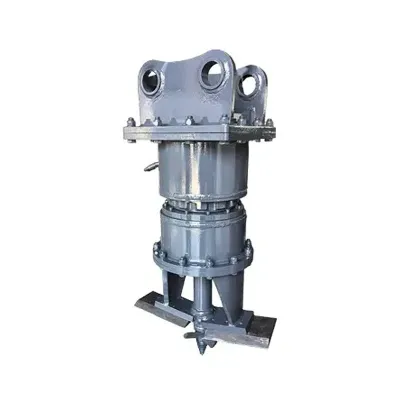
For contractors looking at a dredge pump for excavator use, giving the supplier your excavator make, model, operating weight, auxiliary flow and pressure, and mounting dimensions is the surest way to get a proper match. A supplier who knows both the pump specs and excavator hydraulics can recommend the right model and setup for your specific machine and job.
Environmentally Sensitive Dredging Considerations
Dredging in environmentally sensitive areas—wetlands, wildlife habitats, fish spawning grounds, water supply reservoirs, protected waterways—means you have to pay extra attention to sediment control and turbidity. The main concern is keeping sediment from getting stirred up into the water column, which can hurt aquatic life, mess up water quality, and violate regulations. An excavator-mounted pump with an adjustable agitator lets the operator dial back agitation intensity in sensitive spots, loosening only the material being pumped without disturbing the surrounding sediment. The ability to run at lower flow rates also helps cut turbidity by creating less turbulence at the intake.
Where you place the pump and how you operate it are just as important in environmentally sensitive work. Lower the pump slowly and position it carefully to avoid dragging through undisturbed sediment. Working in a systematic pattern—from the outside in, or from deep to shallow—can limit the area of disturbed sediment. Route the discharge to a contained settling area or dewatering facility rather than dumping it straight back into the water body, so you don't send pumped sediment right back into the sensitive area. In some cases, you might need a silt curtain or turbidity barrier around the dredging area to contain suspended sediment. Contractors should also be aware of seasonal restrictions, like fish spawning windows or bird nesting seasons, that might limit when you can dredge. Choosing a pump that gives you precise control over agitation and flow, along with proper operator training, is essential for meeting environmental requirements while still getting the job done.
Heavy Construction Dredging Considerations
Heavy construction dredging covers a lot of ground—foundation pit excavation, harbor basin deepening, navigation channel maintenance, bridge pier construction, land reclamation. These jobs usually focus on moving high volumes of material and often involve changing conditions, from loose silt to compacted clay to mixed soil with rock fragments. A dredge pump for heavy construction needs enough flow capacity to handle the expected volume, a tough agitator that can break up compacted material, and wear parts designed to handle abrasive soil and rock. The ability to switch quickly between operating modes—high flow for loose material, high torque for compacted stuff—is valuable on sites where conditions can change from one spot to the next.
Construction dredging often means working around existing structures like bridge piers, seawalls, foundation cofferdams, or utility lines. That calls for precise pump positioning and careful control to avoid hitting anything. The excavator-mounted setup is a big advantage here, since the operator can place the pump exactly where it needs to go using the boom and arm controls. Discharge routing on construction sites might mean pumping to a dewatering area, a haul truck, or a pipeline, and the pump needs enough head to handle the elevation and friction losses of whatever system you're using. Construction projects usually run on tight schedules, so equipment reliability is huge—a pump that needs constant maintenance or keeps breaking down can derail the whole timeline. Choosing a pump with readily available wear parts, simple maintenance procedures, and solid technical support is key to meeting construction deadlines.
Marine Dredging Considerations
Marine dredging—harbor maintenance, channel deepening, coastal erosion control, marina development, offshore infrastructure—brings its own set of challenges for excavator pump attachments. Saltwater corrodes metal parts fast, so pumps used in marine work need corrosion-resistant materials, protective coatings, and regular freshwater rinses to last. Marine dredging usually means deeper water than inland jobs, so the pump has to work at depth while keeping proper submergence and suction. The excavator is typically on a barge, spud barge, or jack-up platform, which affects stability, lift capacity, and reach, and might mean longer hydraulic hose runs between the machine and the pump.
Marine dredging materials can be all over the place—soft marine silt and clay, sand, shell, coral, compacted sediment. The pump needs to handle all of that, and the agitator should be tough enough to break up compacted marine deposits. Discharge in marine work often means pumping to a scow, pipeline, or offshore disposal site, which might take serious head capacity and big-diameter hoses. Tides change water depth through the day, so the operator has to adjust pump depth and position as the water level moves. Marine projects also have to follow regulations on sediment disposal, turbidity control, and protecting marine habitats, so make sure your pump and operating methods comply with all applicable rules. Working in marine environments also means paying attention to safety—barge stability, life jackets, and emergency procedures for working over water.
Making the Right Selection
The process of picking an excavator pump attachment should start with a thorough look at your project requirements, site conditions, and material characteristics, followed by a careful review of the available pump options and how they fit with your excavator. Contractors should avoid the common trap of choosing a pump based solely on excavator tonnage or max flow rate—those numbers alone don't account for all the factors that determine real-world performance. A pump that's properly matched to the application, material, site, and excavator will deliver reliable performance, acceptable wear, and productive operation throughout the project.
When you're evaluating pump options, look beyond the initial purchase price to the total cost of ownership—wear part replacement costs, maintenance frequency, expected service life, and the availability of technical support. A pump with a slightly higher upfront cost but lower wear rates and better reliability might end up being the better deal over the life of the equipment. Contractors who do dredging work regularly might benefit from owning a few different pump setups for different jobs, while those who only dredge once in a while might find that one versatile pump covers most of their needs. For tips on getting the most out of your pump once you've picked it, check out our article on how excavator pump attachments can improve dredging productivity.
Key Takeaways
-
Define your primary application first—environmental, construction, or marine dredging each comes with different demands for pump setup and operating methods.
-
Check site conditions including water depth, access, discharge distance and elevation, and environmental restrictions before picking a pump.
-
Know your material—density, abrasiveness, particle size, compaction, and solids content—to choose the right impeller, agitator, and wear parts.
-
Verify excavator compatibility—auxiliary flow and pressure, lift capacity at working reach, boom and arm setup, and mounting dimensions.
-
Environmentally sensitive work needs precise control over agitation and flow, proper discharge containment, and operator techniques that keep sediment down.
-
Heavy construction dredging is about high-volume removal, handling variable materials, and reliable equipment to meet tight schedules.
-
Marine dredging calls for corrosion-resistant parts, deeper water capability, barge-friendly operation, and compliance with marine regulations.
-
Look at total cost of ownership—wear parts, maintenance, service life, and support—not just the purchase price.