
Welcome to the Official Website of TianGe Attachments.

Excavator Hydraulic Brush Cutter

Excavator Hydraulic Brush Cutter

TGEC excavator hydraulic brush cutters clear brush, small trees and woody vegetation on mini to mid-size excavators from 3 to 10 tons. Six models cover 40 to 60 inch cutting widths with standard-flow and high-flow hydraulic options.
Product Name: Brush hog attachment / Rotary brush cutter / Excavator rotary cutter / Hydraulic vegetation mower / Brush clearing attachment
Type: Brush Cutters
After-sales Service: Provided
Warranty: 1 Year
Customization: Available
Shipping Cost: Negotiate with us about shipping cost and estimated delivery time.
Get a quote
Overview
FAQ

Product Overview

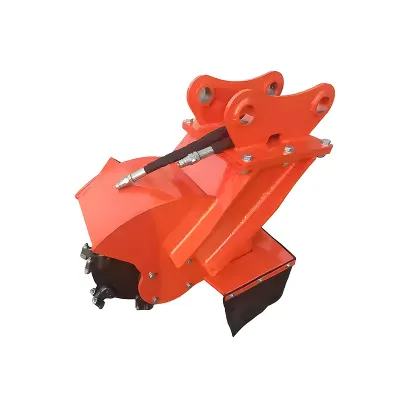
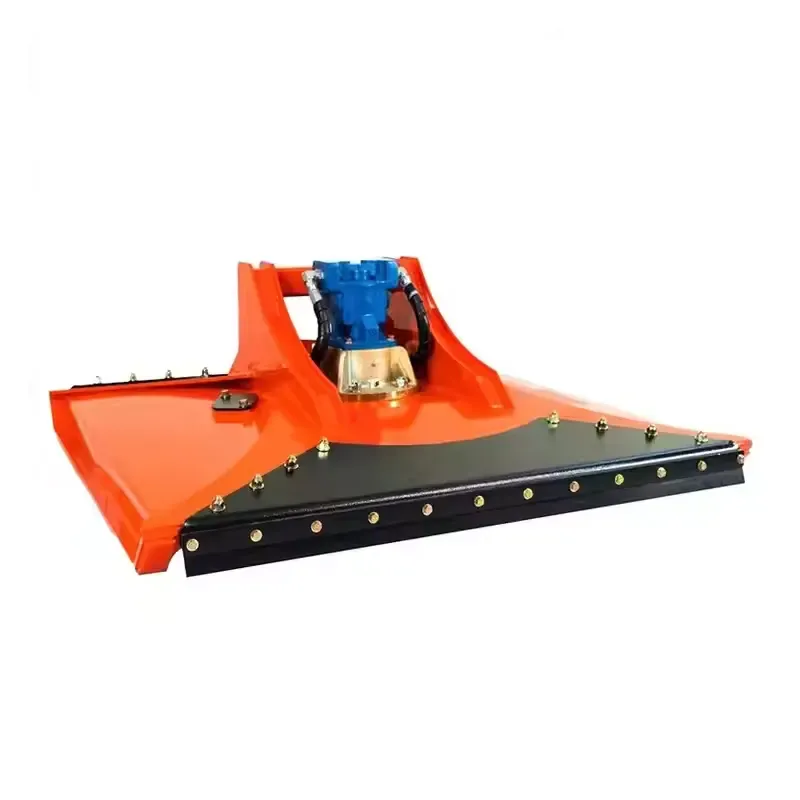
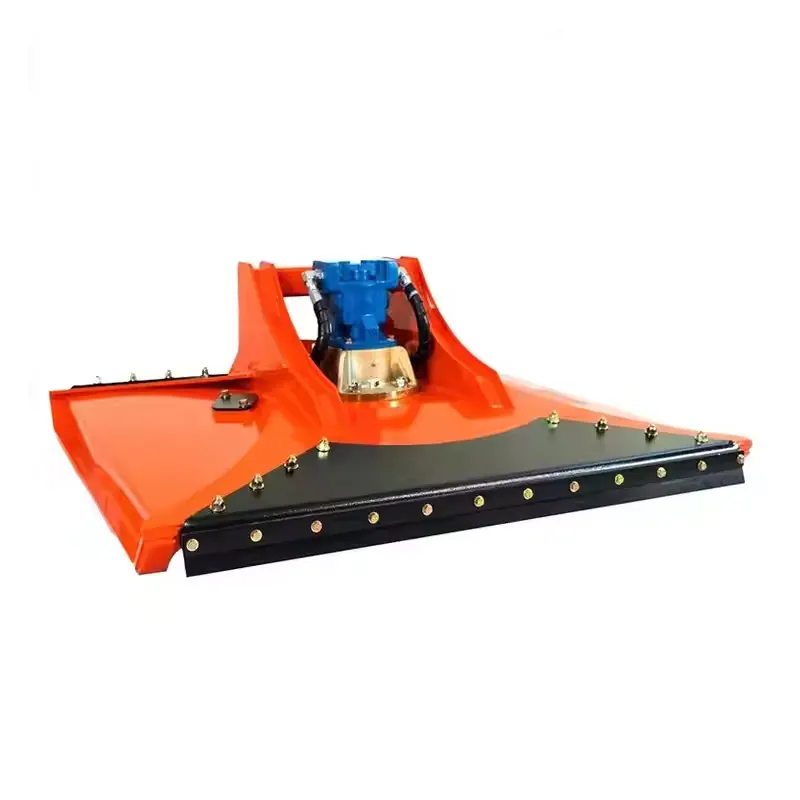
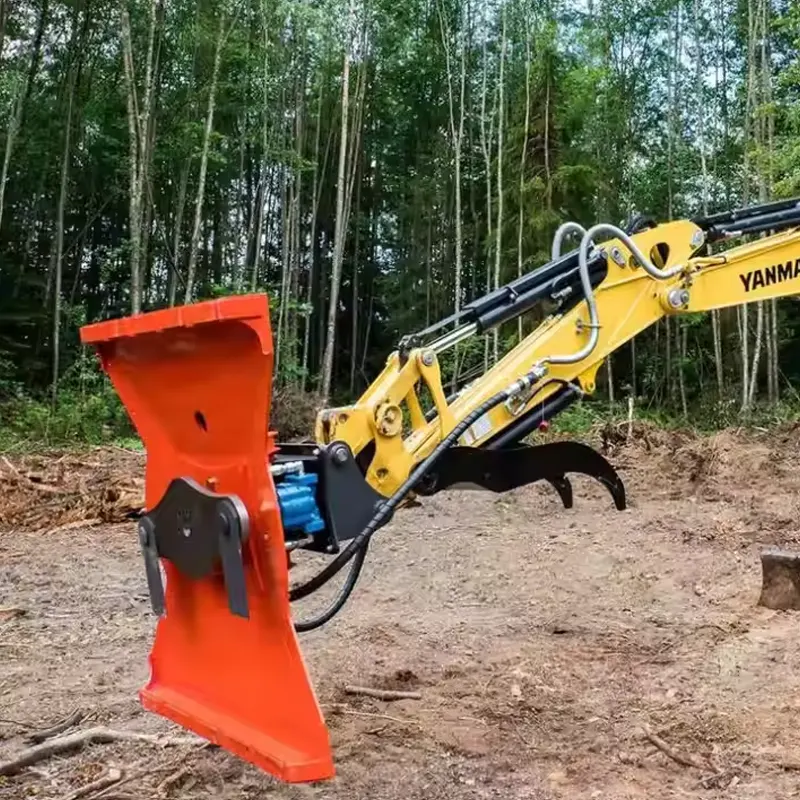
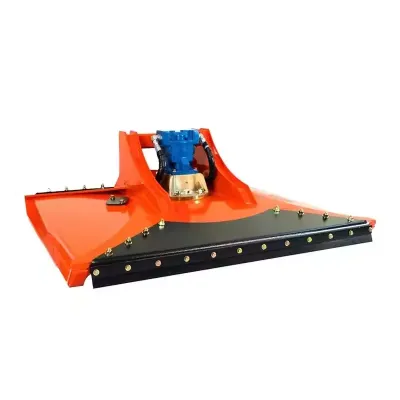
The TGEC hydraulic brush cutter is a heavy-duty rotary attachment designed to chew through brush, saplings, and woody growth up to 6 inches in diameter. A high-torque hydraulic motor spins the blade assembly inside a reinforced deck, and the whole unit mounts to your excavator boom where the bucket would normally go. Power comes straight from the machine's auxiliary hydraulic circuit, and the rugged deck housing protects the motor and blades from debris and impact damage during rough clearing work.

Six models cover the full mini to mid-size excavator range. The TG-BC40 series fits 3 to 6 ton machines with a 40-inch cutting width, the TG-BC50 series covers 5 to 8 ton excavators with a 50-inch width, and the TG-BC60 series handles 7 to 10 ton carriers with a 60-inch cutting width. Each size is available in standard-flow (S) and high-flow (H) variants to match the carrier hydraulic output. Within the broader excavator brush cutters category, this hydraulic model is the primary commercial product covering brush hog and rotary cutter search variants.

Technical Specifications

Six models cover excavators from 3 to 10 tons. All dimensions and performance figures are listed in metric with imperial equivalents provided.

Model Excavator Class Hydraulic Flow Cutting Width Max Brush Diameter Weight Dimensions (L×W×H)
TG-BC40-S 3–6 t (3.3–6.6 ton) 49–72 L/min (13–19 gpm) 1016 mm (40 in) 102 mm (4 in) 299 kg (660 lb) 1194×1321×559 mm (47×52×22 in)
TG-BC40-H 3–6 t (3.3–6.6 ton) 72–98 L/min (19–26 gpm) 1016 mm (40 in) 102 mm (4 in) 299 kg (660 lb) 1194×1321×559 mm (47×52×22 in)
TG-BC50-S 5–8 t (5.5–8.8 ton) 64–83 L/min (17–22 gpm) 1270 mm (50 in) 127 mm (5 in) 476 kg (1050 lb) 1448×1600×610 mm (57×63×24 in)
TG-BC50-H 5–8 t (5.5–8.8 ton) 83–129 L/min (22–34 gpm) 1270 mm (50 in) 127 mm (5 in) 476 kg (1050 lb) 1448×1600×610 mm (57×63×24 in)
TG-BC60-S 7–10 t (7.7–11 ton) 76–106 L/min (20–28 gpm) 1524 mm (60 in) 152 mm (6 in) 562 kg (1240 lb) 1702×1854×660 mm (67×73×26 in)
TG-BC60-H 7–10 t (7.7–11 ton) 106–132 L/min (28–35 gpm) 1524 mm (60 in) 152 mm (6 in) 562 kg (1240 lb) 1702×1854×660 mm (67×73×26 in)

Table data is for reference only. Actual specifications may vary based on the final configuration. Please contact the TianGe technical team for details.

How It Works

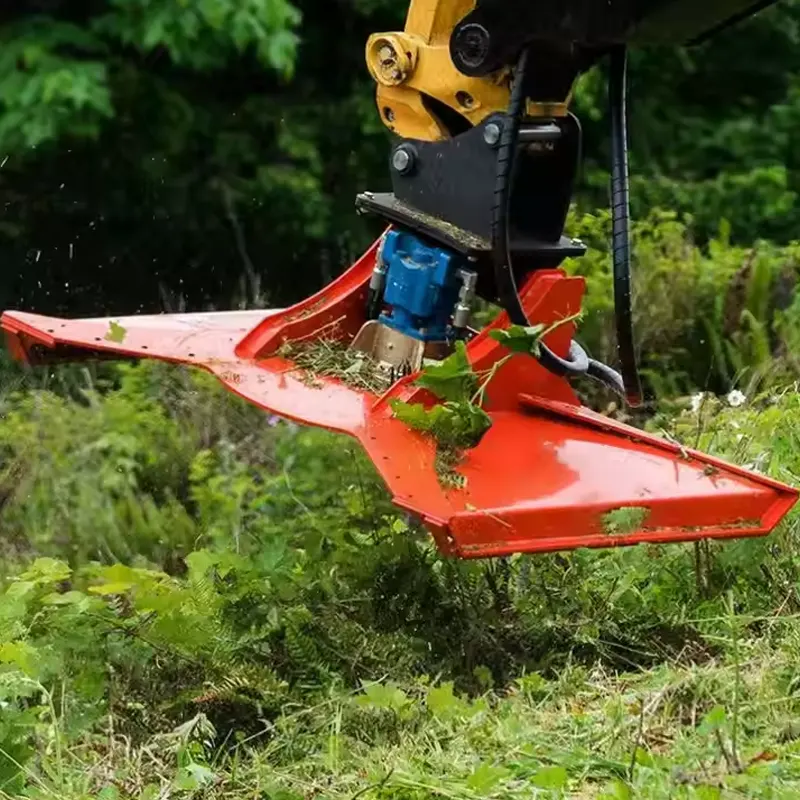
The hydraulic brush cutter runs on a simple, proven principle. Pressurized hydraulic fluid from the excavator's auxiliary circuit feeds into a high-torque motor mounted on the cutter deck, spinning the motor shaft. That shaft turns a heavy-duty rotary blade assembly inside the reinforced deck, and the blades rotate at high speed to slice through brush, saplings, and woody vegetation—mulching the material as it passes through. The excavator boom gives you precise control over height and angle, while the operator adjusts hydraulic flow to fine-tune cutting speed. The reinforced deck keeps flying debris contained and protects the motor and blade assembly from impact damage during hard clearing work.

Application Scenarios

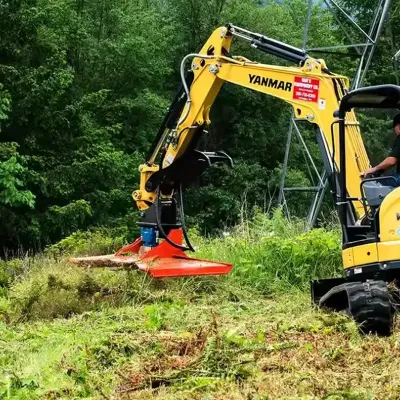
  • Land clearing and site preparation: Clear brush, small trees and woody vegetation during construction site prep, property clearing and development projects.

  • Right-of-way maintenance: Manage vegetation along roads, utility corridors, pipelines and railway rights-of-way where access and visibility must be maintained.

  • Vegetation management: Process overgrown brush, invasive species and woody growth on commercial, agricultural and municipal properties.

  • Forestry and woodland maintenance: Clear underbrush, small trees and woody debris in forestry operations, managed woodlands and tree farm thinning work.

  • Storm and disaster cleanup: Process fallen branches, brush and storm-damaged vegetation during site cleanup and recovery operations.

For a detailed selection framework covering excavator matching, hydraulic requirements and vegetation conditions, see How to Choose the Right Excavator Brush Cutter for Your Jobsite.

Installation & Mounting

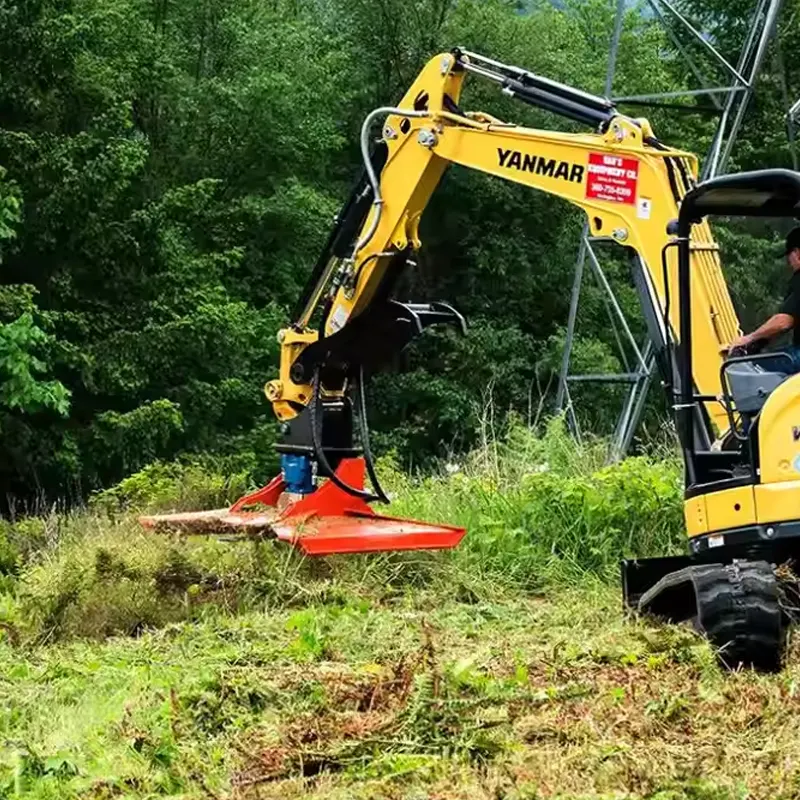
The brush cutter mounts to your excavator boom in place of the bucket, using a custom bracket machined to match your machine's pin spacing, pin diameter, and linkage geometry. The auxiliary hydraulic circuit connects to the cutter motor through quick-disconnect hoses. When ordering, provide your excavator make and model, operating weight, pin-to-pin spacing, pin diameter, stick width, and auxiliary hydraulic flow and pressure. The unit can also be configured for mechanical or hydraulic quick couplers—just specify your coupler type. Installation is straightforward: remove the bucket, position the bracket, install the pins, and hook up the hydraulic lines.

Wear Parts & Service

The main wear items are the rotary cutting blades, the blade spindle and bearings, the hydraulic motor, and the hydraulic hoses. Check blades after each shift for dullness, chipping, or cracking, and sharpen or replace them when cutting quality drops. Worn blades cause rough cuts, extra vibration, and strain on the hydraulic motor. Grease the spindle and bearings per the maintenance schedule and listen for unusual noise or play. Inspect hydraulic hoses for abrasion, cracking, or leaks at the fittings, and replace any that show damage. Check the deck housing for cracks or structural damage after heavy impacts, and keep an eye on the mounting bracket pins and bushings for wear. With regular care and timely blade replacement, the brush cutter delivers reliable performance season after season.

Request a Quote — Excavator Hydraulic Brush Cutter

To get a quote, just send us your excavator details (make, model, weight, hydraulic flow/pressure, pin dimensions, coupler type), the model you're interested in (TG-BC40/50/60, standard or high-flow), your application, typical brush size, and quantity. We'll confirm the right fit, check hydraulic compatibility, and reply with a factory-direct quote and lead time.

Dealer and OEM inquiries: Contact TGEC to discuss volume supply, custom configurations, private-label requirements and long-term sourcing programs for excavator hydraulic brush cutters.
Frequently Asked Questions

What is an excavator hydraulic brush cutter used for?+

An excavator hydraulic brush cutter is a rotary cutting attachment that uses hydraulic power to clear brush, small trees and woody vegetation. It is commonly used for land clearing, right-of-way maintenance, vegetation management, forestry underbrush clearing and storm cleanup. The attachment mounts to the excavator boom in place of the bucket and is powered by the machine auxiliary hydraulic circuit.

What is the difference between a brush cutter, brush hog, and rotary cutter for an excavator?+

Brush cutter, brush hog and rotary cutter are common industry names for the same category of excavator-mounted vegetation-cutting attachments. All three terms refer to a hydraulic rotary blade assembly designed to cut and mulch brush, saplings and woody vegetation. Brush hog is a colloquial term widely used in North America, rotary cutter describes the operating principle, and brush cutter is the generic product name. TGEC uses hydraulic brush cutter as the canonical product name while covering all three search variants.

Can a hydraulic brush cutter be used with a mini excavator?+

Yes. The TGEC brush cutter lineup includes models designed for mini excavators from 3 tons. The TG-BC40 series fits 3 to 6 ton machines with a 40-inch cutting width and requires 13 to 26 gpm auxiliary hydraulic flow depending on the standard-flow or high-flow variant. Always verify the specific carrier weight range and hydraulic flow requirements for each model, and confirm that the cutter weight plus the expected cutting load falls within the excavator lift capacity at the working reach.

What information is needed to match a brush cutter to an excavator?+

To match a brush cutter to your excavator, provide the excavator make and model, operating weight, auxiliary hydraulic flow and pressure, pin-to-pin spacing, pin diameter, stick width, and whether you use a mechanical or hydraulic quick coupler. The technical team will use this information to recommend the correct model (TG-BC40, TG-BC50 or TG-BC60), determine whether standard-flow or high-flow is appropriate, and configure the mounting bracket for a proper fit.

What should contractors consider when choosing an excavator brush cutter attachment?+

Contractors should evaluate the typical brush diameter they need to cut, the excavator size and lift capacity, auxiliary hydraulic flow and pressure, required cutting width, and mounting or coupler compatibility. Standard-flow models work with lower-flow carriers, while high-flow models deliver more cutting power for heavier vegetation. The cutting width should match the job scale—wider decks cover more ground per pass but require larger carriers. Always verify that the cutter weight falls within the excavator lift capacity at extended reach.

Can an excavator brush cutter be used for general vegetation clearing?+

Yes. Excavator brush cutters are designed for general vegetation clearing including brush, saplings, small trees and woody growth up to 6 inches in diameter depending on the model. They are suitable for land clearing, site preparation, right-of-way maintenance, property management and forestry underbrush clearing. For fine grass mowing or formal hedge trimming, a flail mower or hedge trimmer attachment may be more appropriate, but for general woody vegetation clearing the hydraulic brush cutter is the standard choice.

What information should I provide when requesting a brush cutter quotation?+

When requesting a quotation, provide the excavator make and model, operating weight, auxiliary hydraulic flow and pressure, pin-to-pin spacing and pin diameter, stick width, mounting or coupler type, preferred model (TG-BC40, TG-BC50 or TG-BC60, standard-flow or high-flow), primary application (land clearing, right-of-way, vegetation management, forestry, storm cleanup), typical brush diameter, and the quantity you need. This information allows the team to confirm the right model, verify hydraulic compatibility, configure the mounting bracket, and provide an accurate quotation.

Is a brush cutter head for a mini excavator a separate product?+

No. The brush cutter head is the cutting assembly component of the complete hydraulic brush cutter attachment, not a separate product. The full attachment includes the hydraulic motor, rotary blade assembly, reinforced deck housing and mounting bracket as one integrated unit. TGEC supplies the complete brush cutter attachment configured for your excavator, not a standalone cutting head. Search terms like brush cutter head for mini excavator refer to the same product entity.

Are brush hog and rotary cutter common terms for excavator vegetation attachments?+

Yes. Brush hog and rotary cutter are widely used industry terms for the same category of excavator-mounted hydraulic rotary cutting attachments. Brush hog is a colloquial term common in North American construction and land clearing markets, while rotary cutter is a more technical description of the operating principle. Both refer to the same product type as a hydraulic brush cutter. TGEC covers all three search variants under the single canonical product URL without creating separate pages for each term.

Can the brush cutter be supplied for different excavator configurations?+

Yes. TGEC brush cutters can be configured for different excavator makes, models and sizes. Custom mounting brackets are engineered for specific excavator pin dimensions and linkage geometry, and the units can be set up for mechanical or hydraulic quick-coupler compatibility. Standard-flow and high-flow variants are available to match different carrier hydraulic systems. Provide your excavator details and the technical team will configure the correct mounting bracket and hydraulic setup for your machine.

What should dealers consider when sourcing hydraulic brush cutters?+

Dealers should evaluate the manufacturer product range, model availability for common excavator sizes (3 to 10 tons), standard-flow and high-flow options, mounting bracket compatibility with popular excavator brands, spare parts availability (blades, spindles, seal kits, hydraulic hoses), warranty terms, and production capacity for volume orders. It is also important to confirm the supplier can provide technical support for hydraulic flow matching, installation guidance and troubleshooting. Dealers should request product specifications, mounting data and sample units for evaluation before committing to inventory.

Can TianGe provide OEM support for excavator hydraulic brush cutters?+

Yes. TianGe offers OEM and private-label supply for excavator hydraulic brush cutters. OEM customers can configure units with their brand name, color scheme, packaging and documentation, with flexible minimum order quantities and competitive volume pricing. Custom mounting brackets for specific excavator brands and quick-coupler interfaces can also be evaluated. Contact our sales team with your company details, target market, estimated volume and branding requirements to receive a customized OEM proposal.
Please make sure to include your phone number with the country code (e.g., 86 for China, 1 for USA).