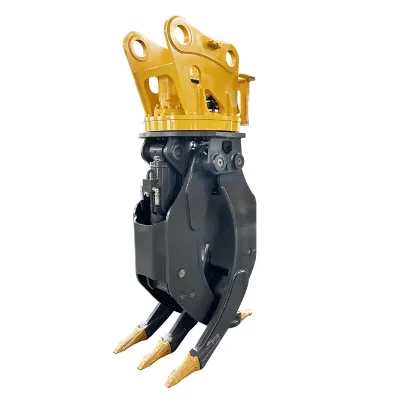
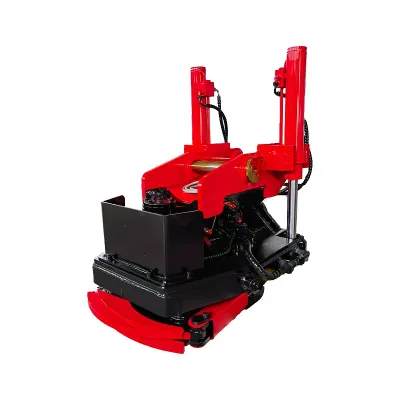
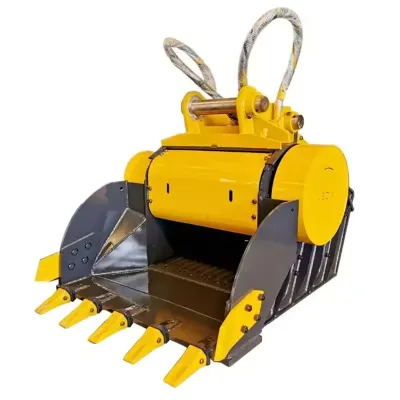
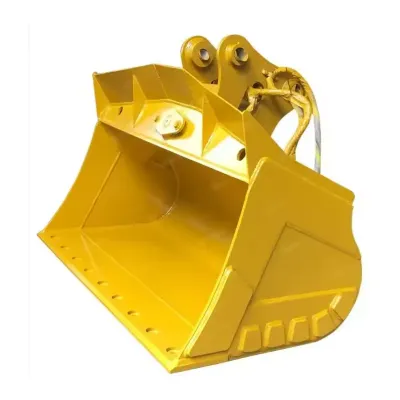
Picking the right excavator brush cutter is all about matching the attachment to both your machine and the vegetation you're dealing with. Go too big, and you'll stress the boom, overload the hydraulics, and make the machine feel tippy. Go too small, and you'll spend all day making extra passes because you're not cutting wide enough or deep enough. This guide walks you through the most important factors to weigh before you pull the trigger on a hydraulic brush cutter.
Start With Your Excavator Size
Your machine's operating weight is the first thing to check. Brush cutters are rated for specific weight ranges, and sticking to those ratings keeps your machine safe and your cutter performing at its best. Mini excavators in the 3-to-6-ton range are a natural fit for 40-inch cutters; 5-to-8-ton machines pair well with 50-inch units; and 7-to-10-ton excavators can handle 60-inch brush cutters. Just make sure the cutter weight plus the load you're putting on it stays within your excavator's lift capacity at working reach—especially when you're reaching way out with the boom.
Match Hydraulic Flow and Pressure
Every hydraulic brush cutter needs a certain flow range to cut right. Standard-flow models are built for lower-flow machines, while high-flow versions demand more hydraulic muscle for bigger decks and heavier growth. Before you settle on a model, check your excavator's auxiliary flow in gpm or L/min and line it up with the specs for each cutter. If the cutter asks for more flow than you've got, it'll stall out under load and cut like a slug. If it's designed for less flow and you run it on a high-flow machine, it'll overspeed, wear out fast, and could even become a safety issue.
Evaluate Vegetation and Cutting Requirements
The brush you're clearing should steer your choice of cutting width and blade capacity. Light brush and saplings under 3 inches? A 40-inch unit will do the job. Thicker stuff up to 6 inches? You'll want a 50- or 60-inch model with a high-flow motor to deliver the torque you need. Wider decks cover more ground per pass, but they also need bigger carriers and more hydraulic flow. Think about your main gig—land clearing, right-of-way work, general vegetation management, or forestry—and pick a model that matches the brush size and scale you run into most often.
Verify Mounting and Coupler Compatibility
Your brush cutter has to bolt up to your excavator boom with a bracket that matches your machine's pin spacing, pin diameter, and linkage geometry. When you order, give the supplier your excavator make and model, pin-to-pin spacing, pin diameter, stick width, and whether you're running a mechanical or hydraulic quick coupler. If you've got a coupler, the bracket needs to be built to match that interface. A properly fitted bracket keeps things safe, cuts down on wear to boom pins and bushings, and makes it easy to swap attachments when you need to.
For full specs and model details, check out the TGEC excavator hydraulic brush cutter product page. For more on clearing applications, see How to Clear Brush with an Excavator. And for a side-by-side of cutting methods, take a look at Excavator Flail Mower vs Brush Hog.