Using an excavator to clear brush is a go-to solution for land clearing, right-of-way maintenance, site prep, and general vegetation management. With the right attachment, you can chew through overgrown brush, saplings, and small trees in a hurry. But pick the wrong setup, and you'll be fighting slow progress, risking damage to your machine, and dealing with unnecessary safety hazards. This guide walks you through the most important factors for clearing brush efficiently with an excavator-mounted hydraulic brush cutter.
Choose the Right Attachment for the Vegetation
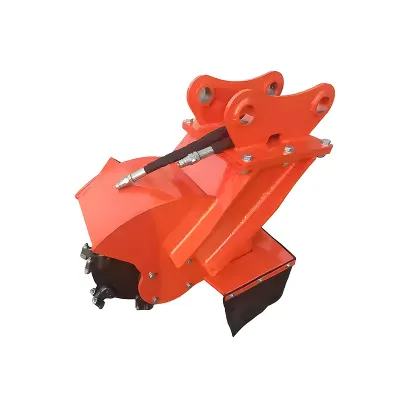
Your first move is picking the right attachment for the vegetation you're dealing with. For clearing brush, saplings, and woody growth up to 6 inches in diameter, a hydraulic brush cutter with a heavy-duty rotary blade is the standard tool. If you're mostly cutting grass and light brush, a flail mower might leave a finer mulch finish, but for serious woody vegetation, the brush cutter has the torque and blade strength to handle thicker material. Think about the typical brush size on your job—if you're regularly cutting stuff over 4 inches, step up to a larger model with a high-flow hydraulic motor to get the cutting power you need.
Evaluate Jobsite Conditions
Before you fire up the cutter, take a good look at the site. Steep slopes can make an excavator tippy, especially when you're reaching out with the cutter. Rocky ground is tough on blades and the deck housing—one good hit on a buried boulder can do some real damage. Wet or muddy conditions might limit where you can drive and could call for extra ground protection. And don't forget to look up—overhead power lines, low-hanging branches, and structures can all get in the way of your boom movement. A quick walk-around before you start helps you avoid equipment damage, keep things safe, and stay on schedule.
Mini Excavator vs Full-Size Carrier
Mini excavators in the 3-to-6-ton range are great for brush clearing on residential lots, tight-access sites, and smaller properties where a big machine just won't fit. A 40-inch brush cutter on a mini can handle brush and saplings up to 4 inches thick while keeping ground disturbance to a minimum. For bigger land-clearing jobs, right-of-way work, or commercial vegetation management, you'll want a 7-to-10-ton excavator with a 50- or 60-inch cutter—more deck width means you cover more ground per pass, and the extra weight gives you better stability when you're pushing into heavy growth. The right choice comes down to site access, project size, and how thick the vegetation gets.
Safety and Operating Best Practices
Brush clearing with a rotary cutter kicks up debris and spinning blades are nothing to mess with, so safety gear and smart habits are non-negotiable. Always wear safety glasses, hearing protection, and a hard hat when you're anywhere near the cutter. Keep bystanders at a safe distance and make sure nobody's in the cutting zone while the machine is running. Give the cutter a once-over before each shift—check for damaged blades, loose hardware, and hydraulic hose leaks. When you're cutting, keep a steady pace that lets the blades maintain their speed; jamming the cutter into heavy brush too fast can stall the motor and chew up components. For more on the specific models and what they can do, see the TGEC excavator hydraulic brush cutter page. And for a deeper dive into picking the right setup, check out How to Choose an Excavator Brush Cutter.