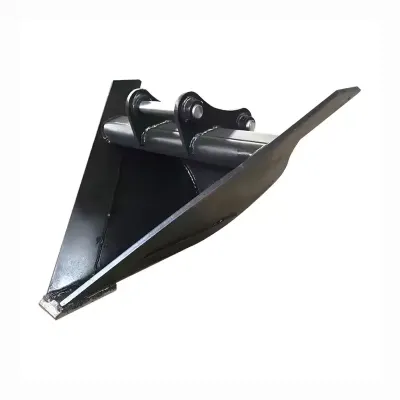
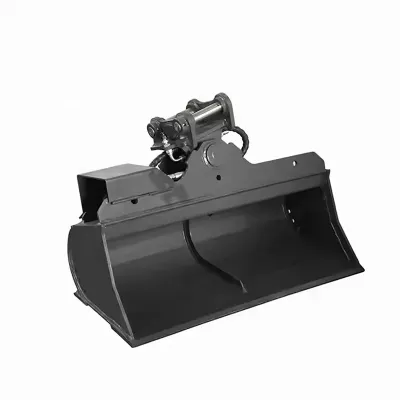
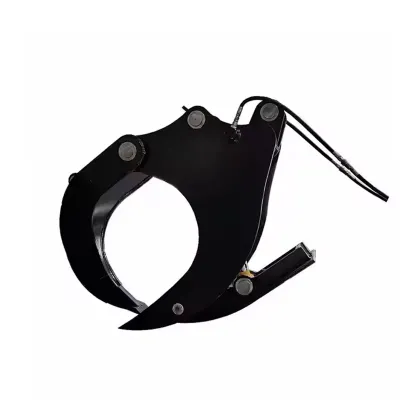
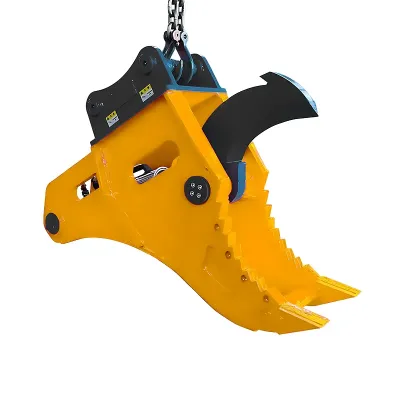
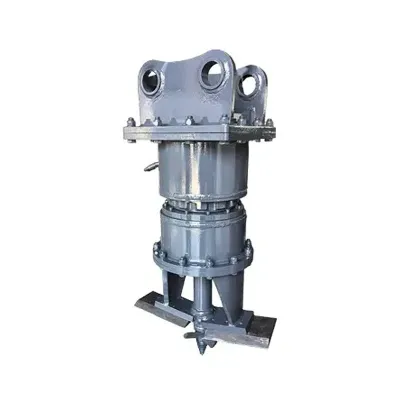
People toss around the terms "grapple" and "grapple bucket" like they're the same thing, but they're not. They're two different attachments with different designs and different strengths. A grapple uses open jaws or tines to grab irregular objects. A grapple bucket combines a bucket body with a clamp arm so you can both dig and hold material. Which one you need depends on whether you're mostly sorting and grabbing, or digging and hauling. This article breaks down the structural differences, compares what each one does well, and points you to the jobs where each attachment really earns its keep.
Both types fall under the broader excavator grapple umbrella, and many manufacturers offer both in the same product line. Knowing the difference keeps you from buying an attachment that looks right but struggles with the material you actually handle day in and day out.
Design Structure: Open Jaws vs Bucket Body
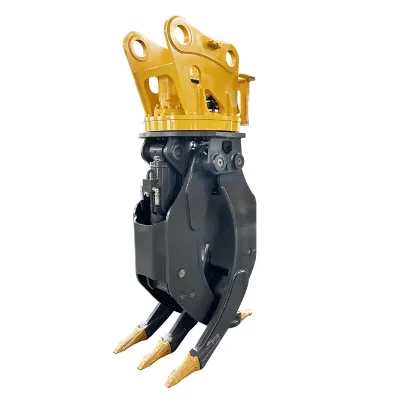
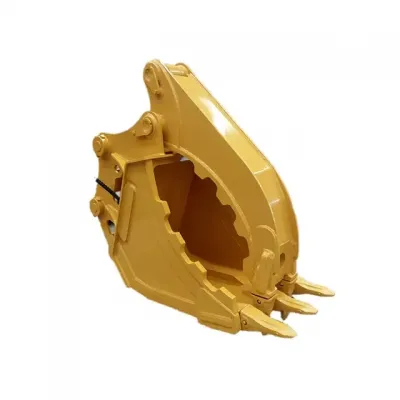
A standard grapple is made up of two or more opposing jaws or tines that open and close to grab material. The jaws are open—no bottom, no sides. That open design lets the grapple wrap around odd-shaped objects like logs, rocks, and scrap metal, conforming to shapes a flat bucket just can't hold. The gaps also mean fine material falls through, which is great when you're trying to separate rock from dirt, but not so great when you're trying to carry sand or gravel.
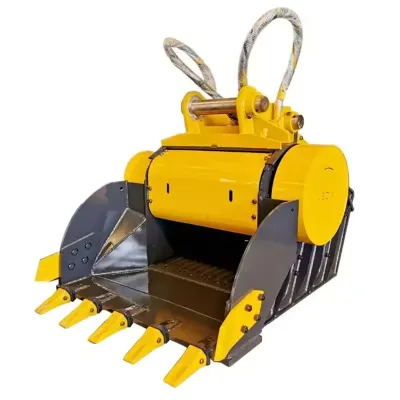
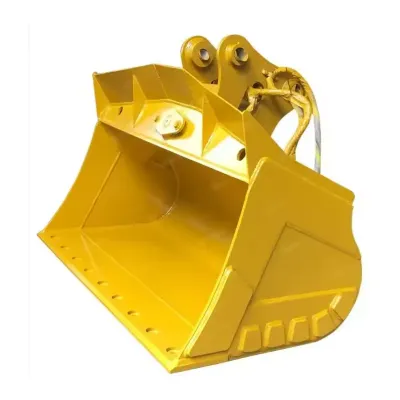
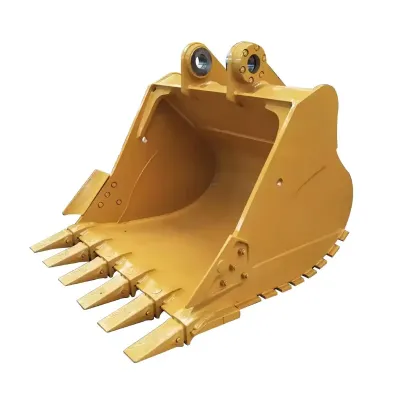
A grapple bucket, on the other hand, starts with a standard bucket body and adds a grapple arm or clamshell mechanism that clamps material against the bucket floor. The bucket gives you an enclosed base and sides so you can dig into piles and keep loose material contained. The grapple arm holds the load steady during transport and gives you clamping force for bulky items. In a clamshell design, two shell halves close together to form a sealed bucket—that's what you see used for dredging and deep excavation below grade.
Material Handling Capabilities
The open-jaw grapple shines when your material is irregular and doesn't need to be contained. Logs, rocks, scrap metal, stumps, demolition debris—all candidates for a standard grapple. The jaws can handle objects of all different sizes and shapes, and the operator can adjust the grip by controlling how far the jaws close. Fine stuff like soil, sand, and gravel falls through the gaps, which can be a feature (when you want to separate rock from dirt) or a limitation (when you need to move bulk material).
The grapple bucket handles a broader range of material because the bucket holds loose material while the grapple arm secures bulky items on top. You can dig into a gravel pile, lift and transport the load, and use the grapple arm to clamp big rocks or debris on top. That versatility makes grapple buckets popular with general contractors who deal with mixed material on a single job. The trade-off is that the bucket body limits how wide the attachment can open around really big objects, and the flat floor doesn't conform to round or irregular shapes the way open jaws do.
Hydraulic and Operating Requirements
Standard grapples need one auxiliary hydraulic circuit for non-rotating models and two circuits for rotary models—one for the jaws and one for the rotator. The flow requirement depends on the grapple size, with smaller models needing 50 to 120 L/min and larger ones requiring 100 to 200 L/min. Operating pressure typically ranges from 120 to 260 bar depending on the model and the work you're doing.
Grapple buckets also need an auxiliary circuit for the grapple arm, and clamshell configurations may need additional circuits depending on the design. Because the bucket body adds weight, grapple buckets tend to be heavier than open-jaw grapples of the same size, which can cut into your lift capacity on smaller excavators. The clamshell grapple bucket from TGEC comes in seven sizes with capacities from 0.5 to 4.0 cubic meters, covering machines from small to large.
Application Matchup
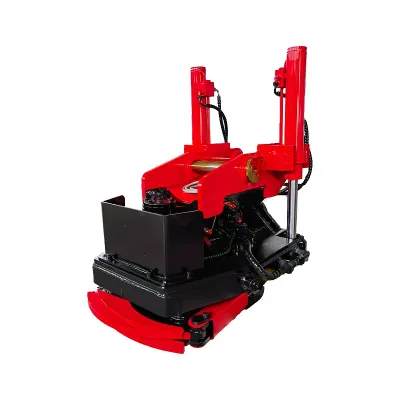
For scrap yards, recycling facilities, and demolition sites where material is irregular and sorting matters, a standard grapple is usually the better call. The open jaws conform to scrap shapes, and the ability to let fines sift through helps separate recyclables from trash. For forestry and timber work, a log grapple with curved tines gives you a secure hold on round logs that a flat bucket floor just can't match.
For general construction, site prep, and landscaping where you're digging and moving a mix of soil, rock, and debris, a grapple bucket gives you versatility. The bucket digs and holds loose material, and the grapple arm secures bulky items during transport. For dredging, deep excavation, and handling bulk materials below grade, a clamshell bucket is the standard because the sealed shells can dig into and lift material from below ground or water level.
For guidance on matching either attachment type to a compact carrier, the article on choosing a grapple for a mini excavator covers size and flow considerations for smaller machines.
Which Attachment Fits Your Job?
It comes down to your dominant material type and whether you need to dig or mainly grab. If your work revolves around irregular objects—scrap, logs, rocks, demolition debris—an open-jaw grapple gives you the conforming grip and sorting ability you need. If you dig and move mixed material including loose bulk, a grapple bucket delivers versatility. For dredging and below-grade work, a clamshell bucket is the standard. Plenty of contractors who handle a wide range of material eventually own both, using each one for the jobs where it performs best.
Before you buy either type, make sure your excavator has the right auxiliary hydraulic circuits, enough flow, and adequate lift capacity at working reach. The selection guide walks you through the full compatibility check process.