Choosing a tiltrotator is about more than matching a model number to excavator tonnage. An undersized unit won't deliver enough tilt or rotation torque for heavy grading. An oversized one will overload the auxiliary circuit and cut lift capacity. The right choice balances five factors: carrier weight class, auxiliary hydraulic flow and pressure, mounting interface, tool compatibility, and the primary applications. Get this balance right, and the tiltrotator delivers real productivity gains — fewer machine moves, faster grading, better precision — without straining the excavator or limiting your tools.
Start with Carrier Weight and Hydraulic Capacity
Operating weight is the first filter. Each tiltrotator model is rated for a specific carrier range — typically 2–4.5 t, 5–6 t, 7.5 t, 8–15 t, and 18–22 t. Your excavator should fall within the chosen model's range. But weight alone doesn't tell the full story. Two machines with the same tonnage can have very different auxiliary outputs, and tiltrotator performance depends directly on the flow and pressure the excavator delivers.
Auxiliary flow is the most critical spec after weight. Tiltrotators need continuous flow to drive both tilt and rotation simultaneously — requirements range from 18 L/min for the smallest model to 120 L/min for the largest. If flow is below the minimum, tilt and rotation will be slow and weak, especially when both functions operate at once. If flow exceeds the maximum, the motor and cylinders can be damaged. System pressure must also match — typically 210 to 220 bar depending on the model. The excavator needs a dedicated auxiliary circuit rated for continuous operation, not an intermittent circuit for brief tool use. Always verify actual flow and pressure from the spec sheet or by measurement — nominal ratings may not reflect real output at the auxiliary circuit. Also consider hydraulic oil cooler capacity; continuous tilt and rotation generate extra heat that the cooler must handle.
Mounting Interface: Top and Bottom
A tiltrotator needs two interfaces — top to connect to the excavator arm, bottom to accept buckets and tools — and both must be compatible with your existing equipment. The top interface is typically a pin-on S-type mount using the excavator's existing bucket pins. Three dimensions matter: pin diameter, pin center distance (span between the two pins), and arm width (gap between the inner arm plates). These vary significantly by brand and model, even within the same weight class. A tiltrotator that fits one 8‑ton machine may not fit another without a custom bracket. Most suppliers offer custom top brackets fabricated to your specific dimensions.
If the excavator uses an arm-side quick coupler, the tiltrotator's top bracket must be compatible with that coupler's geometry — different brands use different mounting patterns, and an adapter plate may be needed. The bottom interface is a quick-coupler that accepts your existing buckets and tools. This is where many buyers hit trouble — the bottom coupler must match the pin dimensions and coupler type of the tools already in your fleet. If you use multiple coupler types or non-standard pins, custom adapters or a universal coupler may be required. Before ordering, provide the excavator make and model, arm pin dimensions, arm-side coupler type (if any), and bucket/tool pin dimensions to verify both interfaces. Also confirm the combined weight of the tiltrotator (173 to 650 kg) plus the tool beneath it stays within the excavator's lift capacity at the working radius — especially critical for mini excavators and extended-reach setups.
Tool Compatibility and Primary Applications
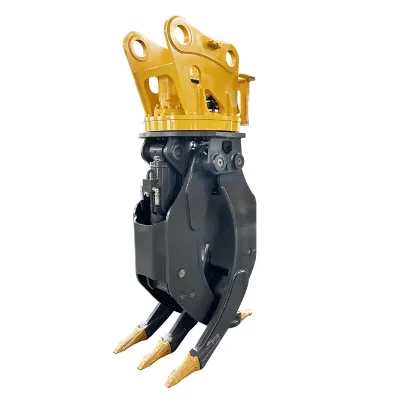
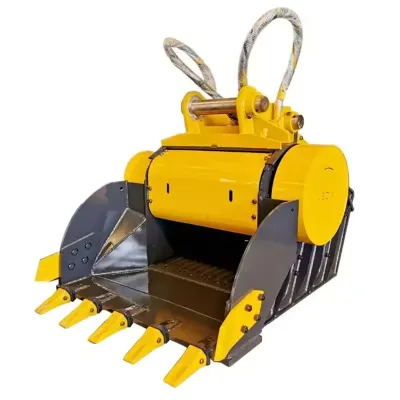
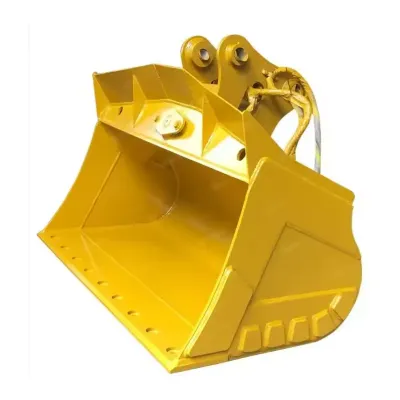
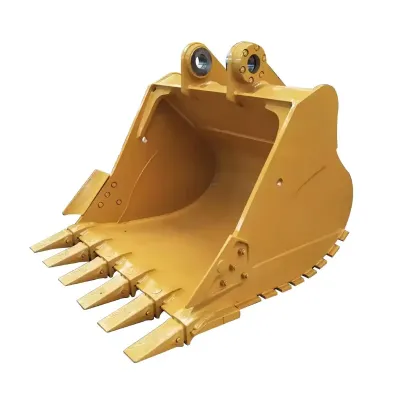
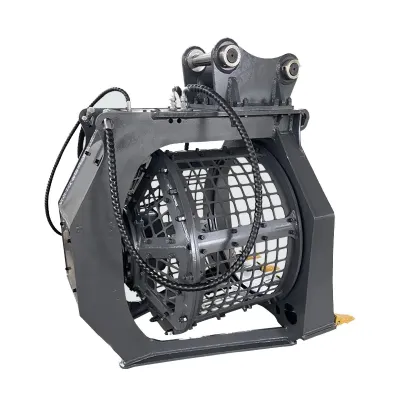
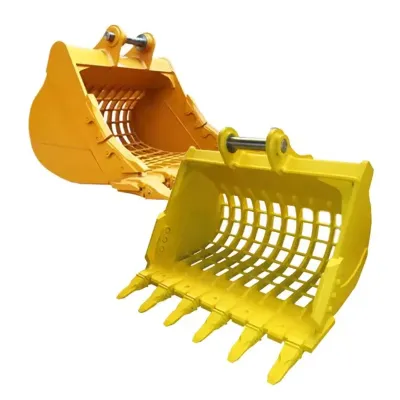
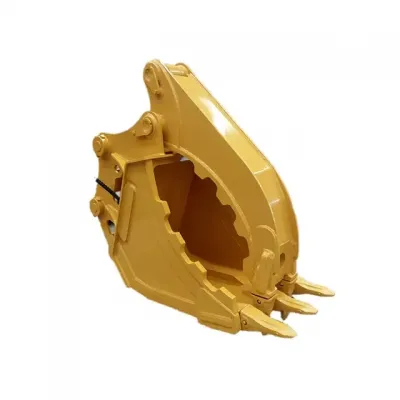
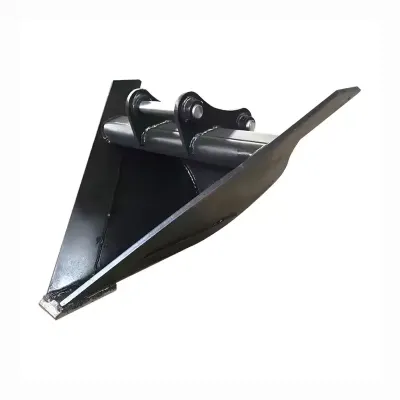
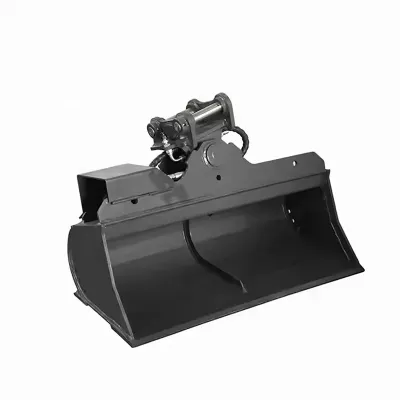
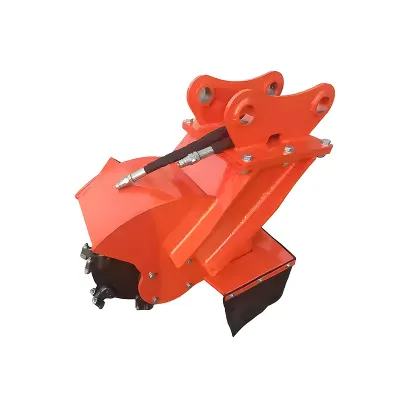
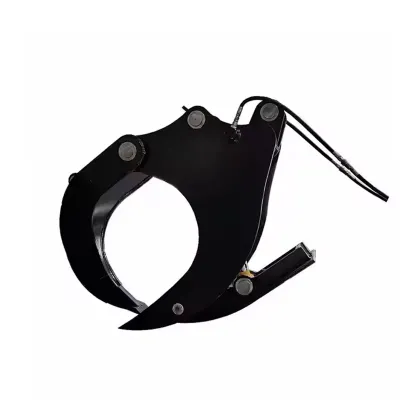
The buckets and tools you plan to use beneath the tiltrotator should influence model selection. Different tools place different demands on tilt torque, rotation torque, and weight capacity. Grading buckets — the most common tiltrotator tool — are wide and flat, needing consistent tilt torque for finish grading but relatively low rotation torque. Ditch cleaning buckets are wider and shallower, needing good tilt control for ditch slopes and rotation to work along the ditch without turning the machine. Sorting buckets with open tines are heavier and may need higher tilt torque for agitating material. Grapples, compactors, augers, and hammers each have their own weight and hydraulic needs — the tiltrotator must support both the tool's weight and any additional hydraulic circuits it requires.
Primary jobsite applications should also guide your choice. For precision grading and finishing — where the tiltrotator delivers the most value — a model with good tilt torque and smooth, controllable rotation is essential. The optional control system kit with proportional joystick and digital angle display is highly recommended for consistent grading accuracy. For ditch and trench work, rotation capability is critical for working along the ditch without repositioning, and tilt torque is needed for shaping slopes. For civil construction and roadwork, a mid-to-large model with high tilt torque (43 to 62 kNm) handles heavy grading and subgrade shaping. For landscaping and utility work on mini excavators, a smaller model (10.6 to 15 kNm tilt torque) provides enough capability while staying within the machine's capacity. If your work spans multiple application types, choose a model that covers the most demanding job — a tiltrotator that handles heavy grading will also handle light landscaping, but the reverse isn't true.
Control System: Standard or Upgrade
The final choice is whether standard lever controls are sufficient or if the optional control system kit is worth the investment. Standard tiltrotator controls use the excavator's auxiliary levers or pedals — one for tilt (left/right), one for rotation (clockwise/counterclockwise). This works for general use and operators already comfortable with auxiliary lever operation. However, standard levers don't provide proportional control or real-time angle feedback, which can make precision grading harder and extend the learning curve for new operators.
The optional control system kit replaces standard levers with a proportional dual-axis joystick — push left/right for tilt, twist for rotation. It also adds a digital display showing real-time tilt angle (±45°) and rotation position (0–360°), configurable to degrees or percentage slope. This is especially valuable for precision grading, where consistent angle control directly affects grade quality, and for reducing operator fatigue during long shifts. The kit uses proportional hydraulic valves for smooth movement and runs on 12V or 24V DC with optional CAN bus integration. It's a professional retrofit that requires hydraulic and electrical installation — not a requirement for basic tiltrotator operation, but a significant upgrade for operators who demand grading accuracy and ergonomic control. When selecting, consider whether your primary applications and operator skill level justify the extra cost, and verify your excavator's electrical system (12V or 24V, optional CAN bus) is compatible. A tiltrotator controls guide provides more detail on control system options and operation.