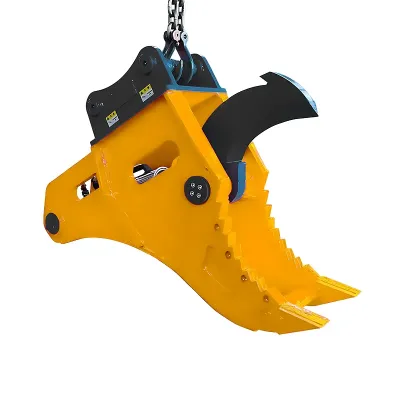
Using an excavator to cut trees has become pretty common in forestry, land clearing, right-of-way maintenance, and tree service work. An excavator-mounted tree shear lets the operator fell, cut, and process trees right from the safety and comfort of the cab—no ground crews with chainsaws needed, and productivity jumps way up. But to do it well, you need the right attachment, proper setup, and a solid technique. This guide covers the key things to think about when you're equipping an excavator for tree cutting and getting the most out of your attachment.
Why Use an Excavator for Tree Cutting?
An excavator brings a few clear advantages over traditional tree cutting methods. The biggest one is safety—the operator stays in the cab, protected from falling branches, kickback, and all the other hazards that come with running a chainsaw on the ground. That's especially valuable in storm cleanup, where hanging limbs and unstable trees can be really dangerous for crews on foot. Productivity is another big win—an excavator-mounted shear can cut and process trees way faster than a manual crew, especially on larger jobs.
The reach and lifting capacity of an excavator also open up options you wouldn't have otherwise. The boom can reach into areas that are tough to get to on foot—steep slopes, wet ground, or dense brush. The excavator can also lift and move cut trees and logs, so you don't need a separate piece of equipment just for material handling. And if you already own an excavator for digging or earthmoving, adding a tree shear lets the machine pull double duty, which improves equipment utilization and your return on investment.
Selecting the Right Tree Shear
The first step in setting up an excavator for tree cutting is picking a tree shear that fits your carrier and the work you do. The most important spec is the maximum cutting diameter—that tells you the biggest tree the shear can handle cleanly. TGEC tree shears range from 150 mm (5.9 in) on the compact TG-TS03 up to 520 mm (20.5 in) on the heavy-duty TG-TS30. When you're comparing diameters, think about both the average tree size and the occasional bigger one, and pick a model with enough capacity to cover the full range of material you expect to run into.
Excavator size is the next big factor. Each tree shear model is designed for a specific carrier weight range—from 3 to 5 tons for the TG-TS03 up to 30 to 50 tons for the TG-TS30. The shear weight, cutting force, and hydraulic requirements are all matched to that recommended carrier range. Put a shear that's too big on your excavator, and you'll get instability, excessive boom stress, and insufficient hydraulic flow. Go too small, and it'll underperform and won't take advantage of the power your machine has. Always check that your excavator's auxiliary hydraulic flow and pressure fall within the shear's specified range, and that the combined weight of the shear plus load stays within your excavator's lift capacity at working reach.
Configuration Options: Fixed, Rotating and Grapple
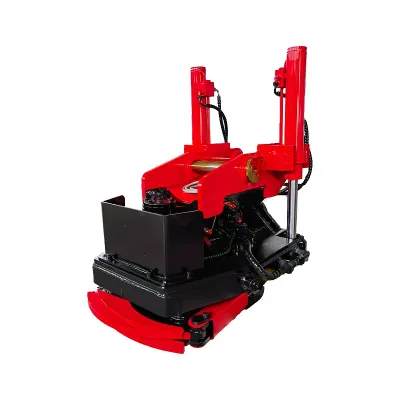
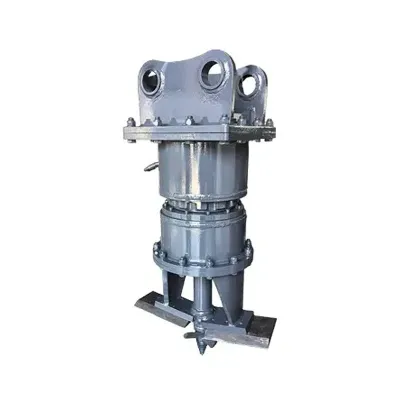
Tree shears come in a few different configurations that affect how you can use them. A fixed tree shear mounts rigidly to the boom and can't rotate independently—you have to reposition the excavator to change the cutting angle. Fixed shears are simpler, lighter, and cheaper, which makes them a good choice for open land clearing where repositioning the machine is easy. A rotating tree shear uses a hydraulic rotator to spin the cutting head 360 degrees, so you can approach trees at any angle without moving the machine. Rotation is especially valuable in tight spots, along rights-of-way, and whenever you need precise cutting angles.
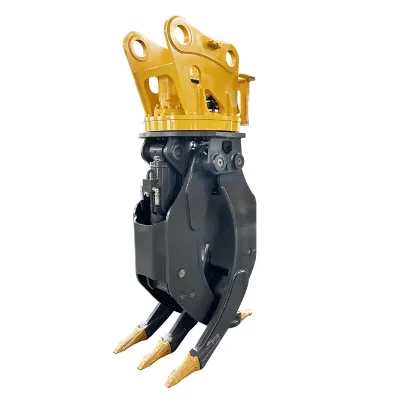
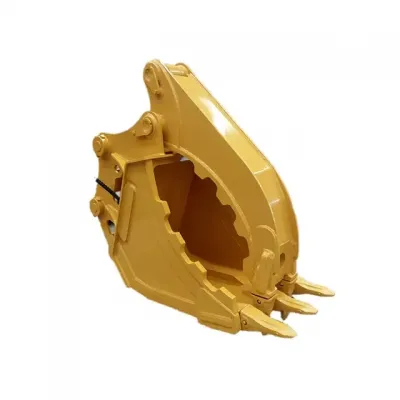
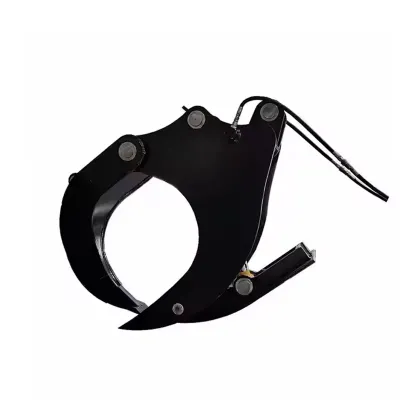
A grapple jaw option adds a secondary clamping arm that holds the cut tree or log after shearing, giving you control over where the material goes. That's essential for controlled felling near structures or utilities, and it also lets you move and load cut material without switching attachments. The grapple option is available on the TG-TS05 through TG-TS30 models, while the compact TG-TS03 comes in standard configuration only. If you need maximum versatility, a rotating tree shear with a grapple jaw combines all three features in one attachment—though it does add weight, complexity, and cost.
Hydraulic Setup and Installation
Getting the hydraulics right is essential for safe and efficient tree cutting. The tree shear needs an auxiliary hydraulic circuit that delivers the specified flow and pressure. For standard fixed shears, one circuit is enough for the cutting cylinder. Rotating models need a second circuit for the rotator, and grapple models add a third for the clamping arm. Some excavators only have one auxiliary circuit, and in that case you can use a diverter valve to switch flow between functions—though that means you can't cut and rotate at the same time.
Before you run the shear, set the auxiliary relief valve pressure to the shear's specified working pressure. Too low and you lose cutting force; too high and you can damage seals and hoses. Also check the flow against the shear's requirements—not enough flow means slow jaw closing and possible stalling on larger wood, while too much flow can cause shock loads and premature wear. Installation involves mounting the shear bracket to the excavator boom with the right pins and retainers, and connecting the hydraulic hoses to the auxiliary circuit. The bracket has to match your excavator's pin-to-pin spacing, pin diameter, and stick width—or the quick coupler interface if that's what you're using.
Operating Techniques for Safe and Efficient Cutting
Effective tree cutting with an excavator takes more than just squeezing the trigger. When you're felling a standing tree, position the shear at the base of the trunk on the side you want the tree to fall, and close the jaw smoothly to make the cut. For larger trees near the rated diameter, a preliminary cut on the tension side can help you control the fall direction, followed by a final cut from the opposite side. If your shear has a grapple jaw, use it to hold the trunk as it cuts, guiding the fall where you want it. Always establish a clear fall zone and make sure no personnel, structures, or utilities are in the path of the falling tree.
When you're processing fallen logs, position the shear along the log at the length you want and close the jaw. The curved blade geometry gives you a slicing motion that cuts cleanly through wood. Try to avoid cutting through dirt, rocks, or metal objects that might be embedded in the wood—those can chip or dull the blade. For brush and smaller material, you can make several quick cuts to break it down into manageable pieces. Keep the excavator stable while you're cutting, with the tracks planted and the boom within a safe working radius. Never use the shear as a lever to push or pull trees—that can damage the blade, pivots, or the excavator boom.
Maintenance for Reliable Performance
Regular maintenance keeps your tree shear running safely and efficiently. The cutting blade is the most critical wear item—inspect it before each use for dullness, chips, or cracks. A sharp blade cuts more efficiently and puts less strain on the hydraulic system and excavator. When it gets dull or damaged, replace it promptly to avoid secondary damage to the jaw and pivots. Pivot pins and bushings need greasing on the manufacturer's schedule, especially in the grapple and rotation mechanisms where there's a lot of movement. Check for excessive play in the pivots—worn pins and bushings can reduce cutting precision and cause uneven stress on the structure.
The hydraulic system needs regular attention too. Inspect the cylinder rod for scratches or corrosion—a damaged rod can tear seals and cause leaks. Check hoses for abrasion, cracking, or loose fittings, and replace any hose that shows signs of wear. If you have a rotator, make sure it runs smoothly and is properly lubricated. Also inspect the shear body and jaw arms periodically for cracks, bending, or stress marks, especially after heavy use or an impact. Following the manufacturer's maintenance schedule and dealing with issues promptly will extend the life of your shear and keep it operating safely.
Getting Started With Excavator Tree Cutting
If you're new to excavator-mounted tree cutting, the learning curve isn't too steep for anyone who's already comfortable running an excavator. The key is to start with smaller trees and simple cuts, and build your confidence and technique gradually before tackling bigger timber or more complex felling scenarios. Take the time to understand what your shear can and can't do, and always operate within the rated cutting diameter and excavator lift capacity. Safety should be the top priority on every job—clear fall zones, proper personal protective equipment, and regular equipment inspections are non-negotiable.
If you're thinking about adding tree cutting capability to an existing excavator, the investment in a quality tree shear can pay off big in productivity and safety. The right attachment, properly installed and maintained, turns an excavator from a digging machine into a versatile forestry and vegetation management tool. For more on the TGEC tree shear lineup—including model specs, configuration options, and mounting compatibility—check out the excavator tree shear product page, or reach out to the TGEC technical team with your excavator details for a personalized recommendation.