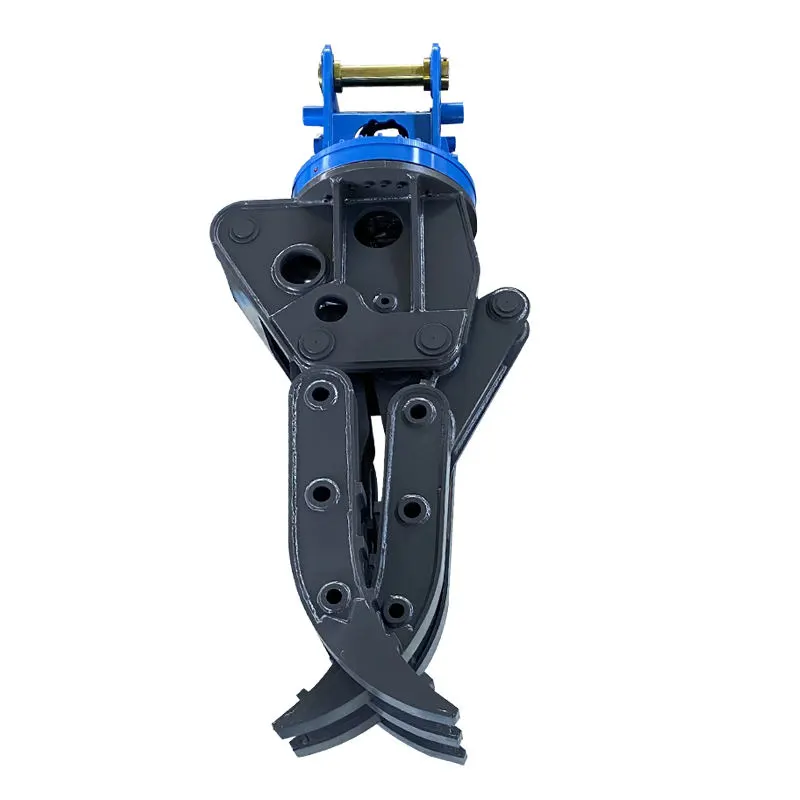
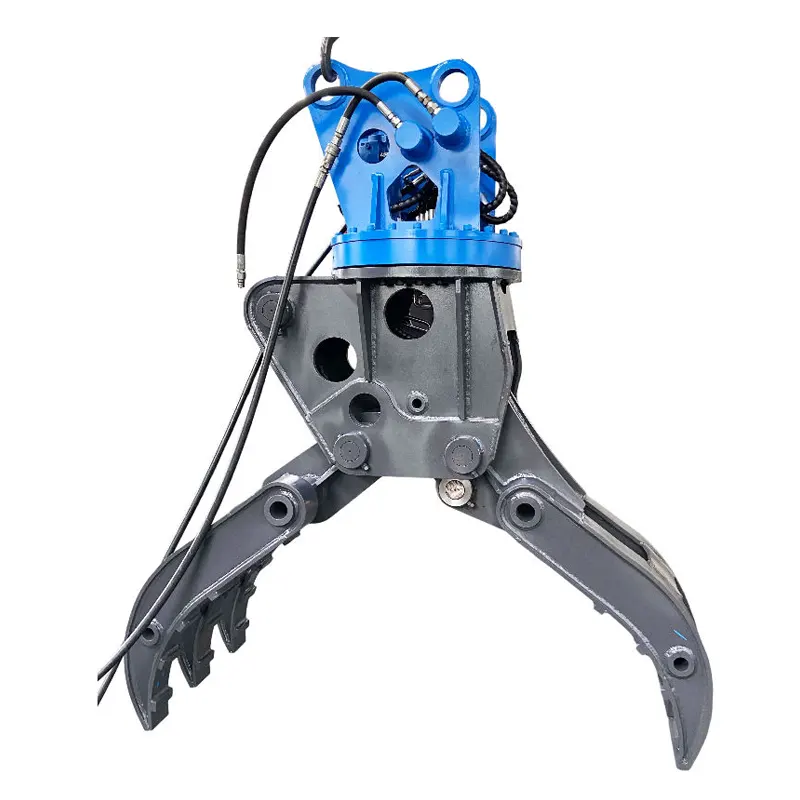
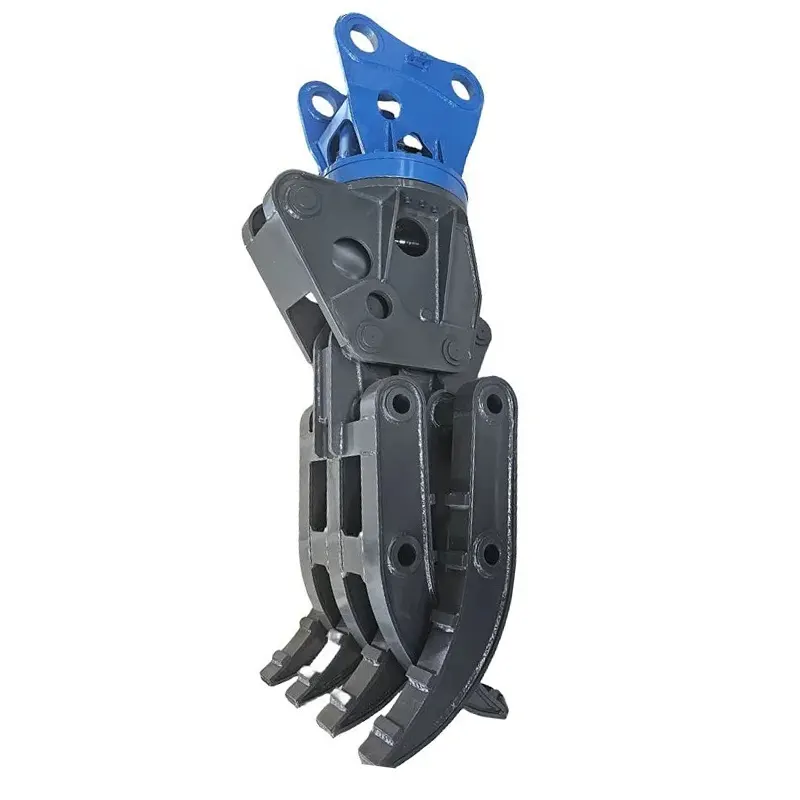
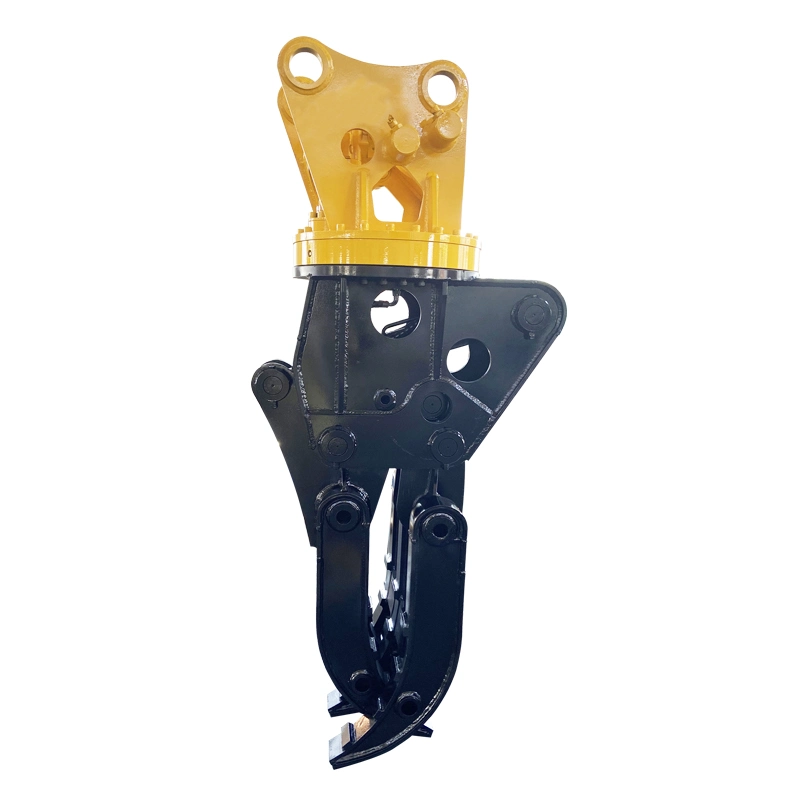
Product Overview
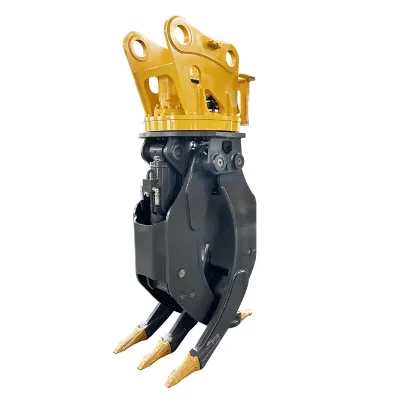
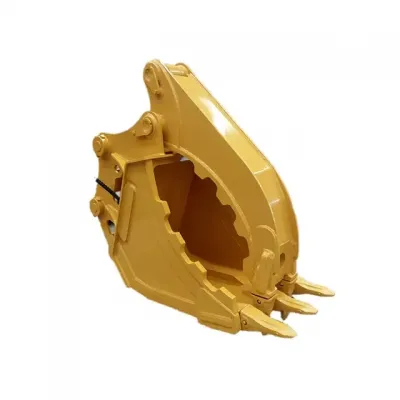
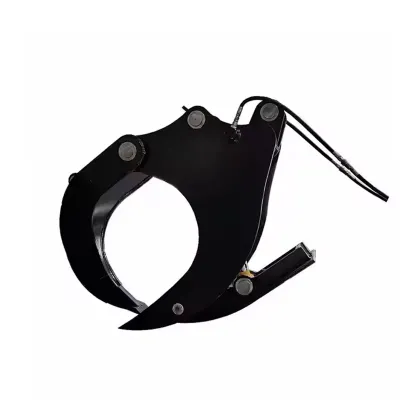
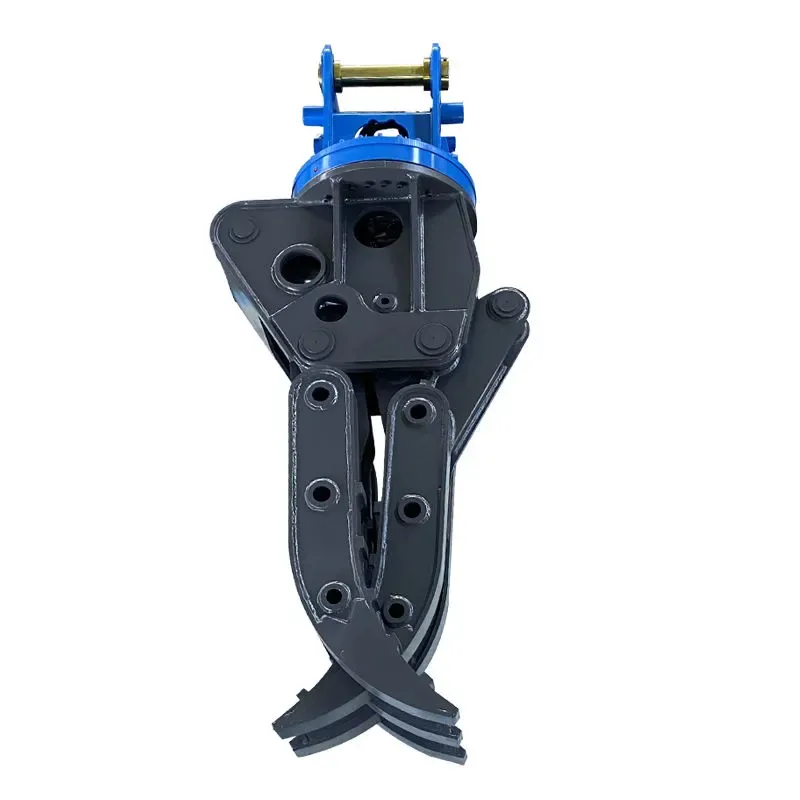
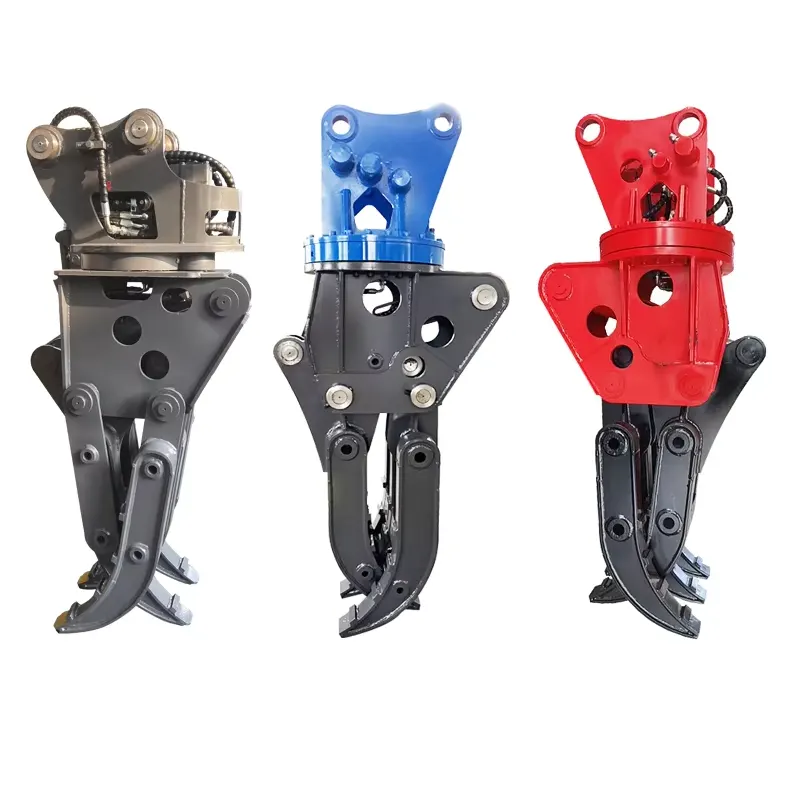
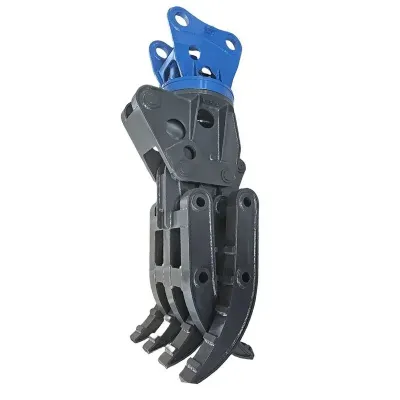
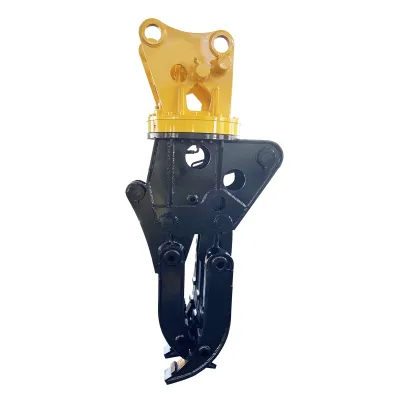
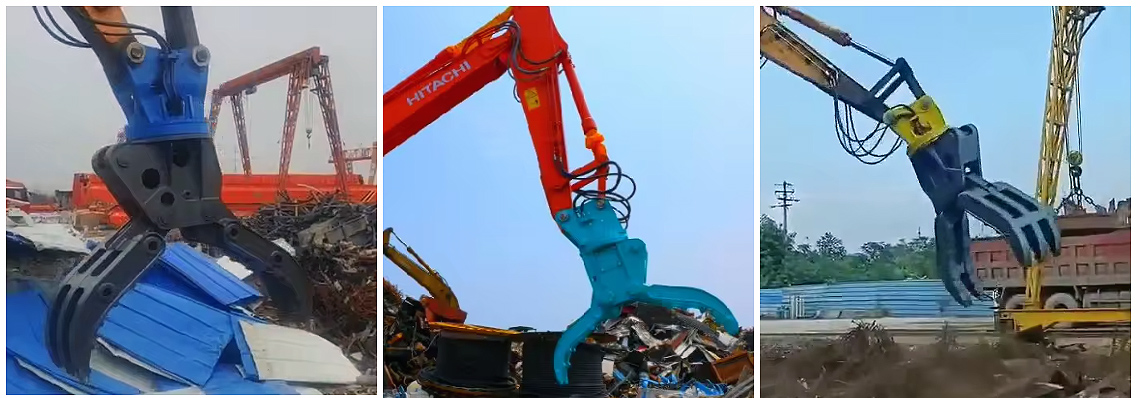
On a scrap sorting line, the operator is faced with a steady flow of mixed material—ferrous and non‑ferrous metals, plastics, wood, cardboard, and general waste—that all has to be directed into the right bins or piles. With a fixed grapple, changing the load orientation generally requires repositioning the excavator or using the boom and arm to adjust the working angle, which slows the sorting cycle. A rotary scrap grapple lets you spin the load independently, so you can come at the pile from any angle, grab what you need, rotate it to the right drop position, and release it into the correct bin—all without moving the machine. The single‑cylinder layout uses one hydraulic cylinder and a central linkage, providing a relatively straightforward design for light‑to‑medium scrap sorting applications.
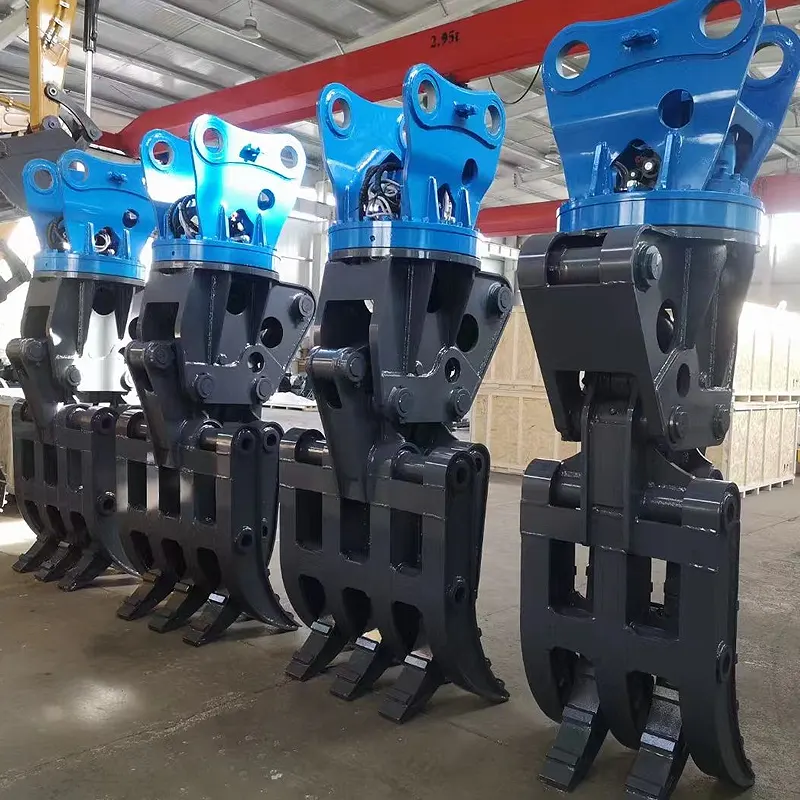
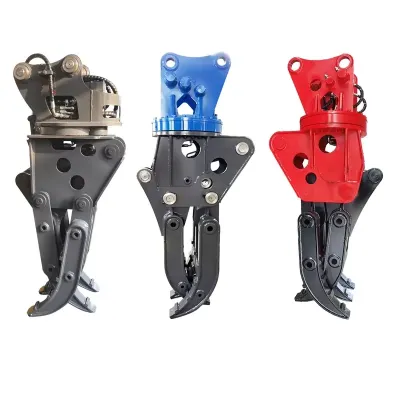
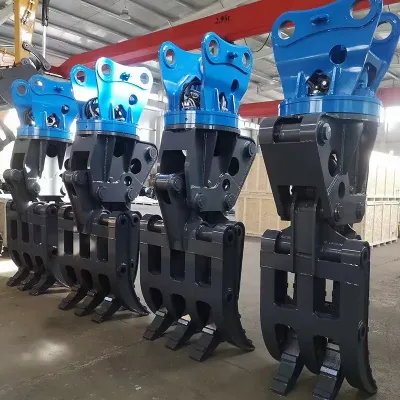
Part of the TGEC excavator grapple family, this rotary scrap grapple comes in three frame sizes—TG-RGS04, TG-RGS06, and TG-RGS08—matched to excavators from 5 to 25 tons. Every model includes an integrated hydraulic rotator for 360‑degree rotation and a single cylinder that drives both jaws through a linkage. If your material is highly irregular and you need a multi‑point conforming grip, check out the multi-finger hydraulic scrap grapple.
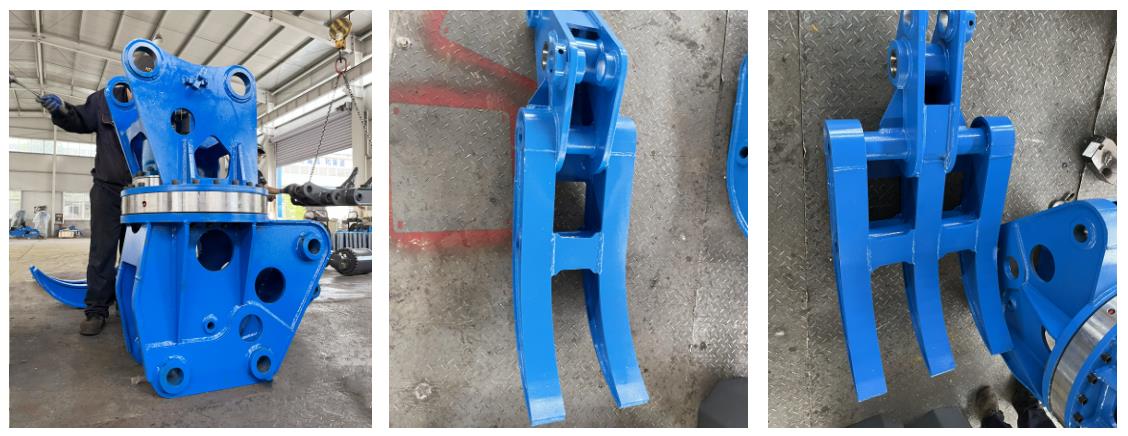
Models & Specifications
Operating pressure and flow requirements rise with each model size to match the higher clamping forces needed for larger excavators and heavier scrap loads.
| Parameter | TG-RGS04 | TG-RGS06 | TG-RGS08 |
|---|---|---|---|
| Compatible Excavator Class | 5–8 t (5.5–8.8 ton) | 9–16 t (9.9–17.6 ton) | 18–25 t (19.8–27.6 ton) |
| Attachment Weight | 450 kg (992 lb) | 1000 kg (2205 lb) | 1880 kg (4145 lb) |
| Max Jaw Opening | 1389 mm (54.7 in) | 1623 mm (63.9 in) | 2278 mm (89.7 in) |
| Operating Pressure | 120 bar (1740 psi) | 160 bar (2320 psi) | 180 bar (2610 psi) |
| Required Hydraulic Flow | 90–120 L/min (23.8–31.7 GPM) | 120–160 L/min (31.7–42.3 GPM) | 160–180 L/min (42.3–47.6 GPM) |
Table data is for reference only. Actual specifications may vary based on the final configuration. Please contact the TianGe technical team for details.
Single-Cylinder Simplicity
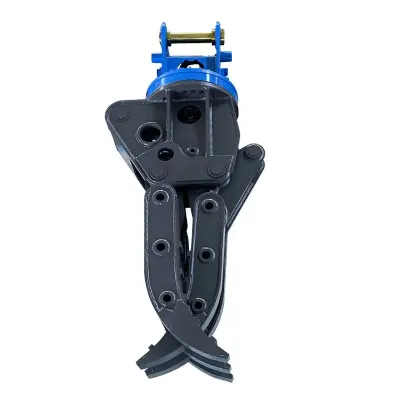
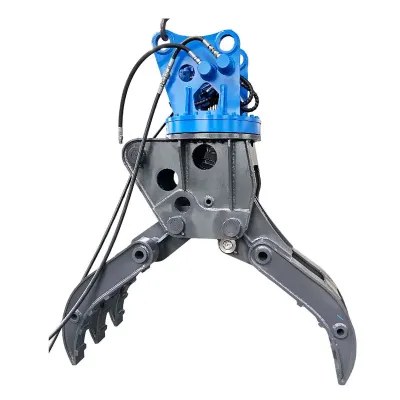
This grapple uses a single hydraulic cylinder mounted at the center of the frame, connected to both jaw halves through a linkage system. When the operator calls for close, pressurized oil extends the cylinder, driving the linkage to pull both jaws inward. For open, the oil flows the other way, retracting the cylinder and spreading the jaws apart. The linkage converts the linear motion of the cylinder into rotational jaw movement at the hinge points. With only one cylinder, the grapple hydraulic circuit is more straightforward than multi‑cylinder setups, with fewer connections and fewer seals to maintain. The rotator requires its own hydraulic circuit.
The linkage transfers cylinder force to both jaws through a central drive mechanism. For light‑to‑medium scrap sorting—where material is relatively regular and loads are moderate—the single‑cylinder design provides a practical balance of clamping force, attachment weight, and simple upkeep. For heavier timber, log handling and applications requiring higher balanced clamping force, see the TGEC Dual‑Cylinder Rotary Hydraulic Grapple. The single‑cylinder layout is also easier to service since there is just one cylinder to inspect, repair, or swap out.
Rotary Scrap Sorting Workflow
Approach & Grasp
The operator can approach the material pile from any angle—the rotator means you don't have to square up the excavator to the target. Open the jaws to the right width for the material size, lower them onto the pile, and close to grab the load. With mixed material, you might open and close once or twice to settle the load and make sure you've got a solid grip before you lift. The linkage transfers cylinder force to both jaws, and the rotator lets you tweak the load's orientation mid‑lift if things shift.
Rotate & Position
Once the load is secure and clear of the pile, use the rotator to spin it to the orientation you need. For sorting into bins, you'll rotate the load to line up with the bin opening—especially important for long items like pipe, rebar, or structural steel that have to be lowered lengthwise into a container. For stacking material in piles, the rotator lets you place each load parallel to the layer below, building neat stacks that make the most of your pile space. The rotator works independently of the grapple cylinder, so you can rotate while fine‑tuning jaw tension if you need to.
Release & Return
After you've positioned the load over the right bin or pile, open the jaws to release the material. For fragile or easily damaged material, you might open the jaws partway to lower it gently instead of dropping it from height. Once it's released, head back to the material pile for the next load, using the rotator to pre‑orient the jaws for the next grab if that helps. The rotator allows the operator to change load orientation without repositioning the excavator, which is particularly useful when sorting into multiple bins or stacking material in neat piles.
Hydraulic & Rotator Setup
The single‑cylinder rotary scrap grapple needs two hydraulic circuits: one for the grapple cylinder (opening and closing the jaws) and one for the rotator (360‑degree rotation). Because the grapple uses only one cylinder, the circuit is simpler than multi‑cylinder configurations, with fewer hose connections and fewer seal points to inspect. The grapple cylinder runs at the model‑specific pressure (120 bar for TG-RGS04, 160 bar for TG-RGS06, 180 bar for TG-RGS08). The rotator requires a case drain line to handle internal leakage from the hydraulic motor. Flow requirements for the grapple circuit range from 90 L/min (TG-RGS04) up to 180 L/min (TG-RGS08). The rotator requires additional hydraulic flow — verify total auxiliary flow capacity with the TGEC technical team when specifying a model. Make sure your excavator has dual auxiliary circuits with a case drain, or plan to add them before you spec a rotary grapple. Follow the rotator manufacturer's guidelines for rotation limits and hose protection.
Field Maintenance
The single‑cylinder design gives you just one cylinder assembly to keep an eye on, plus the linkage pivot points and the rotator. In scrap yard environments, sharp metal is the primary wear concern—check the cylinder rod regularly for scoring or chrome damage. Look over the linkage pivot pins and bushings for excessive play during routine inspection. Lubricate pivot points and maintain the rotator according to the manufacturer's recommended service intervals. Inspect hydraulic hoses for abrasion, cuts, or bulging, and replace any that show damage promptly. Consider hose protective sleeves or steel guards along the hose routing where sharp scrap is present.
Request a Quote — Single-Cylinder Rotary Scrap Grapple
Send us your excavator make and model, operating weight, auxiliary hydraulic circuit configuration (dual circuit with case drain required), mounting or coupler type, preferred model (TG-RGS04 / TG-RGS06 / TG-RGS08), primary application, and the quantity you need. Our team will verify compatibility, confirm hydraulic flow and pressure requirements, and provide a quote based on your specs and delivery terms. Dealers and OEMs are welcome for volume supply, custom jaw configurations, and private‑label options.