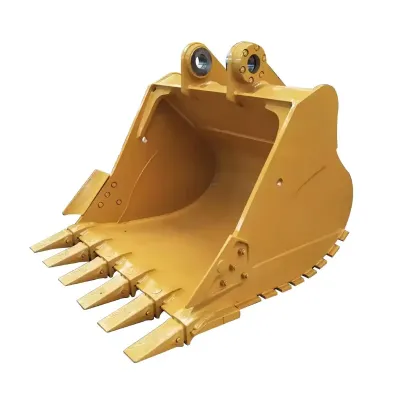
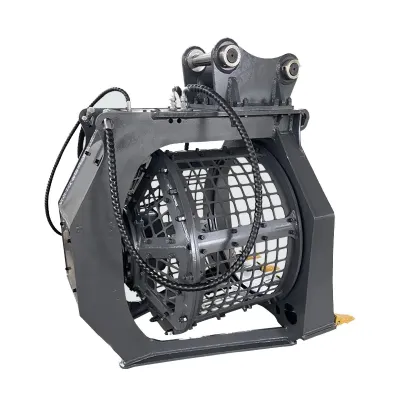
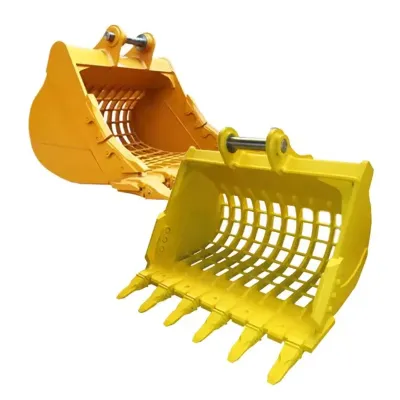
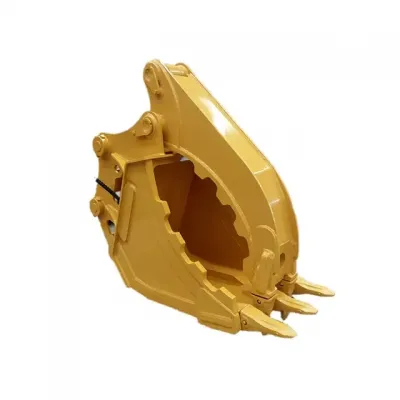
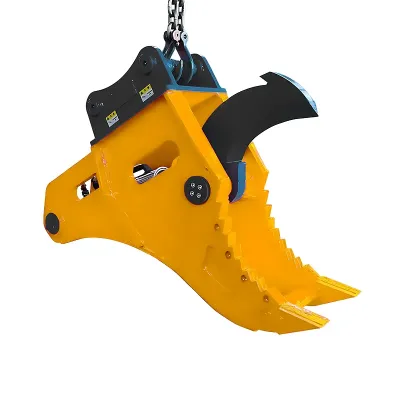
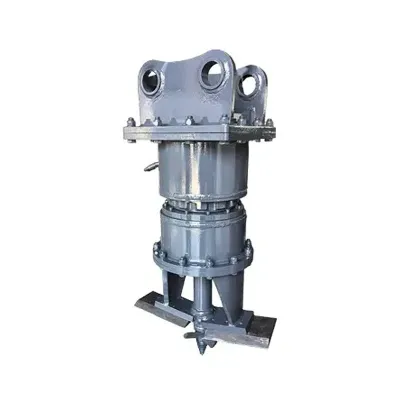
When excavator-mounted vegetation reduction enters the conversation, two attachment types tend to dominate the discussion right away: the drum mulcher and the disc mulcher. Both run on hydraulic power, both process trees and brush into manageable mulch, and both get the job done—but the way they go about it, the terrain they handle best, and the results they leave behind are anything but identical. The better choice for your operation really comes down to the mix of vegetation on your sites, the hydraulic capacity your excavator brings, and the quality of finish your projects call for.
This side-by-side look covers the essentials: how each design cuts, where each one excels, what they ask of your hydraulic system, what maintenance looks like, and how the long-term costs stack up. Once you've worked through it, you should have a solid sense of which path fits your work—or whether it's worth keeping both options in the fleet.
Cutting Principles – How Drum and Disc Mulchers Actually Cut
Drum Mulcher
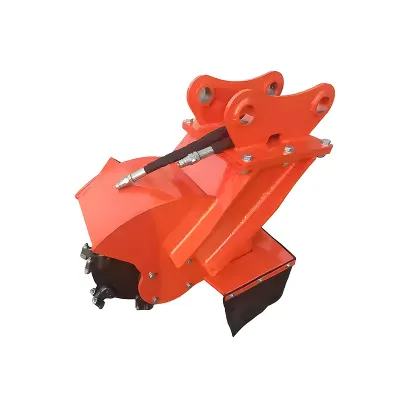
A drum mulcher spins a large horizontal cylinder at high speed around its long axis. The drum carries cutting teeth or carbide-tipped tools arranged in a staggered or helical pattern across its surface. As the operator guides the rotating drum into brush or timber, material is pulled across the drum face and sheared or ground by the passing teeth. Because the entire length of the drum engages the work face at once, this design is exceptionally efficient for clearing fallen timber, grinding stumps, mowing down surface brush, and tackling mixed debris in a single pass.
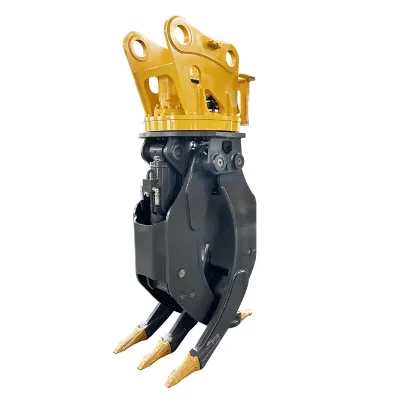
The most widely used configuration is the fixed-tooth drum mulcher, which carries individual bolt-on carbide cutters that can be swapped out one at a time as they wear. Certain drum models also come with a hydraulic thumb for grabbing and positioning material, which adds a layer of control on jobs where material handling is part of the routine.
Disc Mulcher
A disc mulcher spins a heavy vertical disc around a vertical axis—think of it as a giant, heavy-duty circular saw. Carbide-tipped teeth are mounted around the perimeter of the disc. The operator brings the flat face of the spinning disc directly into standing tree trunks, and the peripheral teeth cut and fracture the wood as the disc pushes forward. That vertical orientation puts the cutting edge at a perpendicular angle to the trunk, which is precisely why disc mulchers are so effective at felling and mulching standing timber in a single motion.
The disc mulcher comes in a variety of cutting widths, with primary carbide teeth for hardwoods and secondary hardened teeth for lighter material. The output is generally coarser than what a drum produces, but for standing-tree work, few excavator attachments match the disc mulcher's speed and efficiency.
Where Each Design Performs Best – Application Suitability
| Application | Drum Mulcher | Disc Mulcher |
|---|---|---|
| Standing tree felling | Moderate — requires operator technique | Excellent — designed for trunk-first cutting |
| Fallen trees and stumps | Excellent — horizontal drum grinds surface material | Moderate — less effective on flat ground |
| Surface brush and mixed vegetation | Excellent — full drum width contacts ground cover | Moderate — disc edge less efficient on low material |
| Fine mulch finish | Excellent — produces uniform fine chips | Moderate — produces coarser fragmented material |
| Selective thinning | Good — precise boom control | Excellent — targeted trunk cutting |
| Right-of-way clearing | Excellent — handles mixed brush and trees | Good — effective on standing timber |
In day-to-day terms, the drum mulcher offers broader versatility for contractors who deal with everything from downed timber and stumps to thick brush and smaller standing trees across varying ground conditions. The horizontal drum grinds whatever it meets, and the operator can work low to the ground to clear surface cover efficiently. The disc mulcher is the better specialist when standing timber is the primary target—especially in forestry thinning and timber-stand improvement work where trunks are the main feature of the landscape.
Hydraulic Demands – What Your Excavator Needs to Deliver
Both styles require a high-flow auxiliary hydraulic circuit, but the exact requirements shift with model size and attachment class. Drum mulchers typically ask for continuous flow between 50 and 250 L/min depending on drum width and carrier size, with operating pressures around 245 bar. Disc mulchers generally require 45 to 132 L/min for compact to mid-size models, with larger units pushing higher.
The real issue is not peak flow but sustained flow. A mulcher works under continuous load for long stretches, and your excavator's hydraulic system has to hold that flow steady without overheating. Verify that your machine's auxiliary circuit can deliver the rated flow continuously, and make sure you have a case drain line available. Running a mulcher on inadequate flow leads to stalling, poor cut quality, and rapid wear; too much flow can damage the motor and seals.
Maintenance and Consumables
Drum Mulcher Maintenance
Drum mulchers carry more cutting teeth per attachment—typically 11 to 24 carbide cutters depending on the size—so there are more individual wear parts to inspect and replace. The bolt-on fixed-tooth design lets you remove and replace each cutter separately, which is economical because you replace only the worn teeth rather than entire assemblies. Daily checks include inspecting teeth for wear and cracking, examining hydraulic hoses, greasing bearings and pivot joints, and clearing packed wood debris from the drum housing.
Disc Mulcher Maintenance
Disc mulchers run fewer teeth—typically 22 to 30 carbide-tipped primary teeth plus 6 hardened secondary teeth—but each tooth takes a more concentrated impact load because the disc perimeter is the only cutting surface. Tooth replacement is straightforward on bolt-on designs, but the disc itself needs periodic inspection for cracks, warping, and hub wear. Daily maintenance covers tooth condition, hydraulic hose checks, greasing, and debris clearance. The 6 mm deck plate offers good impact resistance but should be checked for deformation after heavy use.
Cost of Ownership – Upfront Price and Long-Term Wear
Purchase price varies by size, brand, and configuration, but drum and disc mulchers in the same class are generally close on initial cost. The total cost of ownership tends to diverge over time based on wear-part consumption and maintenance intervals. Drum mulchers with more individual teeth may have higher annual wear-part costs in high-volume work, but the ability to replace teeth singly cuts down on waste. Disc mulchers have fewer teeth, but each tooth sees higher impact loads, which can shorten life in rocky or abrasive conditions.
For operators who work primarily in standing timber, the disc mulcher's higher hourly production may offset its wear costs. For those who handle mixed vegetation and ground-level material, the drum's versatility and finer finish often justify its modestly higher maintenance overhead.
Which Mulcher Design Fits Your Application?
If standing timber is your main concern, most operators find a disc unit gets them through the work faster—the vertical disc engages the trunk directly and cuts through it in one pass. Jobs that mix fallen logs, stumps, and surface brush tend to favor a drum, since the horizontal cylinder grinds whatever it meets and leaves a cleaner chip behind. Contractors who work both types of terrain often keep one of each, assigning the disc to forestry thinning and the drum to right-of-way clearing and site prep.
For a more complete decision process, see our guide on selecting an excavator mulcher for forestry and land clearing, which covers hydraulic matching and mounting configurations in detail. TGEC engineers can also review your excavator specifications and typical vegetation mix to recommend the best setup for your operation.
Common Questions
Answers to the questions contractors ask most often when comparing drum and disc mulcher designs.