Welcome to the Official Website of TianGe Attachments.

Excavator Disc Mulcher

Excavator Disc Mulcher

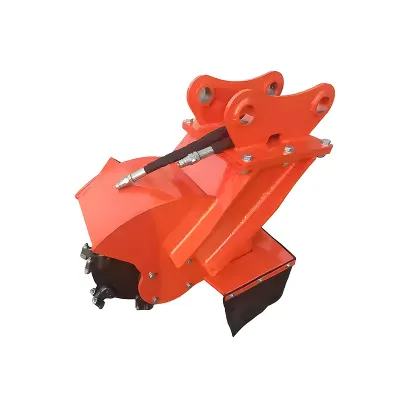
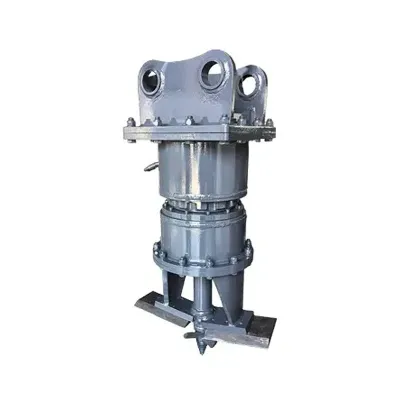
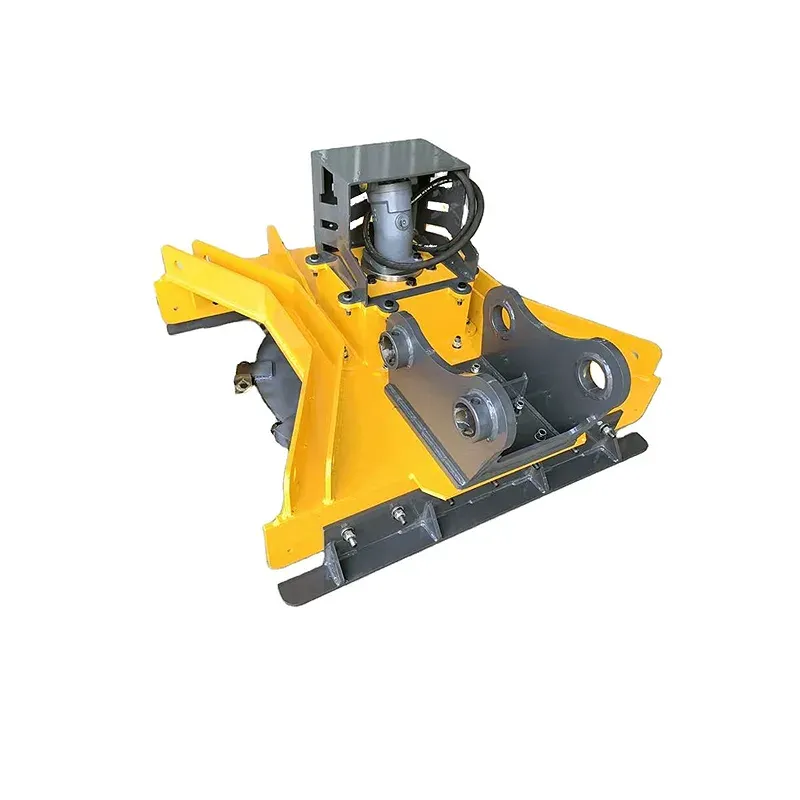
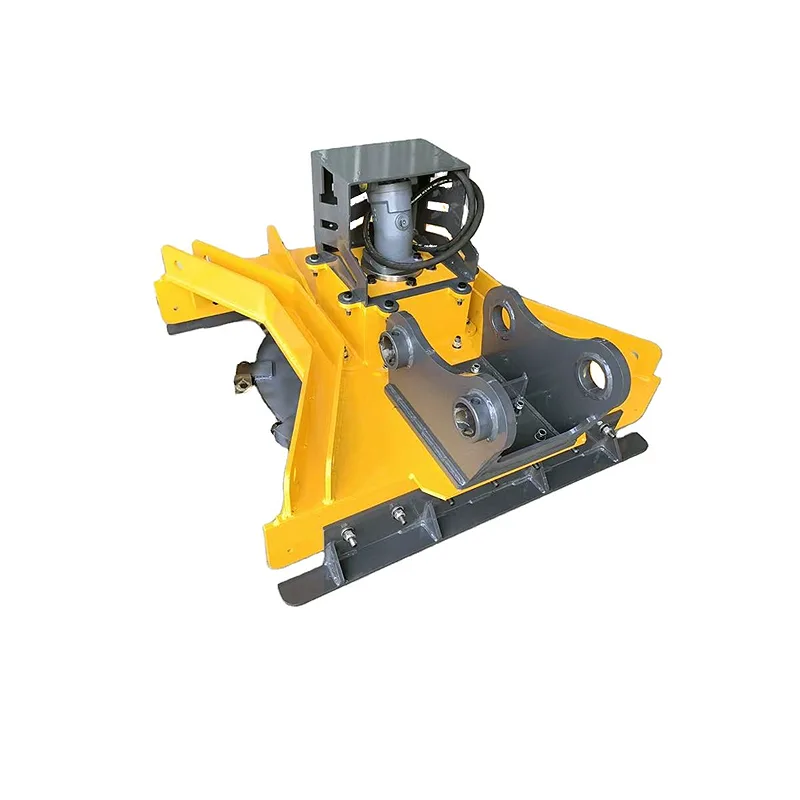
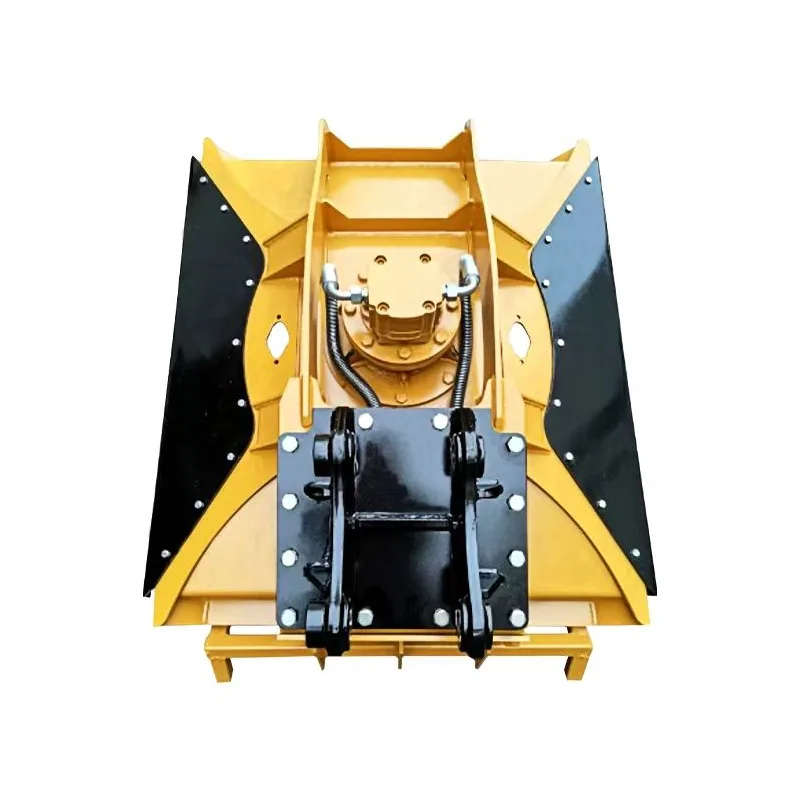
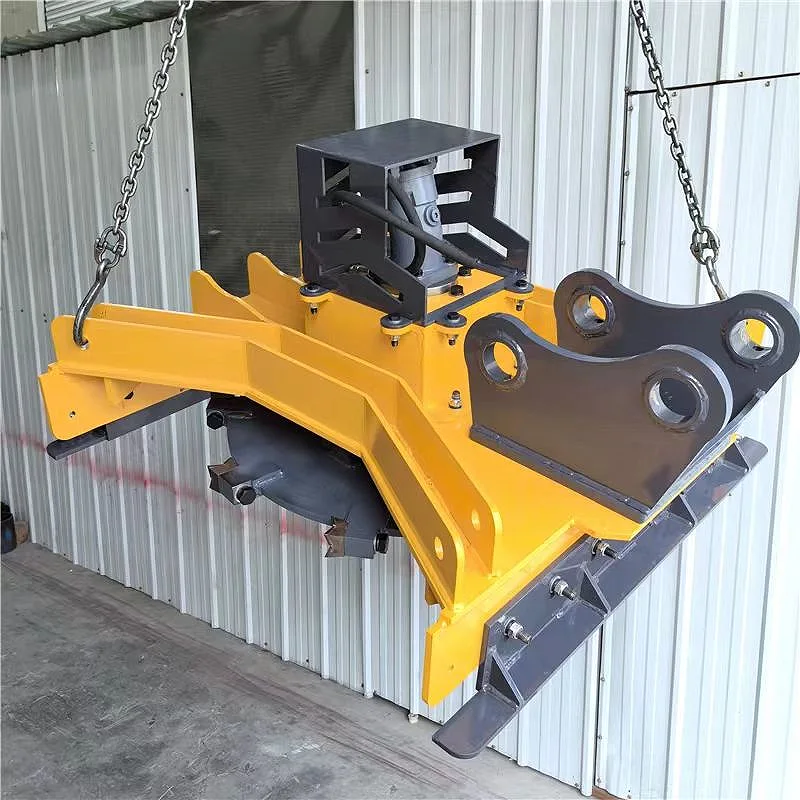
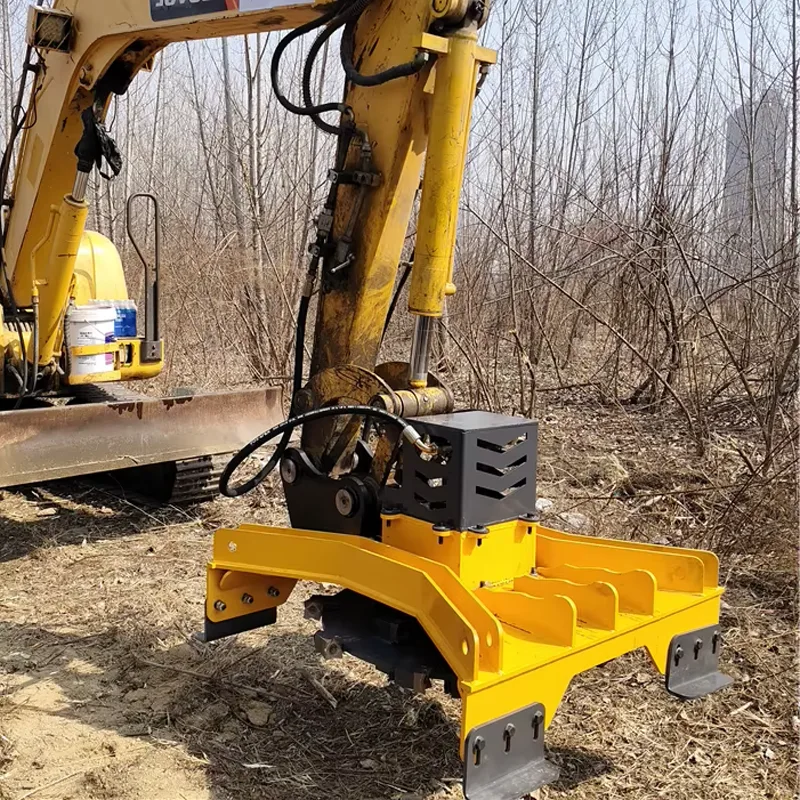
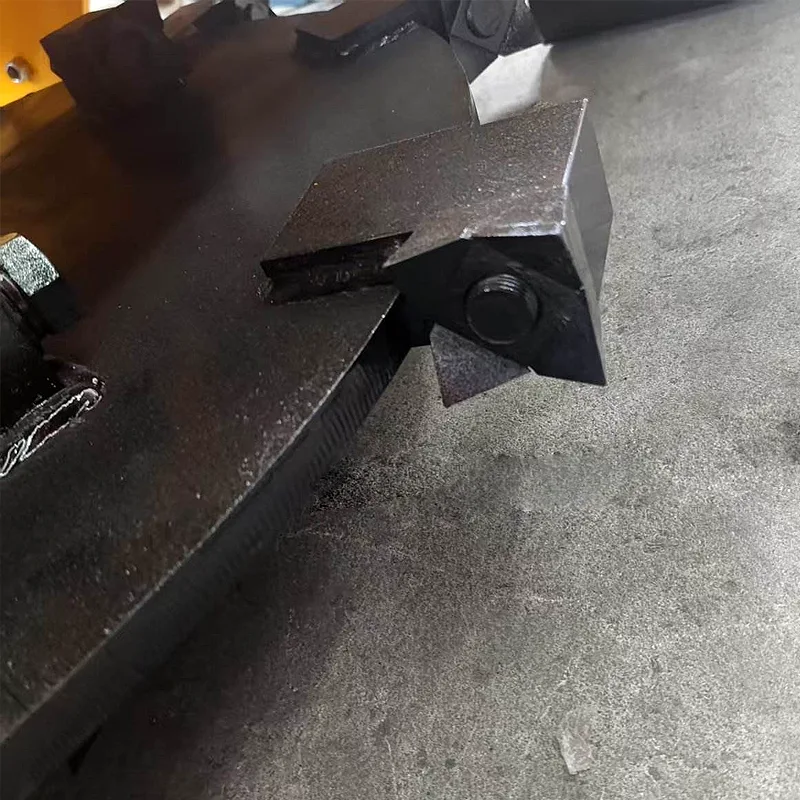
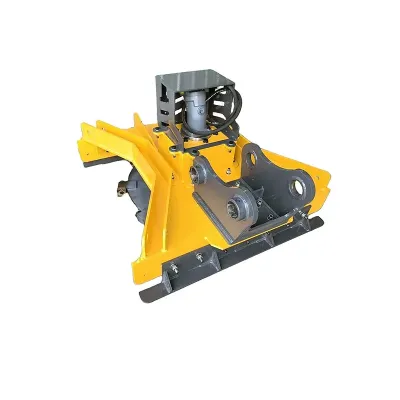
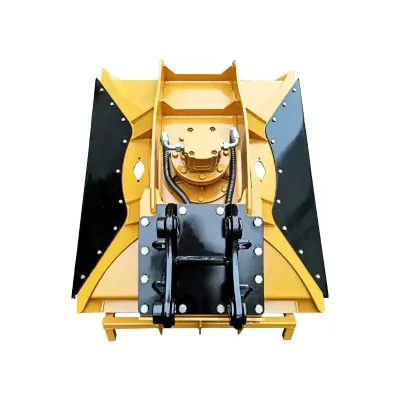
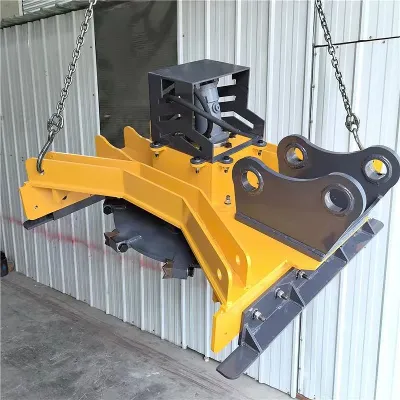
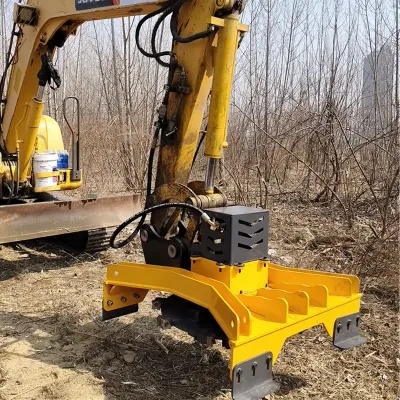
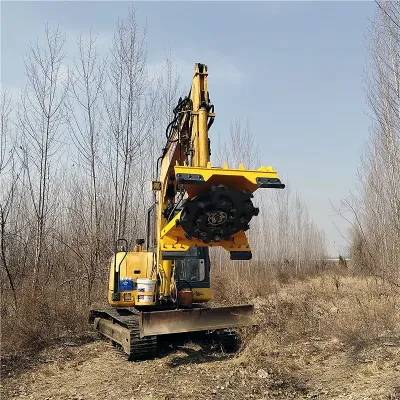
Designed for high-volume vegetation clearing, the TGEC disc mulcher—mountable to any compatible excavator—marries a heavy-duty revolving disc with carbide-tipped cutters to convert standing trees and brush into even, spreadable mulch. Two frame sizes let you match the unit to your carrier's hydraulic output and the intensity of your work.
Product Name: Excavator Disc Mulcher / Disc Mulcher for Excavator / Excavator Mulcher Attachment / Tree Disc Mulcher
Type: Mulchers
After-sales Service: Provided
Warranty: 1 Year
Customization: Available
Shipping Cost: Negotiate with us about shipping cost and estimated delivery time.
Get a quote
Overview
FAQ

Product Overview

Disc-type mulchers take a different route to excavator-mounted vegetation control. Instead of pulling stems across a horizontal drum, these attachments use a vertically spinning disc that meets the material head‑on. The operator presses the disc against standing trunks and woody brush, and the teeth along its rim slice and break up the growth as it feeds through. This direct‑contact action really shines when you're dealing with standing timber and dense thickets that need to come down and be reduced all in one move.

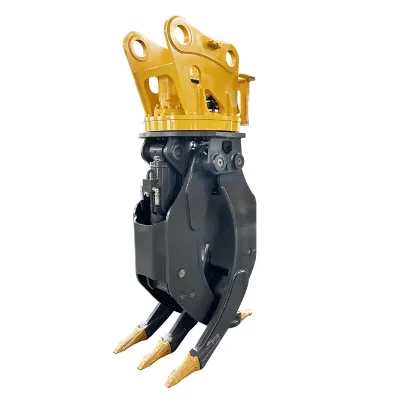
As part of the TGEC excavator mulchers family, the disc line comes in two cutting widths. The smaller model is a natural fit for tight quarters and excavators with modest auxiliary flow; the bigger one steps up coverage for larger machines working open ground. Both share the same disc design, tooth pattern, and max cut diameter. If you also need grapple functionality alongside mulching, the drum mulcher with hydraulic thumb offers a handy alternative.

Available Configurations & Models

Pick the model that best matches your excavator's hydraulic capacity and the type of vegetation you're tackling.

ParameterTG-DM2800TG-DM3600
Cutting Width711 mm (28 in)914 mm (36 in)
Attachment Weight283 kg (625 lb)404 kg (890 lb)
Auxiliary Hydraulic Flow45–132 L/min (12–35 GPM)61–132 L/min (16–35 GPM)
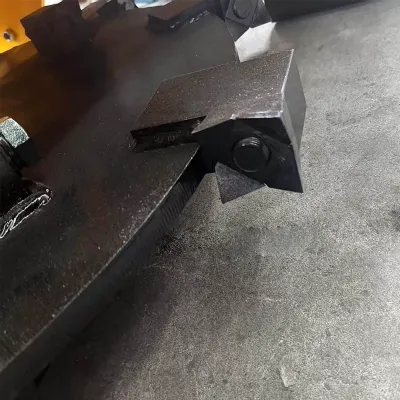
Cutting Assembly22 carbide-tipped teeth + 6 hardened steel teeth30 carbide-tipped teeth + 6 hardened steel teeth
Maximum Material Diameter178 mm (7 in)178 mm (7 in)
Deck Plate Thickness6 mm (1/4 in)6 mm (1/4 in)

Table data is for reference only. Actual specifications may vary based on the final configuration. Please contact the TianGe technical team for details.

Series-Wide Technical Highlights

  • Rotating disc with carbide cutters for direct face‑to‑face engagement with standing woody growth

  • Hardened backup teeth for finer breakdown of lighter brush and improved mulch texture

  • Same 178 mm (7 in) max material diameter across both sizes

  • 6 mm (1/4 in) deck plate built to resist impact and abrasion

  • Hydraulic flow range from 45 to 132 L/min (12 to 35 GPM) depending on the model

Excavator Compatibility Guidance

Sizing starts with your excavator's auxiliary hydraulic circuit. The TG-DM2800 runs on 45–132 L/min (12–35 GPM), while the TG-DM3600 needs 61–132 L/min (16–35 GPM). But flow isn't everything—also check mounting bracket dimensions, pin spacing, quick‑coupler fit, and the machine's lift capacity at your typical working reach.

Send us your carrier's make, model, and auxiliary circuit details, and our engineering crew will confirm the right mulcher size and mounting package for your rig.

Typical Applications

  • Forest stand improvement and selective thinning—fell trees and mulch them right where they drop

  • Clearing vegetation along highways, utility lines, and pipeline corridors

  • Site prep and grubbing for residential developments, commercial builds, and road construction

  • Brush abatement and invasive‑species control on farmland, preserves, and parkland

Working Principle

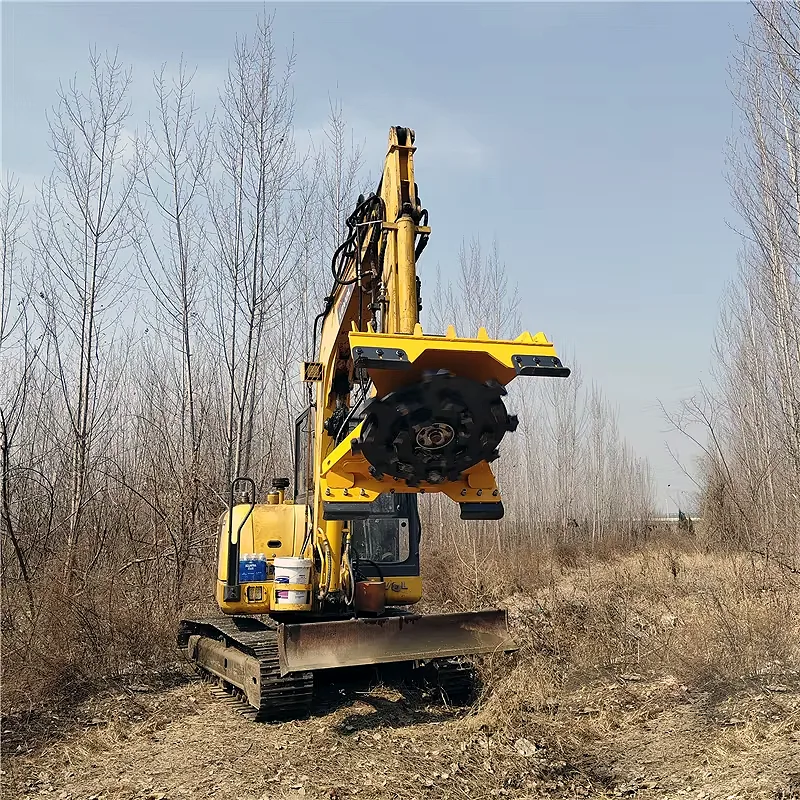
The attachment hooks to the excavator boom and pulls hydraulic power from the auxiliary loop. Pressurized fluid spins a high‑torque motor, which turns a solid vertical disc. Carbide‑tipped holders around the disc's rim engage woody stems, shearing and fracturing them into small chips that shoot out from under the protective deck.

From the cab, it's a straightforward routine: position the disc face against the target tree or brush, engage the spin, and ease into the material at a steady pace. The vertical disc puts the full cutting face against the trunk—that's why these units handle standing timber more efficiently than horizontal‑rotor designs. The finished mulch stays on the ground or gets collected, depending on what your site calls for.

Dealer & Bulk Orders

Dealers, distributors, and OEM buyers are always welcome. Reach out to our sales desk for volume discounts, delivery timelines, and private‑label production options.

Request a Quote — Excavator Disc Mulcher

Give us your excavator make and model, operating weight, auxiliary flow figures, mounting or coupler type, which model you're leaning toward (TG-DM2800 or TG-DM3600), and how many units you need. Our team will double‑check compatibility and come back with a firm quote covering machine specs, mounting hardware, and shipping terms.

Dealer inquiry: Get in touch to talk volume, OEM sourcing, and tailored build options.
Frequently Asked Questions

What type of hydraulic system does the disc mulcher require?      +

The mulcher runs on the excavator's auxiliary hydraulic circuit. The TG-DM2800 needs 45–132 L/min (12–35 GPM) and the TG-DM3600 needs 61–132 L/min (16–35 GPM). A case drain may be required depending on the hydraulic motor and excavator configuration. The circuit should be protected by a pressure relief valve appropriate to the attachment's operating range. Confirm your machine's auxiliary output before specifying a model.

How does the disc mulcher handle different wood species and densities?      +

Carbide-tipped teeth are designed to cut through both softwood and hardwood species up to the rated 178 mm (7 in) diameter. Denser hardwoods will reduce feed speed and tooth life, while softer species and green brush process more quickly. Operator technique — steady feed pressure versus forcing the disc — significantly affects both production rate and wear. For operators who primarily process fallen material rather than standing trees, a forestry mulcher may be worth comparing.

What safety considerations apply when operating a disc mulcher?      +

Disc mulchers project wood chips and debris at high velocity. Operators should use appropriate cab protection and follow the manufacturer's safety requirements and operating instructions. Ensure all bystanders are clear of the work area. The deck shield contains most discharge, but material can escape from the cutting face. Avoid operating over public roads or near property without additional barriers. Wear appropriate personal protective equipment and follow the manufacturer's operating manual for startup, shutdown and maintenance procedures.

How long do the carbide teeth last and what is the replacement process?      +

Tooth life depends on wood density, soil contact, abrasive mineral content and operator technique. In typical forestry conditions, carbide-tipped teeth provide significantly longer service than standard steel teeth. Cutter attachment and replacement procedures depend on the final configuration. Inspect the cutting assembly regularly and replace worn or damaged components according to the manufacturer's specifications. Inspect teeth daily for wear, cracking or loosening, and replace before wear reaches the holder base to avoid damaging the disc.

Can the disc mulcher operate in rocky or abrasive soil conditions?      +

The 6 mm (1/4 in) deck plate provides a degree of impact resistance, but prolonged contact with rock, concrete or mineral-heavy soil will accelerate tooth and disc wear. For best results, cut vegetation above the soil line where possible and avoid grinding directly into rocky ground. In highly abrasive conditions, increase inspection frequency and carry spare teeth. The attachment is designed for woody vegetation, not rock or concrete grinding.

What daily and periodic maintenance does the disc mulcher require?      +

Daily tasks include inspecting teeth for wear or damage, checking hydraulic hoses for leaks and greasing all pivot points. Periodically torque mounting bolts to specification and inspect the disc for cracks or warping. Change hydraulic oil and filters per the manufacturer schedule. Keep the deck clean of wood debris buildup to prevent overheating and corrosion. A clean attachment runs cooler and lasts longer.

Can the disc mulcher operate in wet or frozen conditions?      +

Light rain is acceptable, but prolonged heavy exposure increases corrosion risk and makes woody material slippery and harder to feed. In frozen conditions, wood becomes harder and more brittle, raising tooth impact stress and potential for chipping. Avoid operating in icy conditions where machine footing is unstable. Always dry the attachment thoroughly after wet use and apply a light rust inhibitor to bare metal surfaces before extended storage.

How should the disc mulcher be stored during extended downtime?      +

Clean all wood debris from the deck and disc assembly before storage. Relieve hydraulic pressure and cap all fittings to prevent contamination. Coat bare metal surfaces with rust inhibitor or light oil. Store in a dry, covered area away from direct weather and UV exposure. Rotate the disc manually every few weeks to prevent bearing flat-spotting. If storing outdoors, use a breathable cover and elevate the unit off bare ground.
Please make sure to include your phone number with the country code (e.g., 86 for China, 1 for USA).