


Brush Cutting Equipment & Vegetation Control Solutions
Brush cutting is a key vegetation management process used to control overgrown shrubs, thick grass, small trees, and invasive plants in infrastructure corridors, roadside environments, forestry zones, and land development areas.
Modern brush cutting operations rely on excavator-based attachments to efficiently clear vegetation, improve visibility, reduce fire risks, and maintain safe access across large and difficult terrains. Compared with manual clearing methods, mechanized solutions significantly increase productivity and reduce long-term maintenance costs.
Brush Cutting Applications
Roadside vegetation maintenance and clearance
Utility corridor and right-of-way vegetation control
Pipeline and transmission line maintenance
Forest edge and buffer zone management
Agricultural land boundary clearing
Urban greenbelt and park maintenance
Drainage channel and ditch vegetation removal
Firebreak maintenance and wildfire risk reduction
Construction site perimeter clearing
Railway corridor vegetation control
Challenges in Brush Cutting Operations
Brush cutting projects often involve dense, uneven vegetation growth combined with limited access conditions, especially in roadside slopes, utility corridors, and remote forestry environments.
Operators must deal with fast regrowth cycles, mixed vegetation density, hidden obstacles such as rocks or debris, and strict safety requirements around infrastructure and public areas.
To ensure consistent performance and operational safety, contractors increasingly adopt excavator-mounted solutions that combine cutting, mulching, and material handling functions.
Recommended Brush Cutting Solution
For most vegetation control projects, TianGe recommends a structured workflow:Cutting → Mulching → Clearing → Maintenance.This process ensures efficient vegetation reduction while maintaining long-term land manageability.
Forestry Mulcher – Shred brush, shrubs, and small trees into mulch
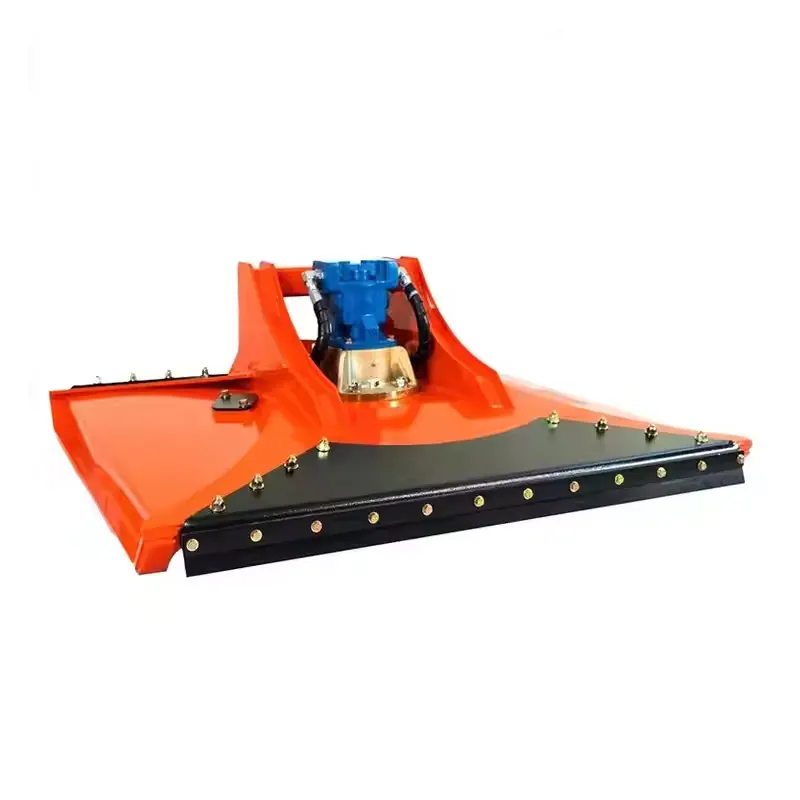
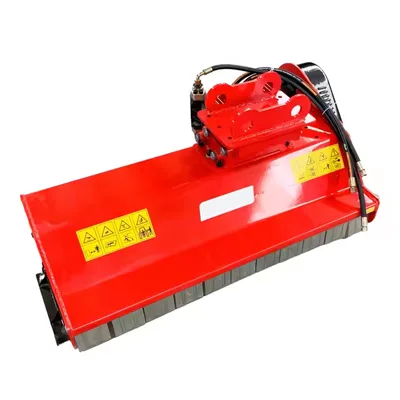
Brush Cutter – Cut dense vegetation and roadside overgrowth
Hydraulic Grapple – Handle cleared vegetation and woody debris
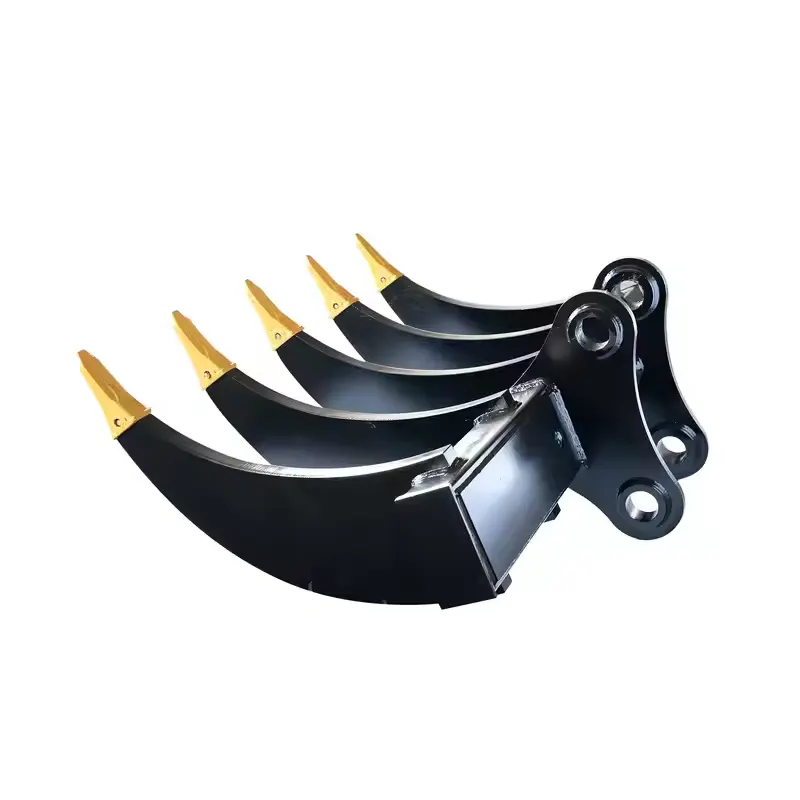
Root Rake – Remove remaining roots and ground-level obstacles
By combining multiple attachments, operators can complete brush cutting and vegetation management tasks more efficiently with fewer machine passes.
Core Equipment for Brush Cutting
Forestry Mulcher
Forestry mulchers are highly effective for heavy vegetation control. They grind brush, saplings, and small trees directly into mulch, reducing biomass volume and improving long-term vegetation suppression.
Brush Cutter
Brush cutters are designed for fast and efficient cutting of dense vegetation along roadsides, utility corridors, and infrastructure boundaries.
Hydraulic Grapple
Hydraulic grapples are used to collect, load, and transport cut vegetation, improving site cleanliness and workflow efficiency during brush clearing operations.
Root Rake
Root rakes help remove roots, tangled vegetation, and residual debris after cutting, preparing the ground for further maintenance or development.
Brush Cutting Workflow
A typical brush cutting project begins with vegetation assessment and access planning. Brush cutters remove surface-level overgrowth along corridors, roadsides, and boundaries.
Forestry mulchers are then used for dense vegetation zones, converting biomass into mulch and reducing regrowth potential. Grapples handle material removal and site cleanup, while root rakes complete final surface clearing.
This integrated workflow ensures efficient vegetation control, improved visibility, and long-term maintenance effectiveness.
Advantages of Excavator Attachments in Brush Cutting
Faster large-area vegetation clearing
Reduced manual labor requirements
Improved safety in roadside and utility environments
Effective long-term vegetation suppression
Lower maintenance and operational costs
Enhanced visibility and infrastructure protection
Reduced fire risk in overgrown areas
Equipment Selection Strategy for Brush Cutting Projects
Forestry Mulcher – Heavy vegetation reduction and mulching
Brush Cutter – Surface vegetation cutting and corridor maintenance
Hydraulic Grapple – Vegetation handling and cleanup
Root Rake – Ground clearing and final finishing
Most brush cutting projects benefit from combining cutting, mulching, and cleanup attachments to achieve complete vegetation management in a single workflow.
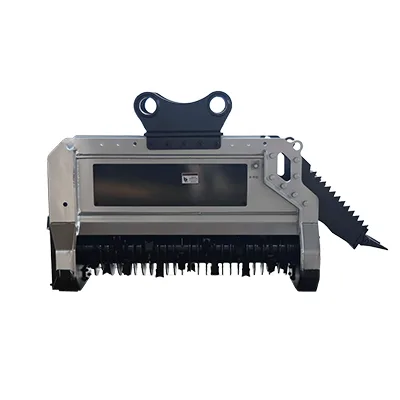
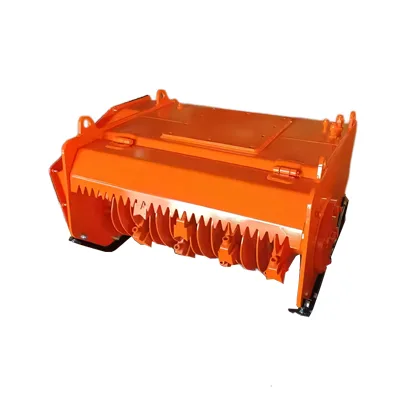
TGEC Forestry Mulcher – Heavy brush reduction and mulching
TGEC Brush Cutter – Vegetation cutting and corridor maintenance
TGEC Hydraulic Grapple – Brush handling and material cleanup
TGEC Root Rake – Ground clearing and surface finishing