


Roadside Maintenance & Cleaning Equipment and Highway Vegetation Control Solutions
Roadside maintenance and cleaning is a critical part of modern transportation infrastructure management, ensuring highways, rural roads, urban streets, and expressways remain safe, visible, and fully functional throughout the year. It includes vegetation control, drainage system cleaning, slope stabilization, and removal of roadside debris caused by weather, traffic, and natural overgrowth.
As vegetation grows rapidly along road edges and drainage channels, it can reduce visibility, block water flow, and increase safety risks for vehicles and pedestrians. To address these challenges, contractors and municipal teams increasingly rely on excavator-based attachment systems that combine cutting, mulching, cleaning, and material handling functions in one integrated workflow.
Roadside Maintenance & Cleaning Applications
Highway and expressway roadside vegetation control
Urban street and municipal road cleaning operations
Roadside ditch and drainage channel maintenance
Slope vegetation trimming and erosion prevention
Traffic visibility improvement and safety clearing
Storm debris removal along road corridors
Railway-adjacent roadside vegetation management
Rural road shoulder cleaning and maintenance
Bridge approach and embankment vegetation control
Emergency roadside clearance after storms or accidents
Challenges in Roadside Maintenance Operations
Roadside environments are highly dynamic, exposed to continuous vegetation regrowth, weather damage, and debris accumulation from traffic and natural events. Maintenance teams must work within narrow corridors while ensuring minimal disruption to traffic flow and maximum operational safety.
Common challenges include fast regrowth of shrubs and grass, limited working space near active traffic lanes, blocked drainage systems, and difficult access to slopes or embankments. In many regions, environmental regulations also require efficient biomass management and reduced ecological impact.
To handle these complex conditions, contractors need flexible excavator attachment solutions capable of cutting, mulching, clearing, and transporting material efficiently in a single coordinated system.
Recommended Roadside Maintenance Solution
For most highway and roadside maintenance projects, TianGe recommends a structured workflow:Clearing → Cutting → Mulching → Cleaning → Drainage Maintenance.This system ensures continuous road safety while minimizing long-term maintenance costs.
Forestry Mulcher – Shred dense roadside vegetation and reduce regrowth
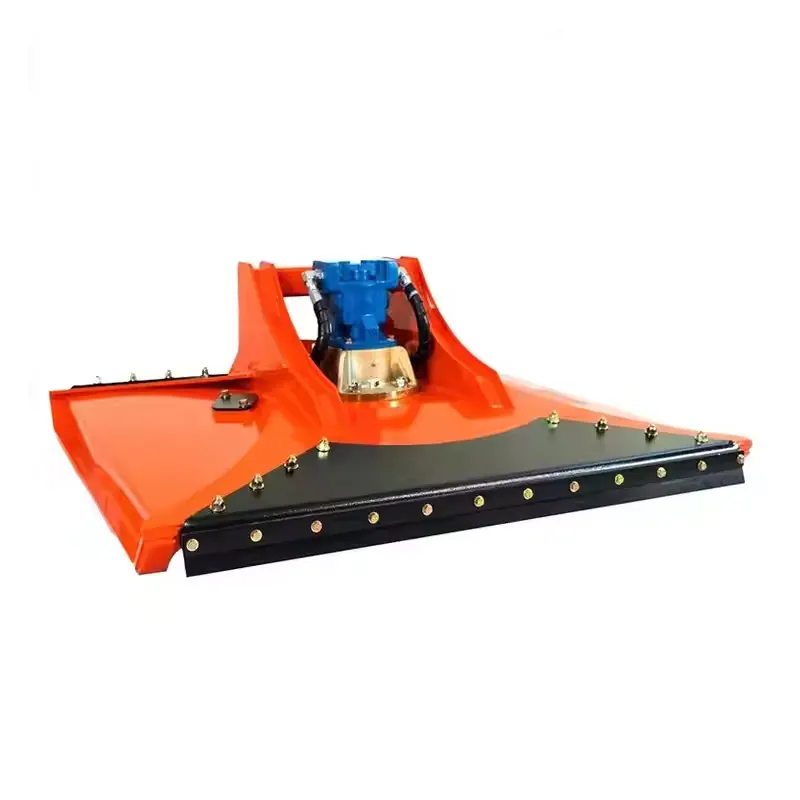
Brush Cutter – Cut grass, shrubs, and roadside overgrowth along road edges
Hydraulic Grapple – Remove and transport roadside debris and cut material
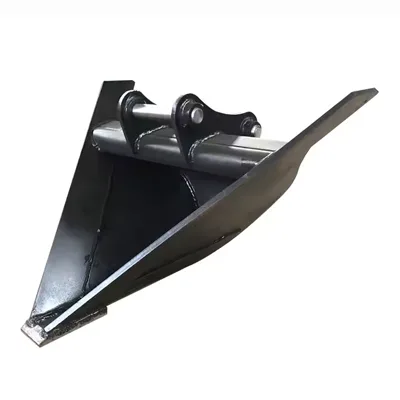
Ditch Cleaning Bucket – Clean drainage channels and restore water flow capacity
By combining multiple attachments, roadside maintenance teams can improve efficiency, reduce manual labor, and maintain safer and cleaner transportation corridors.
Core Equipment for Roadside Maintenance
Forestry Mulcher
Forestry mulchers are widely used for high-efficiency vegetation control along highways and rural roads. They grind thick shrubs, saplings, and overgrown vegetation into fine mulch, improving long-term corridor visibility and reducing regrowth rates.
Brush Cutter
Brush cutters are ideal for regular roadside trimming and vegetation control, especially in narrow or high-traffic areas where precision and speed are essential.
Hydraulic Grapple
Hydraulic grapples support cleanup operations by collecting and removing cut vegetation, fallen branches, and roadside debris, improving overall site cleanliness and safety.
Ditch Cleaning Bucket
Ditch cleaning buckets are designed for clearing roadside drainage systems, removing sediment, vegetation, and blockages to ensure proper water flow and prevent flooding risks.
Roadside Maintenance Workflow
A typical roadside maintenance operation begins with inspection and safety planning to ensure traffic protection. Brush cutters and forestry mulchers are then deployed to clear vegetation along road shoulders, slopes, and median strips.
After cutting and mulching, hydraulic grapples remove accumulated debris from the working area. Finally, ditch cleaning buckets restore drainage systems by removing sediment and blockages from roadside channels.
This integrated workflow ensures continuous roadway safety, improved drainage efficiency, and long-term vegetation control.
Advantages of Excavator Attachments in Roadside Maintenance
Improved highway safety and visibility
Faster large-area vegetation control
Reduced traffic disruption during maintenance
Efficient drainage system restoration
Lower labor and operational costs
Enhanced environmental compliance in public areas
Better long-term roadside condition management
Equipment Selection Strategy for Roadside Projects
Forestry Mulcher – Heavy vegetation clearing and regrowth control
Brush Cutter – Routine roadside trimming and maintenance
Hydraulic Grapple – Debris handling and cleanup operations
Ditch Cleaning Bucket – Drainage maintenance and sediment removal
Most roadside maintenance projects require a combination of vegetation control and cleaning attachments to maintain safe, functional, and environmentally stable transportation corridors.
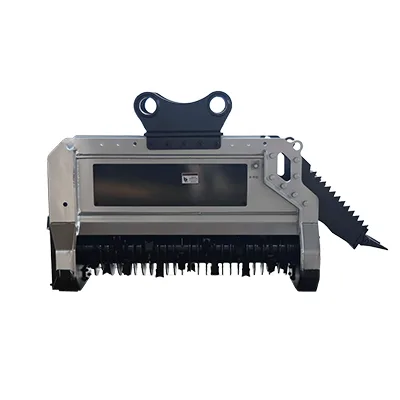
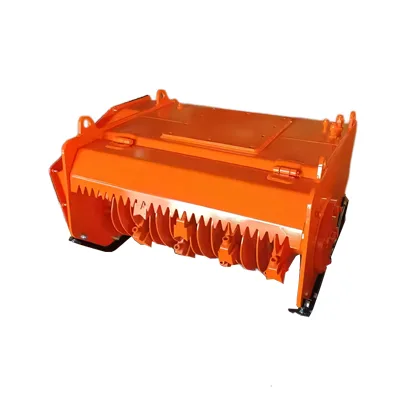
TGEC Forestry Mulcher – Highway vegetation control and mulching
TGEC Brush Cutter – Roadside trimming and corridor maintenance
TGEC Hydraulic Grapple – Debris removal and handling
TGEC Ditch Cleaning Bucket – Drainage cleaning and waterway maintenance