


Canal Maintenance & Dredging Excavator Attachment Solutions
Canal maintenance involves the continuous dredging, cleaning, widening, and structural repair of waterways to ensure stable water flow, prevent sediment buildup, and maintain irrigation or navigation efficiency.
Modern canal engineering relies on excavators equipped with long reach boom systems and specialized attachments to perform dredging and material removal efficiently in deep, narrow, and water-adjacent working environments.
Canal Maintenance Applications
Canal dredging and sediment removal
Waterway widening and deepening projects
Irrigation channel cleaning and restoration
River and canal bank reinforcement
Flood control and drainage system maintenance
Port and inland waterway maintenance
Silt and sludge removal operations
Aquatic vegetation clearing
Hydraulic structure maintenance (sluices, locks)
Environmental waterway restoration projects
Core Equipment for Canal Maintenance Work
Long Reach Boom System
The long reach boom system is essential for canal and river maintenance. It extends the excavator working range up to 12–20 meters, allowing dredging and excavation from the bank without entering unstable or waterlogged zones. It is the most critical configuration for deep canal cleaning and slope-safe operation.
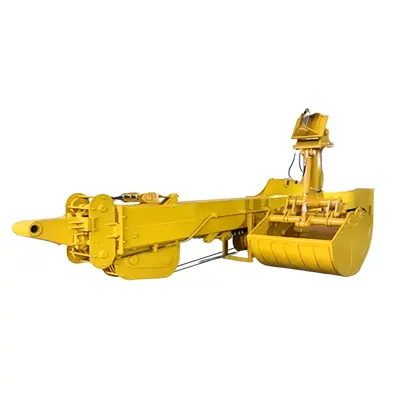
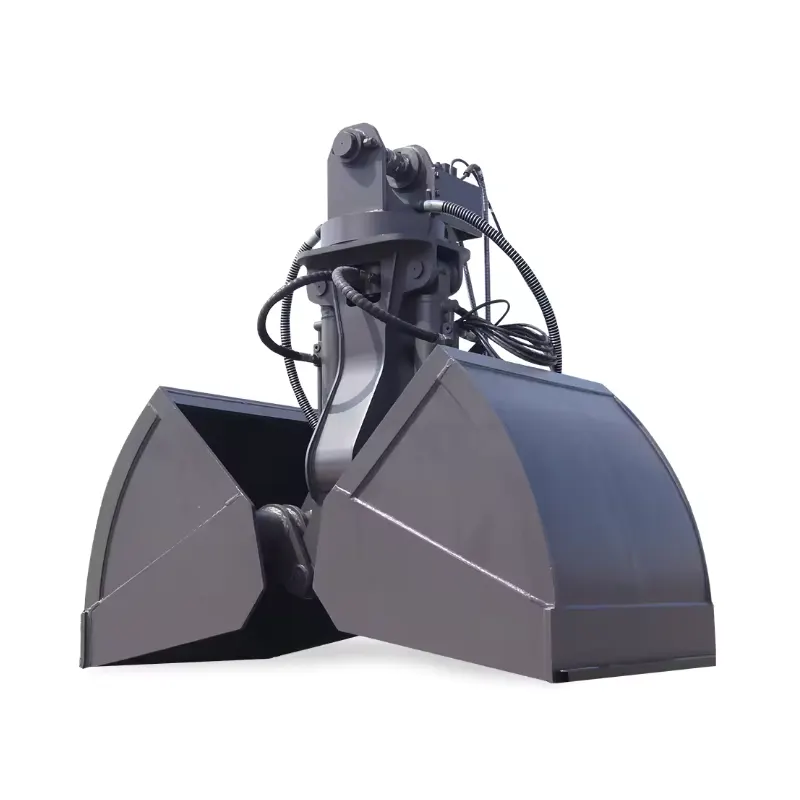
Clamshell Bucket
Ideal for vertical dredging in canals, rivers, and deep sediment layers. It efficiently removes mud, sand, and sludge from underwater or narrow channels.
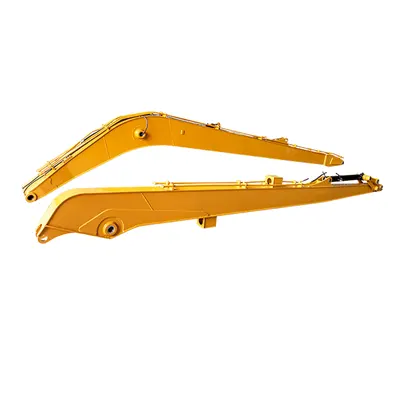
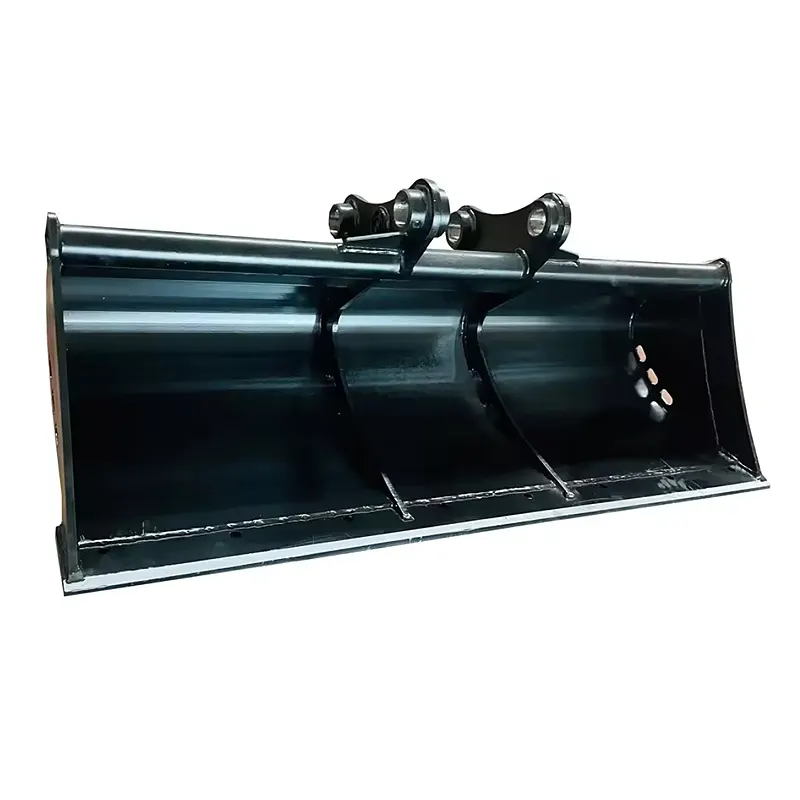
Dredging Bucket
Designed for large-volume material removal in soft soil and sediment environments. It improves efficiency in canal widening and desilting operations.
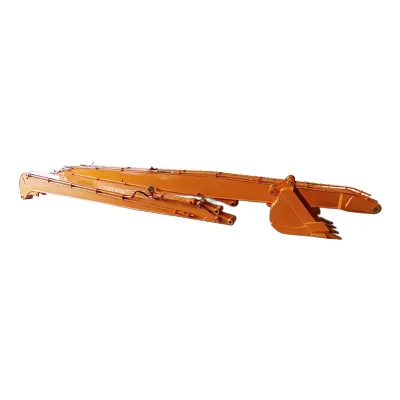
Hydraulic Grapple
Used for removing debris, aquatic vegetation, and mixed waste in canal systems. It improves material separation during maintenance operations.
Hydraulic Breaker
Used in canal structures involving rock, concrete reinforcements, or hydraulic barriers that require high-impact breaking during reconstruction or expansion.
Long Reach Excavation in Canal Engineering
long reach excavators play a key role in canal maintenance projects where direct machine access is limited. They allow operators to perform dredging, slope trimming, and sediment removal while remaining safely positioned on stable ground.
Compared with standard excavators, long reach systems significantly improve working depth and horizontal reach, making them ideal for deep canal sections, wide waterways, and river-connected irrigation systems.
These systems are widely used in flood control projects, irrigation channel restoration, port waterway maintenance, and environmental dredging operations.
Equipment Selection for Canal Maintenance Projects
Long Reach Boom – Deep dredging and restricted waterway access
Clamshell Bucket – Vertical dredging and sediment removal
Dredging Bucket – Large-scale soil and sludge excavation
Grapple – Vegetation and debris handling
Hydraulic Breaker – Canal structure demolition and repair
Most canal maintenance projects require a combination of dredging, excavation, debris removal, and structural repair stages to maintain stable water flow and channel capacity.
Typical Canal Maintenance Workflow
A typical workflow includes sediment dredging using clamshell or long reach buckets, channel widening with dredging buckets, debris removal with grapples, and structural repair using breakers where necessary.
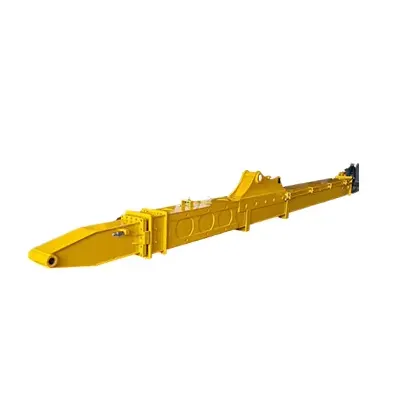
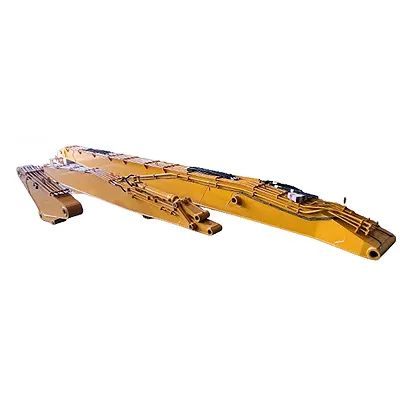
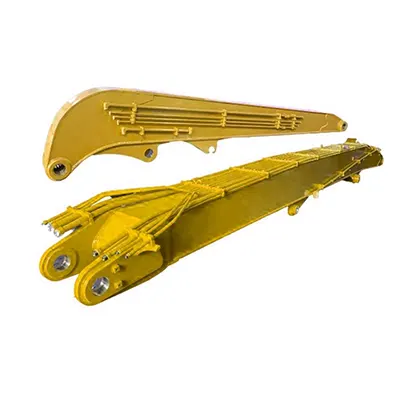
TGEC Long Reach Boom – Extended reach dredging and canal excavation
TGEC Clamshell Bucket – Vertical dredging and sludge removal
TGEC Dredging Bucket – High-efficiency canal excavation
TGEC Hydraulic Grapple – Debris and vegetation handling
TGEC Hydraulic Breaker – Canal structure repair and demolition