


Concrete Crushing & Rebar Separation Solutions for Modern Demolition Projects
Concrete crushing and rebar separation refers to the controlled processing of reinforced concrete structures after demolition, where concrete is reduced into reusable aggregate while embedded steel reinforcement is efficiently separated for recycling.
This process is essential in building demolition, bridge dismantling, urban redevelopment, and infrastructure renewal projects, where large volumes of reinforced concrete must be processed safely, quickly, and in an environmentally responsible way.
Using excavator-based attachment systems from :contentReference[oaicite:0]{index=0}, contractors can complete breaking, crushing, and steel separation directly on-site, reducing transportation costs and improving material recovery efficiency.
Typical Concrete Crushing & Rebar Separation Applications
Reinforced concrete building demolition
Bridge and overpass dismantling projects
Urban redevelopment and infrastructure renewal
Industrial facility demolition and recycling
Road foundation and pavement removal
Precast concrete structure dismantling
Steel reinforcement recovery operations
On-site aggregate production projects
Construction waste recycling facilities
Land reclamation and site clearing operations
Operational Challenges in Reinforced Concrete Processing
Reinforced concrete is one of the most difficult materials to process due to the strong bonding between concrete and steel rebar. Standard demolition methods often leave mixed debris that is hard to sort and recycle efficiently.
Contractors also face challenges such as high disposal fees, strict environmental regulations, limited landfill capacity, and the need for faster project turnaround times.
Without a proper equipment strategy, valuable steel reinforcement may remain trapped in concrete waste, reducing recycling value and increasing operational costs.
Integrated Solution Strategy: Crush → Expose → Separate → Recycle
For efficient reinforced concrete processing, TianGe recommends a structured workflow designed to maximize material recovery:Crushing → Rebar Exposure → Steel Separation → Aggregate Recycling.
Crushing – Break reinforced concrete into manageable fragments
Exposure – Reveal embedded steel reinforcement
Separation – Cut and remove rebar efficiently
Recycling – Convert concrete into reusable aggregates
This workflow improves site efficiency while ensuring both concrete and steel materials are fully recovered for reuse.
Core Excavator Attachments for Concrete Crushing & Rebar Separation
Excavator Pulverizers
Excavator pulverizers are specifically designed for secondary demolition work, reducing reinforced concrete into smaller fragments while simultaneously exposing embedded rebar for easier separation.
Hydraulic Shears
Hydraulic shears cut exposed steel reinforcement bars, structural steel, and embedded metal components, improving recycling purity and processing speed.
Demolition Breakers
Hydraulic breakers are used in primary demolition stages to fracture large concrete structures and prepare materials for further crushing and separation.
Hydraulic Grapples
Grapples handle mixed debris, sort materials on-site, and assist in loading separated concrete and steel for transport or further processing.
Crusher Buckets
Crusher buckets enable on-site crushing of concrete debris into reusable aggregates, reducing hauling requirements and improving project efficiency.
Reinforced Concrete Processing Workflow
The process typically begins with demolition using hydraulic breakers to break down large structures. Excavator pulverizers then refine the material, exposing internal rebar. Hydraulic shears cut and separate steel reinforcement, while grapples sort and manage material flow. Crusher buckets complete the cycle by producing reusable aggregate directly on-site.
This integrated approach significantly improves recycling efficiency while reducing landfill dependency and transportation costs.
Key Advantages of Excavator-Based Crushing Systems
Efficient separation of concrete and steel materials
Higher recycling value from demolition waste
Reduced landfill disposal costs
On-site aggregate production capability
Faster demolition and cleanup cycles
Lower transportation and logistics expenses
Improved environmental compliance performance
Application-Oriented Equipment Strategy
Excavator Pulverizers – Secondary crushing and rebar exposure
Hydraulic Shears – Steel cutting and reinforcement removal
Hydraulic Breakers – Primary structure demolition
Hydraulic Grapples – Sorting and material handling
Crusher Buckets – On-site aggregate production
Combining multiple attachments creates a complete processing system that transforms reinforced concrete waste into valuable recycled materials.
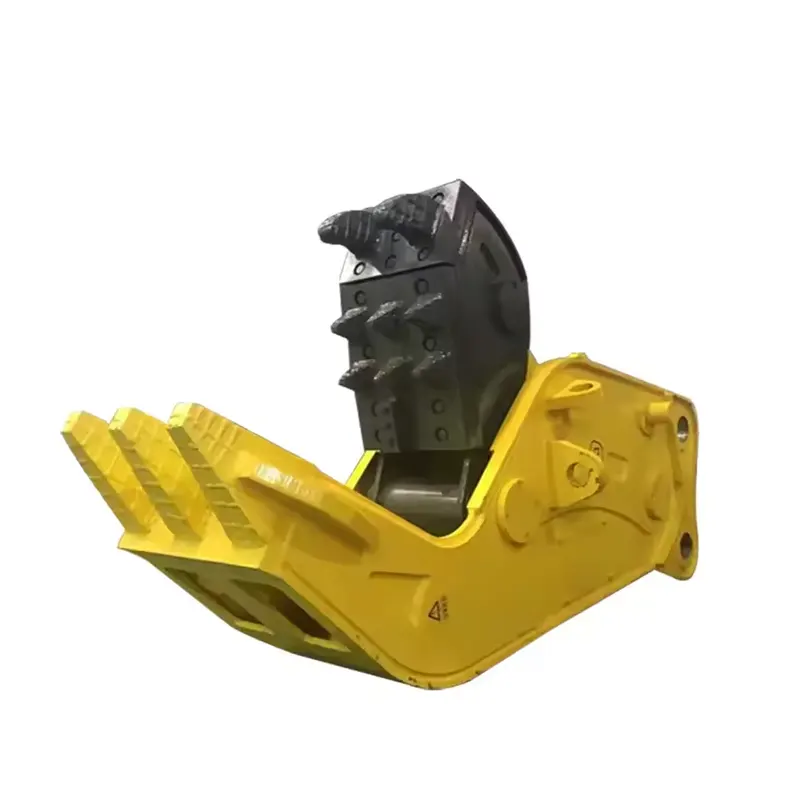
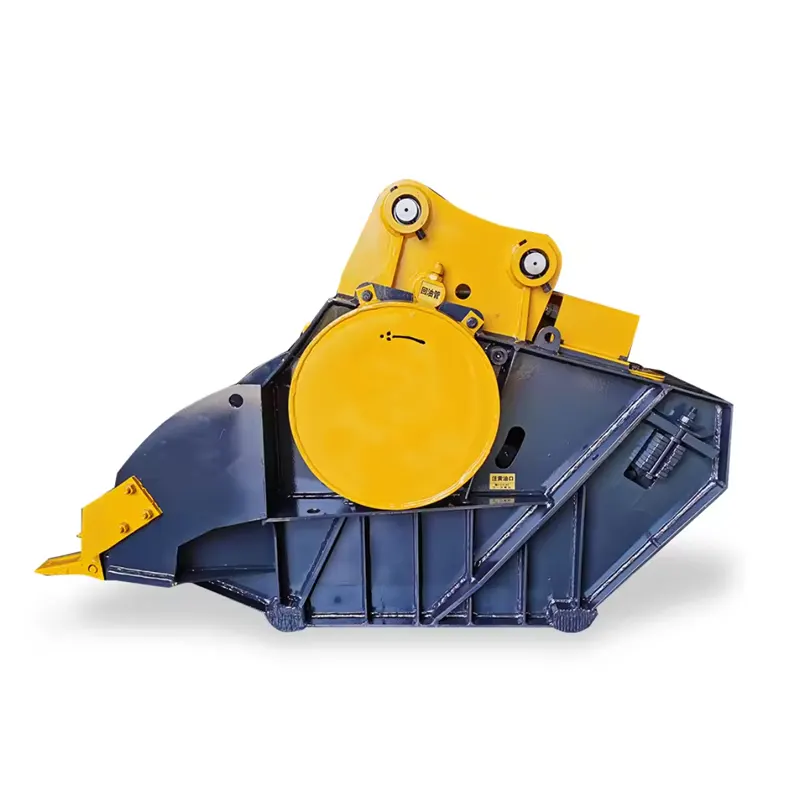
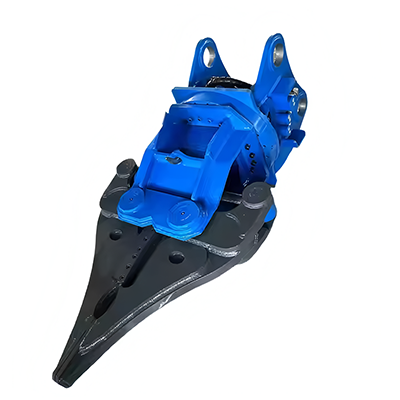
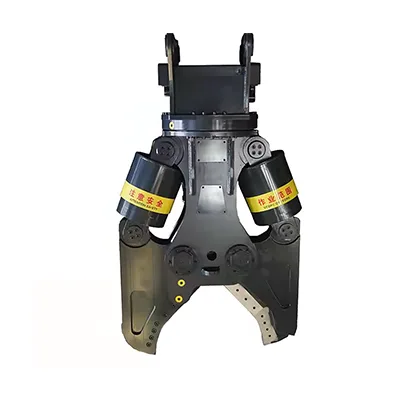
- TGEC Excavator Pulverizers – Reinforced concrete crushing and rebar exposure
- TGEC Hydraulic Shears – Steel cutting and separation operations
- TGEC Hydraulic Breakers – Primary demolition and fragmentation
- TGEC Hydraulic Grapples – Sorting and material handling efficiency
- TGEC Crusher Buckets – On-site concrete recycling and aggregate production