


Construction Waste Processing Equipment & Recycling Solutions
Construction waste processing involves the collection, separation, crushing, and recycling of debris generated from demolition projects, urban redevelopment, road reconstruction, and infrastructure upgrades. Common materials include concrete, reinforced concrete, steel, asphalt, brick, wood, and mixed demolition waste.
Modern recycling operations use excavators equipped with specialized attachments to reduce landfill disposal, improve material recovery rates, and transform waste into reusable construction resources. Efficient processing not only lowers disposal costs but also supports sustainable construction practices.
Construction Waste Processing Applications
Building demolition waste recycling
Urban redevelopment projects
Road and highway reconstruction waste management
Bridge demolition material recovery
Industrial site cleanup operations
Concrete recycling and aggregate production
Steel recovery from demolition debris
Landfill reduction programs
Infrastructure rehabilitation projects
Environmental waste management initiatives
Challenges in Construction Waste Processing
Construction waste recycling projects often deal with large volumes of mixed materials that require efficient separation before reuse or disposal. Concrete, steel, asphalt, timber, and other debris are frequently mixed together, making manual processing time-consuming and costly.
Contractors also face increasing landfill fees, stricter environmental regulations, rising transportation costs, and pressure to improve recycling performance. Without the right equipment strategy, valuable recyclable materials may be lost while project costs continue to increase.
To address these challenges, many recycling facilities and demolition contractors adopt integrated excavator attachment solutions that streamline breaking, sorting, crushing, and material recovery operations.
Recommended Equipment Solution
For most construction waste recycling projects, TianGe recommends a four-stage processing workflow:Breaking → Cutting → Sorting → Crushing.This approach helps maximize recycling efficiency while reducing disposal and transportation costs.
Hydraulic Breaker – Break large concrete structures into manageable pieces
Hydraulic Shears – Cut steel reinforcement and structural steel
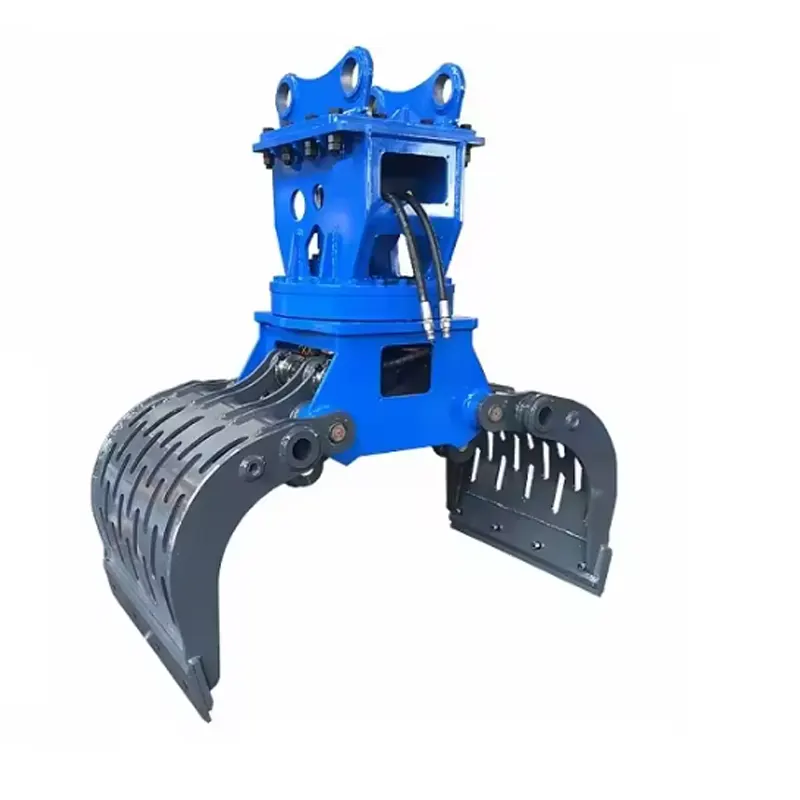
Hydraulic Grapple – Sort and handle mixed construction debris
Crusher Bucket – Produce reusable aggregate directly on-site
Combining these attachments allows contractors to process waste materials more efficiently while increasing the value of recovered resources.
Core Equipment for Construction Waste Processing
Hydraulic Shears
Hydraulic shears are designed to cut reinforcing bars, steel beams, and metal structures embedded within demolition debris. They improve material separation and accelerate recycling operations.
Demolition Shears
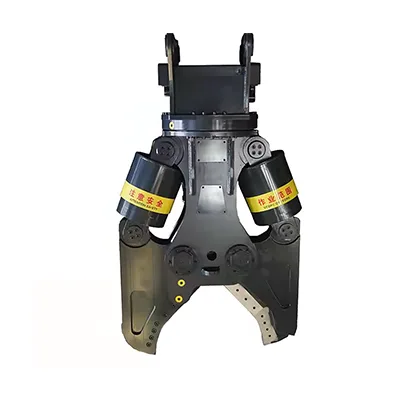
Demolition shears provide powerful crushing and cutting capabilities for reinforced concrete structures, large debris blocks, and heavily compacted demolition waste.
Hydraulic Grapple
Hydraulic grapples are widely used for sorting, loading, and transporting mixed construction waste. They help improve operational efficiency while reducing manual labor.
Hydraulic Breaker
Hydraulic breakers efficiently fracture concrete slabs, foundations, pavement sections, and reinforced structures to prepare materials for further processing.
Crusher Bucket
Crusher buckets enable on-site recycling of concrete and masonry debris, converting waste into reusable aggregates suitable for road base, backfill, and construction projects.
Construction Waste Processing Workflow
A typical workflow begins with demolition and waste collection. Hydraulic breakers fragment large concrete structures, while shears separate steel reinforcement and metal components. Grapples sort recyclable materials and transport waste for further processing. Finally, crusher buckets convert concrete debris into reusable aggregate.
This systematic process reduces landfill dependency, improves material recovery rates, and supports sustainable construction and demolition practices.
Advantages of Excavator Attachments in Waste Processing
Higher recycling and material recovery rates
Reduced landfill disposal requirements
Lower transportation and processing costs
Faster demolition site cleanup
Improved environmental compliance
Efficient separation of recyclable materials
Increased project profitability
Equipment Selection Strategy for Construction Waste Projects
Hydraulic Breaker – Initial concrete fragmentation
Hydraulic Shears – Steel cutting and separation
Hydraulic Grapple – Material sorting and loading
Demolition Shears – Heavy-duty crushing and reduction
Crusher Bucket – Aggregate production and recycling
Most construction waste processing projects benefit from combining multiple attachments to complete demolition, sorting, crushing, and recycling operations efficiently.
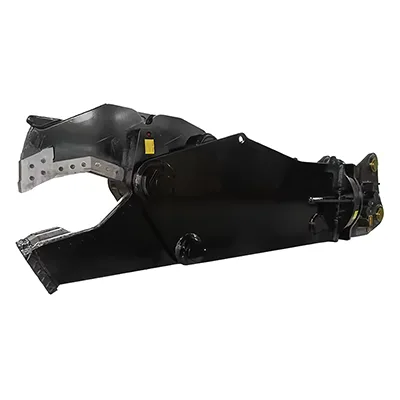
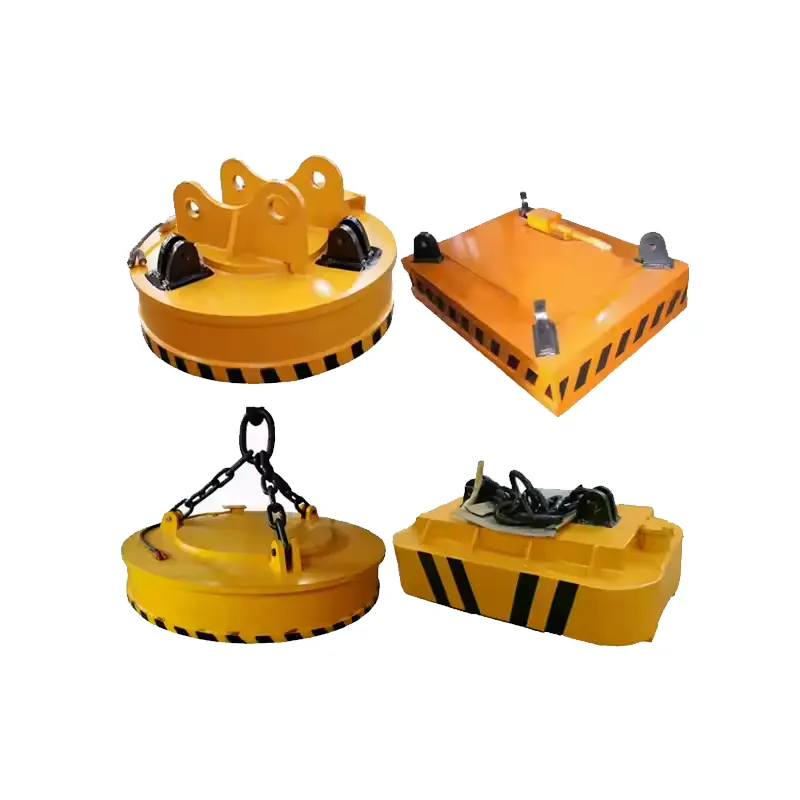
TGEC Hydraulic Shears – Steel cutting and recycling applications
TGEC Demolition Shears – Concrete crushing and structure reduction
TGEC Hydraulic Grapple – Waste sorting and material handling
TGEC Hydraulic Breaker – Demolition and fragmentation work
TGEC Crusher Bucket – On-site concrete recycling and aggregate production