


Harbor Maintenance Equipment & Dredging Solutions
Harbor maintenance is essential for keeping ports, shipping channels, marinas, and waterfront infrastructure safe and operational. Over time, sediment accumulation, debris deposits, shoreline erosion, and underwater obstructions can reduce navigation depth and affect vessel traffic efficiency.
Modern harbor maintenance projects increasingly rely on excavators equipped with specialized attachments to perform dredging, sediment removal, material handling, quay wall maintenance, and shoreline rehabilitation. Compared with traditional dredging methods, excavator-based solutions provide greater flexibility, lower operating costs, and improved access to confined working areas.
Typical Harbor Maintenance Applications
Navigation channel dredging
Port basin sediment removal
Marina maintenance dredging
Dock and quay wall cleaning
Waterfront rehabilitation projects
Harbor debris removal operations
Breakwater maintenance work
Shoreline stabilization projects
Storm sediment cleanup
Industrial port maintenance
Common Challenges in Harbor Maintenance
Ports and harbors constantly experience sediment buildup caused by tides, river inflows, storms, and vessel movement. If left unmanaged, accumulated material can reduce water depth, restrict navigation, and increase the risk of vessel grounding.
Maintenance contractors must often work in environmentally sensitive areas while minimizing disruption to ongoing port operations. Access limitations, varying water depths, soft sediments, and submerged debris create additional operational challenges.
Successful harbor maintenance requires a practical equipment strategy capable of handling dredging, sediment transport, underwater excavation, material recovery, and shoreline repair with maximum efficiency.
Recommended Harbor Maintenance Workflow
For most harbor maintenance projects, TianGe recommends a four-stage operational approach:Dredging → Material Recovery → Sediment Handling → Infrastructure Maintenance.
This workflow helps maintain navigable waterways while reducing downtime and improving overall project productivity.
Dredge Pump – Hydraulic sediment extraction and slurry transfer
Clamshell Bucket – Underwater excavation and sediment removal
Long Reach Arm – Extended reach dredging and shoreline access
Hydraulic Grapple – Debris recovery and material handling
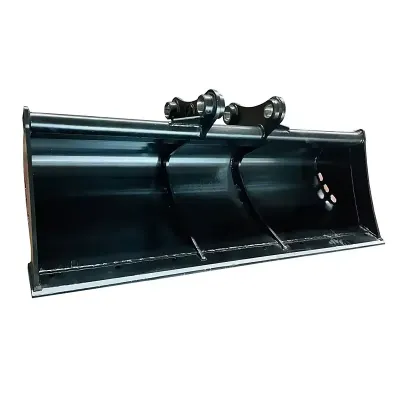
Tilt Bucket – Slope shaping and shoreline maintenance
Core Equipment for Harbor Maintenance Projects
Dredge Pump
Dredge pumps are widely used for hydraulic dredging applications where large volumes of sediment, silt, sand, and slurry must be removed efficiently. They allow continuous material transfer and are particularly effective for navigation channel maintenance and port basin cleaning.
Clamshell Bucket
clamshell buckets provide precise excavation capabilities for underwater sediment removal, dock cleaning, and confined-area dredging. They are commonly used when selective material recovery is required.
Long Reach Excavator Arm
Long reach arms enable excavators to access deeper water and larger working radii without requiring floating platforms. They are frequently used for shoreline rehabilitation, canal maintenance, and harbor dredging projects.
Hydraulic Grapple
Hydraulic grapples efficiently recover submerged debris, timber, scrap metal, abandoned structures, and floating waste that may obstruct harbor operations.
Tilt Bucket
Tilt buckets are ideal for finishing work along shorelines, embankments, drainage channels, and waterfront protection systems where precise grading is required.
Harbor Maintenance Solution Logic
Unlike large-scale capital dredging projects that focus on new port construction, harbor maintenance is an ongoing operational activity aimed at preserving existing infrastructure and navigational safety.
The primary objective is not simply removing sediment, but maintaining efficient waterway operations while minimizing environmental impact and operational interruption.
For example, dredge pumps can continuously remove accumulated silt from navigation channels, while clamshell buckets target localized sediment deposits near docks and quay walls. long reach excavators extend operational coverage, and grapples help recover debris that could interfere with shipping activities.
By combining multiple attachments into a coordinated maintenance strategy, harbor operators can reduce maintenance frequency, improve vessel accessibility, and extend infrastructure service life.
Benefits of Excavator-Based Harbor Maintenance
Maintains safe navigation depth
Reduces port downtime
Improves dredging efficiency
Lowers operational costs compared with larger dredgers
Suitable for confined and shallow-water environments
Supports environmentally controlled sediment removal
Enhances port infrastructure longevity
Provides flexible multi-purpose operation capability
Why Contractors Choose TianGe Harbor Maintenance Attachments
TianGe supplies excavator attachments designed for dredging, sediment management, material recovery, and waterfront maintenance applications. Our equipment supports contractors, port authorities, marina operators, and marine infrastructure companies seeking efficient harbor maintenance solutions.
From routine channel cleaning to large-scale sediment removal projects, TianGe attachments help improve productivity while adapting to the demanding conditions commonly encountered in marine environments.
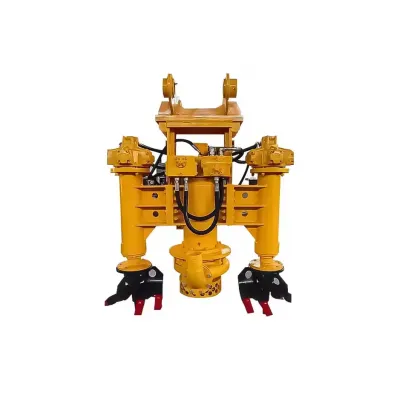
TGEC Dredge Pump – Hydraulic dredging and slurry transfer
TGEC Clamshell Bucket – Underwater excavation and sediment removal
TGEC Long Reach Arm – Extended reach harbor maintenance
TGEC Hydraulic Grapple – Debris recovery and material handling
TGEC Tilt Bucket – Shoreline shaping and finishing work