


Municipal Infrastructure Projects & Excavator Attachment Solutions
Municipal infrastructure projects include the development, maintenance, and rehabilitation of essential urban systems such as water pipelines, sewage networks, road surfaces, drainage channels, underground utilities, and public service facilities. These works are typically carried out in densely populated environments where efficiency, precision, and minimal disruption are critical.
To meet these demands, modern contractors rely on excavator-based attachment systems that allow one machine to perform multiple tasks across excavation, breaking, installation, and restoration stages. This integrated approach improves workflow continuity, reduces equipment idle time, and enhances overall project productivity in urban construction environments.
Municipal Infrastructure Application Scenarios
Urban water supply and sewer pipeline construction
Road resurfacing and asphalt repair projects
Drainage system cleaning and reconstruction
Underground utility trenching and cable installation
Street lighting and traffic signal foundation works
Public park and city landscaping maintenance
Emergency repair of water and gas pipelines
Urban redevelopment and infrastructure renewal
Sidewalk and curb reconstruction projects
Municipal facility expansion and upgrades
Key Challenges in Municipal Construction Work
Municipal projects often take place in narrow streets, active traffic zones, and underground utility-dense environments. Contractors must work carefully to avoid damaging existing infrastructure such as electrical cables, gas lines, and communication networks.
In addition, strict construction timelines and public accessibility requirements demand fast task switching, minimal downtime, and high operational flexibility. Traditional single-function equipment often leads to inefficiencies in these fast-changing jobsite conditions.
To address these issues, contractors are increasingly adopting multi-attachment excavator systems that support quick transitions between different operational tasks without removing the machine from the site.
Recommended Municipal Construction Workflow
For efficient municipal infrastructure execution, TianGe recommends a structured workflow:Excavation → Breaking → Installation → Backfilling → Surface Restoration.
Excavation – Trenching for pipelines, drainage, and cable systems
Breaking – Removing asphalt, concrete, and underground obstructions
Installation – Laying pipes, installing poles, and placing utility structures
Backfilling – Compacting soil and restoring trench stability
Restoration – Repairing roads and surfaces for public use
Core Excavator Attachments for Municipal Projects
Hydraulic Breaker
Used for breaking concrete roads, sidewalks, and hard underground layers during pipeline maintenance and road repair operations.
Excavator Bucket Systems
Essential for trenching, digging, grading, and material removal in water, gas, and drainage pipeline installations.
Hydraulic Auger
Ideal for drilling precise holes for street lights, traffic signs, utility poles, and municipal foundation structures.
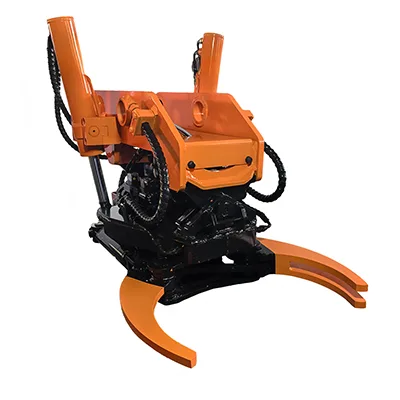
Hydraulic Grapple
Used for handling debris, pipes, and irregular materials in urban maintenance and cleanup operations.
Compactor Attachment
Ensures stable soil compaction during trench backfilling, improving long-term durability of municipal infrastructure.
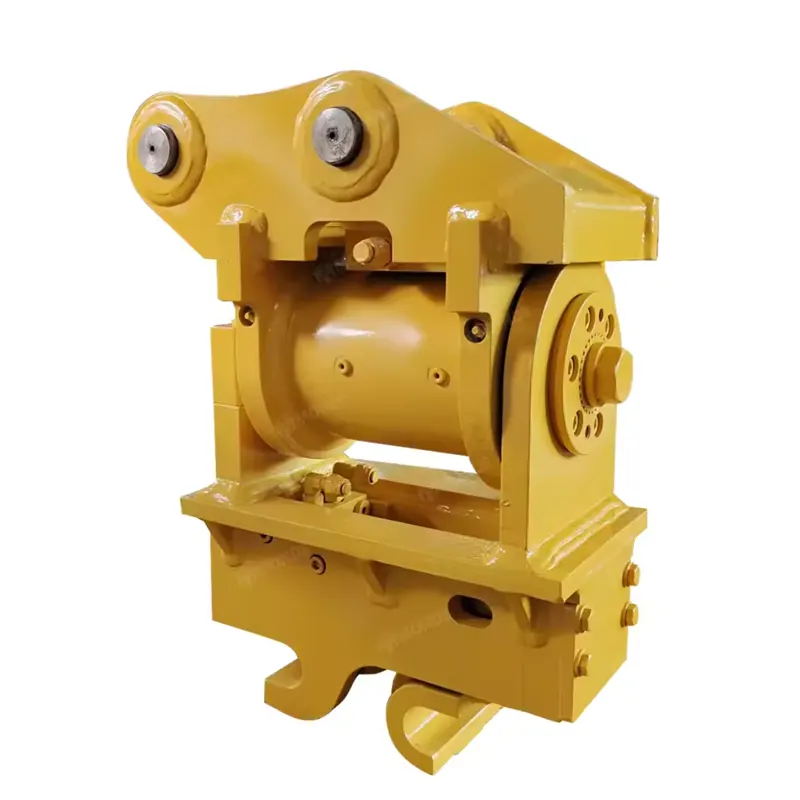
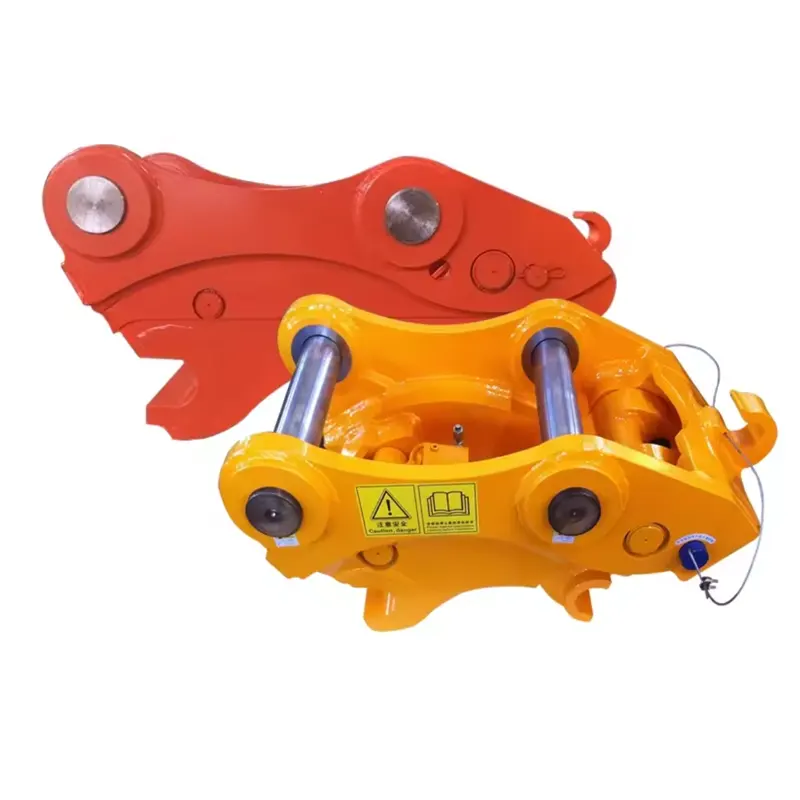
Excavator Quick Couplers
Excavator Quick Couplers allow operators to switch between buckets, breakers, augers, and grapples within minutes. This significantly improves efficiency in municipal projects where multiple tasks must be completed in a short time frame.
Municipal Infrastructure Construction Process Overview
A typical municipal workflow begins with underground utility detection and site preparation. Excavators equipped with buckets perform trenching operations, while hydraulic breakers handle asphalt or concrete removal. Augers are used for foundation drilling when installing poles or support structures.
After installation, compactors restore soil stability in trenches, and surface layers are repaired to reopen roads quickly. Quick coupler systems ensure seamless switching between attachments, minimizing downtime and improving jobsite responsiveness.
Advantages of Excavator Attachments in Municipal Works
Faster response for emergency repair and maintenance tasks
Reduced traffic disruption in urban areas
Improved precision in confined working environments
Lower labor and equipment dependency
Higher efficiency through multi-functional machine use
Enhanced safety around underground utilities
Rapid attachment switching with quick coupler systems
Recommended Equipment Configuration Strategy
Hydraulic Breaker – Asphalt and concrete demolition
Bucket Series – Excavation and trenching operations
Hydraulic Auger – Foundation and pole drilling
Hydraulic Grapple – Urban debris handling and cleanup
Compactor – Soil stabilization and backfilling
Quick Coupler System – Fast attachment switching for multi-task workflows
TGEC Hydraulic Breaker – Road demolition and infrastructure repair
TGEC Bucket Series – Municipal excavation and trenching applications
TGEC Hydraulic Auger – Urban foundation drilling solutions
TGEC Hydraulic Grapple – Material handling and site cleanup
TGEC Compactor Attachment – Soil compaction and trench restoration
TGEC Quick Coupler System – High-efficiency attachment switching solution
TianGe TGEC excavator attachments from Yantai Tiange Intelligent Equipment Technology Co., Ltd are engineered for demanding municipal infrastructure environments, helping contractors improve efficiency, safety, and operational flexibility in urban construction projects worldwide.