


Pipeline Construction & Excavation Equipment Solutions
Pipeline construction projects require precise excavation, controlled trenching, and reliable backfilling to ensure safe installation of water, gas, oil, and industrial pipelines. These operations often take place in long-distance corridors with varying soil conditions and working constraints.
Modern pipeline engineering depends on excavators equipped with specialized attachments that improve efficiency across every stage—from trench digging and pipe laying to backfilling and soil compaction.
Pipeline Project Application Scenarios
Oil and gas transmission pipeline installation
Water supply and drainage pipeline construction
Natural gas distribution networks
Industrial slurry and chemical pipeline systems
Cross-country pipeline trenching projects
Urban underground utility pipeline upgrades
River and wetland pipeline crossing construction
Highway and railway pipeline crossing works
Refinery and plant pipeline installation
Pipeline repair and maintenance excavation
Core Excavator Attachments for Pipeline Projects
Hydraulic Bucket
Used for trench excavation and bulk soil removal. It provides stable digging performance in mixed soil conditions commonly found in long-distance pipeline corridors.
Trenching Bucket
Designed specifically for narrow trench formation required in pipeline laying. It ensures consistent trench width and depth for accurate pipe placement.
Auger Attachment
Used for drilling vertical or angled holes in pipeline support structures, anchor points, and crossing installations.
Hydraulic Breaker
Essential for breaking rock layers, asphalt, or reinforced concrete sections encountered during pipeline routing in urban or mountainous areas.
Compactor Attachments
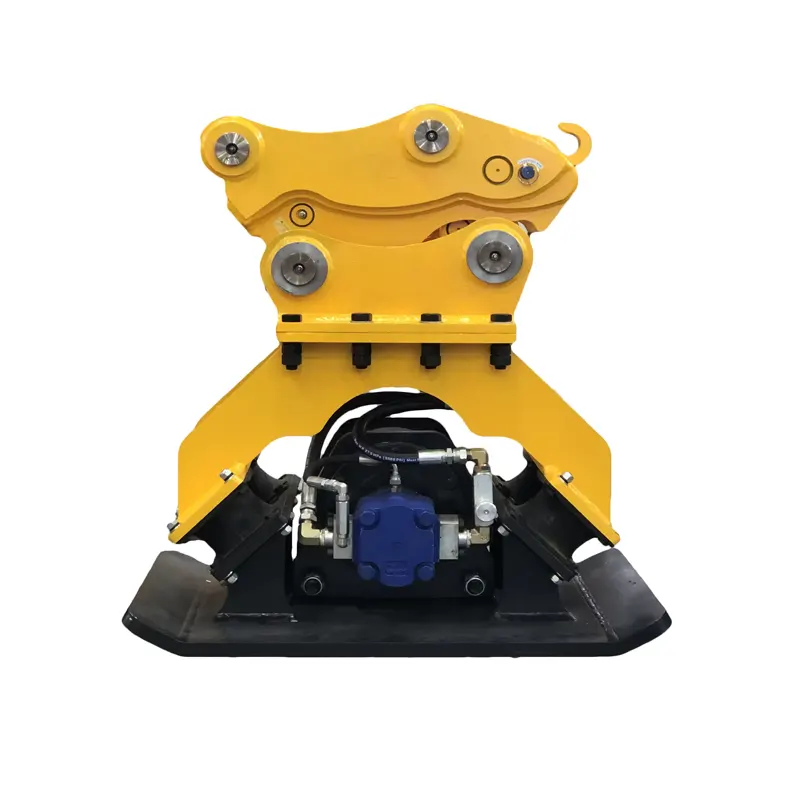
Hydraulic plate compactors are used for compacting soil after pipe installation. They ensure high-density backfilling and reduce long-term settlement risks in pipeline corridors.
Pipeline Backfilling & Compaction Systems
After pipeline installation, backfilling and compaction are critical to restore ground stability and protect buried infrastructure. Excavator-based compaction systems improve efficiency in narrow trenches where traditional rollers cannot operate.
Compaction solutions such as plate compactors and compaction wheels provide uniform soil density, reducing air gaps and ensuring long-term pipeline safety.
Key Equipment for Pipeline Construction Efficiency
Trenching Bucket – Precision trench formation for pipe laying
Hydraulic Bucket – General excavation and soil removal
Auger – Support hole drilling and crossing preparation
Hydraulic Breaker – Rock and concrete obstacle removal
Compactor Attachments – Soil densification and trench stabilization
Pipeline projects typically require continuous coordination between excavation, pipe installation, backfilling, and compaction stages to maintain construction speed and structural reliability.
Typical Pipeline Construction Workflow
The workflow begins with trench excavation using buckets or trenching attachments, followed by pipe placement and alignment. After installation, soil is backfilled in layers and compacted using excavator-mounted compaction tools to ensure stability and prevent future settlement.
Advantages of Excavator-Based Pipeline Solutions
Faster trench excavation and pipe installation cycles
Improved backfilling efficiency in long-distance projects
Reduced need for multiple machines on site
Higher compaction quality in narrow trench environments
Better adaptability to complex terrain conditions
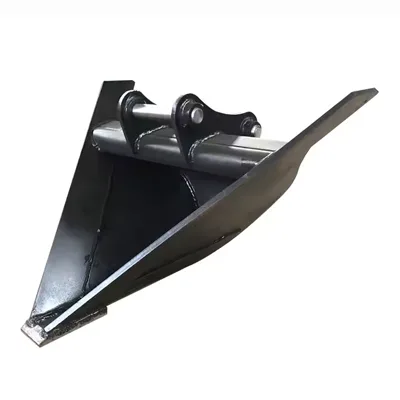
TGEC Trenching Bucket – Narrow trench excavation solution
TGEC Hydraulic Bucket – General earthmoving operations
TGEC Auger System – Pipeline crossing and support drilling
TGEC Hydraulic Breaker – Hard ground and rock removal
TGEC Compactor Attachments – Trench backfilling compaction system