


Pond Cleaning Equipment & Pond Dredging Solutions
Pond cleaning involves the removal of accumulated sediment, sludge, aquatic vegetation, debris, and contaminants from ponds, retention basins, decorative lakes, and stormwater management systems. Regular pond maintenance helps restore water capacity, improve water quality, and prevent excessive vegetation growth.
Modern pond rehabilitation projects rely on excavators equipped with specialized dredging and material handling attachments to perform sediment removal efficiently while minimizing environmental impact. Proper equipment selection can significantly reduce project duration and operating costs.
Pond Cleaning Applications
Pond dredging and sediment removal
Farm pond rehabilitation projects
Stormwater retention pond maintenance
Golf course pond cleaning
Decorative lake restoration
Aquatic vegetation removal
Sludge extraction and transfer
Fish pond maintenance
Park and recreation waterbody cleaning
Environmental pond restoration projects
Challenges in Pond Cleaning Projects
Over time, ponds accumulate large amounts of sediment, organic sludge, vegetation, and floating debris. These materials reduce water depth, restrict water flow, increase algae growth, and negatively impact aquatic ecosystems.
Traditional cleaning methods often require extensive manual labor, multiple equipment mobilizations, and costly sediment transportation. Access limitations around ponds can further complicate dredging operations.
To address these challenges, contractors increasingly use integrated excavator attachment solutions that combine dredging, pumping, vegetation removal, and material handling into a single efficient workflow.
Recommended Equipment Solution
For most pond restoration and maintenance projects, TianGe recommends a four-stage workflow:Dredging → Pumping → Vegetation Removal → Material Handling.This approach improves sediment removal efficiency while reducing environmental disturbance and operational costs.
Dredge Pump – Transfer sludge, sediment, and slurry over long distances
Dredging Bucket – Excavate accumulated sediment from pond bottoms
Excavator Rake – Remove aquatic vegetation and floating debris
Hydraulic Grapple – Handle debris, roots, logs, and dredged materials
Using these attachments together allows contractors to complete pond cleaning projects faster while maximizing sediment removal and site restoration efficiency.
Core Equipment for Pond Cleaning
Dredge Pump
Dredge pumps are designed to transfer slurry, sediment, sludge, and dredged materials from ponds to disposal or dewatering areas. They are highly effective when long-distance sediment transport is required.
Dredging Bucket
Dredging buckets provide efficient excavation of accumulated sediment, mud, and debris from pond bottoms while maintaining high digging capacity in wet conditions.
Excavator Rake
Excavator rakes are commonly used to remove aquatic vegetation, roots, branches, floating debris, and organic material that accumulate within ponds and shallow water bodies.
Hydraulic Grapple
Hydraulic grapples help collect and load dredged materials, vegetation waste, logs, and debris for transportation and disposal.
Long Reach Arm
long reach excavator arms extend operating range, allowing contractors to access deep ponds and difficult-to-reach areas without repositioning equipment frequently.
Pond Cleaning Workflow
A typical pond cleaning project begins with vegetation and debris removal using excavator rakes and grapples. Sediment deposits are then excavated using dredging buckets or loosened for slurry transport. Dredge pumps transfer sludge and sediment to designated containment or dewatering areas. Finally, remaining materials are sorted and removed to restore pond capacity and water quality.
This systematic workflow improves operational efficiency while supporting long-term pond restoration and maintenance objectives.
Advantages of Excavator Attachments in Pond Cleaning
Improved sediment and sludge removal efficiency
Reduced manual labor requirements
Lower project operating costs
Enhanced water storage capacity
Better water quality and ecosystem restoration
Faster vegetation and debris removal
Reduced environmental disruption
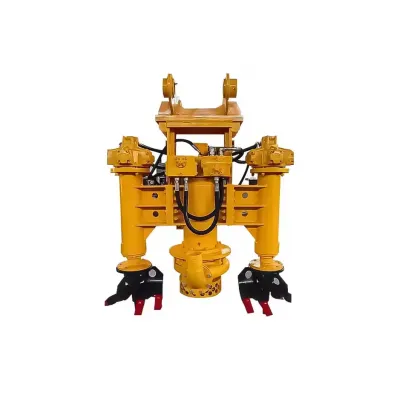
TGEC Dredge Pumps – Slurry and sediment transfer solutions
TGEC Dredging Buckets – Pond sediment excavation
TGEC Hydraulic Grapples – Debris and material handling
TGEC Excavator Rakes – Aquatic vegetation removal
TGEC Long Reach Arms – Extended dredging reach applications