


Port Construction & Marine Infrastructure Excavation Solutions
Port construction involves large-scale marine and coastal engineering projects including quay building, dock excavation, land reclamation, and underwater foundation preparation. These projects require high-efficiency excavation equipment capable of operating in soft soil, waterlogged areas, and deep marine environments.
Excavators equipped with long reach boom systems and specialized dredging attachments are essential for improving reach distance, increasing underwater working capacity, and ensuring stable operation in port and waterfront construction zones.
Port Construction Applications
Harbor and quay wall construction
Port dredging and seabed deepening
Land reclamation and coastal expansion
Dock foundation excavation and preparation
Breakwater and seawall construction
Container terminal development
Channel deepening for ship access
Marine sediment and sludge removal
Port infrastructure renovation
Underwater slope stabilization
Core Equipment for Port Construction Projects
Long Reach Boom System
The long reach boom system is critical for port construction operations. It extends working reach up to 12–20+ meters, allowing dredging, slope shaping, and underwater excavation from a safe shoreline position without entering unstable marine zones.
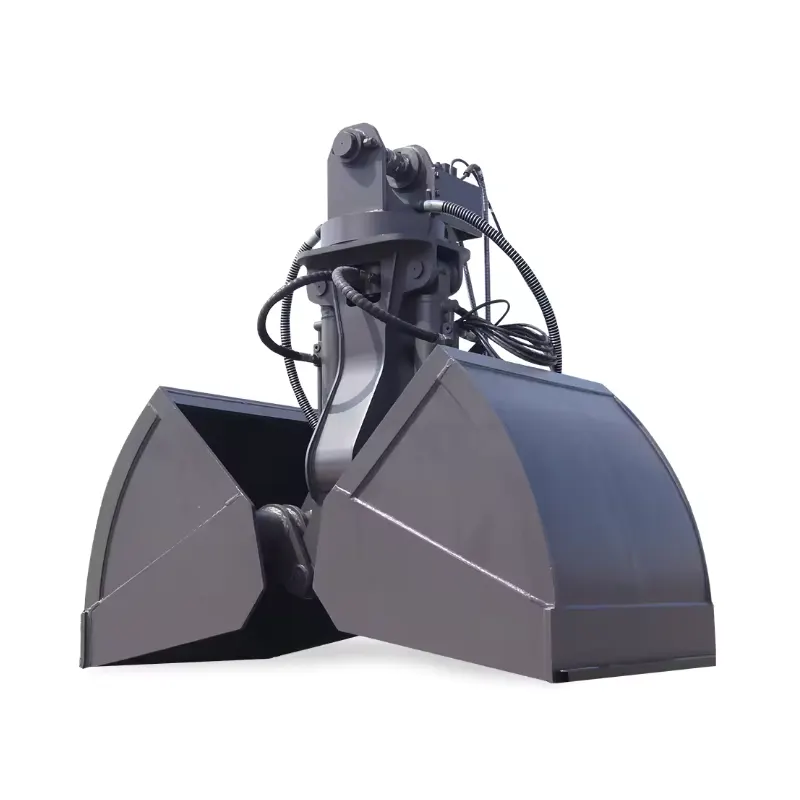
Clamshell Bucket
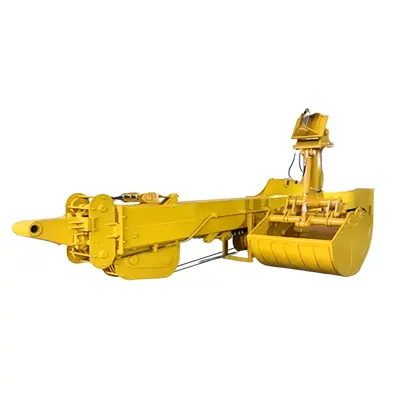
Ideal for deep dredging and vertical material handling in ports. It efficiently removes sand, silt, and underwater sediment during quay construction and channel deepening.
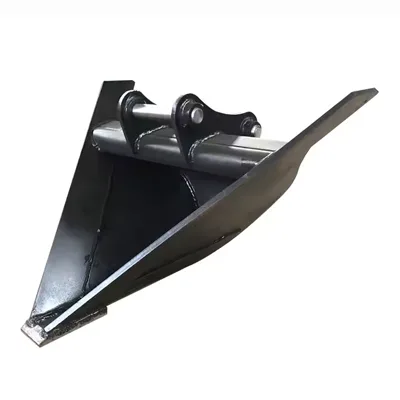
Dredging Bucket
Used for large-volume excavation in soft soil and seabed conditions. It improves efficiency in land reclamation and harbor expansion projects.
Hydraulic Grapple
Designed for handling rocks, debris, and marine construction waste. It is widely used in breakwater construction and port cleanup operations.
Hydraulic Breaker
Used for breaking rock layers, reinforced concrete structures, and seawall foundations during port expansion and reconstruction projects.
Long Reach Excavation in Port Engineering
long reach excavators are essential in marine environments where direct machine access is restricted. They enable dredging, underwater excavation, and slope shaping while maintaining machine stability on shore or platform surfaces.
Compared with standard excavators, long reach systems significantly improve operational safety and working radius, making them ideal for deepwater dredging, quay wall foundation preparation, and coastal infrastructure projects.
These systems are widely used in harbor deepening, terminal expansion, offshore foundation preparation, and coastal protection engineering.
Equipment Selection for Port Construction
Long Reach Boom – Deep dredging and offshore excavation
Clamshell Bucket – Vertical underwater material handling
Dredging Bucket – Large-scale seabed excavation
Grapple – Marine debris and rock handling
Hydraulic Breaker – Rock and concrete demolition
Port construction projects typically require multi-stage operations including dredging, foundation preparation, breakwater construction, and material handling, often using multiple attachments on a single excavator platform.
Typical Port Construction Workflow
A standard workflow includes seabed dredging with clamshell or long reach buckets, foundation excavation for quay walls, breakwater construction using breakers and grapples, and final land reclamation and leveling operations.
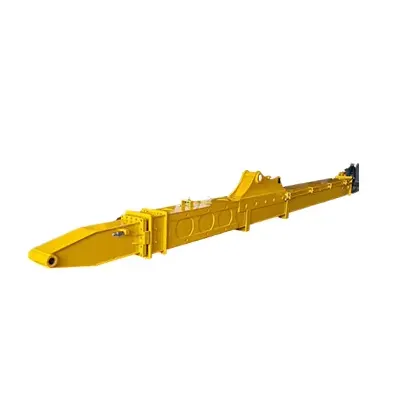
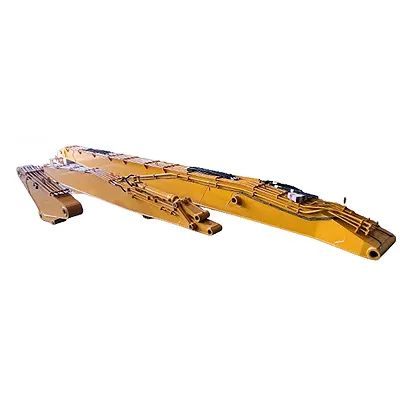
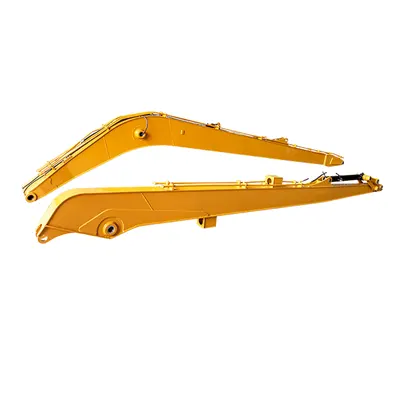
TGEC Long Reach Boom – Marine dredging and extended reach excavation
TGEC Clamshell Bucket – Deep water sediment removal
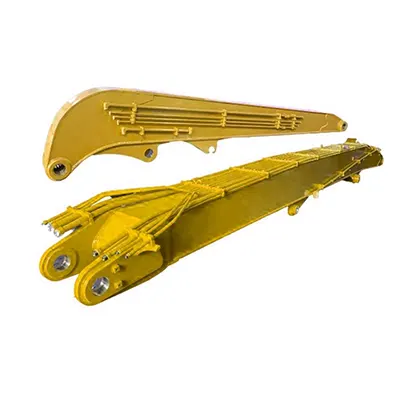
TGEC Dredging Bucket – Large-volume seabed excavation
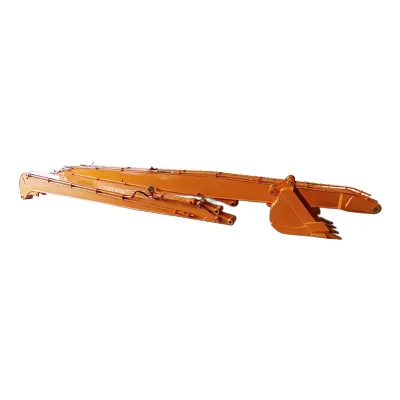
TGEC Hydraulic Grapple – Marine debris and rock handling
TGEC Hydraulic Breaker – Breakwater and rock demolition