


Scrap Metal Processing Equipment & Recycling Solutions
Scrap metal processing involves the collection, sorting, cutting, and recycling of ferrous and non-ferrous metals from demolition sites, industrial facilities, and waste recycling yards. Efficient processing systems are essential for improving material recovery rates and reducing environmental impact.
Modern recycling operations rely on excavator-mounted attachments to streamline scrap handling, improve cutting efficiency, and enable fast separation of different metal types. These tools significantly reduce manual labor while increasing productivity in high-volume recycling environments.
Scrap Metal Processing Applications
Industrial scrap yard metal recycling
Demolition site steel and rebar recovery
Factory and plant dismantling waste processing
Shipyard and marine scrap recycling
Construction steel and structural waste sorting
Automotive scrap dismantling and recycling
Heavy machinery and equipment recycling
Urban construction waste metal recovery
Steel beam and pipe recycling operations
Port and logistics scrap handling facilities
Core Equipment for Scrap Metal Processing
Hydraulic Shears
Hydraulic shears are used for precise cutting of steel beams, pipes, and metal structures. They improve efficiency in scrap yards by enabling fast size reduction and controlled metal processing.
Demolition Shears
Demolition shears provide high crushing force for heavy scrap structures, including industrial steel frames and large metal components. They are ideal for primary breakdown of oversized scrap materials.
Hydraulic Grapple
Hydraulic grapples are essential for loading, sorting, and transporting scrap metal. They improve material handling efficiency and help separate different metal grades during recycling operations.
Magnet Attachment
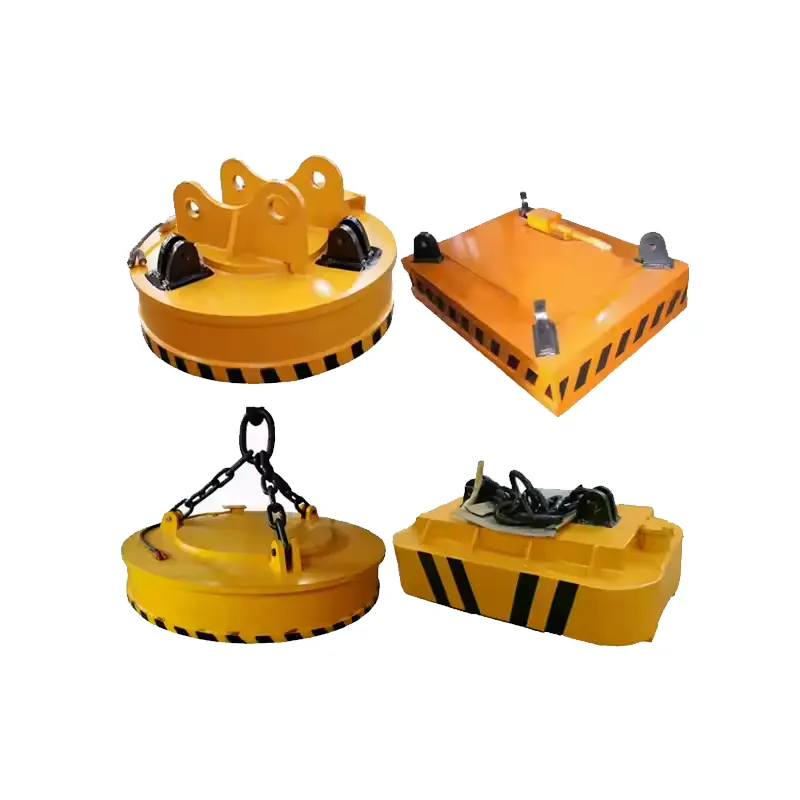
Electromagnetic attachments are used to quickly collect and separate ferrous metals such as steel and iron from mixed waste streams, significantly improving sorting efficiency.
Crusher Bucket
Crusher buckets process mixed construction waste and concrete attached to scrap metal, enabling on-site size reduction and supporting recycling workflows.
Scrap Metal Processing Workflow
A typical scrap processing workflow begins with collection and unloading of mixed materials. Hydraulic grapples are used for sorting and feeding materials into processing zones. Hydraulic or demolition shears then cut large metal structures into manageable sizes. Magnets separate ferrous metals, while crusher buckets process attached concrete or mixed debris.
This workflow ensures efficient material recovery, reduces landfill waste, and maximizes recycling value in industrial and demolition environments.
Advantages of Excavator Attachments in Scrap Processing
Fast cutting and size reduction of metal structures
Efficient separation of ferrous and non-ferrous materials
Improved productivity in recycling yards
Reduced manual labor and handling risks
Higher material recovery rates
Lower operational and transportation costs
Equipment Selection Strategy for Scrap Metal Projects
Hydraulic Shears – Precision cutting of beams, pipes, and profiles
Demolition Shears – Heavy scrap structure crushing and dismantling
Hydraulic Grapple – Scrap handling and sorting operations
Magnet Attachment – Ferrous metal separation
Crusher Bucket – Mixed waste and concrete processing
In most scrap metal processing operations, multiple attachments are used together to complete cutting, sorting, separation, and recycling workflows efficiently.
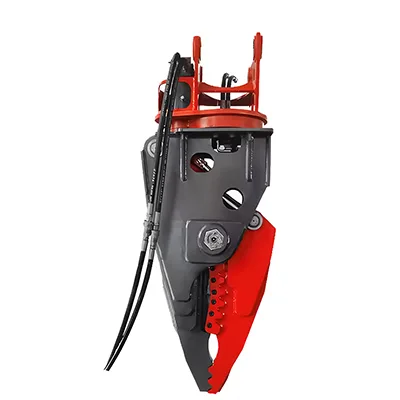
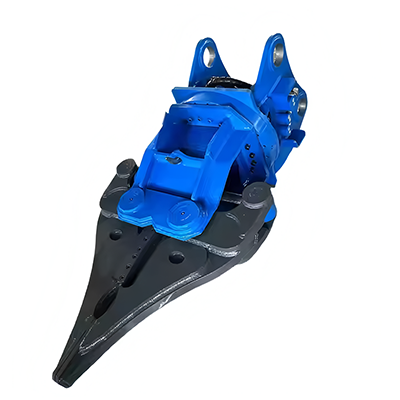
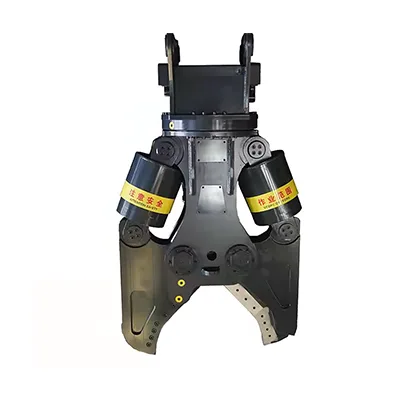
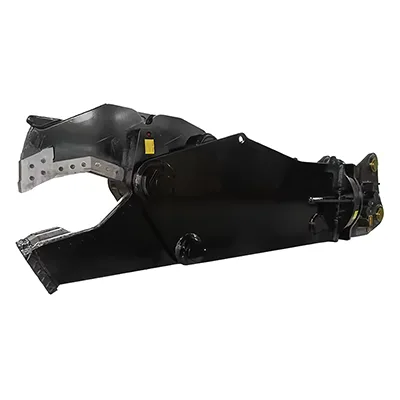
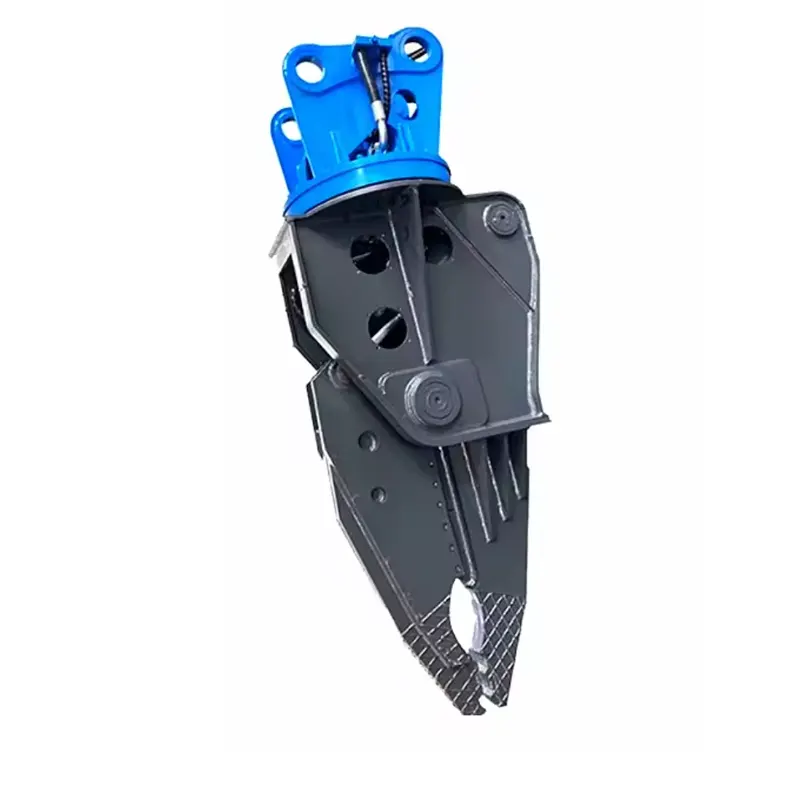
TGEC Hydraulic Shears – Precision cutting of scrap metal structures
TGEC Demolition Shears – Heavy-duty scrap crushing and dismantling
TGEC Hydraulic Grapple – Scrap sorting and loading operations
TGEC Magnet Attachment – Efficient ferrous metal separation
TGEC Crusher Bucket – Mixed waste and debris processing