


Shale Removal Equipment & Excavation Solutions
Shale removal is a common challenge in construction, mining, pipeline installation, utility projects, road building, and site development. Although shale is generally softer than solid granite or basalt, compacted shale layers can become extremely difficult to excavate using standard buckets alone, especially when weathered rock formations or dense sedimentary layers are encountered.
Efficient shale excavation requires a strategic combination of ripping, breaking, loosening, and material handling operations. Modern excavator attachments help contractors increase excavation speed, reduce machine wear, and improve overall project productivity when working in shale-rich environments.
Common Shale Removal Applications
Pipeline trench excavation through shale formations
Road and highway construction projects
Utility corridor installation
Mining overburden removal
Building foundation excavation
Industrial site development
Residential subdivision preparation
Quarry stripping operations
Drainage and utility trenching
Renewable energy infrastructure projects
Challenges of Excavating Shale
Unlike loose soil, shale often forms layered rock structures that resist conventional digging methods. excavator buckets may struggle to penetrate compacted shale beds, resulting in slower production rates and increased fuel consumption.
In many projects, shale conditions vary significantly across the work area. Some sections may be fractured and easily removed, while others become highly compacted or partially cemented, requiring additional ripping or breaking force before excavation can proceed efficiently.
Contractors must also balance production speed, equipment wear, operating costs, and project deadlines while maintaining excavation accuracy and safety.
Recommended Shale Removal Workflow
For most shale excavation projects, TianGe recommends a four-stage workflow:Loosening → Breaking → Excavating → Material Processing.
This systematic approach minimizes machine stress while maximizing excavation efficiency across varying shale conditions.
Excavator Ripper – Penetrates and loosens compacted shale layers
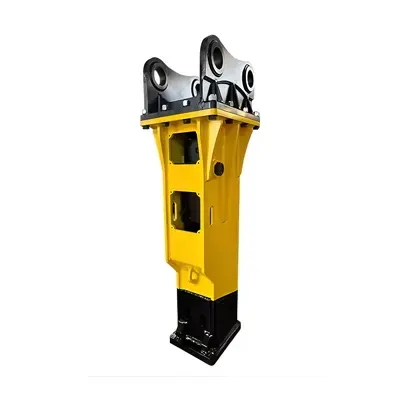
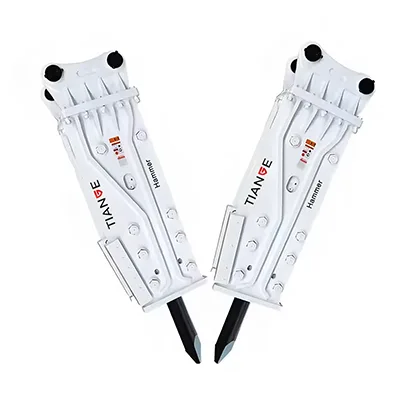
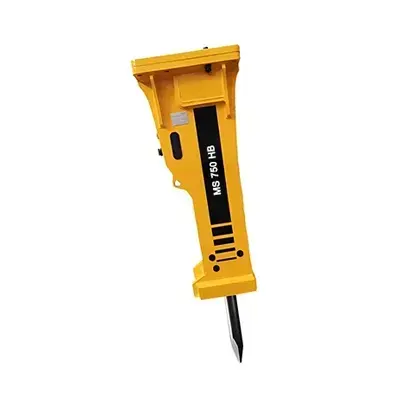
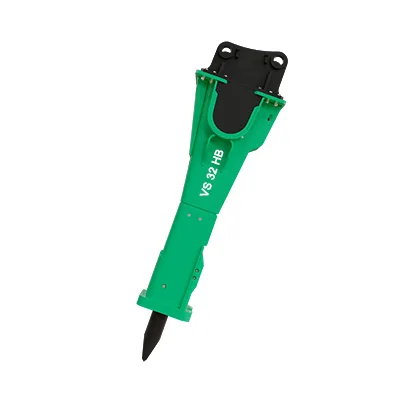
Hydraulic Breaker – Fractures hard shale sections and rock seams
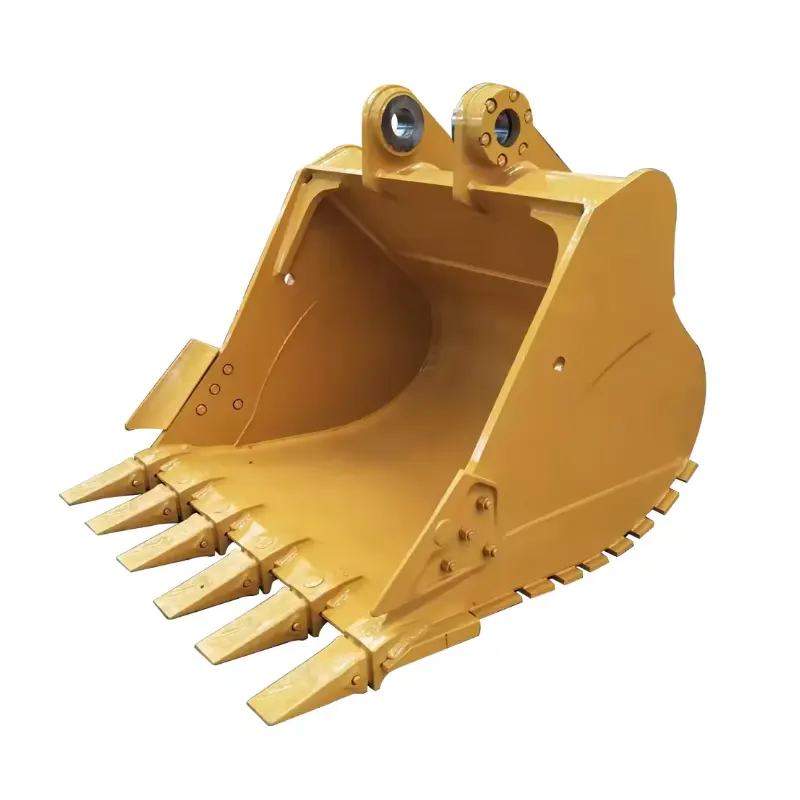
Excavator Bucket – Removes loosened material efficiently
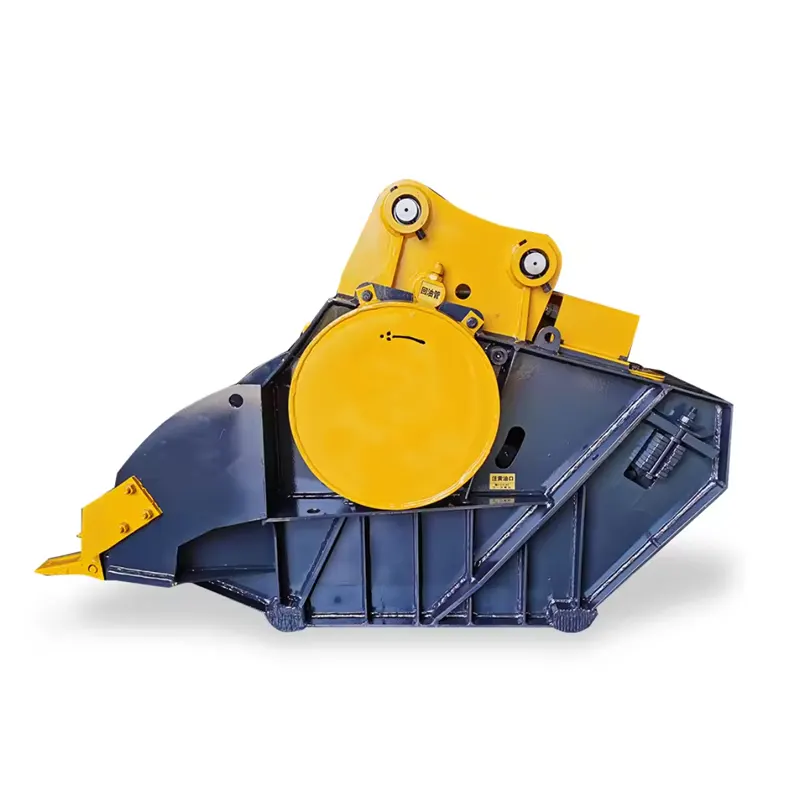
Crusher Bucket – Processes excavated shale into reusable aggregate when required
Selecting the proper workflow often has a greater impact on productivity than simply increasing machine size. Breaking shale progressively allows contractors to achieve faster excavation cycles and lower operating costs.
Core Equipment Used in Shale Removal Projects
Excavator Rippers
excavator rippers are often the first attachment deployed during shale excavation. Their reinforced tooth design concentrates breakout force into a narrow contact point, allowing operators to penetrate compacted shale layers more effectively than a standard bucket.
Rippers are particularly effective for weathered shale, layered sedimentary rock, trench preparation, and pre-fracturing operations prior to excavation.
Hydraulic Breakers
When shale formations become highly compacted or intermixed with harder rock layers, hydraulic breakers provide the impact energy necessary to fracture resistant sections. They are commonly used in road cuts, pipeline corridors, foundation excavation, and mining operations.
Heavy-Duty Excavator Buckets
After shale has been loosened, heavy-duty excavation buckets efficiently remove fragmented material and transport it for disposal, stockpiling, or reuse.
Crusher Buckets
In projects where excavated shale can be reused as fill material, road base, or construction aggregate, crusher buckets allow on-site processing and reduce hauling requirements.
Typical Shale Excavation Process
A typical operation begins by surveying shale hardness and formation depth. Excavator rippers are then used to create fractures and separation lines within the shale layer. Where material remains resistant, hydraulic breakers further reduce rock strength and create manageable fragments.
Once loosened, excavation buckets remove the material and load trucks or stockpiles. If project specifications allow material reuse, crusher buckets may process excavated shale into usable aggregate for backfilling or road construction applications.
This workflow reduces excavation resistance, improves cycle times, and minimizes unnecessary machine stress.
Benefits of Excavator Attachments for Shale Removal
Faster excavation through compacted shale formations
Reduced bucket wear and machine strain
Lower fuel consumption during excavation
Improved trenching and site preparation efficiency
Reduced need for blasting in some applications
Better productivity in mixed soil and shale conditions
Lower overall project operating costs
Improved material reuse opportunities
Why Contractors Use Integrated Shale Removal Solutions
Successful shale excavation is rarely accomplished with a single attachment. Contractors increasingly combine ripping, breaking, excavating, and material processing tools to adapt quickly to changing ground conditions.
This integrated approach allows operators to maintain consistent production rates while reducing downtime caused by difficult digging conditions. It also helps maximize excavator utilization across multiple project phases.
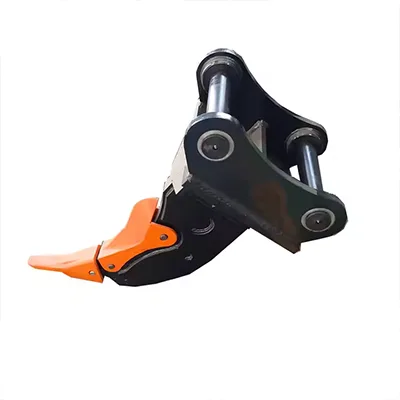
TGEC Excavator Rippers – Shale loosening and rock penetration
TGEC Hydraulic Breakers – Hard shale fragmentation and rock breaking
TGEC Heavy-Duty Buckets – Excavation and material loading
TGEC Crusher Buckets – On-site shale recycling and aggregate production
TGEC Quick Couplers – Fast attachment changes for varying ground conditions