


Storm Damage Cleanup Equipment & Emergency Recovery Solutions
Storm damage cleanup is a critical operation following hurricanes, tornadoes, windstorms, ice storms, floods, and severe weather events. Large volumes of fallen trees, broken branches, damaged structures, utility obstructions, and scattered debris can block roads, disrupt infrastructure, and create significant safety hazards.
Fast and efficient recovery requires more than manpower alone. Modern contractors, municipalities, utility companies, and disaster response teams increasingly rely on excavators equipped with specialized attachments to accelerate debris removal, vegetation clearing, tree processing, and site restoration activities.
Storm Damage Cleanup Applications
Hurricane recovery operations
Tornado debris removal
Windstorm cleanup projects
Ice storm fallen tree removal
Flood debris management
Emergency roadside clearance
Utility corridor restoration
Park and public land recovery
Residential community cleanup
Commercial property restoration
Forest storm damage rehabilitation
Emergency access route clearing
Challenges After Severe Storm Events
Storm damage sites often contain a mixture of uprooted trees, tangled vegetation, damaged timber, construction debris, unstable structures, and scattered waste materials. Access can be difficult, while safety risks remain high due to unstable trees, damaged infrastructure, and restricted working space.
Recovery contractors must restore access quickly while minimizing labor costs and reducing equipment downtime. Delayed cleanup efforts can impact transportation networks, utility services, emergency response operations, and public safety.
To improve productivity, many organizations deploy excavator attachment solutions that allow cutting, handling, processing, and transporting debris directly on-site.
Recommended Equipment Solution
For most storm recovery projects, TianGe recommends a four-stage workflow:Cutting → Handling → Clearing → Restoration.
Grapple Saw for Excavator – Safely cut and remove fallen trees, hanging limbs, and storm-damaged timber
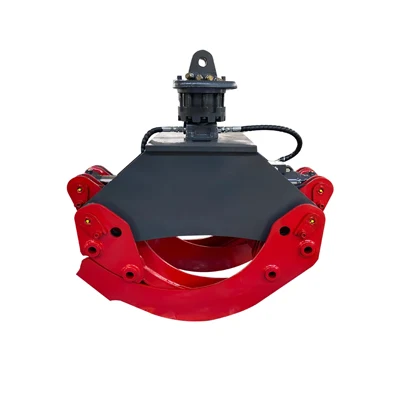
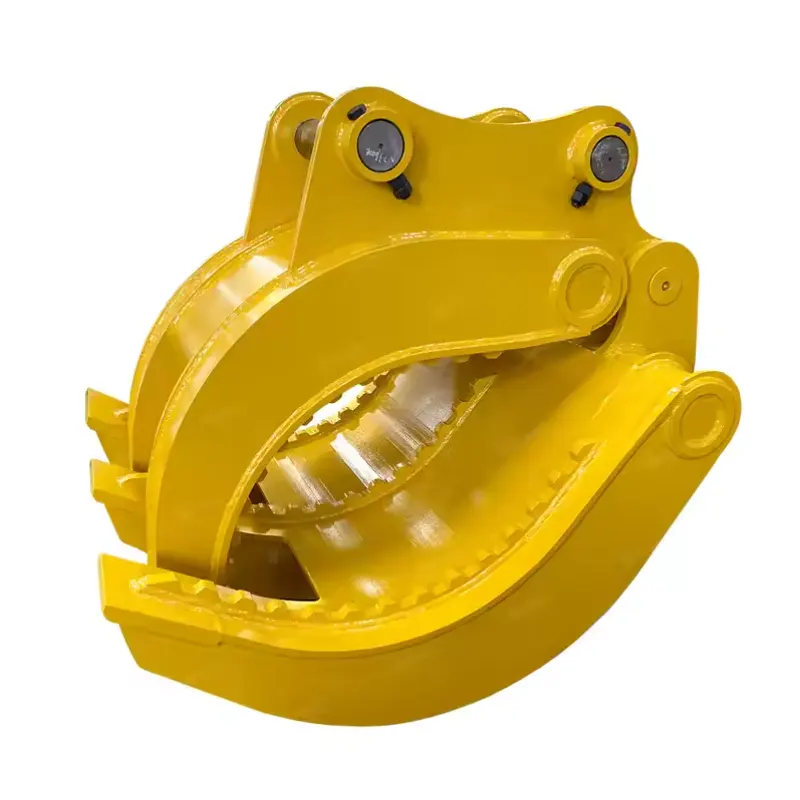
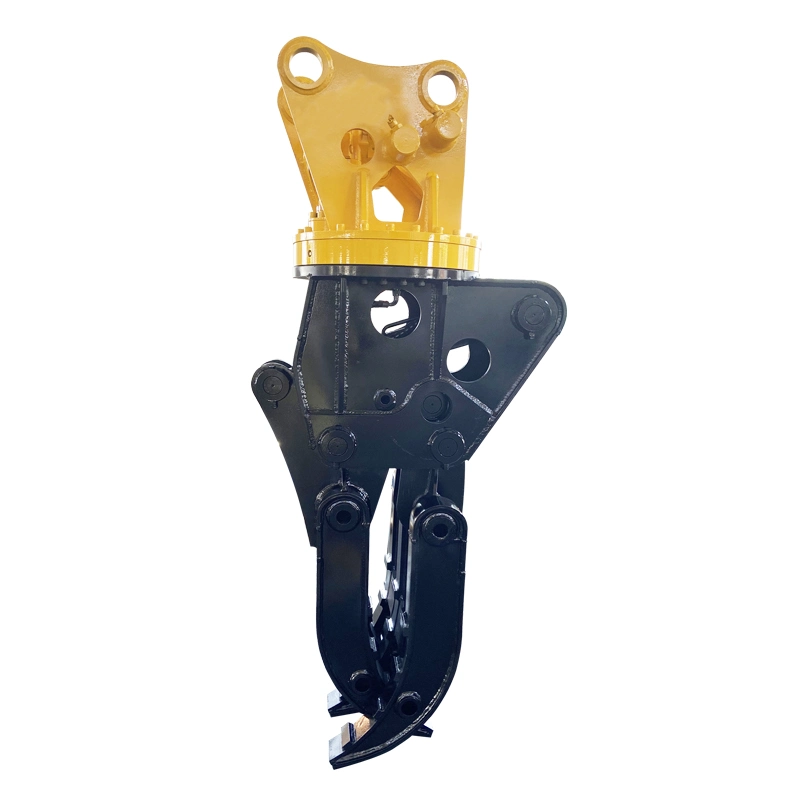
Hydraulic Grapple – Handle logs, branches, and mixed debris efficiently
Forestry Mulcher – Reduce vegetation, brush, and wood waste into manageable mulch
Excavator Bucket – Load, transport, and remove remaining debris materials
This integrated approach helps contractors complete cleanup projects faster while reducing manual labor requirements and improving overall site safety.
Core Equipment for Storm Damage Cleanup
Grapple Saw for Excavator
grapple saws are among the most effective tools for storm recovery operations. They allow operators to safely grab, cut, and remove damaged trees, broken limbs, and hazardous timber from difficult-to-access locations. This significantly reduces risks associated with manual chainsaw work.
Hydraulic Grapple
Hydraulic grapples simplify the collection, sorting, loading, and transportation of logs, branches, vegetation, and storm-generated debris. They are widely used during large-scale disaster recovery operations.
Forestry Mulcher
Forestry mulchers efficiently process fallen vegetation, brush piles, and damaged woodland areas. Mulching reduces waste volume and helps accelerate site restoration activities.
Excavator Bucket
Heavy-duty buckets assist with debris loading, earthmoving, drainage repair, and final site cleanup following severe weather events.
Hydraulic Breaker
When storms damage pavements, retaining walls, concrete structures, or foundations, hydraulic breakers help remove unstable materials and prepare sites for reconstruction.
Storm Cleanup Workflow
A typical recovery project begins with clearing blocked access routes and identifying hazardous trees. Grapple saws remove dangerous limbs and damaged timber, while hydraulic grapples collect and transport debris. Forestry mulchers process vegetation and brush into mulch, reducing disposal requirements. Buckets and breakers then assist with final cleanup and restoration work.
This workflow helps contractors restore transportation corridors, public infrastructure, utility access, and damaged properties more efficiently.
Benefits of Excavator Attachments for Storm Recovery
Faster emergency response and recovery
Safer removal of hazardous trees and debris
Reduced manual labor requirements
Improved productivity in difficult terrain
Lower waste transportation costs
Efficient vegetation and timber processing
Faster restoration of roads and utility corridors
Reduced project completion time
Why Contractors Choose TianGe Attachments
TianGe supplies professional excavator attachments designed for demanding forestry, vegetation management, disaster recovery, and land clearing applications. Our equipment is built to withstand challenging field conditions while delivering reliable performance during critical emergency operations.
Whether supporting municipal recovery teams, utility contractors, forestry operators, or disaster response companies, TianGe provides practical attachment solutions that improve efficiency throughout every phase of storm damage cleanup projects.
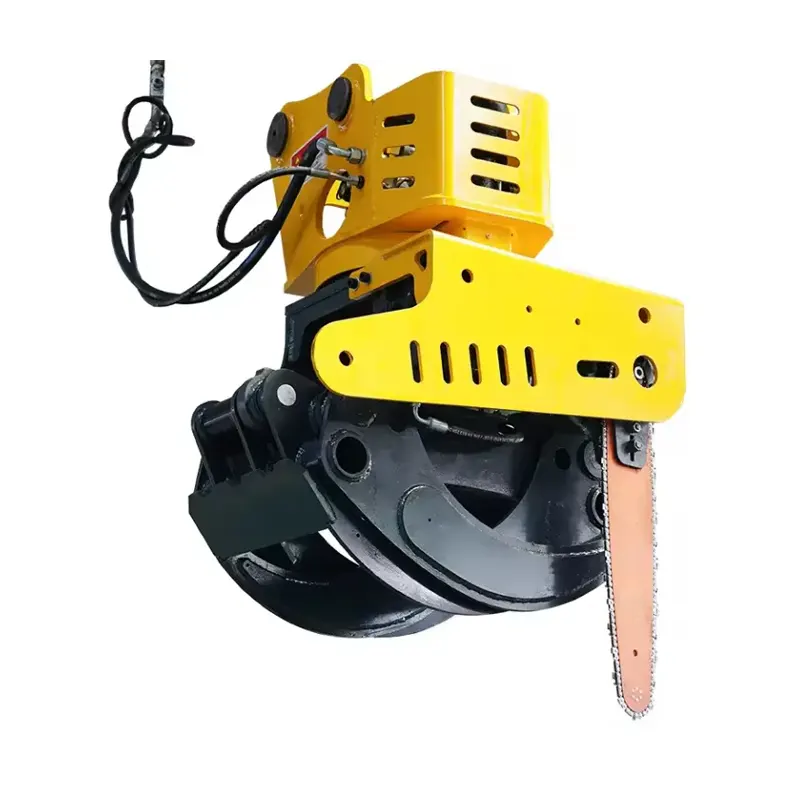
TianGe Grapple Saw for Excavator
TianGe Forestry Mulcher
TianGe Hydraulic Grapple
TianGe Heavy Duty Excavator Bucket
TianGe Hydraulic Breaker