


Timber Processing & Excavator-Based Forestry Material Handling Solutions
Timber processing is a core stage in the forestry and wood supply chain, transforming harvested logs into usable materials for construction, furniture production, paper manufacturing, and biomass energy. It involves handling, cutting, sorting, and preparing raw timber under high-volume industrial conditions.
Modern timber operations increasingly depend on excavator-based attachment systems to improve throughput, reduce manual labor, and ensure continuous material flow from forest harvesting to sawmill processing lines. This equipment-driven approach creates a more efficient and stable timber handling ecosystem.
Timber Processing Application Scenarios
Sawmill feeding and log yard operations
Forestry harvesting and log collection sites
Wood sorting and grading facilities
Timber debarking and primary processing lines
Pulp and paper raw material preparation
Construction timber supply chains
Biomass and wood energy production plants
Export timber loading terminals and ports
Forest roadside log stacking and transport zones
Storm-damaged tree recovery and processing operations
Timber Processing System Logic (Workflow-Based Engineering)
Timber processing is not a single-machine task, but a continuous workflow combining harvesting, handling, cutting, sorting, and loading. Excavators act as the central material flow engine, supporting multiple attachments across different processing stages.
Instead of isolated equipment use, modern operations rely on integrated systems where each attachment performs a specific role in maintaining uninterrupted timber movement from forest to final industrial use.
Core Excavator Attachments for Timber Processing
Excavator Log Grapples
log grapples are essential for timber handling operations. They are used for grabbing, lifting, stacking, and feeding logs in both forest yards and sawmill environments. Their strong clamping force ensures stable control of irregular log shapes and heavy timber bundles.
Sorting & Demolition Grapples
Sorting grapples are used for separating timber by size, quality, and type. In mixed wood yards, they improve efficiency by enabling fast classification and organized storage of raw logs and processed materials.
Felling Saw Attachments
Hydraulic felling saw systems allow controlled tree cutting and log sectioning directly at the harvesting site. They reduce manual chainsaw work and improve safety in large-scale forestry operations.
Hydraulic Buckets
Buckets support auxiliary operations such as site cleanup, wood waste removal, and soil-material separation in timber yards and processing zones.
Wood Processing and Biomass Tools
In integrated forestry systems, additional attachments such as mulchers and residue processors handle branches and waste materials, ensuring full utilization of harvested biomass.
Timber Processing Workflow Strategy
A typical timber processing workflow begins with tree harvesting, followed by log cutting and collection. Excavators equipped with felling saws or grapples transport logs to sorting areas, where materials are classified based on size and quality.
Next, logs are fed into sawmill systems or storage yards using log grapples. Sorting grapples organize inventory, while auxiliary tools handle waste and residual biomass. This continuous flow ensures minimal downtime and higher processing efficiency.
Compared with traditional manual handling, excavator-based systems significantly improve safety, reduce labor intensity, and enable scalable industrial timber processing.
System-Based Equipment Selection Approach
Log Grapple – Primary timber handling and loading operations
Sorting Grapple – Wood classification and yard management
Felling Saw – Tree cutting and harvesting operations
Hydraulic Bucket – Cleanup and auxiliary material handling
Mulcher / Residue Processor – Branch and waste biomass processing
Efficient timber processing relies on coordination rather than isolated equipment choice. Each attachment supports a specific stage in the material flow chain, ensuring stable and continuous production.
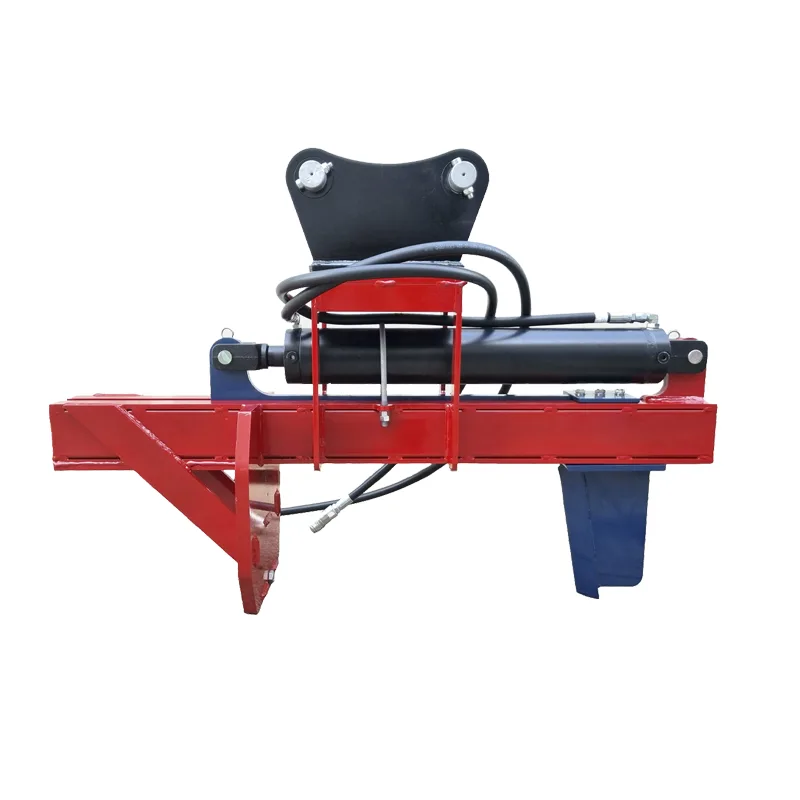
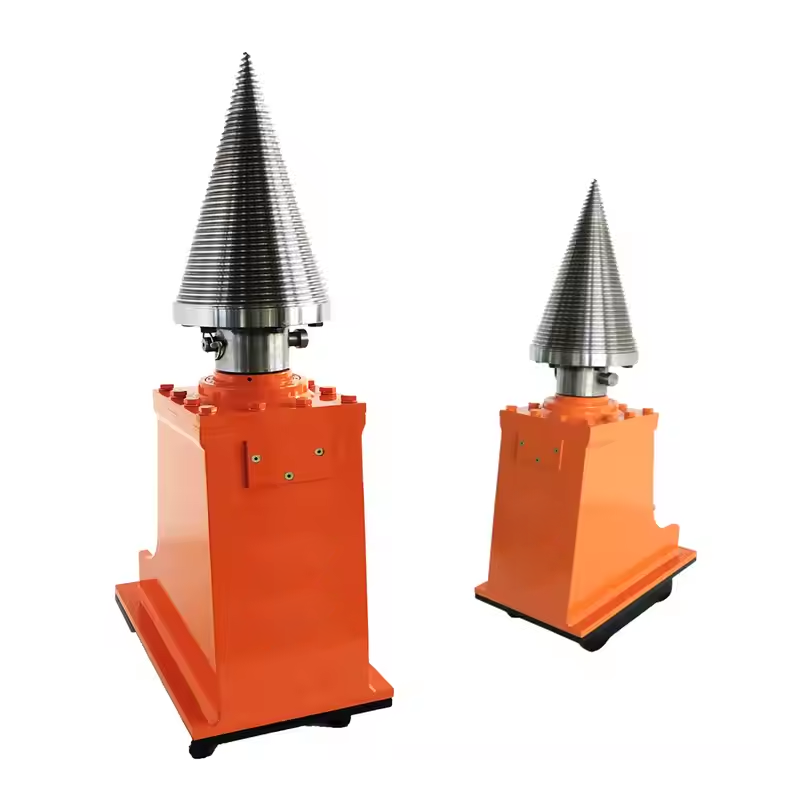
TianGe provides excavator-based timber processing solutions designed for forestry yards, sawmills, and large-scale wood handling operations. The focus is on durability, workflow efficiency, and multi-attachment system compatibility.
TGEC Log Grapple – Heavy-duty log handling and loading operations
TGEC Sorting Grapple – Efficient timber classification and yard management
TGEC Felling Saw System – Controlled forestry harvesting and cutting
TGEC Hydraulic Bucket – Auxiliary cleaning and material handling
TGEC Forestry Mulcher – Biomass and residue processing solutions