


Trench Backfilling & Soil Compaction Equipment Solutions
Trench backfilling is a critical stage in pipeline installation, utility construction, and underground cable projects. It requires controlled soil placement and compaction to restore ground stability after excavation work is completed.
Modern trenching operations rely on excavator-based compaction systems and specialized attachments that improve density control, reduce settlement risk, and ensure long-term structural safety in backfilled trenches.
Trench Backfilling & Compaction Application Scenarios
Pipeline trench backfilling and compaction
Water supply and drainage system installation
Gas pipeline and utility corridor construction
Electrical cable trench restoration
Road shoulder and roadside trench repair
Telecommunication underground conduit backfill
Urban infrastructure maintenance projects
Agricultural irrigation trench filling
Railway cable trench restoration
Industrial plant underground utility systems
Core Excavator Attachments for Trench Backfilling
Compactor Attachments (Hydraulic Plate Compactor)
Designed for direct trench compaction, hydraulic plate compactors deliver strong vibration force to increase soil density in confined spaces. They are widely used in pipeline and utility trench backfilling where traditional rollers cannot operate.
Compaction Wheel System
A trench-specific attachment that provides continuous rolling compaction. It ensures uniform soil density along narrow trench lines and reduces air voids in layered backfill material.
Backfilling Bucket
Used for controlled soil placement into trenches. Its optimized design allows precise material distribution without damaging underground pipes or cables.
Hydraulic Bucket
Standard excavation and material handling tool used during trench preparation and backfilling stages for fast soil transfer operations.
Ripper Attachment
Helps break compacted or frozen ground before backfilling, improving soil mixing and compaction efficiency in difficult soil conditions.
Why Compaction is Critical in Trench Backfilling
Proper compaction ensures that backfilled trenches maintain ground stability and prevent future sinking or structural deformation. Inadequate compaction can lead to pipeline stress, surface collapse, and costly maintenance repairs.
Using excavator-mounted compaction attachments significantly improves efficiency by combining excavation, backfilling, and compaction into a single workflow without the need for additional heavy machinery.
Key Advantages of Excavator Compaction Systems
Improved soil density and load-bearing capacity
Reduced settlement risk in utility trenches
Faster backfilling process with fewer machines
Better performance in narrow or restricted sites
Consistent compaction quality across layers
Lower labor and equipment cost
Equipment Selection for Trench Projects
Hydraulic Plate Compactor – High-force trench compaction
Compaction Wheel – Continuous narrow trench densification
Backfilling Bucket – Controlled soil placement
Hydraulic Bucket – General excavation and transport
Ripper – Hard soil and ground preparation
Most trench backfilling projects require a combination of excavation, controlled filling, compaction, and surface restoration to ensure long-term structural integrity.
Typical Trench Backfilling Workflow
The process begins with trench excavation, followed by pipe or cable installation. Soil is then carefully backfilled using buckets, compacted in layers using hydraulic plate compactors or compaction wheels, and finally leveled for surface restoration.
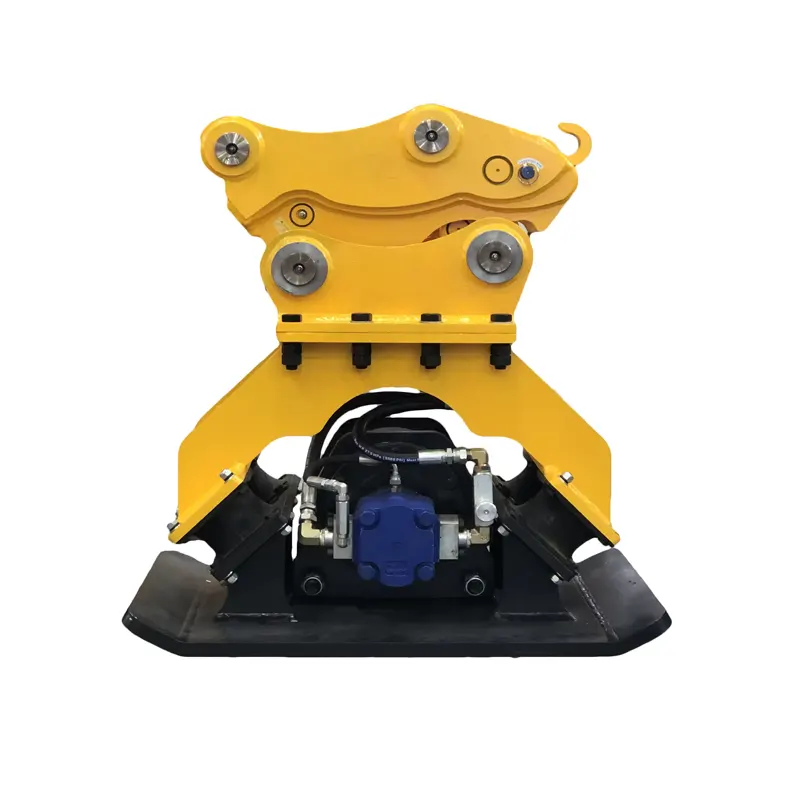
TGEC Hydraulic Plate Compactor – High-efficiency trench compaction
TGEC Compaction Wheel – Continuous soil density control
TGEC Backfilling Bucket – Precise trench filling solution
TGEC Excavator Bucket – General earthmoving operations
TGEC Ripper Attachment – Hard ground preparation tool